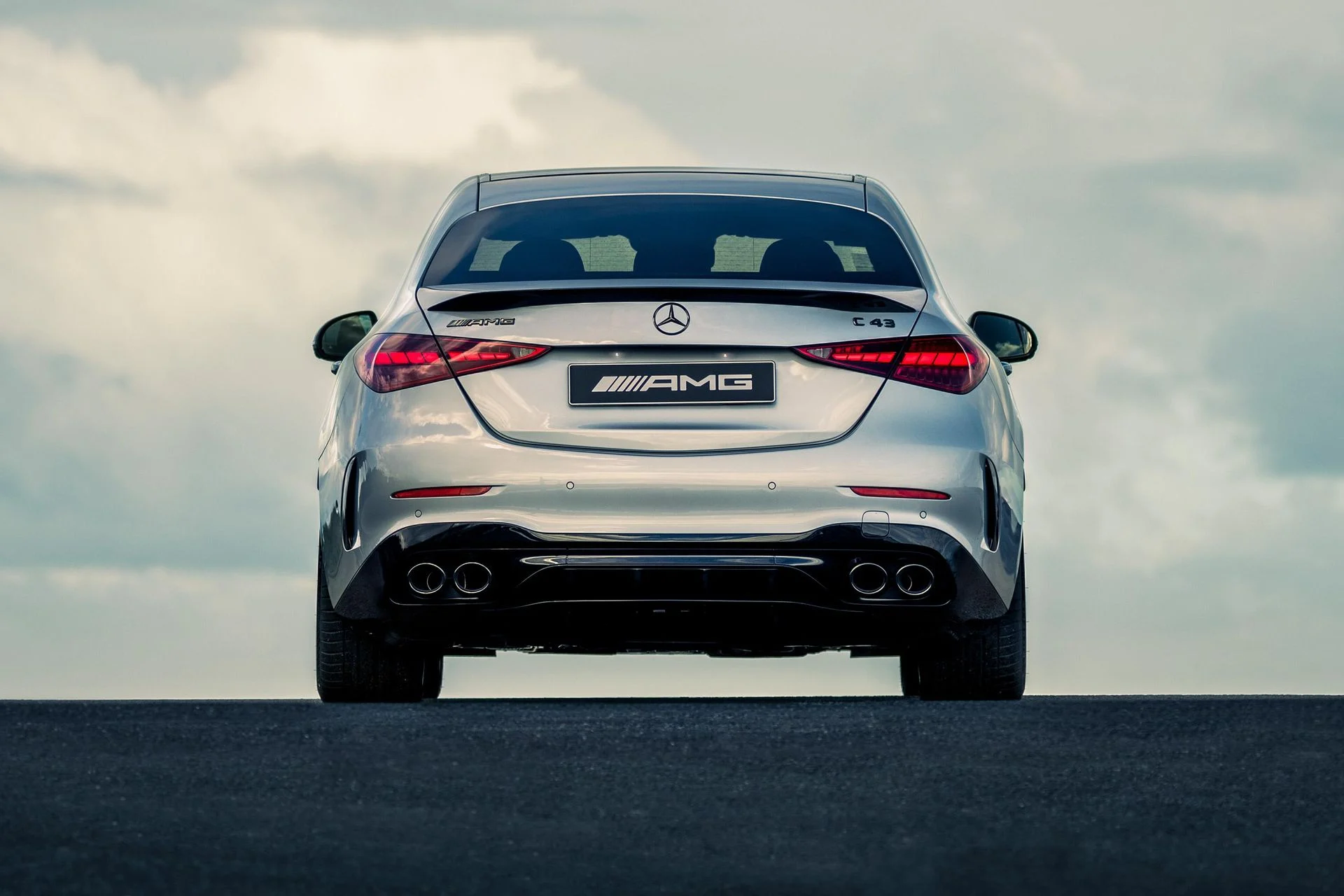
Mercedes-Benz has issued a broad recall in Australia covering more than 58,000 vehicles from several of its core model lines.
The campaign includes mainstream Mercedes-Benz models as well as multiple AMG variants, with the fault linked to a door-lock microswitch that may be vulnerable to water damage.
For owners, the issue is a practical safety concern rather than a performance or drivability problem, but its consequences could be serious if the vehicle is left without being properly secured.
At a glance
- Mercedes-Benz Australia has recalled more than 58,000 vehicles built between 2018 and 2026.
- The issue involves a door-lock microswitch that may fail after water damage, potentially preventing the auto park feature from working correctly.
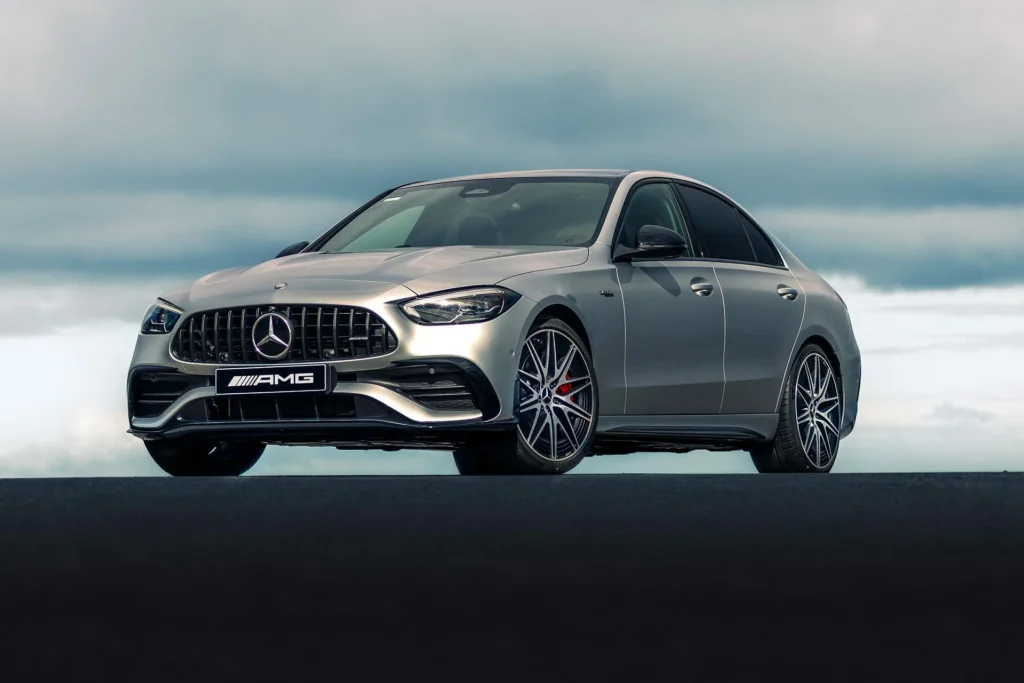
- Affected vehicles span several model ranges, including A-Class, B-Class, C-Class, CLA, CLE, GLA, GLB, GLC and EQA, including AMG variants.
A small switch with a serious safety role
The recall centres on a manufacturing defect affecting the door-lock microswitch.
If the microswitch suffers water damage and fails, the vehicle may not recognise that a door has been opened.
That matters because the auto park feature relies on detecting certain vehicle states before engaging as intended.
If the system doesn’t detect an open door, the auto park function may not operate correctly, which can create a risk of unintended vehicle movement.
Mercedes-Benz has warned that a loss of the auto park feature may increase the risk of an accident, including injury or death to occupants and other road users.
Models affected across Mercedes and AMG lines
The recall applies to vehicles manufactured between 2018 and 2026 across a wide spread of Mercedes-Benz product families.
Confirmed affected nameplates include the A-Class, B-Class, C-Class, CLA, CLE, GLA, GLB, GLC and the all-electric EQA.
The inclusion of multiple AMG variants makes the campaign relevant to performance-focused buyers as well as owners of the brand’s more everyday hatchbacks, sedans, coupes and SUVs.
For a brand with a broad Australian footprint, the scale of the recall is notable, particularly because it reaches across compact models, family SUVs and newer electric offerings.
What owners should do before leaving the car
Until the issue is addressed, the key guidance is straightforward.
Drivers should manually select Park using the gear selector and apply the parking brake before leaving the vehicle.
That advice is especially important where the vehicle is stopped on an incline, in a driveway, in a car park or anywhere unintended movement could place people or property at risk.
The recall does not suggest drivers should rely solely on the auto park feature when exiting the car.
Owners of potentially affected Mercedes-Benz and AMG models should check whether their vehicle falls within the recall population and follow the official remedy process when contacted or when parts and service instructions are available.
Details & Specifications
| Brand | Mercedes-Benz |
|---|---|
| Market | Australia |
| Vehicles affected | More than 58,000 |
| Production years | 2018 to 2026 |
| Affected model lines | A-Class, B-Class, C-Class, CLA, CLE, GLA, GLB, GLC and EQA |
| Included variants | Multiple AMG models |
| Fault | Door-lock microswitch may be susceptible to water damage and fail |
| Risk | Auto park may not operate as intended, increasing rollaway risk |
| Owner guidance | Select Park and apply the parking brake before leaving the vehicle |
It’s a reminder that modern convenience systems still depend on small physical components doing their job precisely.
For affected Mercedes-Benz and AMG owners in Australia, the safest approach is to treat Park and the parking brake as non-negotiable every time the vehicle is left unattended.