Before the McLaren F1 became the company’s first road car to enter production, Bruce McLaren had already imagined something rawer and more direct.
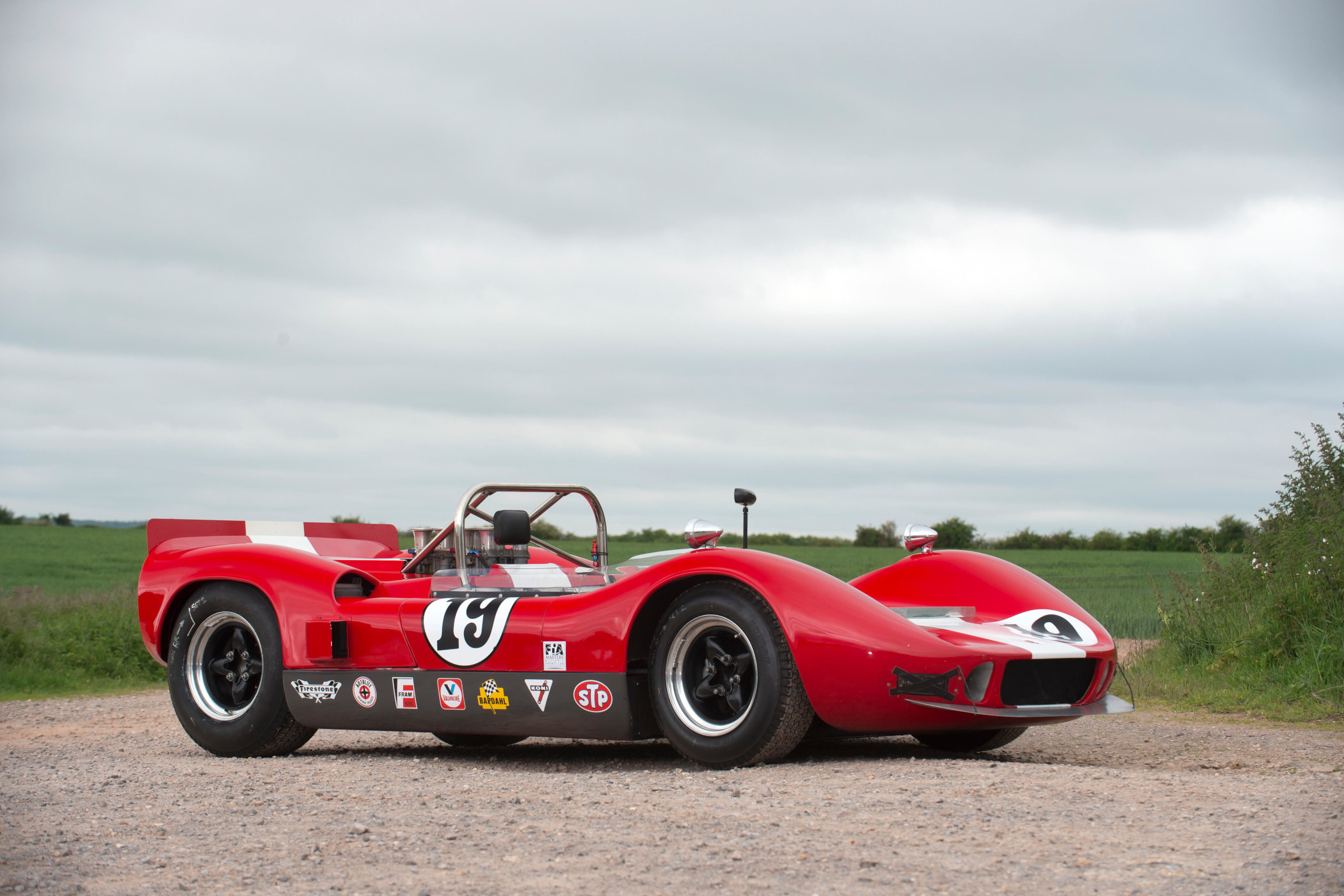
The M6 GT was his attempt to turn Can-Am speed into a road-legal machine, using the lessons of McLaren’s dominant sports-racing program.
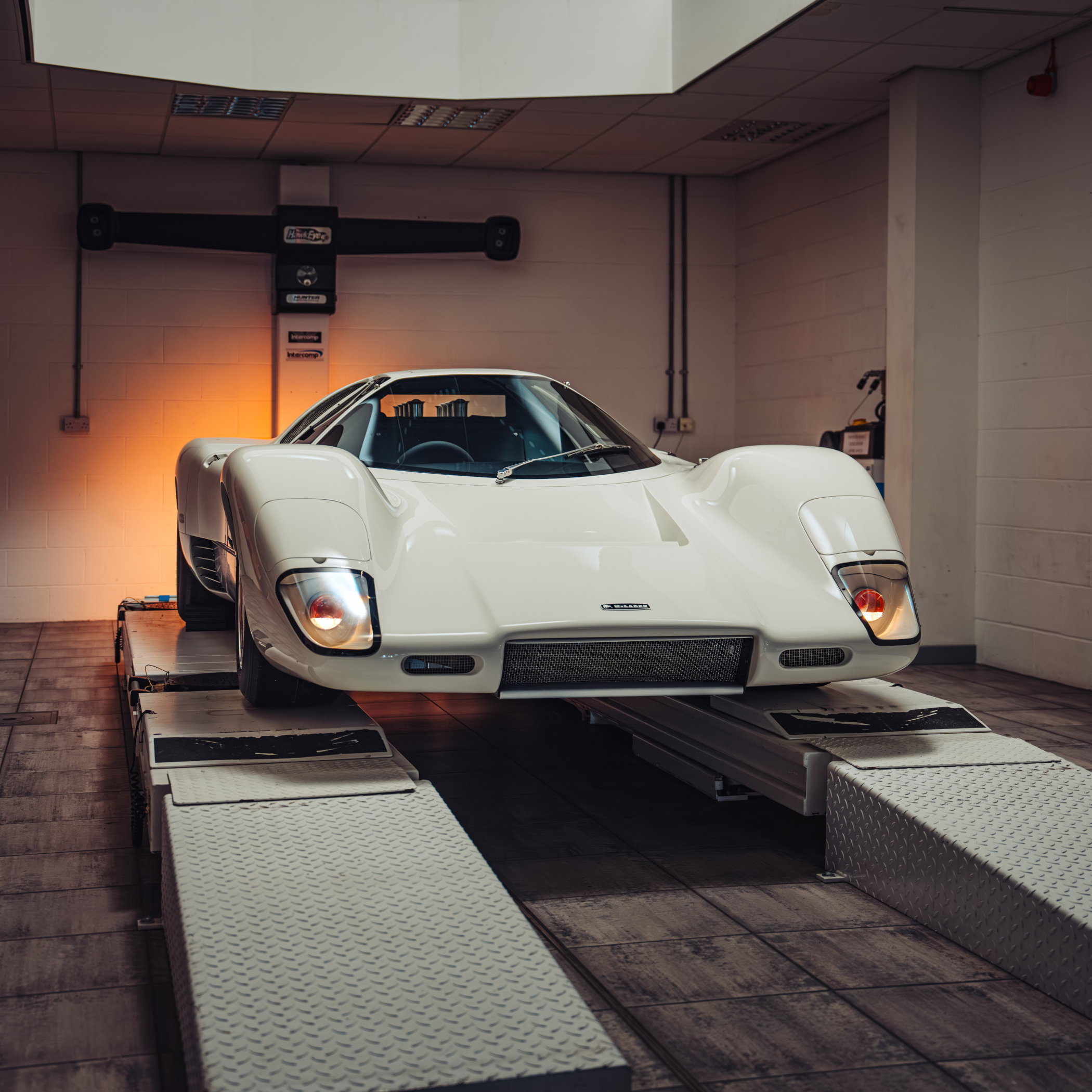
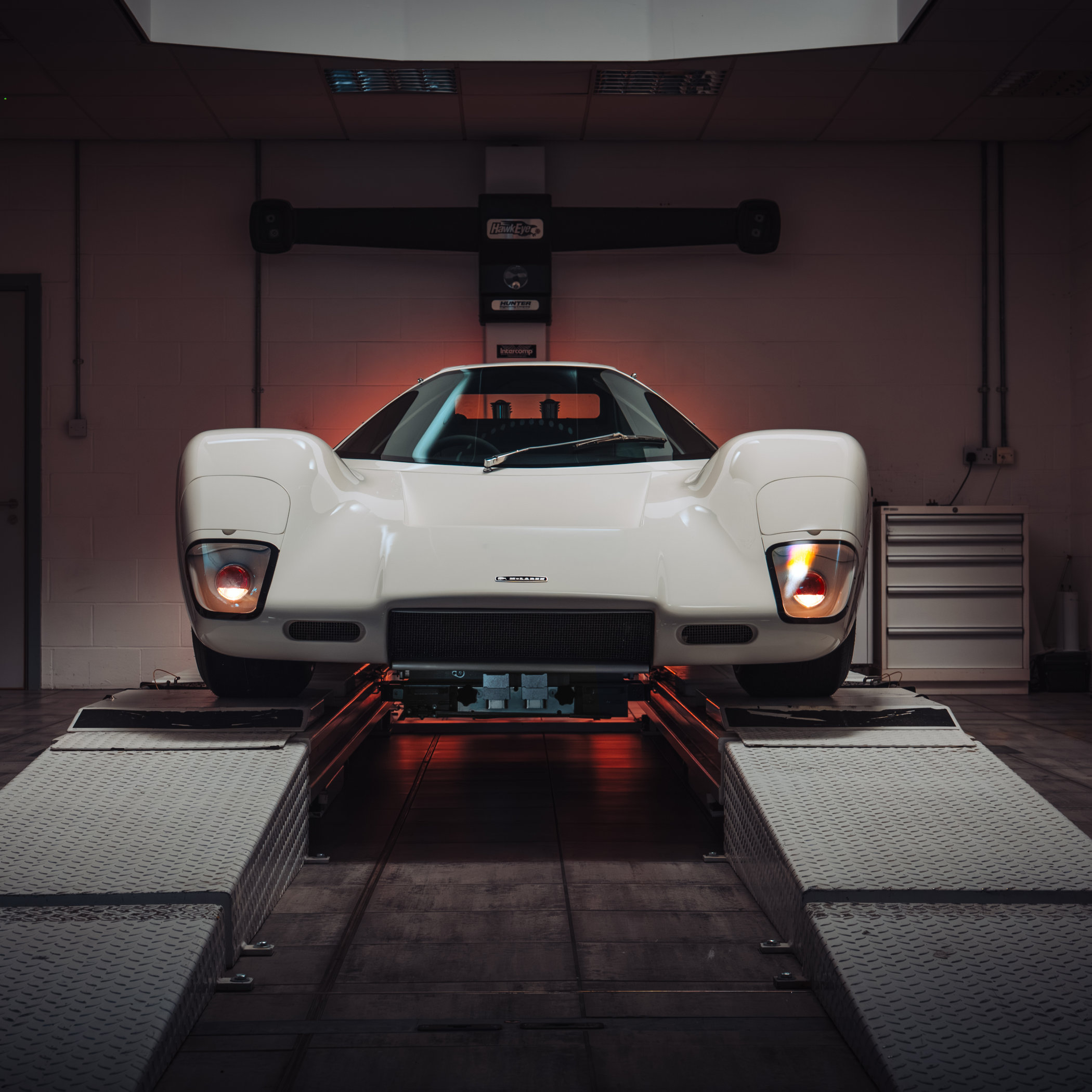
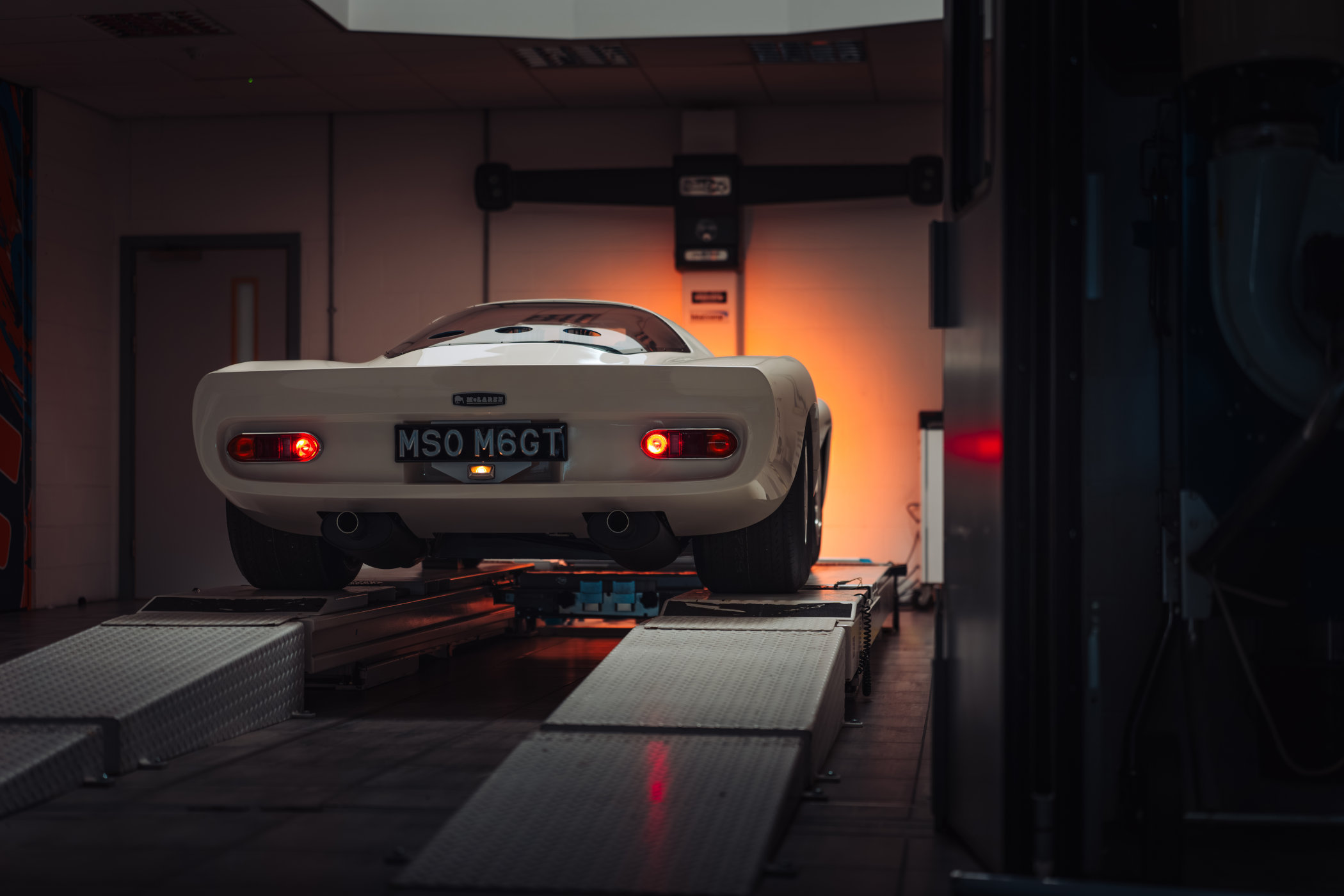
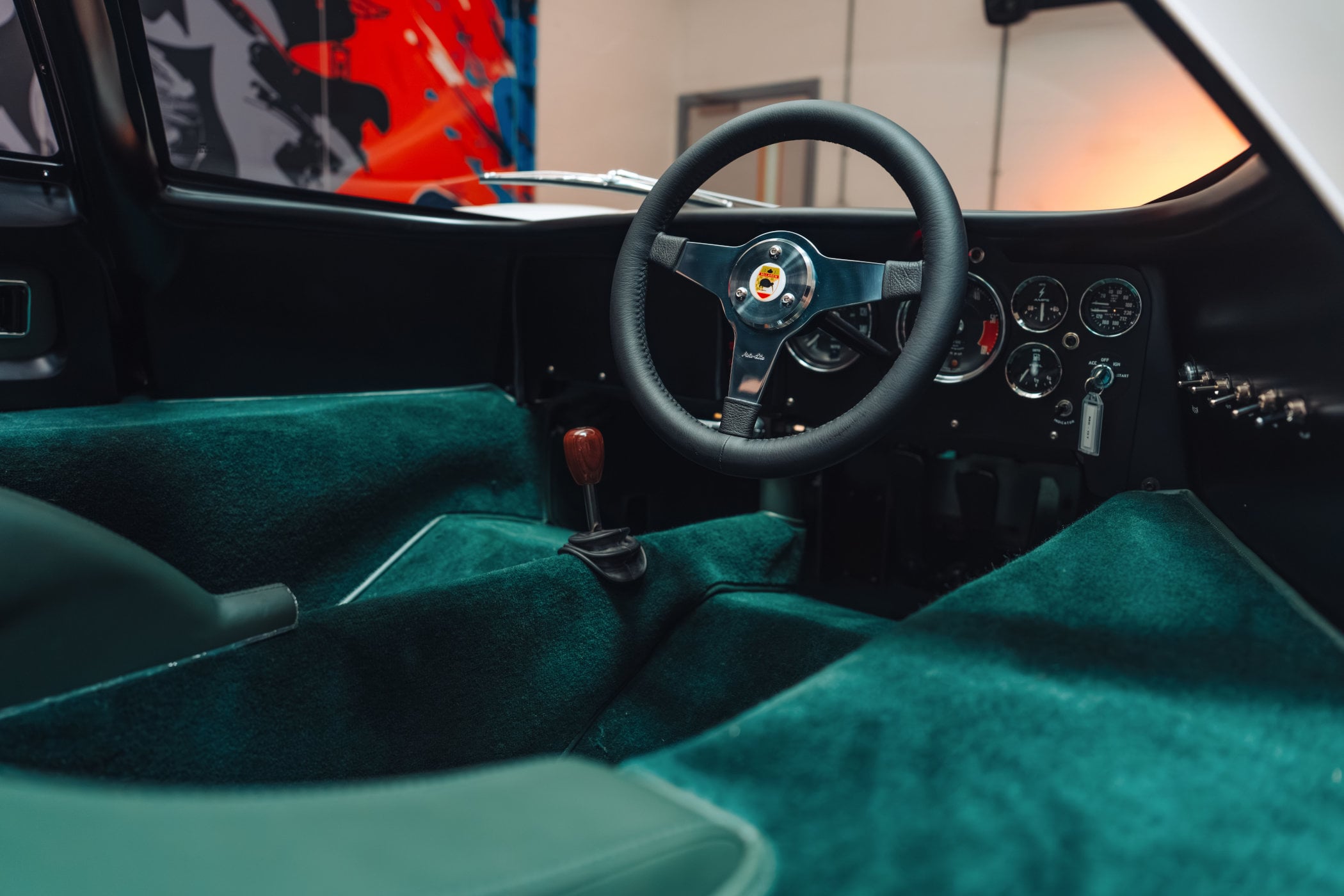
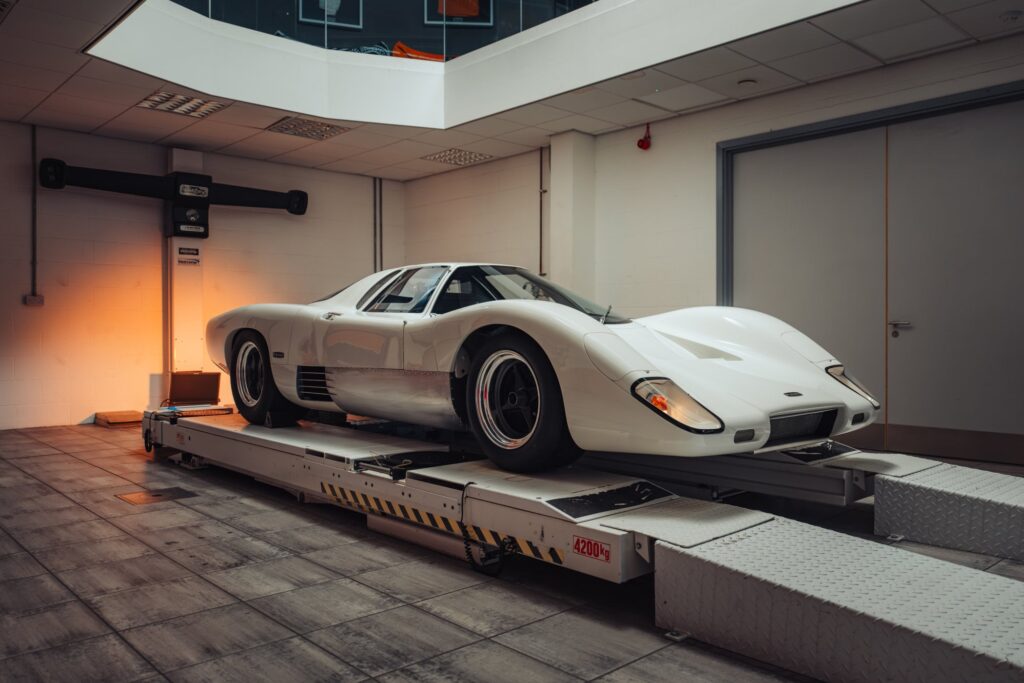
McLaren Special Operations has now restored one of the three M6 GT prototypes, bringing a rarely seen chapter of the marque’s history back into focus.
At a glance
- McLaren Special Operations has completed a full restoration of one of the three M6 GT prototypes.
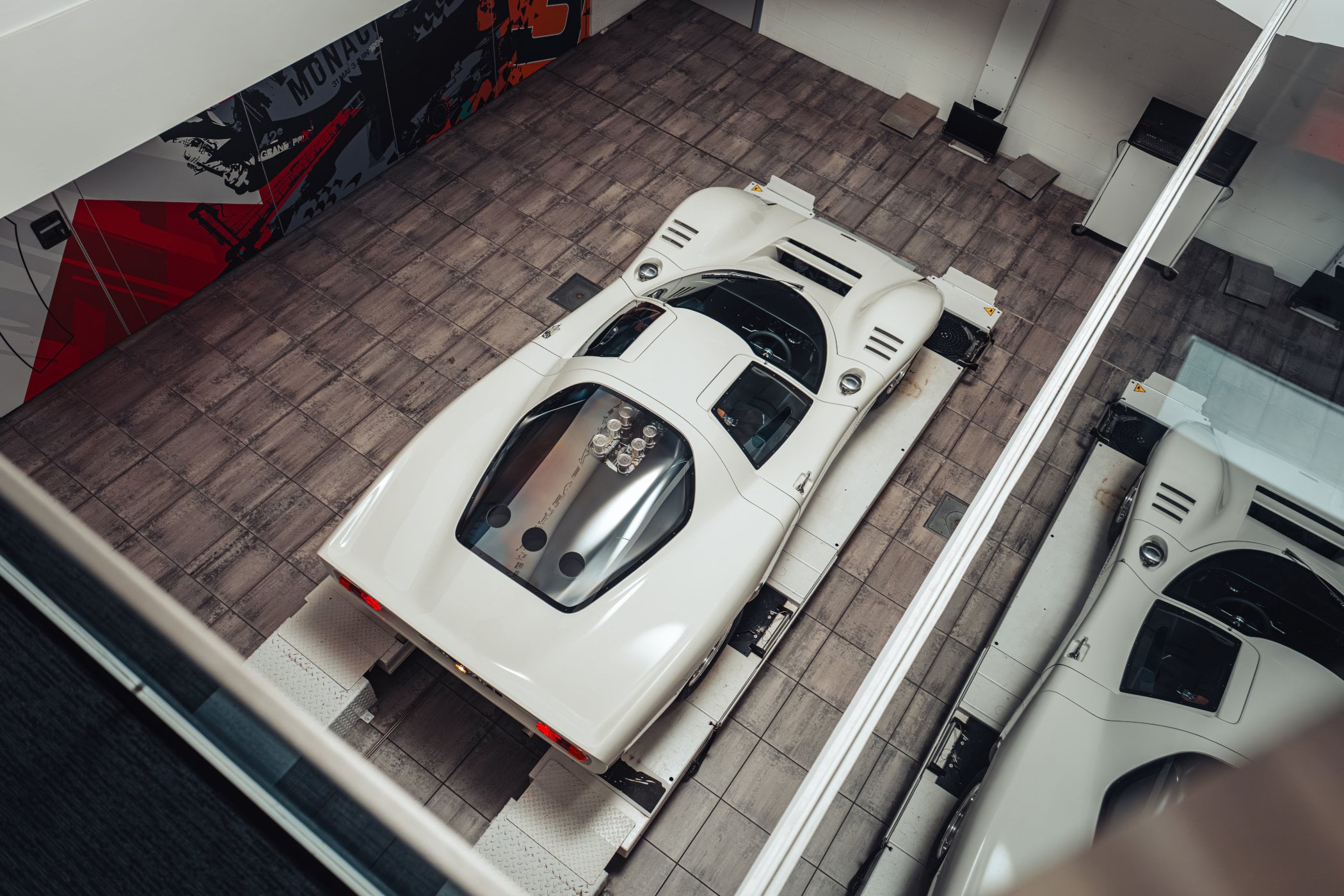
- The M6 GT was derived from the M6A Can-Am racer and used a Chevrolet 5.7-litre V8 with 370 bhp.
- Bruce McLaren planned the car as a road-going sports car in the late 1960s, but the project ended before production.
Bruce McLaren’s road-car ambition
Bruce McLaren’s reputation was built on an unusual mix of engineering instinct, driving talent and restless curiosity.
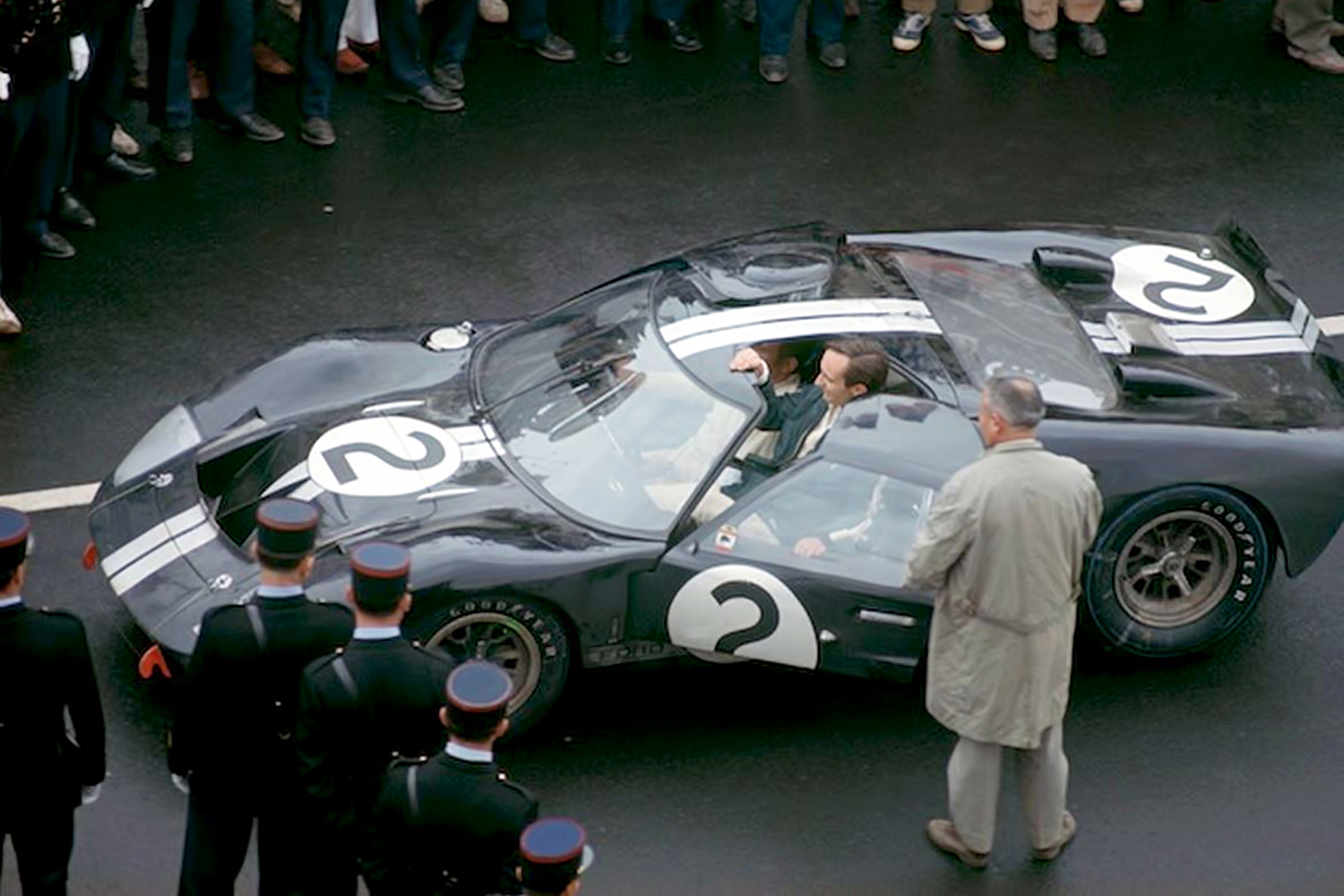
He had already helped Ford to its first Le Mans 24 Hours win in 1966, and he remains one of the rare Formula 1 figures to build, race and win in a car carrying his own name.
That same mindset shaped the M6 GT.

McLaren’s Can-Am program had become one of the most formidable forces in sports-car racing, particularly after the M6A dominated the 1967 season with Bruce McLaren and Denny Hulme.
The idea was to translate that racing platform into a closed-roof road car, creating a machine with the presence of a prototype racer and enough civility to wear number plates.
There was also a competition angle, with an early plan to build 25 cars for Le Mans eligibility before regulation changes doubled the requirement.
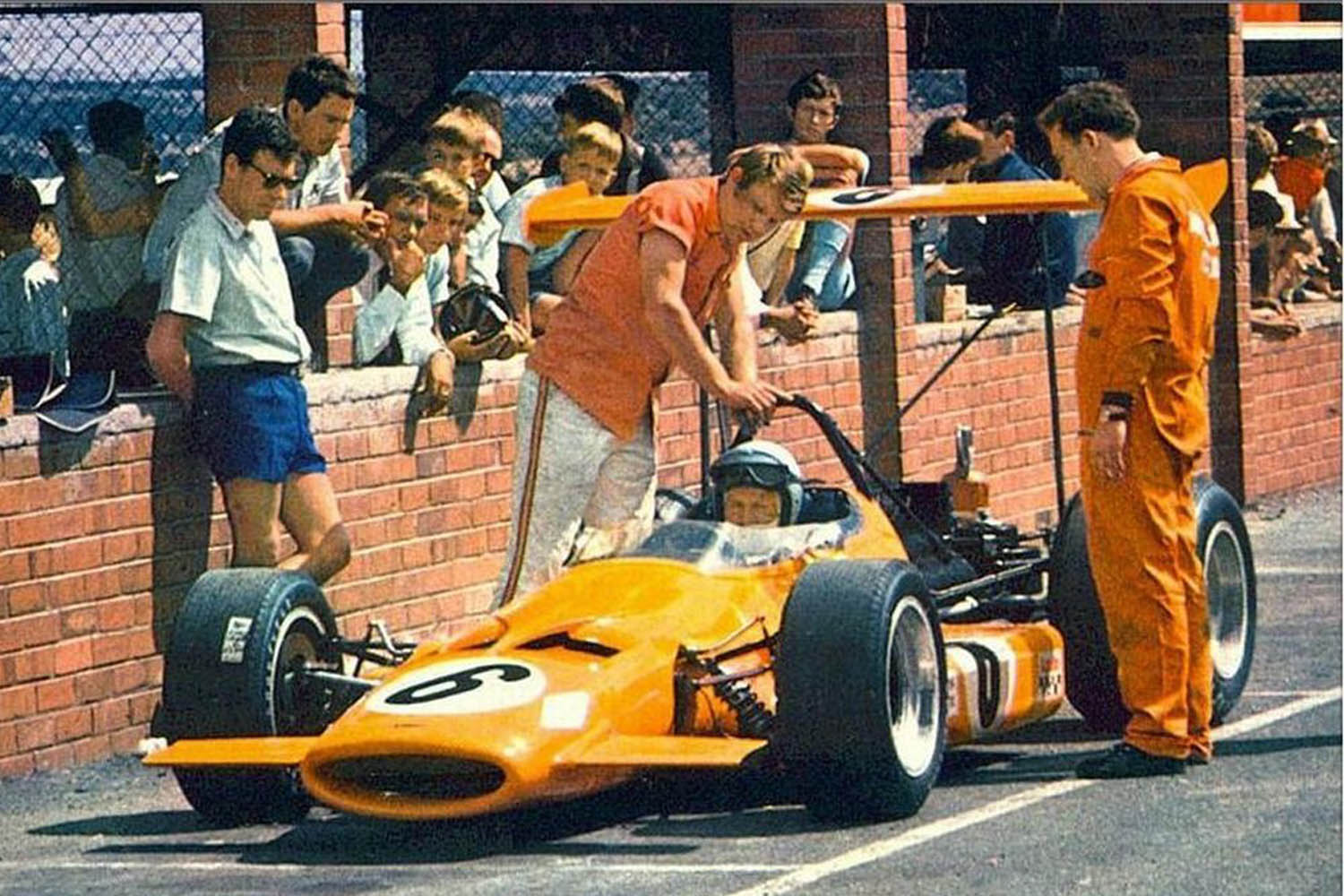
Only three prototypes were completed, and the project was shelved after Bruce McLaren’s fatal testing accident in a McLaren M8D Can-Am car on June 2, 1970.
The prototype MSO chose to preserve
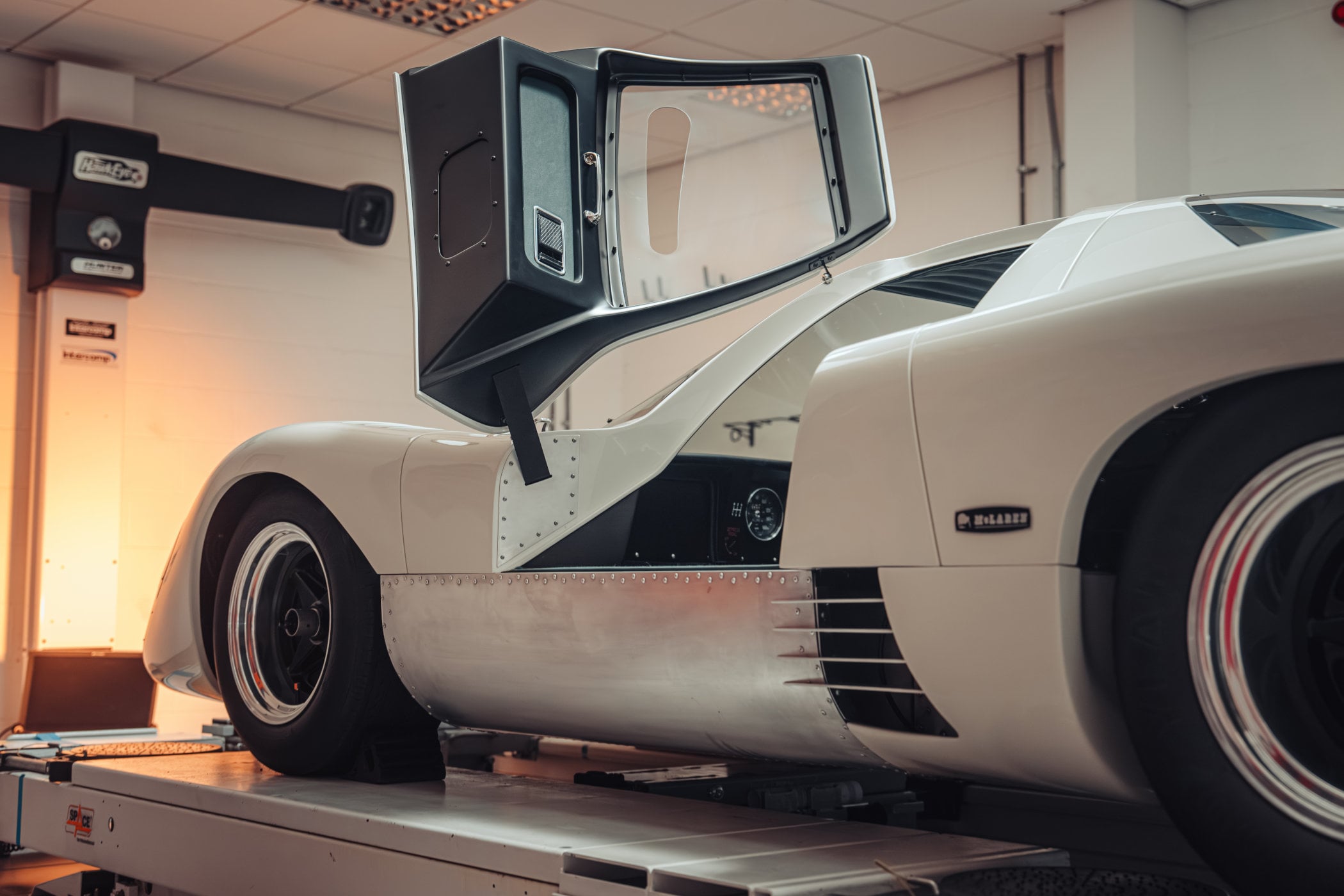
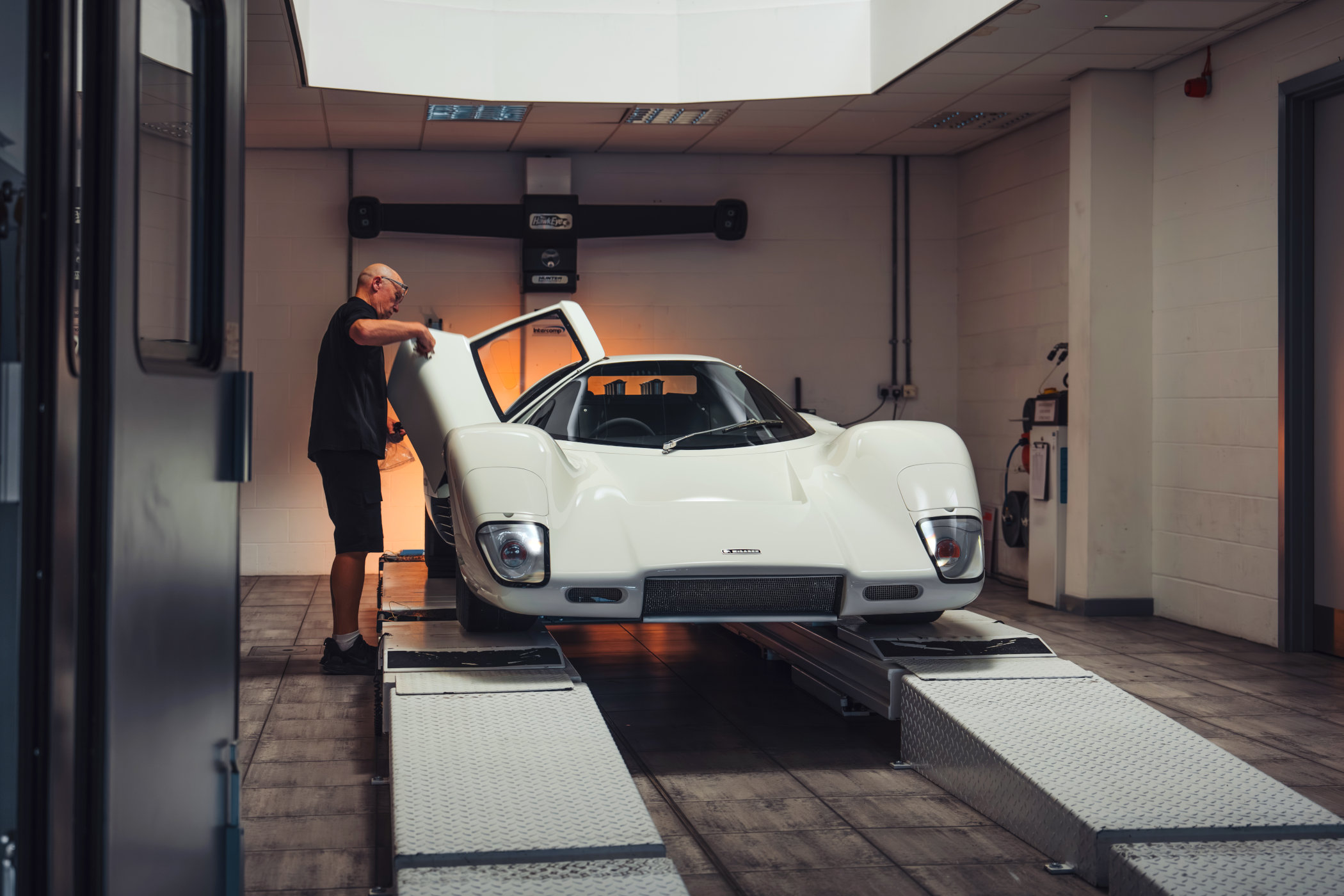
McLaren Special Operations approached the M6 GT as a full nut-and-bolt restoration rather than a cosmetic refresh.
The work used as many authentic components as possible, along with period blueprints and moulds to preserve the car’s shape and construction faithfully.
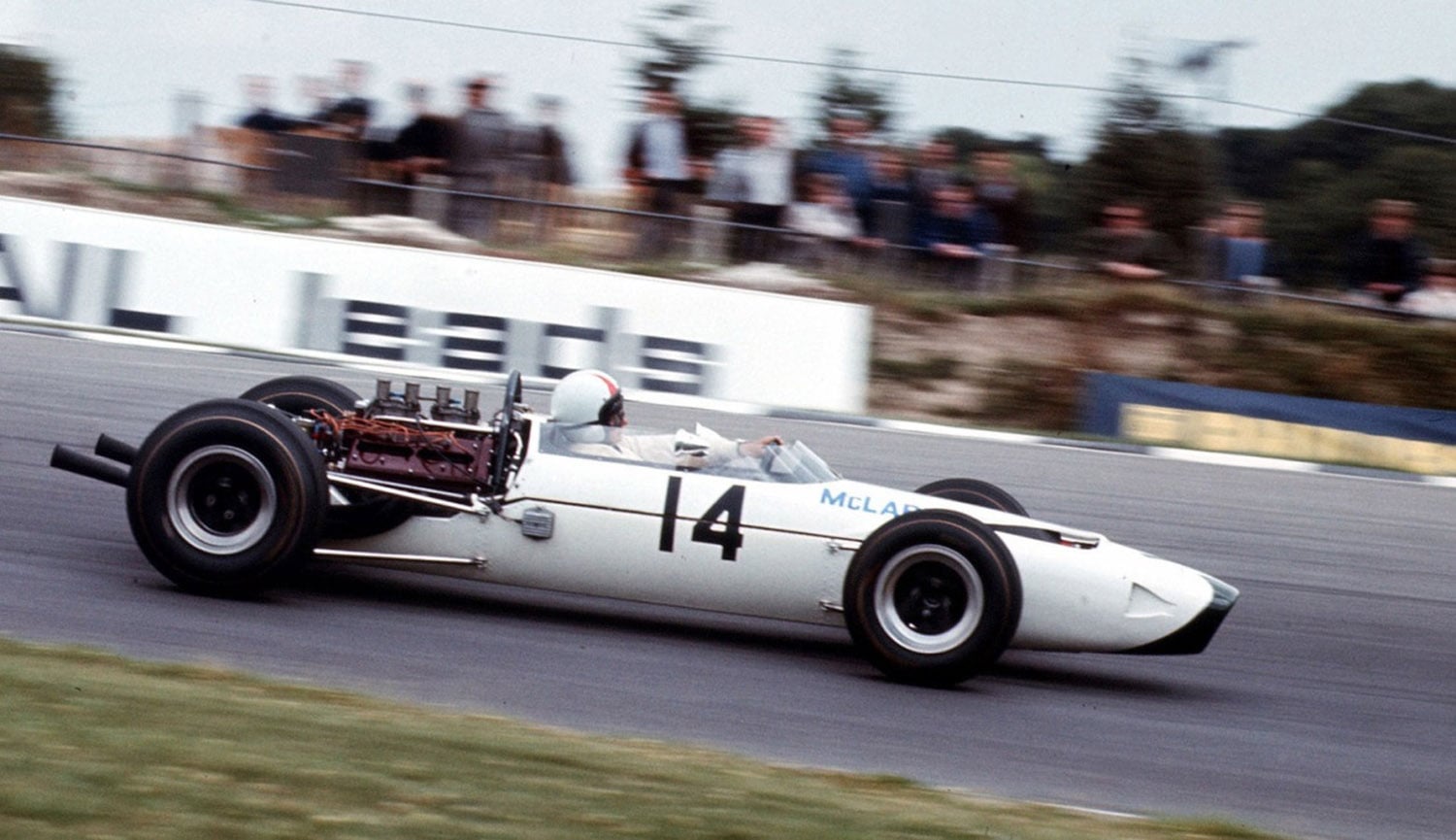
Visually, the M6 GT keeps the low, wide stance of the M6A racer but adds the defining fixed roof that made it a road-car proposal rather than a pure open-cockpit Can-Am machine.
Its performance numbers still read as serious today.
The Chevrolet 5.7-litre V8 produced 370 bhp, and with a weight of around 800 kg, the M6 GT was said to reach 100 km/h in just over four seconds and 160 km/h in eight seconds.
A claimed top speed of 290 km/h would have made it extraordinary for its era, had it reached series production.
One of the three prototypes was registered for road use and driven regularly by Bruce McLaren himself, which gives the car a significance beyond its rarity.
It was not merely an experiment in the workshop, but a working expression of where he believed McLaren could go beyond racing.
Details & Specifications
| Brand | McLaren |
|---|---|
| Restoration division | McLaren Special Operations |
| Model | M6 GT |
| Type | Road-legal sports car prototype |
| Racing link | Derived from the McLaren M6A Can-Am racer |
| Prototypes built | Three |
| Engine | Chevrolet 5.7-litre V8 |
| Power | 370 bhp |
| Weight | Approximately 800 kg |
| 0–100 km/h | Just over 4 seconds |
| 0–160 km/h | 8 seconds |
| Top speed | 290 km/h |
| Restoration | Nut-and-bolt restoration using as many authentic parts as possible, plus period blueprints and moulds |
The restored M6 GT is a reminder that McLaren’s road-car story didn’t begin with a boardroom strategy in the 1990s, but with its founder imagining how a race-bred machine might feel on the road.
For collectors and marque enthusiasts, that makes this restoration more than a preservation exercise; it reconnects the modern company with one of Bruce McLaren’s most personal unfinished ideas.