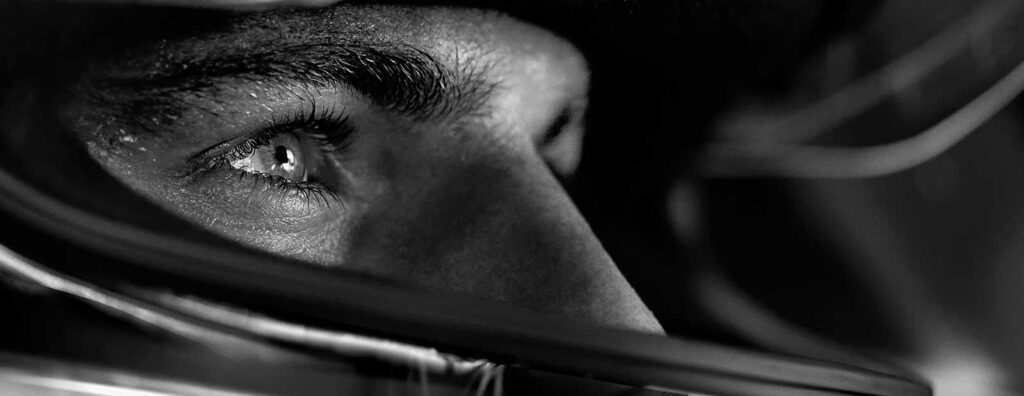
Max Verstappen doesn’t waste motion, whether he’s attacking a lap or answering a question.
That economy is part of what makes him such a compelling figure in modern Formula 1, and it also makes his connection with the TAG Heuer Monaco feel unusually apt.
Here is a driver shaped by fractions of a second, long relationships and a stubbornly clear idea of what matters once the helmet comes off.
At a glance
- Max Verstappen reflects on a career that has taken him from childhood karting to four Formula 1 world championships.
- His story is defined by precision, loyalty to Red Bull Racing and a directness that mirrors his approach on track.
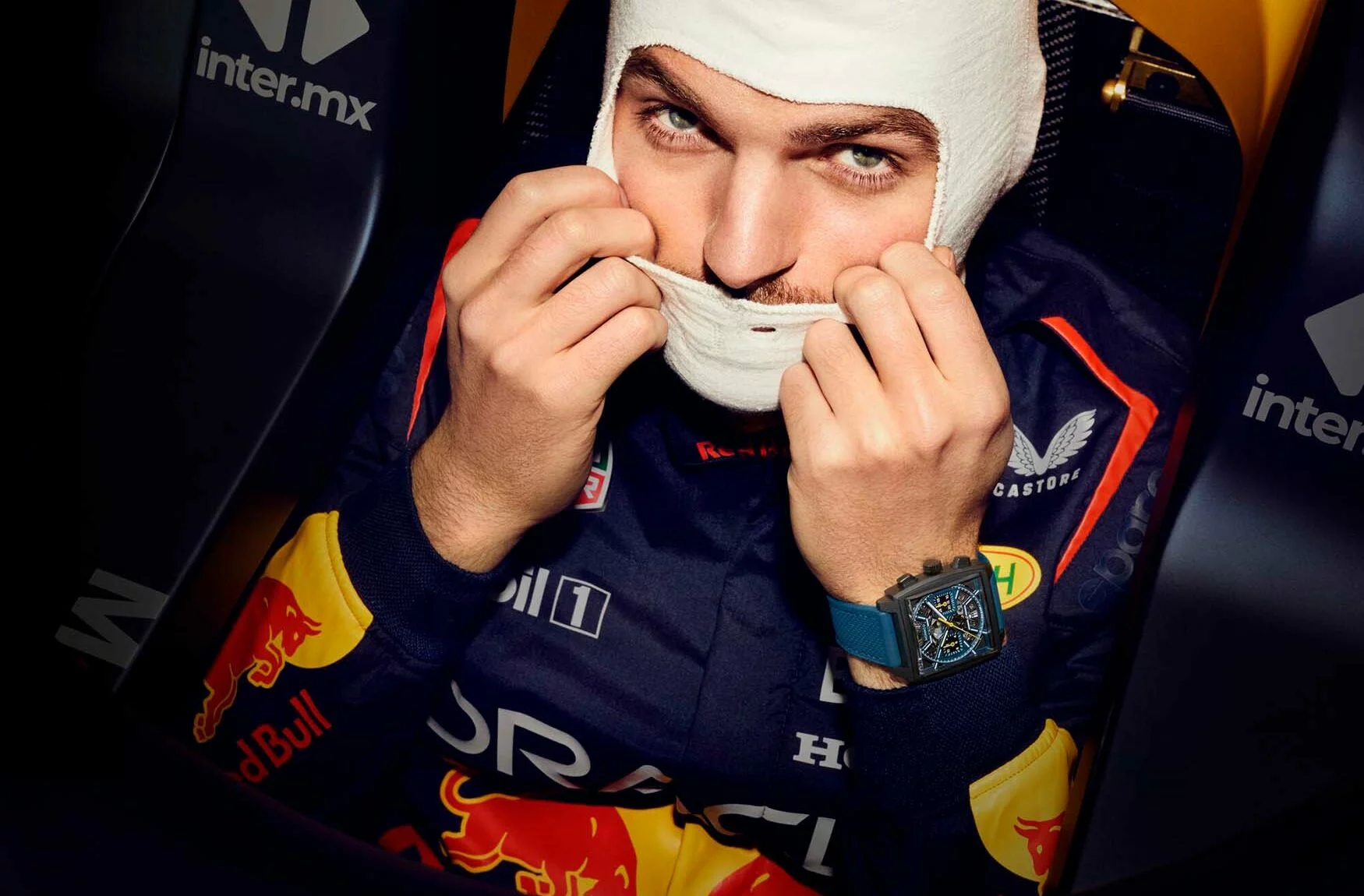
- The TAG Heuer Monaco sits naturally within the motorsport context, linking Verstappen’s present with one of racing culture’s most recognisable watch names.
A champion built by early hours and small margins
Verstappen’s racing life began almost before most children have settled into school routines.
He was driving at four, winning the Belgian Championship in the Mini karting category at seven, and competing in the FIA Formula 3 European Championship by 16.
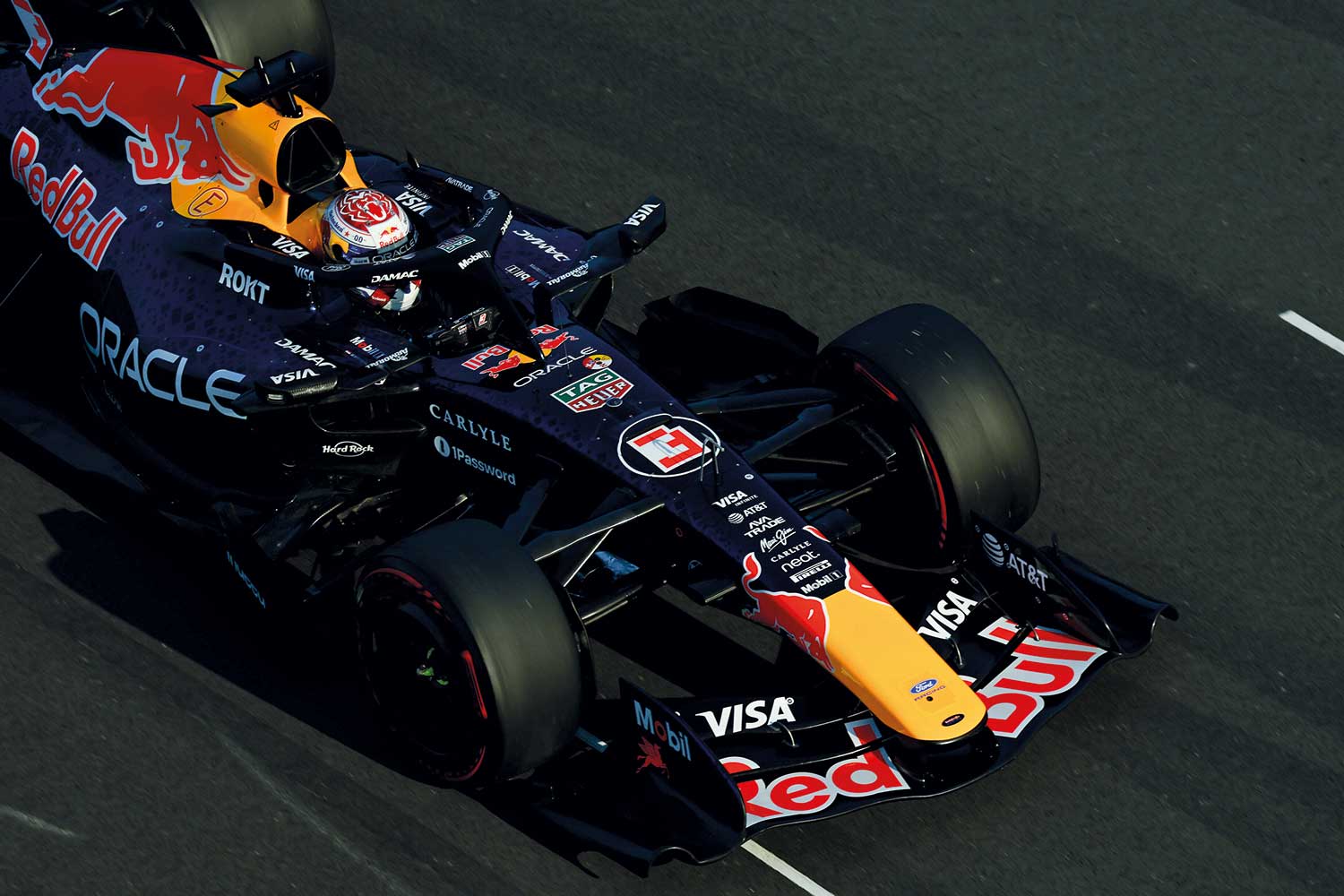
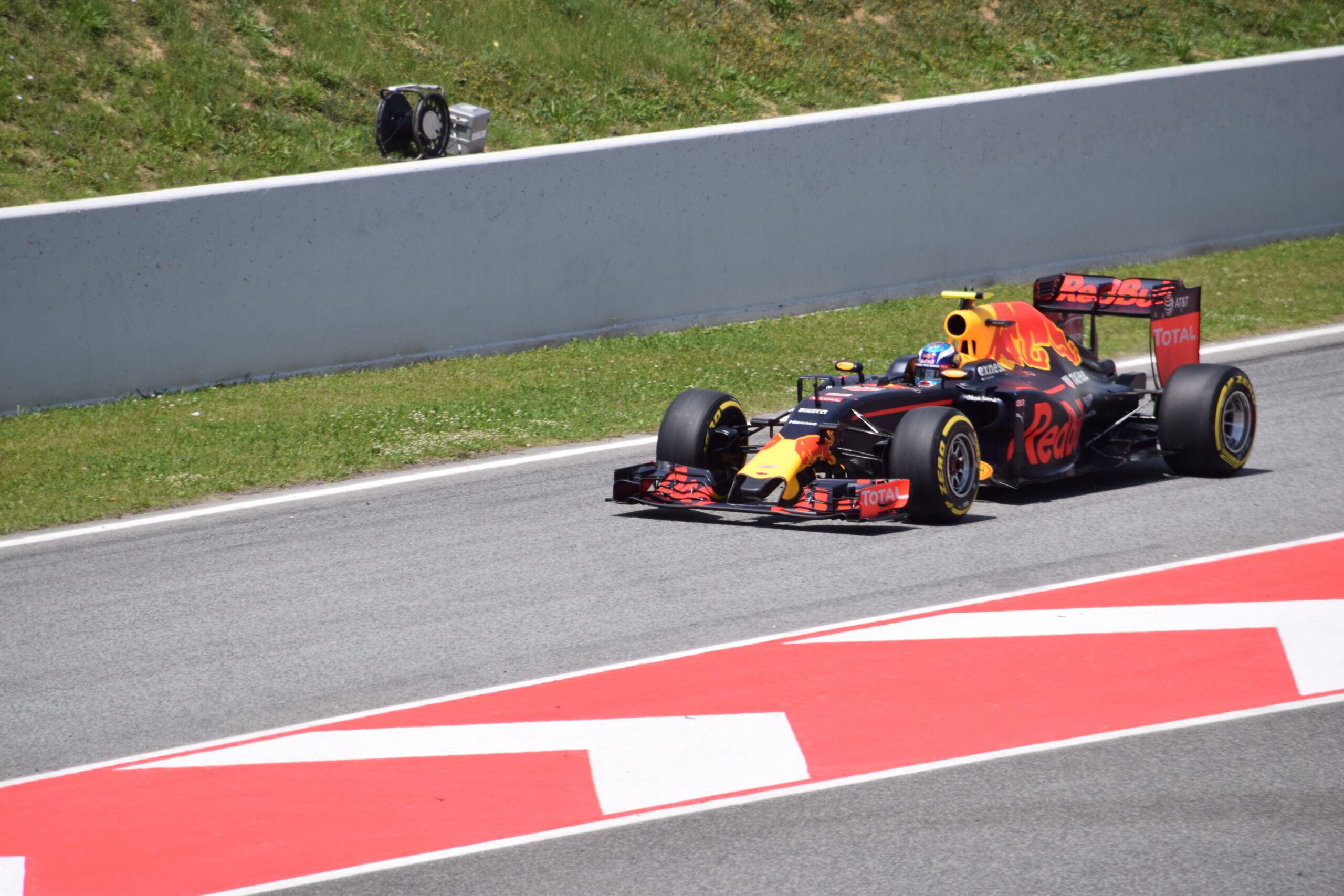
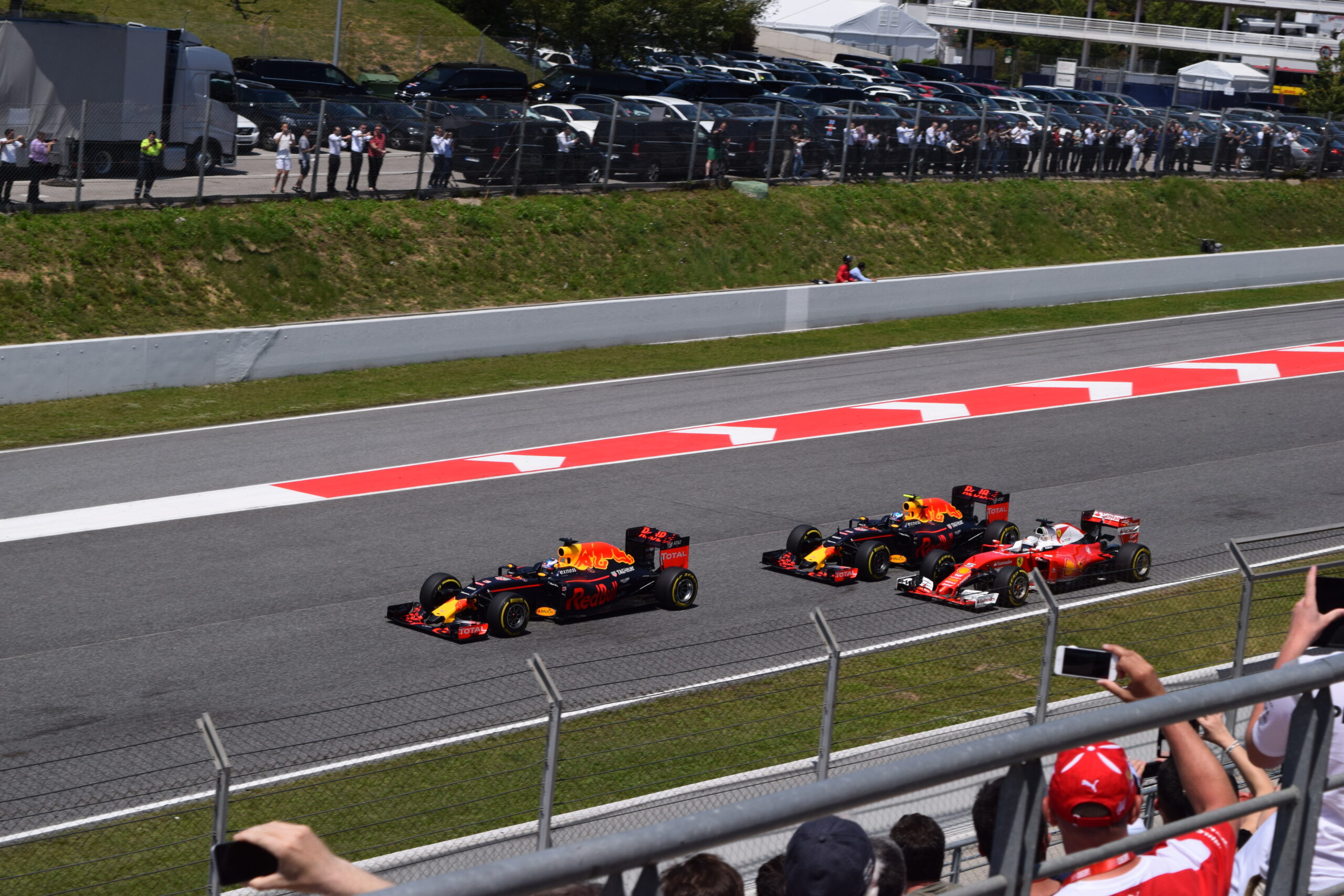
Formula 1 arrived quickly, but the defining moment came in 2016 at the Spanish Grand Prix in Barcelona.
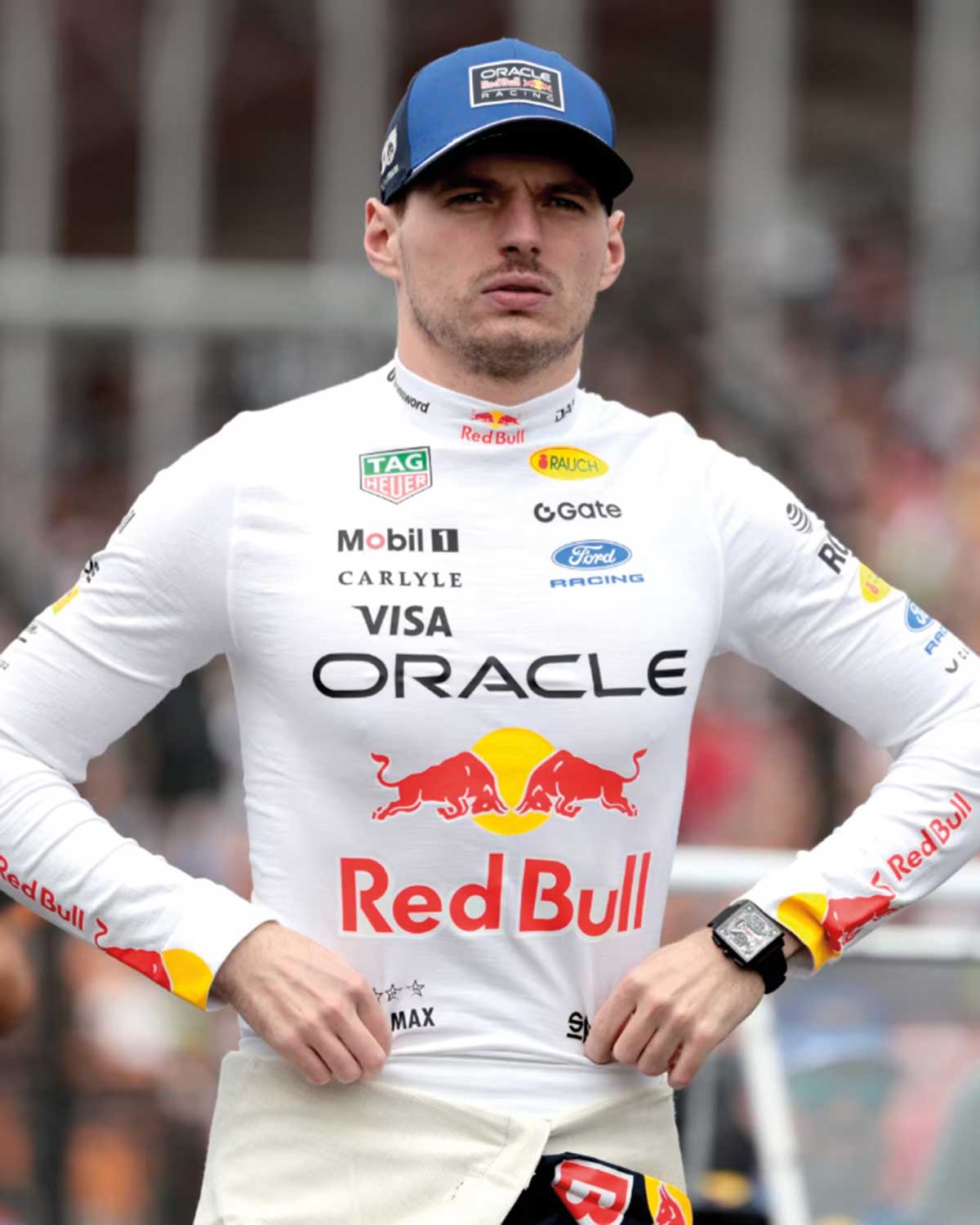
On his first weekend with Red Bull Racing after moving up from Toro Rosso, Verstappen won by 0.616 seconds and became the youngest Grand Prix winner in Formula 1 history at 18.
It was a result that instantly changed the scale of his career, but Verstappen speaks about ambition in simpler terms.
“My dream was always to race in Formula 1 and be on the podium, win races, win championships,” he says. “And having won four, of course, it’s been way better than I ever imagined it to be.”
The comment is typical Verstappen, direct and stripped of theatricality.
He doesn’t make the achievement sound small, but he doesn’t decorate it either.
The Red Bull bond and the people behind the lap time
For a driver often described through aggression, speed and control, Verstappen’s sense of loyalty is one of the more revealing parts of his character.
Racing has never been an isolated pursuit for him.
His father, Jos Verstappen, raced in Formula 1, while his mother, Sophie Kumpen, was a Belgian kart racer, so the sport was part of family life from the beginning.
“I have always enjoyed racing, and my friends all went go-karting,” Verstappen says. “For me, that was basically perfect.”
That early mix of competition and closeness still appears to shape how he talks about Red Bull Racing.
By 2026, Verstappen will be starting his 12th season with the team, a rare span in a sport known for short memories and ruthless recalibration.
“Being in the team with Red Bull is like being with my second family,” he says. “It’s been a long time, and I’ve really enjoyed it a lot.”
That kind of continuity matters in Formula 1 because the driver is only the most visible part of a much larger system.
Mechanics, engineers and long-serving team members become part of the rhythm, and Verstappen’s trust in that circle is central to the way he operates.
The Monaco connection feels more than decorative
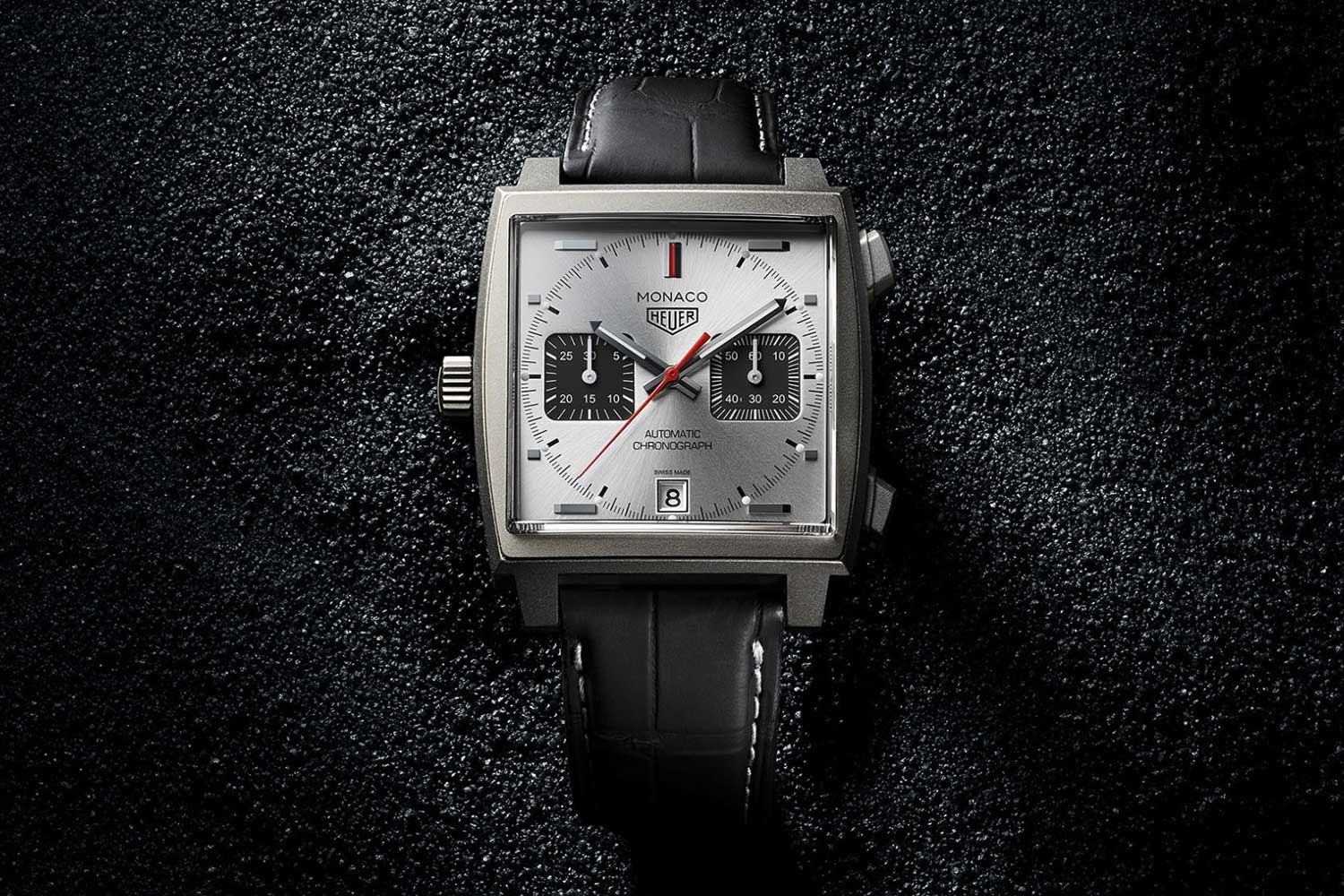
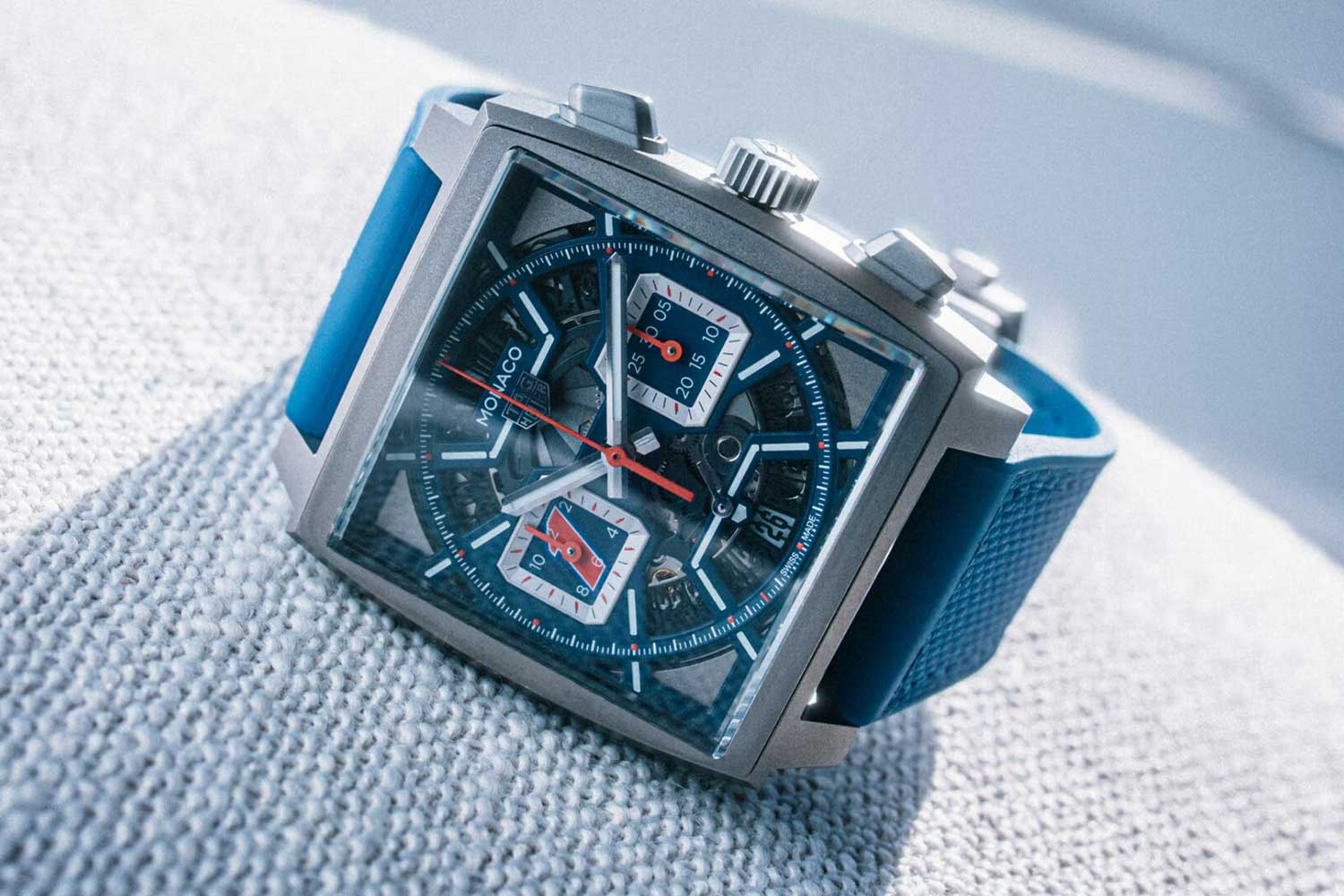
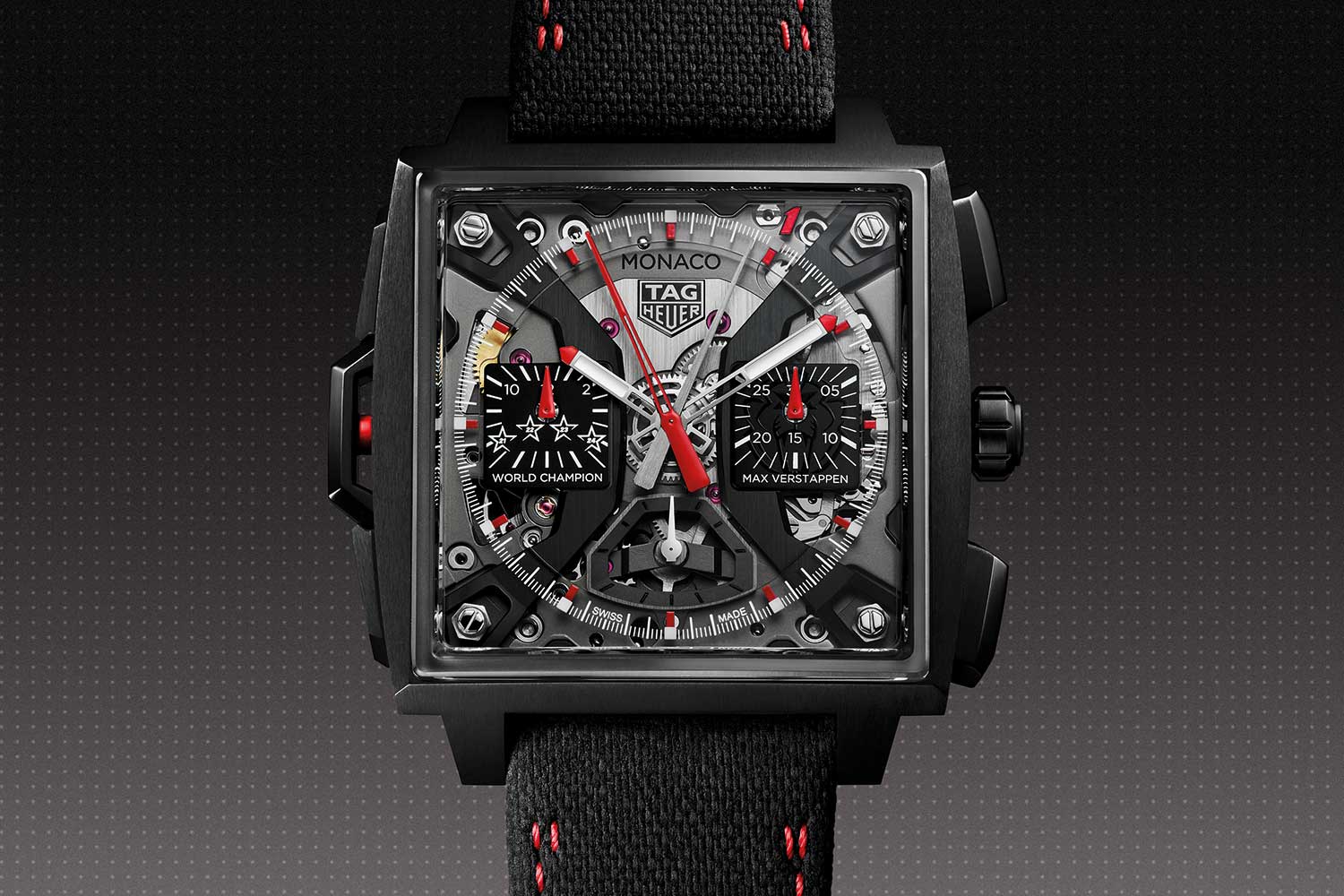
The TAG Heuer Monaco has always carried a particular charge in motorsport culture, and around Verstappen it doesn’t need much explanation.
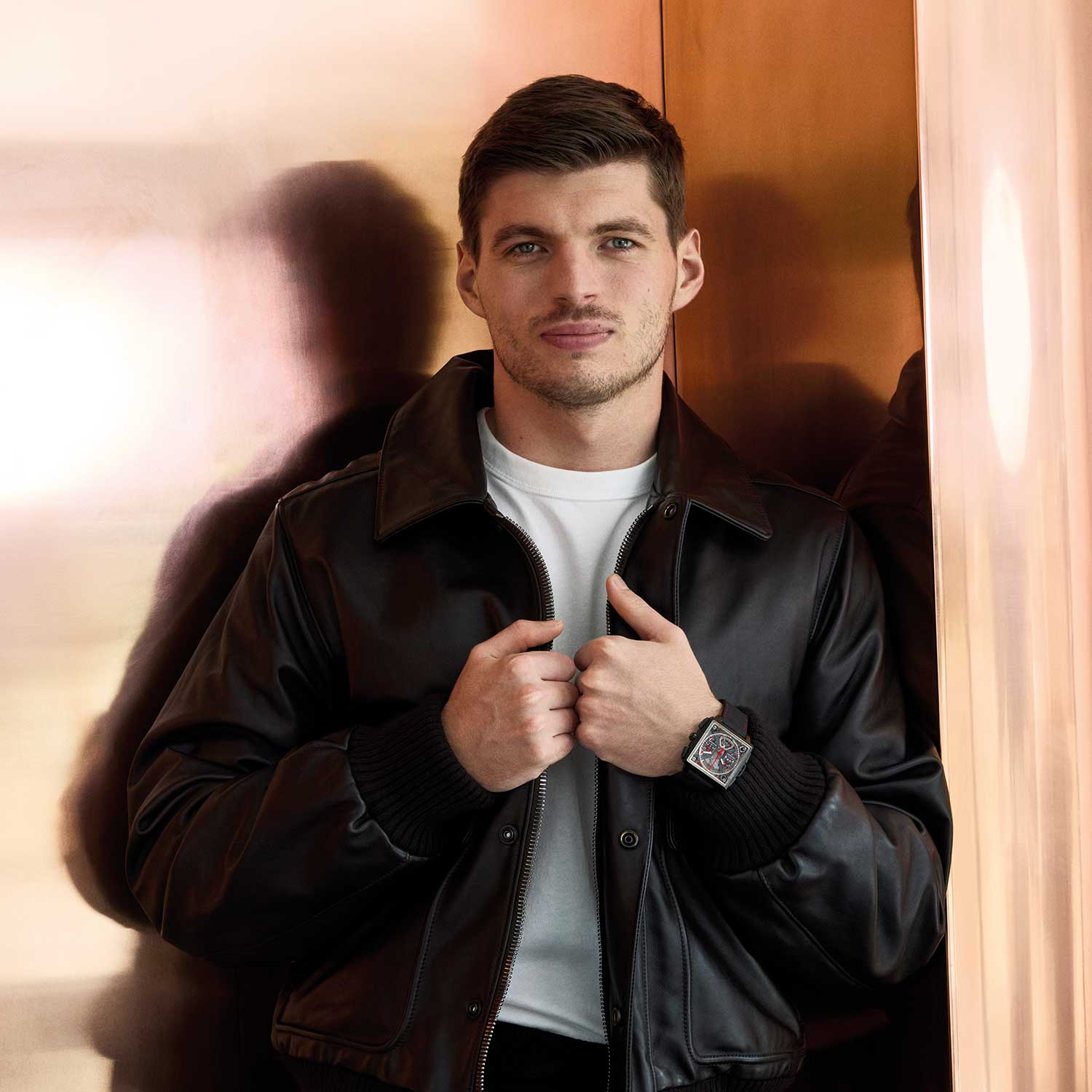
Its relevance is not about dressing up a driver with a famous watch name.
It’s about the shared language of timing, pressure and nerve, the things that define Formula 1 long before the trophies are lifted.
Verstappen’s appeal is not built on charm in the traditional promotional sense.
He is precise, unsentimental and often blunt, which makes him a strong counterpoint to the over-polished side of luxury sport partnerships.
The Monaco works in that frame because it belongs to a world where racing history and mechanical timing are never far apart.
It also suits the harder edge of Verstappen’s public persona, the driver who has spent much of his life reducing uncertainty to tenths and hundredths.
Setbacks, fatherhood and life beyond the grid
Verstappen’s record can make his rise look inevitable, but he doesn’t present it that way.
“It’s important to make mistakes and learn from them,” he says. “Things don’t always go well without any setbacks; that’s not how it works on the track. It’s never a straight line.”
One painful memory comes from Bahrain in 2013, after he had dominated the karting season with three major CIK-FIA titles.
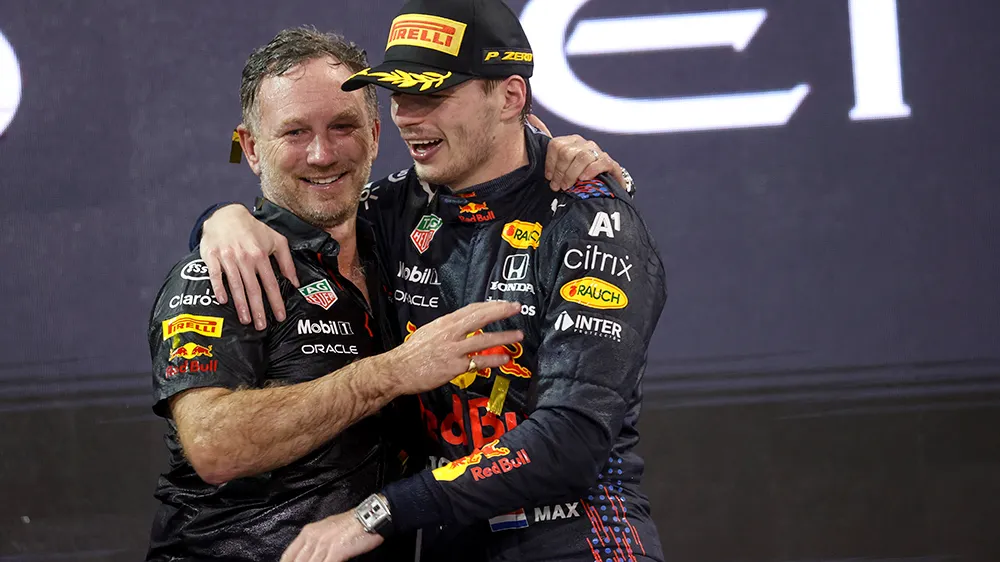
In the final race of the CIK-FIA KF World Championship, a collision with Nicklas Nelsen changed the outcome, and Verstappen dropped from first to third overall.
“Missing out on a world championship that was pretty much guaranteed… that was very painful at the time,” he says.
The 2018 Formula 1 season brought another test, with crashes and collisions marking a difficult opening stretch from Melbourne to Monaco.
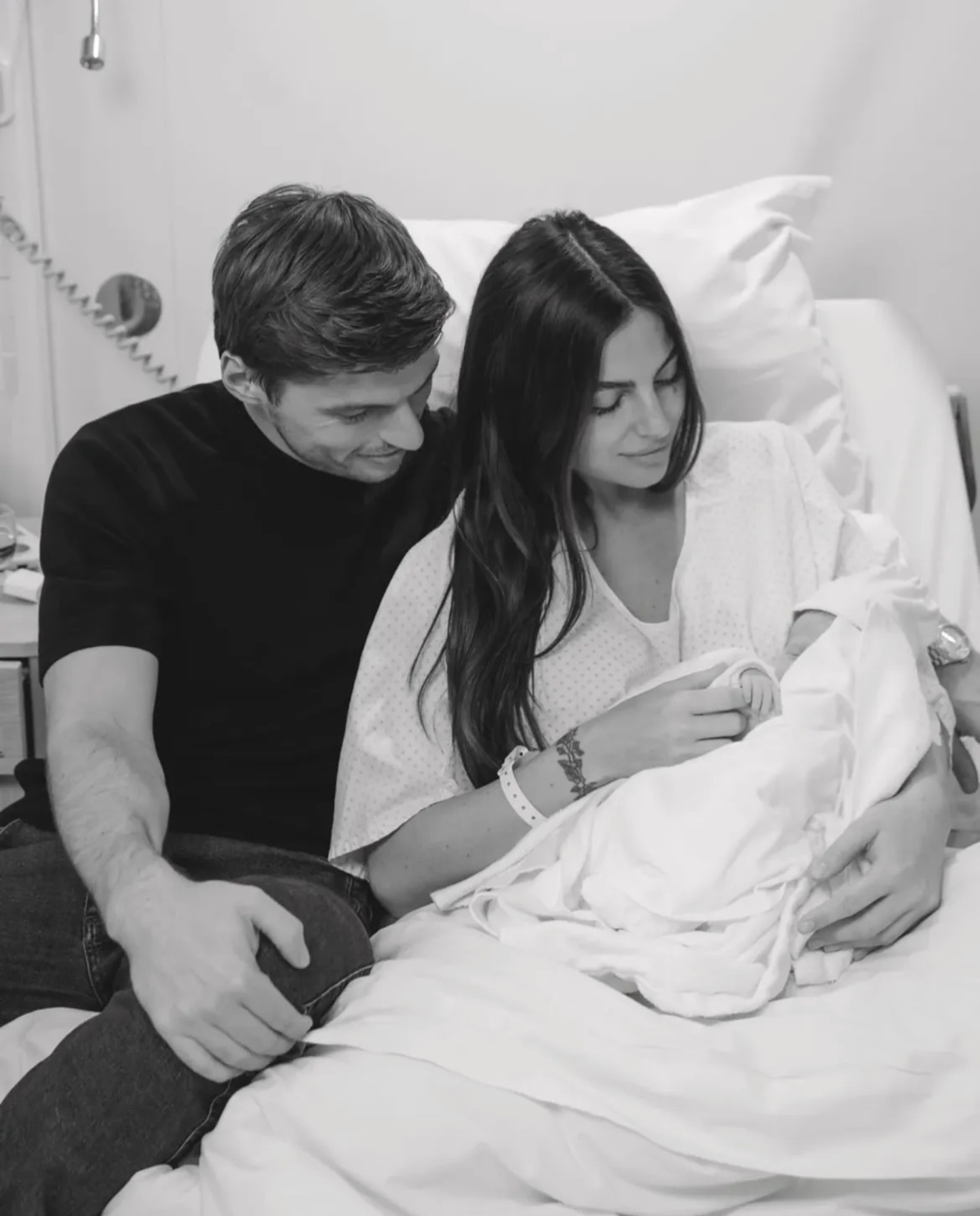
“The 2018 season just didn’t really go to plan at the start,” Verstappen says. “I was very disappointed with that.”
He ended that year with five consecutive podiums, a turnaround that now reads less like a correction and more like a preview of the steelier Verstappen who followed.
Off track, fatherhood has added a different measure of time.
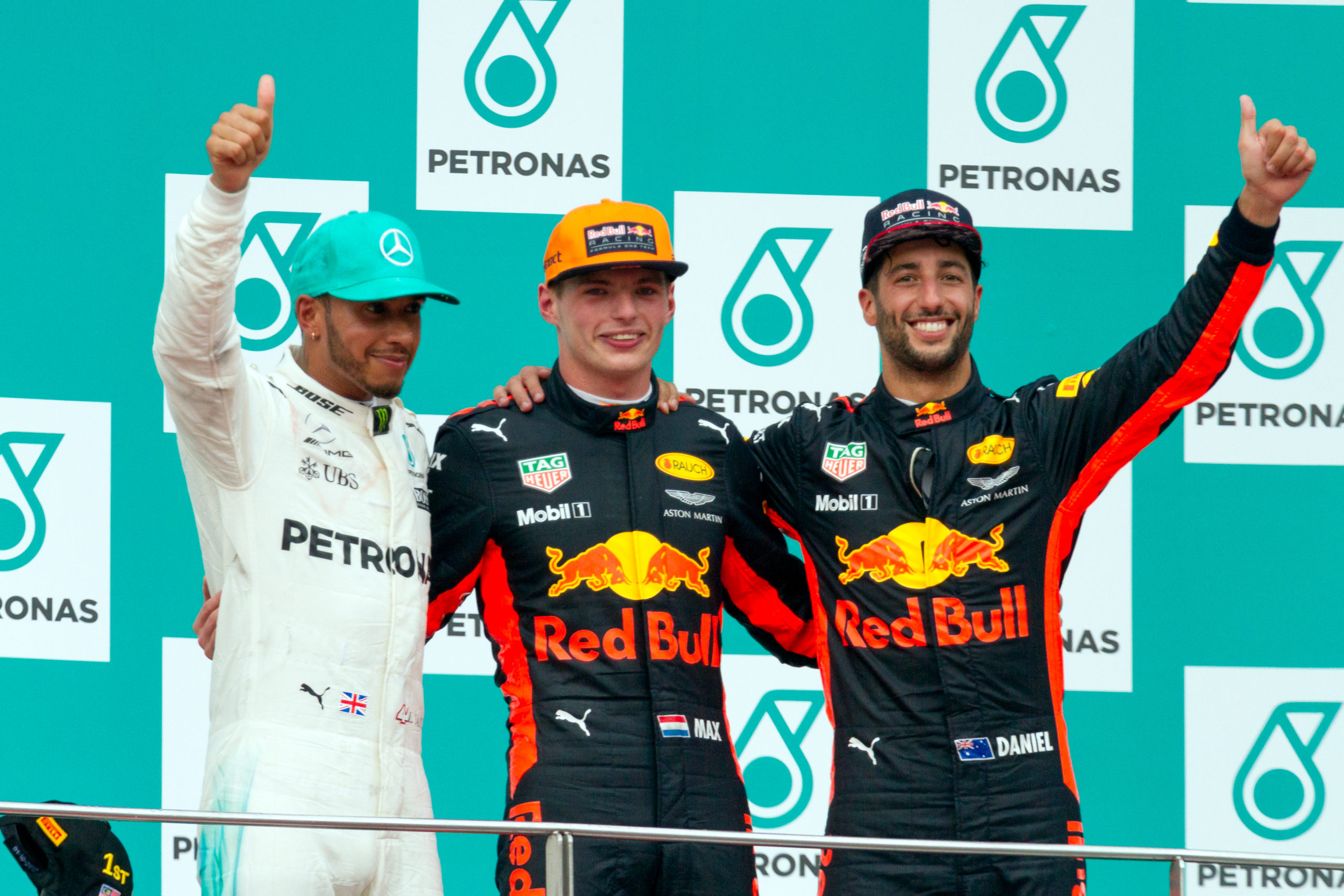
With partner Kelly Piquet, Verstappen became a father last year, and he describes the change with the same plainness he brings to racing.
“Having a baby and the patience that comes with it — yeah, that has been the biggest achievement on a personal level,” he says.
He still loves racing, but home now pulls harder than before.
Asked whether his daughter might one day follow him into the sport, his answer comes quickly.
“I hope not!” he says, before softening the thought. “At the end of the day, she has to do what she loves.”
That response may be the most revealing detail of all.
For a driver whose life has been measured in lap times, Verstappen’s clearest priority is no longer only what happens at racing speed, but what lasts when the timing screens go dark.