Luxury property has always followed wealth, but wealth is becoming more mobile, more privacy-conscious and less attached to the same handful of legacy addresses.
That shift is giving new weight to destinations that combine climate, space, service and discretion without relying solely on old-market prestige.
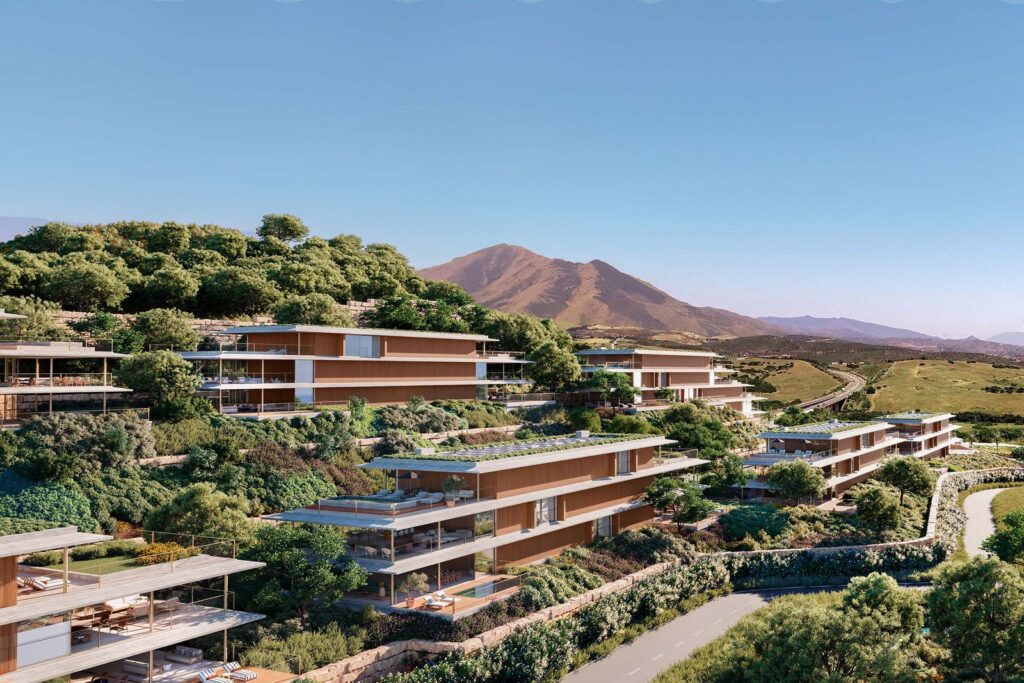
On Spain’s Costa del Sol, Caledonian’s €200 million St. Regis Residences project in Casares offers a clear view of how the prime market is being reframed around lifestyle as much as location.
At a glance
- Caledonian has commissioned research into how global mobility, lifestyle priorities and privacy are reshaping international luxury property.
- The focus includes The St. Regis Residences, Casares, Costa del Sol, a €200 million residential development within the Finca Cortesin estate.
- The project has attracted buyers from the US and across Europe, reflecting wider interest beyond traditional prime-property hotspots.
Mobility is changing the prime-property map
The traditional logic of luxury real estate was often built around a short list of established destinations, where status, scarcity and address recognition carried much of the value.
That model hasn’t disappeared, but it’s no longer the only force shaping buyer behaviour.
Caledonian’s research points to global mobility, lifestyle priorities and the demand for privacy as defining pressures in the international luxury property market.
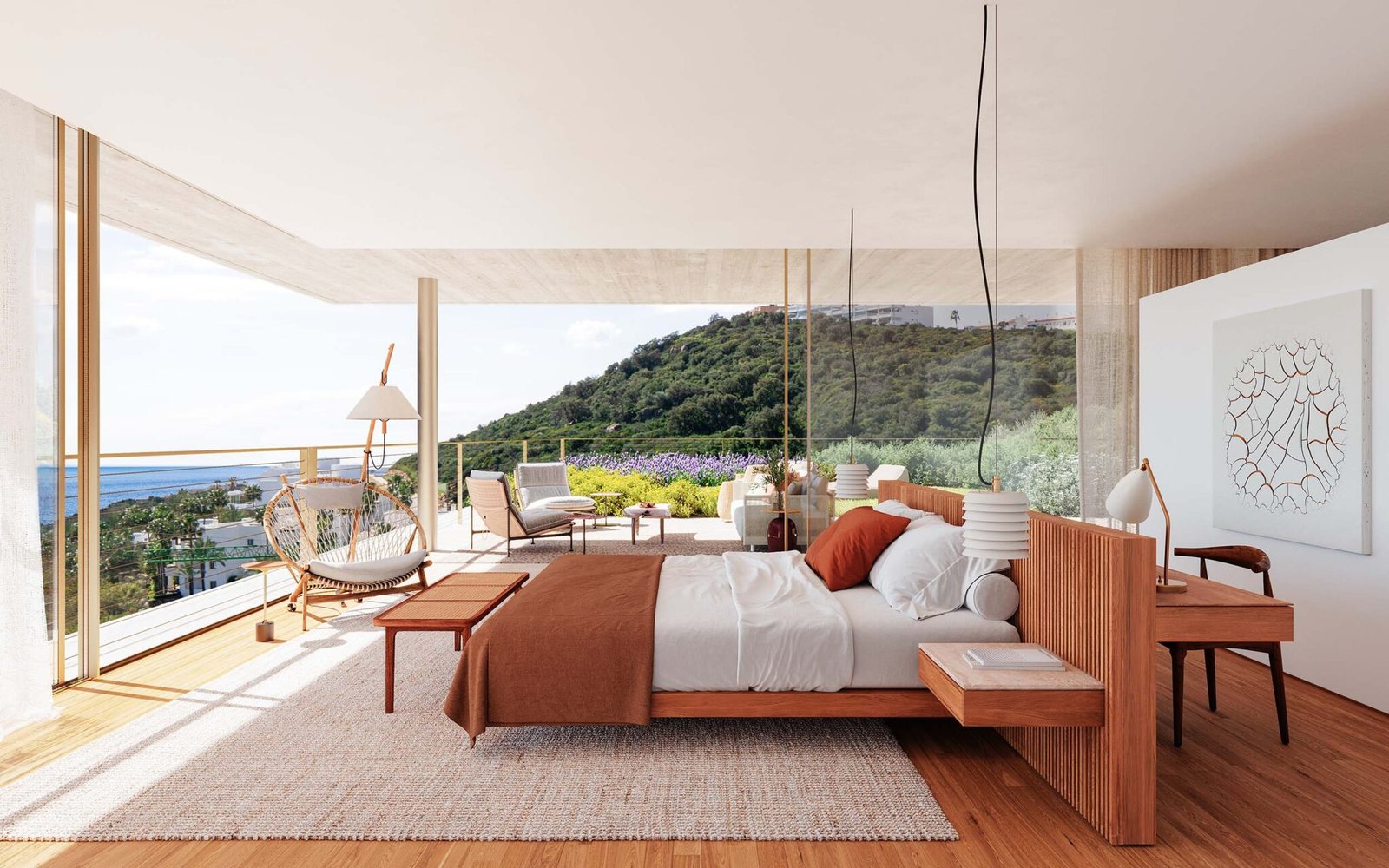
For buyers who can live and work across borders, the question is less about choosing the most familiar postcode and more about finding a setting that works as a daily base.
That means access, services, leisure infrastructure and a sense of seclusion now sit close to architecture and brand name in the decision-making process.
Why Casares is part of the conversation
The Costa del Sol has long had international appeal, but the Casares project shows how the region is being positioned for a more service-led, residential form of luxury.
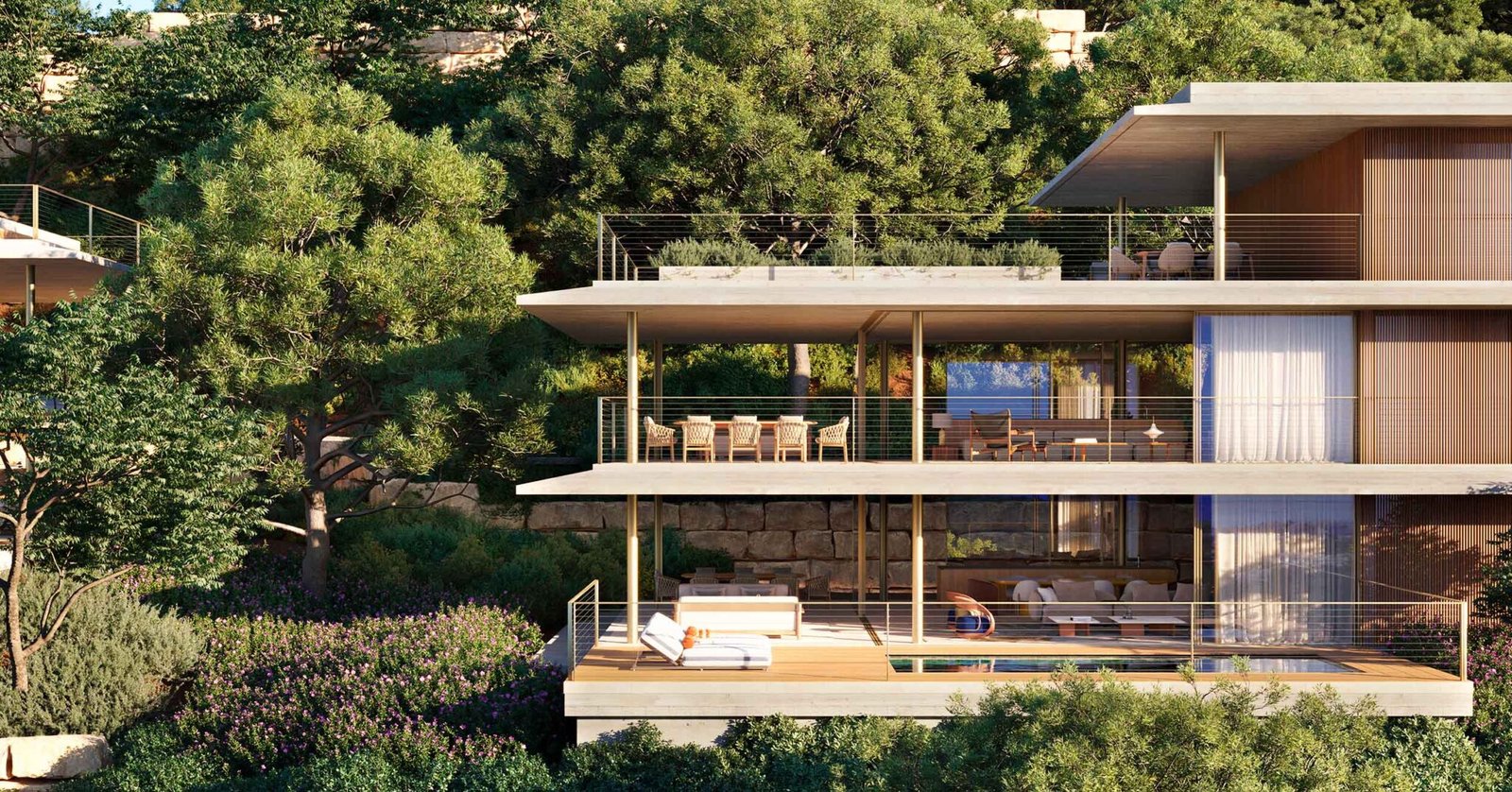
The St. Regis Residences, Casares, Costa del Sol is being developed by Caledonian within the Finca Cortesin estate, with the project valued at €200 million.
Caledonian says the residences are being designed for highly refined tastes, with a curated collection of amenities intended to support comfort, convenience and elegance.
The setting is central to the proposition.
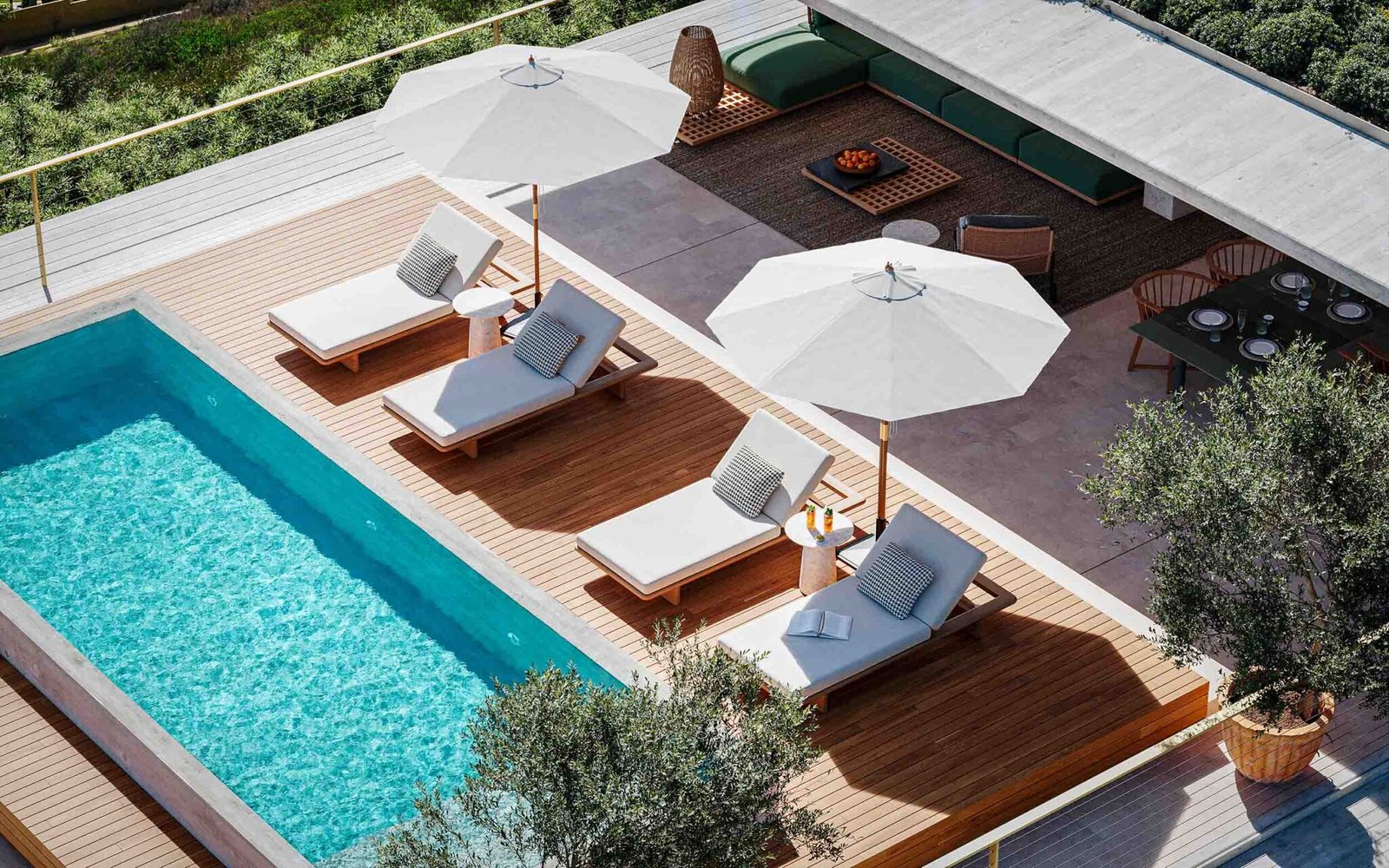
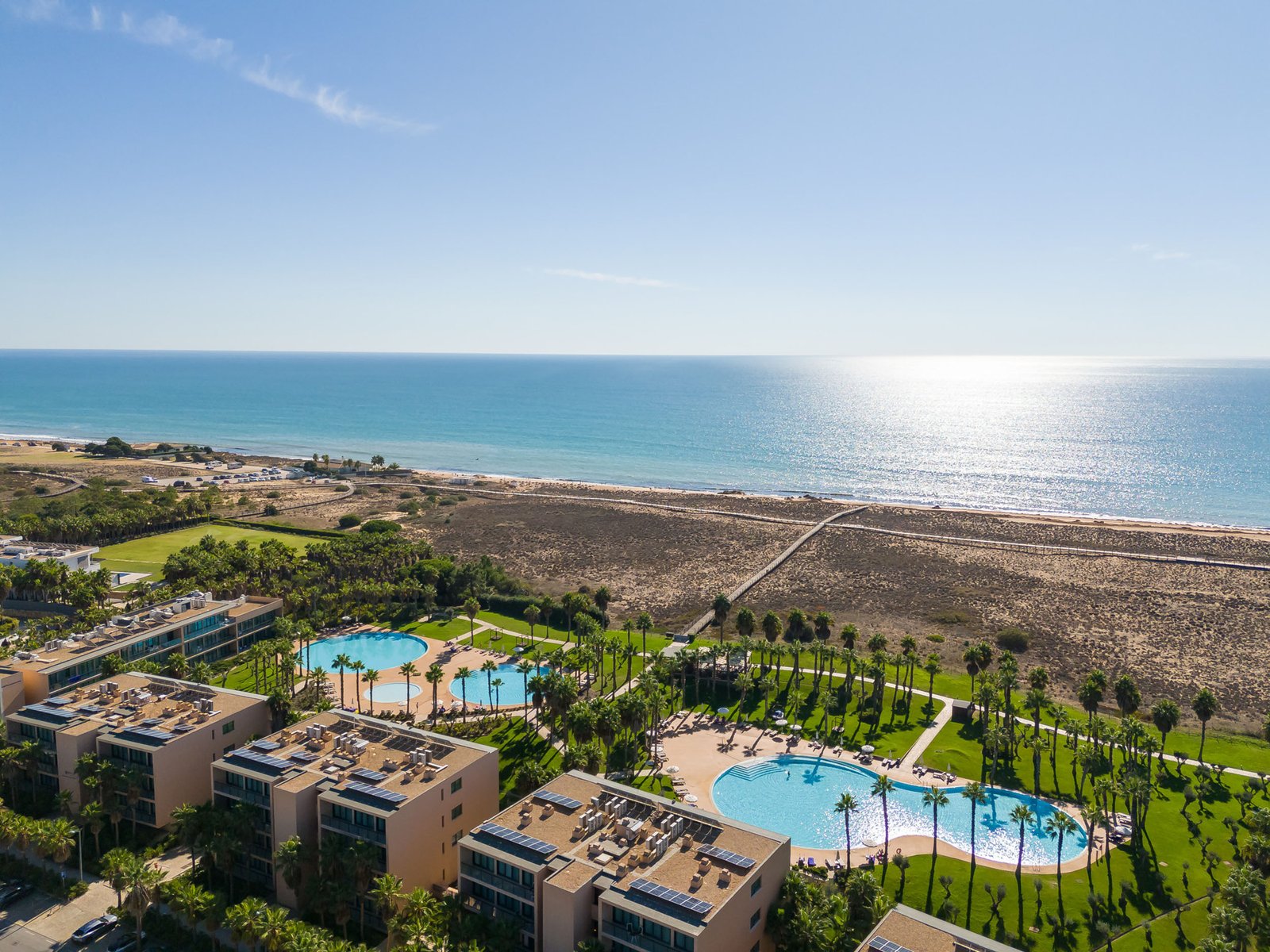
Residents are placed close to Finca Cortesin’s world championship golf course, beach and tennis clubs, and six restaurants with award-winning cuisine.
That combination speaks to a buyer who wants more than a seasonal address, especially one weighing privacy and leisure infrastructure alongside the reputation of the destination.
The pull of branded residential living
The involvement of St. Regis also places the development within the wider rise of branded residences, where hospitality standards and residential ownership meet.
For international buyers, that model can offer a more familiar framework than purchasing a standalone home in an overseas market.
It also reflects a practical shift in what luxury buyers are asking of property.
The home is expected to deliver privacy, but not isolation; service, but not formality; resort access, but with the feel of a residence rather than a hotel stay.
At Finca Cortesin, the appeal rests on that blend of estate setting, leisure access and managed comfort.
Caledonian’s role in the Spanish luxury market
Caledonian is a Spanish luxury real estate developer founded by Enrique López Granados, with more than 25 years of experience in residential construction and development.
Enrique López Sastre joined the company in 2023 and is now its Director of Sales and Marketing.
The Casares development gives the company a high-profile position in a market where international demand is increasingly shaped by mobility and personal lifestyle preferences.
The fact that the project has drawn buyers from the US and across Europe is notable because it suggests the Costa del Sol is competing not simply as a holiday market, but as part of a broader global prime-property circuit.
For buyers looking beyond traditional hotspots, the attraction is clear enough.
A luxury address now has to do more than signal prestige; it has to support the way its owner wants to live.