Łódź is one of Poland’s most persuasive examples of urban regeneration, a former textile powerhouse that has turned mills, palaces, power plants and workers’ districts into places to linger.
The city is now recognised as part of the UNESCO Creative Cities network and as a UNESCO City of Film, but its appeal lies in how visible the transformation feels at street level.
Freedom Square shows the softer side of the new Łódź
Plac Wolności, or Freedom Square, is a useful place to understand the city’s shift in mood.
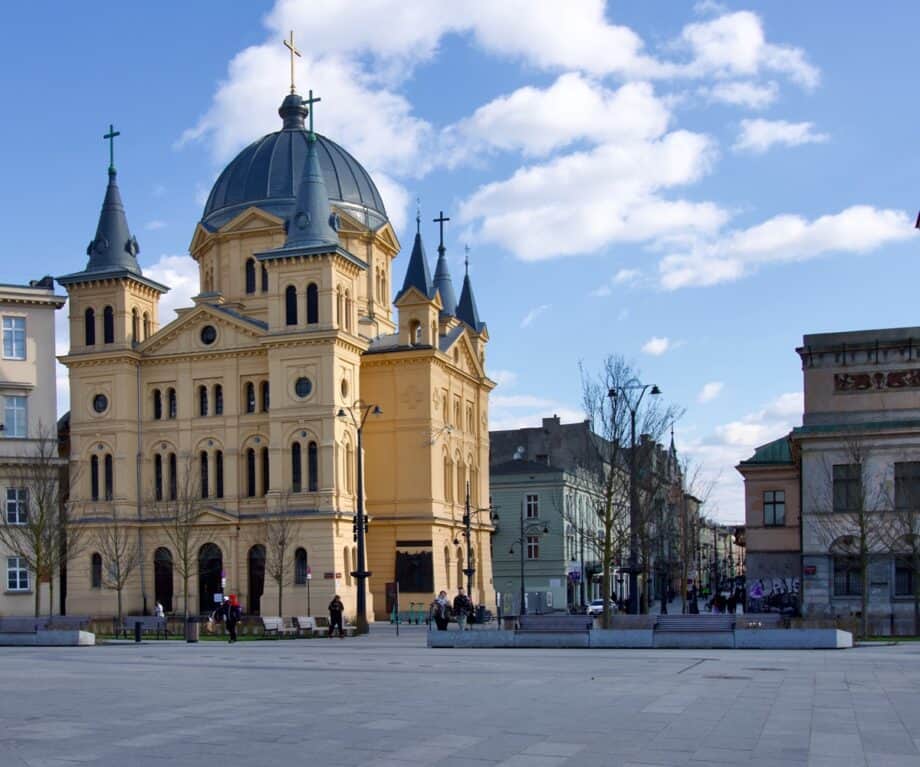
Laid out as an octagonal market square in 1823 and later absorbed into the tram traffic of a booming industrial city, it has been reshaped as a calmer public space with trees, a fountain, benches and a children’s play area.
The square is framed by historic buildings including the Old Town Hall, Holy Trinity Catholic Church, the Museum of Archaeology and Ethnography, the Museum of Pharmacy and the entrance to the Sewer Museum.
It’s not a grandstanding makeover, but that’s what makes it work.
Piotrkowska Street keeps the textile kings in the picture
Piotrkowska Street remains the city’s great spine, and during the textile boom it was the address every ambitious industrialist wanted for a residence, office or statement of power.
Today, that history is folded into the street through public art, museums and the Gallery of Great Łódźians, a series of sculptural installations that includes The Manufacturers’ Table with Izrael Poznański, Karol Scheibler and Henryk Grohman.
Poznański Palace on Ogrodowa is one of the clearest reminders of that gilded period, with richly decorated rooms and an eclectic architectural style that suits the ambition of its owner.
The building also houses the Museum of Łódź, while the neighbouring Poznański industrial complex has been reborn as Manufaktura, a major shopping, culture and entertainment district.
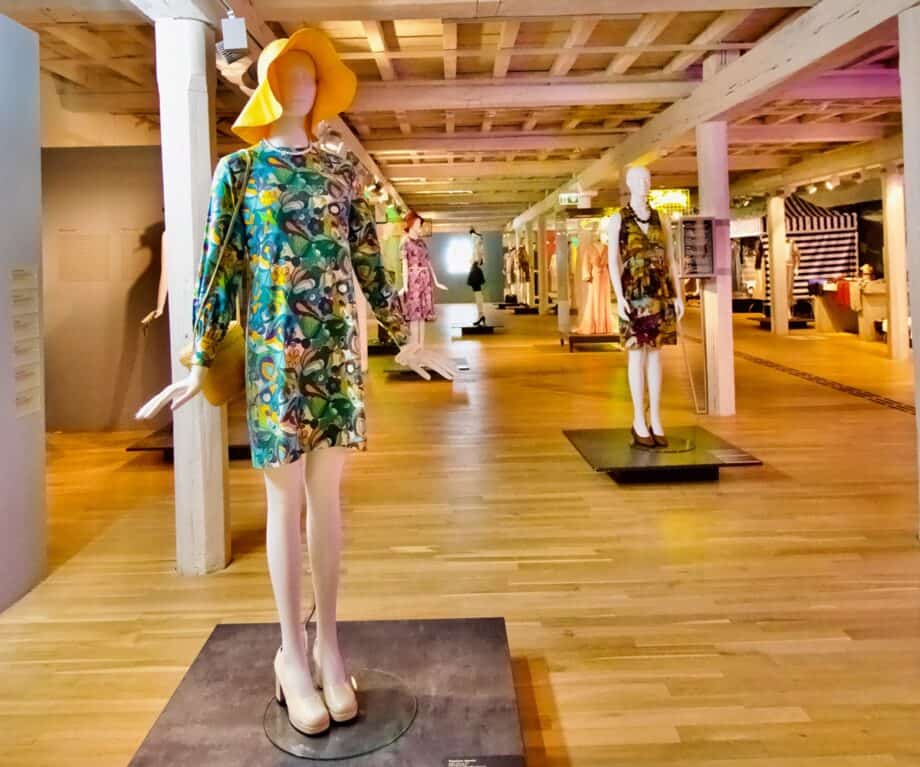
Above the main retail area, a small Textile Museum adds valuable context with exhibits including an operational Poznański weaving machine.
Factory districts have become living heritage
The Herbst Palace Museum, set in a neo-Renaissance mansion built by Karol Scheibler for his daughter Matylda, adds another layer to the story of Łódź’s cotton elite.
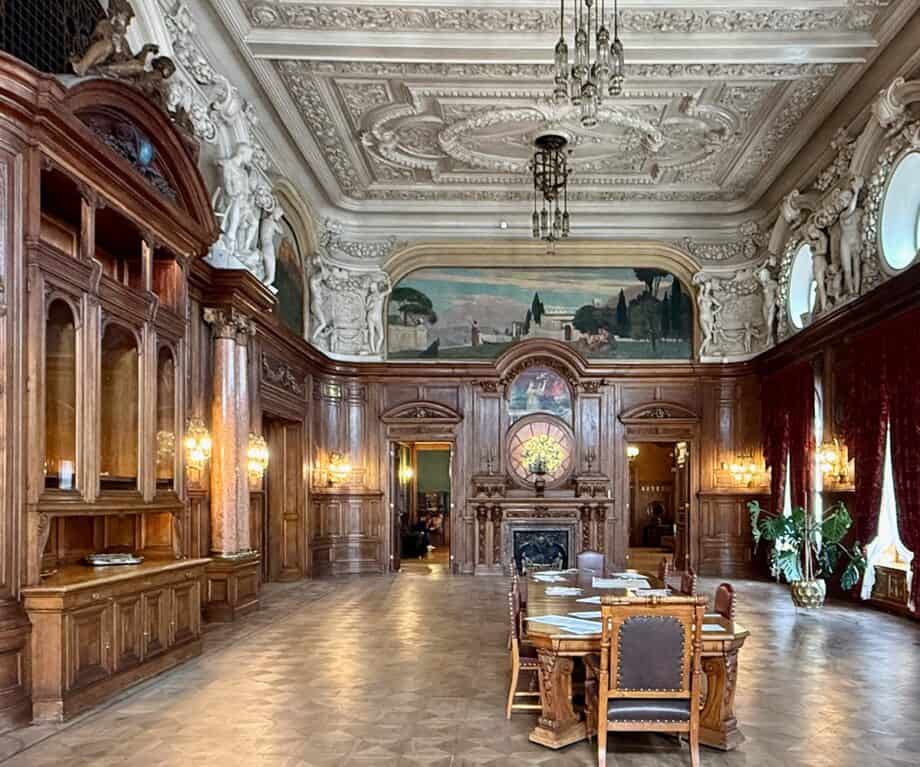
Now part of the Museum of Art in Łódź, it combines domestic grandeur with an art gallery and a direct connection to one of the city’s defining industrial families.
Nearby Księży Młyn, or Priest’s Mill, is even more impressive as a piece of urban planning.
Created by Scheibler in the nineteenth century, it functioned as a self-contained industrial settlement with a turreted cotton mill, warehouses, workers’ housing, schools, hospitals, shops, gasworks, a fire station, a factory club and even a railway siding.
Recognised as an industrial architecture monument in 1971, the district has since been modernised with former workers’ homes converted into flats, including social housing.
For a different view of Łódź’s factory history, the White Factory on Piotrkowska Street is essential.
Built by Ludwik Geyer, it was the city’s first factory with a chimney, the first to use steam engines to power looms and the only one painted white.
It now houses the Central Museum of Textiles, home to a major collection of textile art.
EC1 links power, cinema and digital culture
The former city power plant, opened in 1907 and in use into the early twenty-first century, has become one of Łódź’s most striking cultural reinventions.
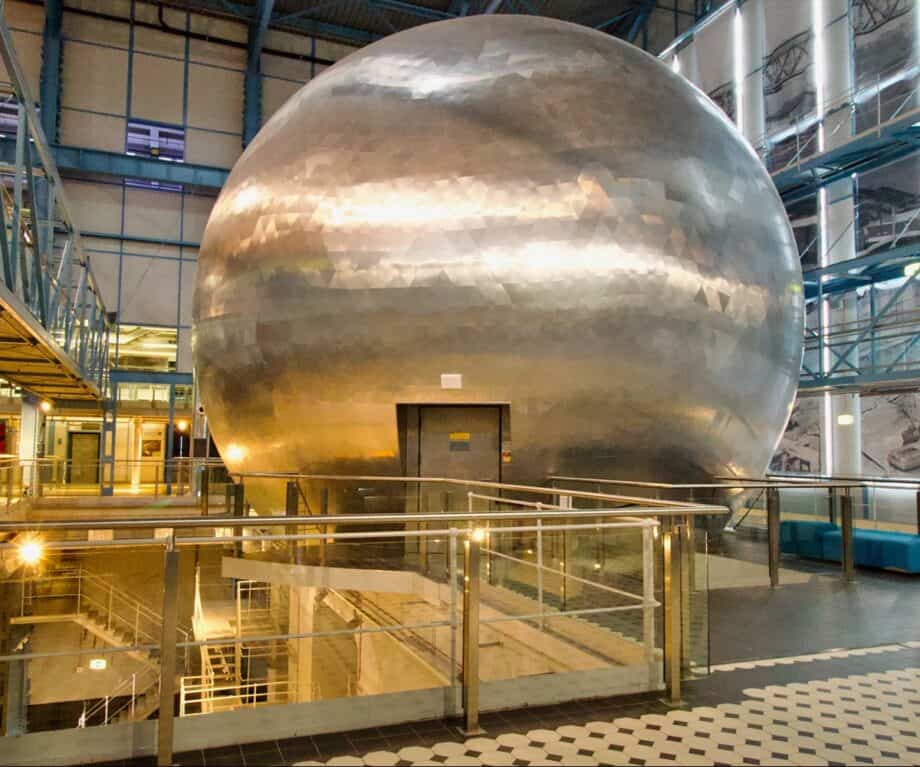
Known today as EC1, the complex includes the Centre of Science and Technology, the largest facility of its kind in Poland.
Visitors can explore the workings of a power plant, engage with interactive exhibits and visit a modern planetarium, while the fifth-floor outdoor terrace gives a broad view across the city.
The same site also includes the Centre of Comics and Interactive Narration, dedicated to comics, video games, gaming culture and virtual reality.
The National Centre of Film Culture completes the picture by telling the story of Poland’s film industry and Łódź’s central role in it.
Murals, movie memories and a half-seen unicorn
Łódź’s film identity runs deeper than a museum district.
The Film Museum occupies a nineteenth-century villa built for the cotton magnate Karol Scheibler, with exhibits displayed inside rooms that have also served as film sets.
Cinema became especially important in Łódź after the Second World War, and it had long held a place in a city where film was an accessible entertainment for textile workers.
That affection is visible on Piotrkowska Street, where the HollyŁódź Walk of Fame places around ninety plaques near the Grand Hotel in tribute to figures from the movie world.
The city’s visual confidence continues through its street art, with around 200 large-format murals across Łódź.
Notable works include the Kino Raj mural at 112 Piotrkowska Street and the Łódź mural at 152 Piotrkowska Street, where a boat appears to sail out of Freedom Square in a playful nod to the city’s name.
Just off Piotrkowska Street, Rose Passage and Birth of the Day show how the city’s courtyards have become small artistic destinations in their own right.
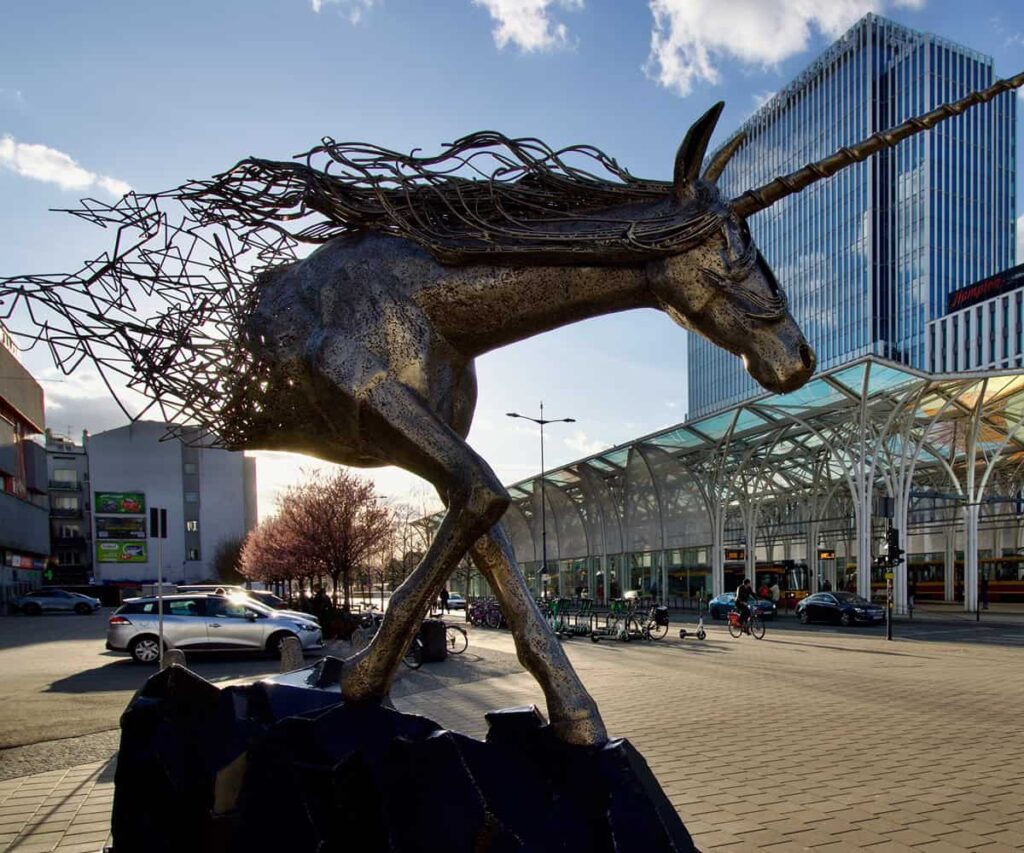
Then there is the Unicorn Monument near Piotrkowska Centrum tram station, a half-visible mythical creature by Japanese artist Tomohiro Inaba that grew from the local nickname for the station’s colourful glass canopy.
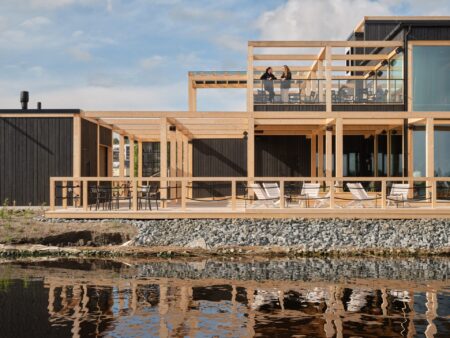
Close by, OFF Piotrkowska brings the story back to adaptive reuse, with a former cotton mill converted into offices, workshops, restaurants and outdoor gathering spaces.
It’s a fitting place to finish a day in Łódź, especially with a bowl of zalewajka at Spółdzielnia and the sense that this city hasn’t hidden its past so much as put it back to work.