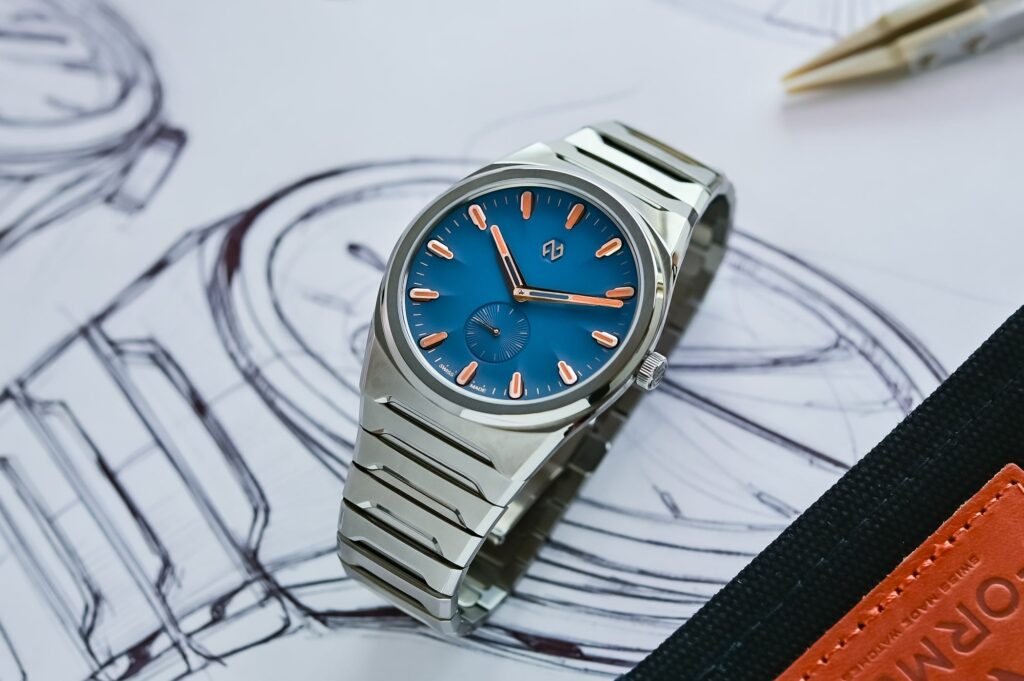
Integrated-bracelet sports watches are no longer defined only by the famous names that shaped the category decades ago.
The modern field is busier, more affordable and, at its best, more willing to experiment with case architecture, dial texture and movement displays.
Below the five-figure line, several current watches show that the format still has room for personality without asking collectors to chase unobtainable icons.
At a glance
- A focused look at compelling integrated-bracelet sports watches priced comfortably below 10k in EUR or CHF terms.
- Highlights include slim titanium cases, micro-rotor engineering, one-hand timekeeping and automotive-style jumping hour displays.
- Raymond Weil, Formex, Louis Erard, MeisterSinger and Reservoir all offer distinct routes into the category.
A crowded category with sharper alternatives
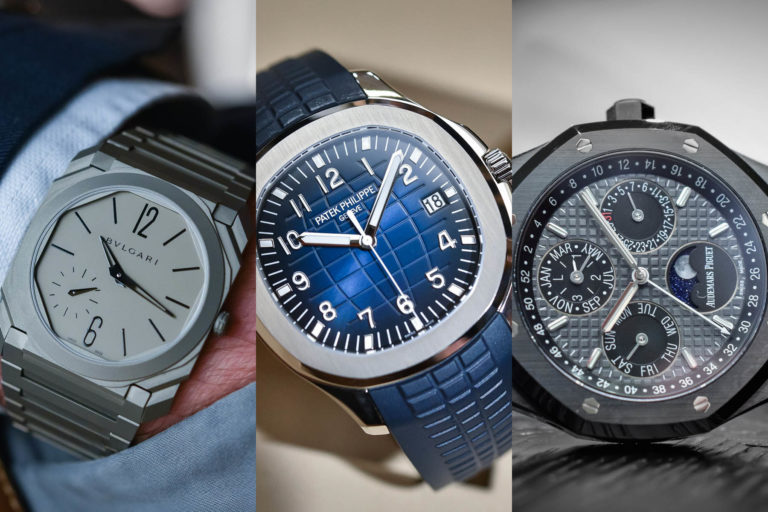
The integrated sports watch lives in the long shadow of the Royal Oak, Nautilus, Overseas and Laureato, which makes originality difficult and lazy imitation easy.
The more interesting watches in this price range don’t simply chase an octagonal bezel or a blue dial.
They use the bracelet-to-case relationship as a starting point, then add something specific, whether that’s a proprietary micro-rotor calibre, a lacquered patterned dial or a display inspired by dashboard instrumentation.
That matters because the best sub-10k integrated watches are no longer just budget alternatives.
They’re becoming credible everyday pieces for buyers who want the visual coherence of an integrated bracelet without losing the quirks that make a watch memorable.
Raymond Weil and MeisterSinger make the entry point stronger
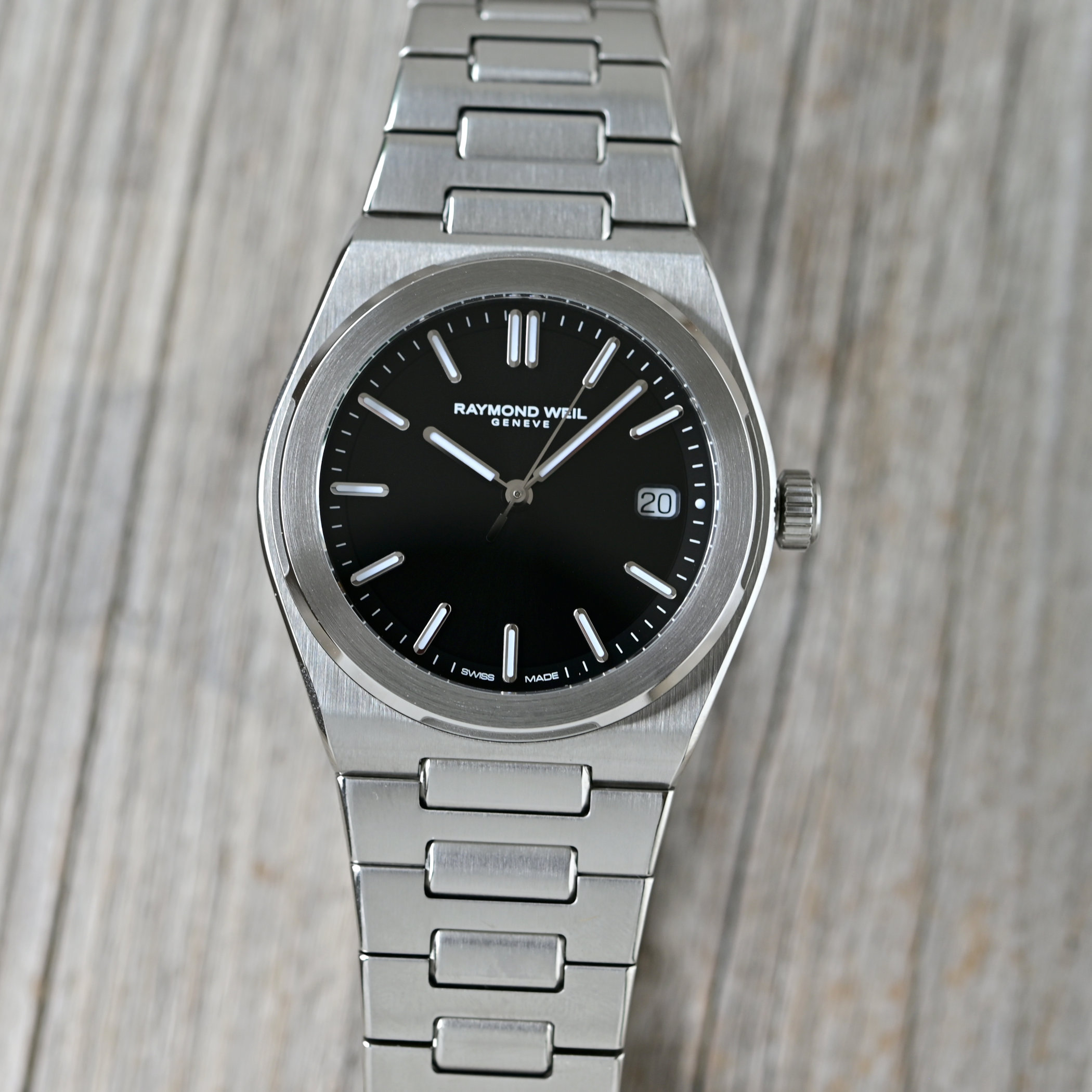
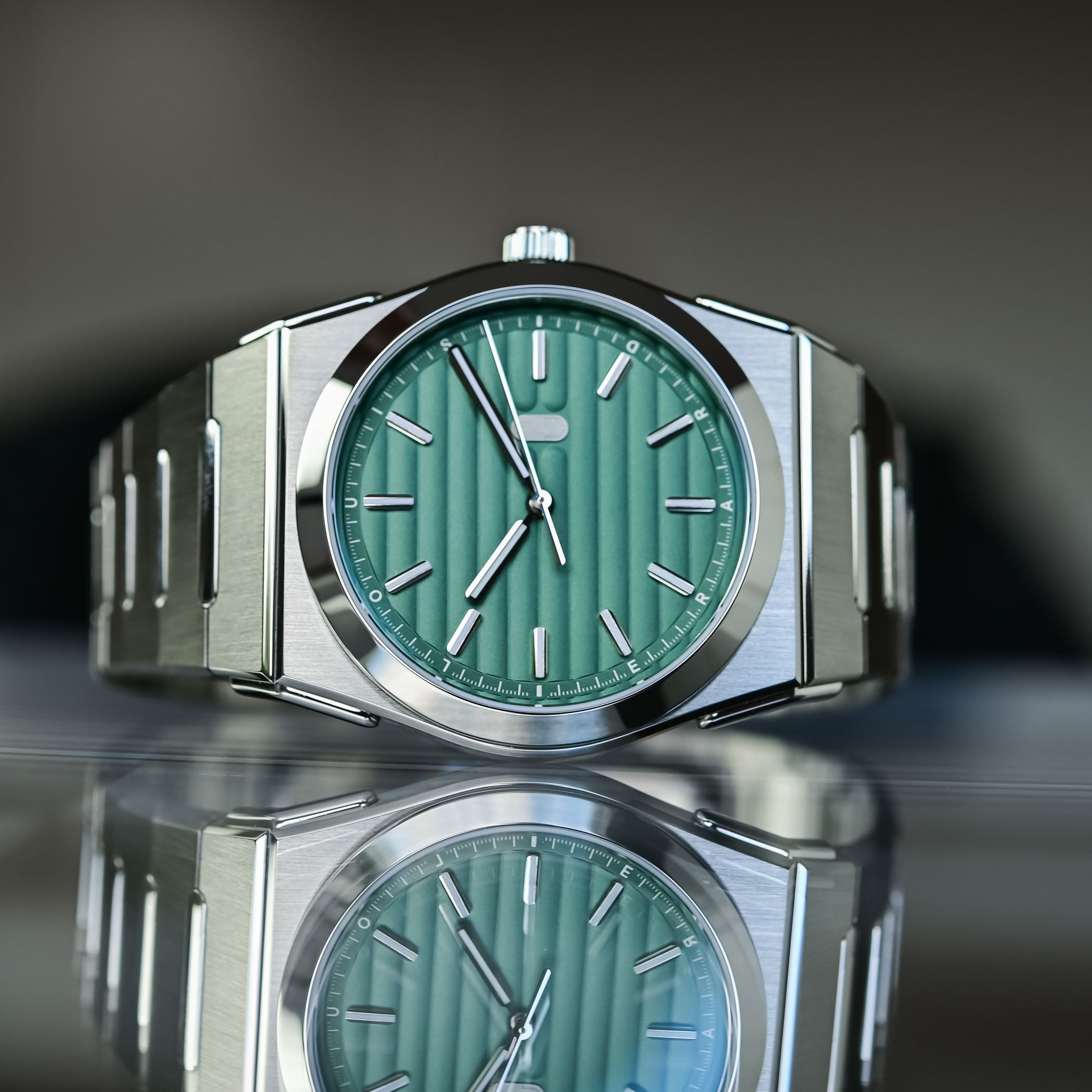
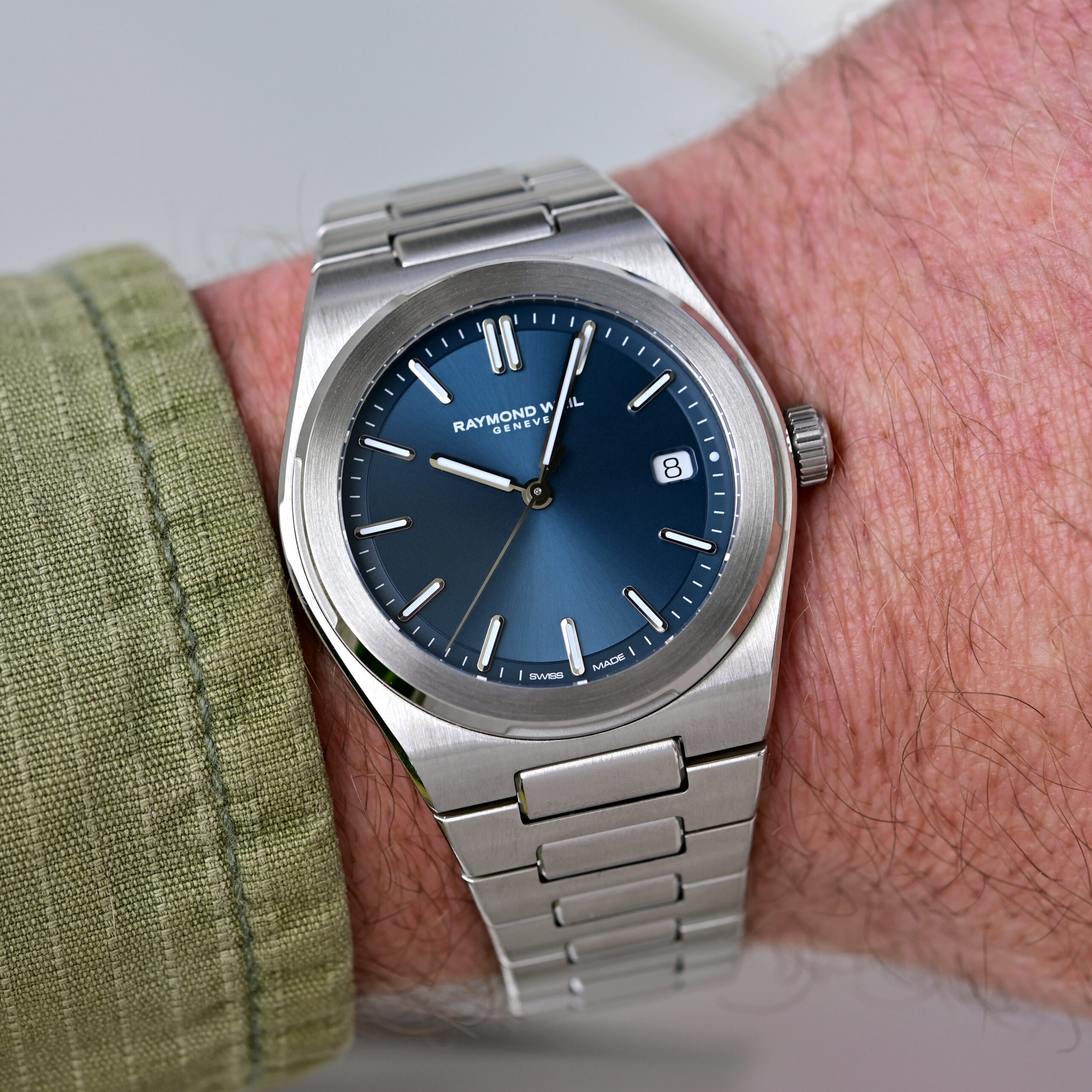
Raymond Weil’s A.R.T. is a straightforward, well-judged example of the genre.
At 38mm across and just under 10mm thick, it lands in a wearable size range that should suit more wrists than many larger integrated sports watches.
The stainless steel case is brushed and polished, the dial is available in black, grey or blue, and the H-link bracelet keeps the design crisp rather than overworked.
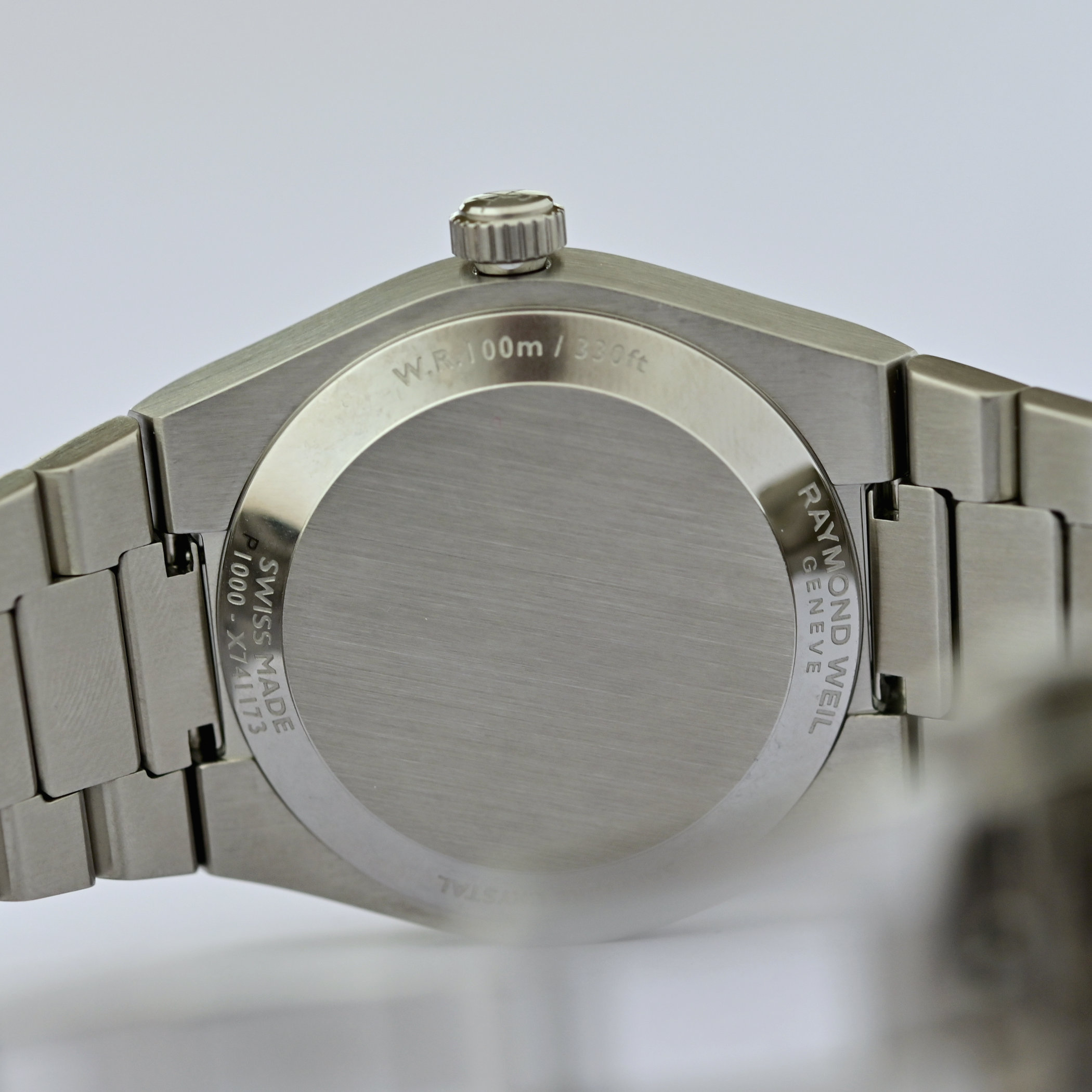
A Sellita SW200-based automatic movement powers the watch, with a date at 3 o’clock, 100 metres of water resistance and a price of EUR 1,995, rising to EUR 2,095 for the steel-and-gold-PVD bi-colour version.
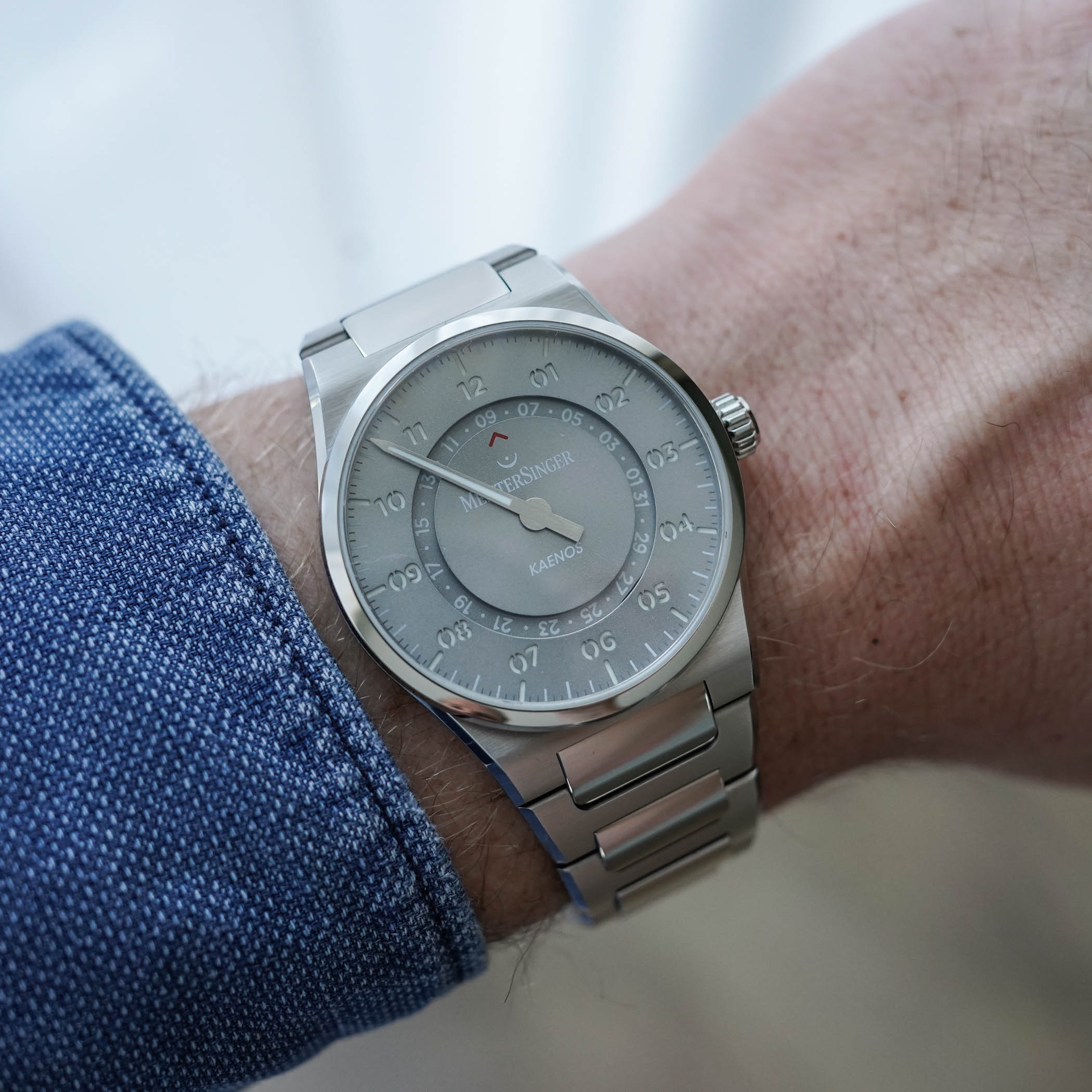
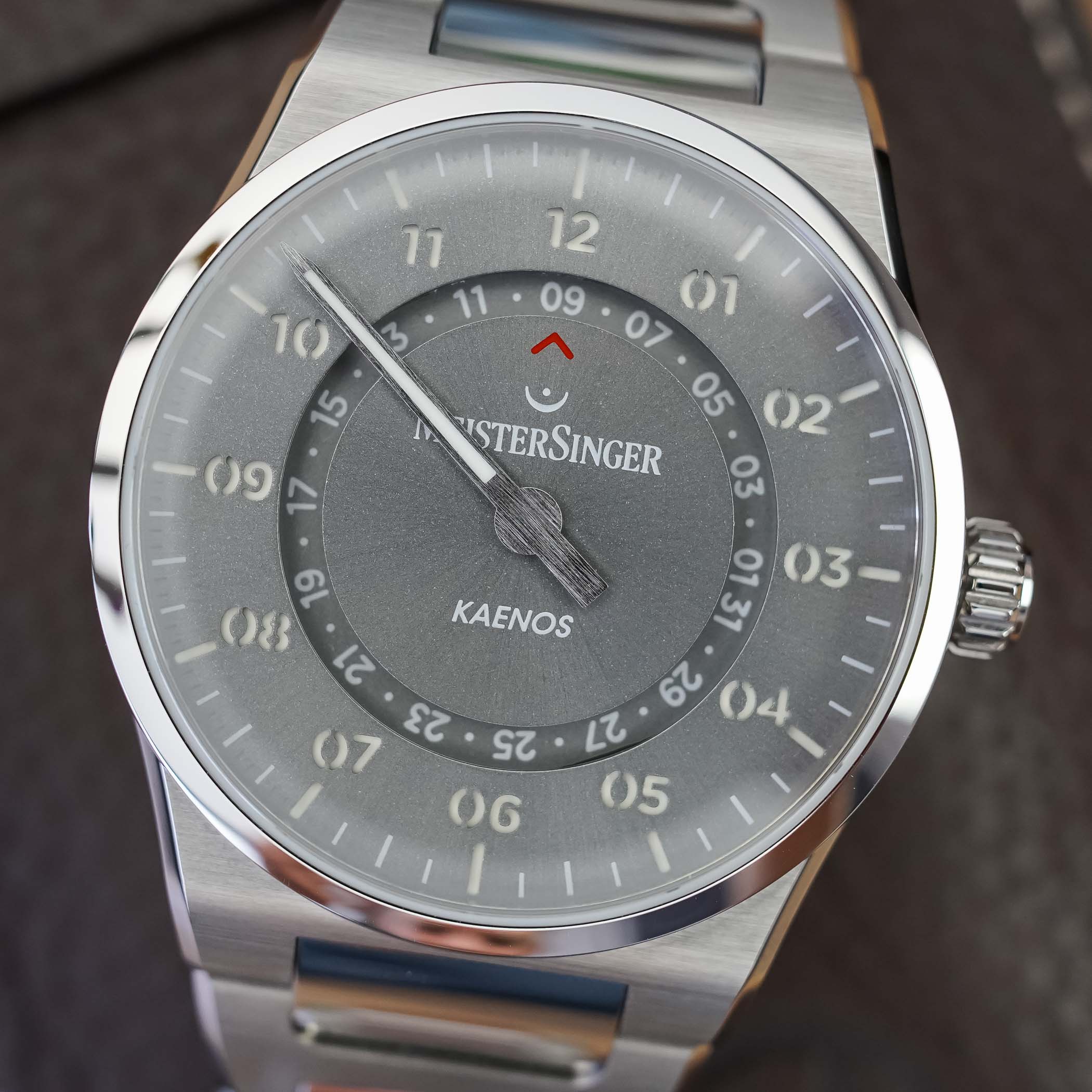
MeisterSinger approaches the same category from a very different angle with the Kaenos Open Date.
It keeps the brand’s single-hand identity, then adds an open date display with a recessed rotating disc and pointer arrow.
The 40mm steel case is paired with an integrated bracelet that uses a push-button folding clasp, while the dial options include matte black, sunray petrol, ice blue and grey.
Inside is a Sellita SW200 automatic with a 38-hour power reserve, and the Kaenos Open Date sits in the permanent collection at EUR 2,650.
Formex and Louis Erard push the design further
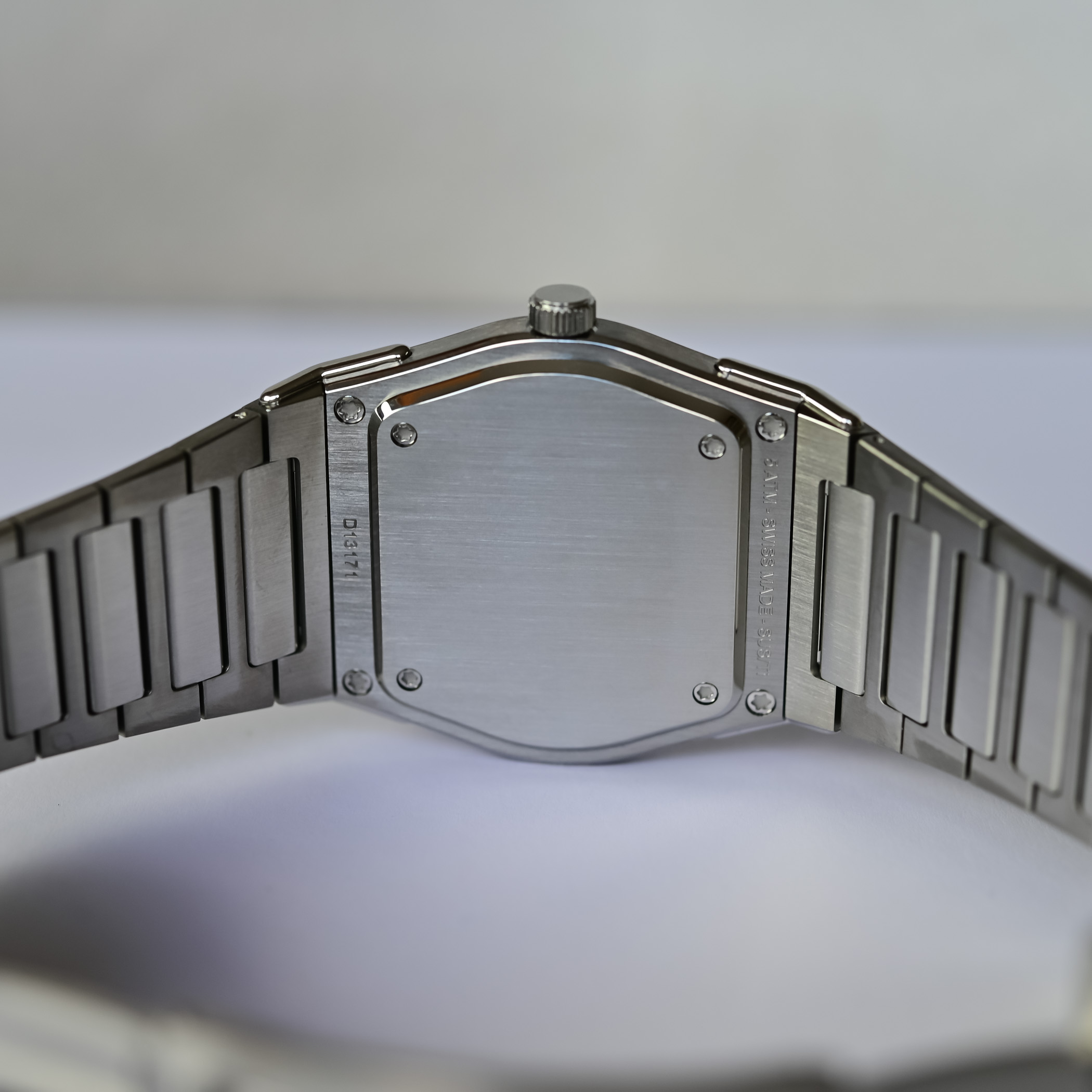
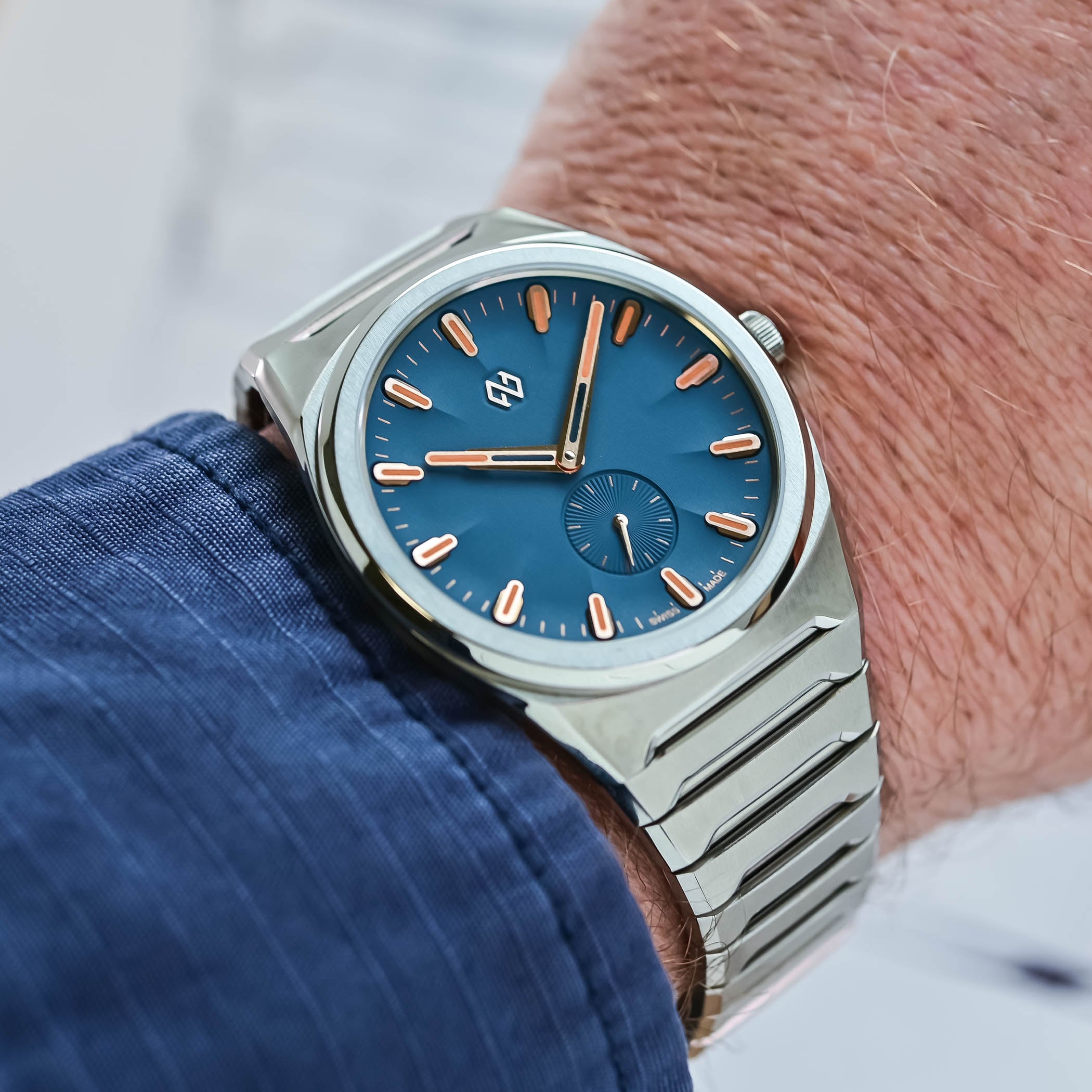
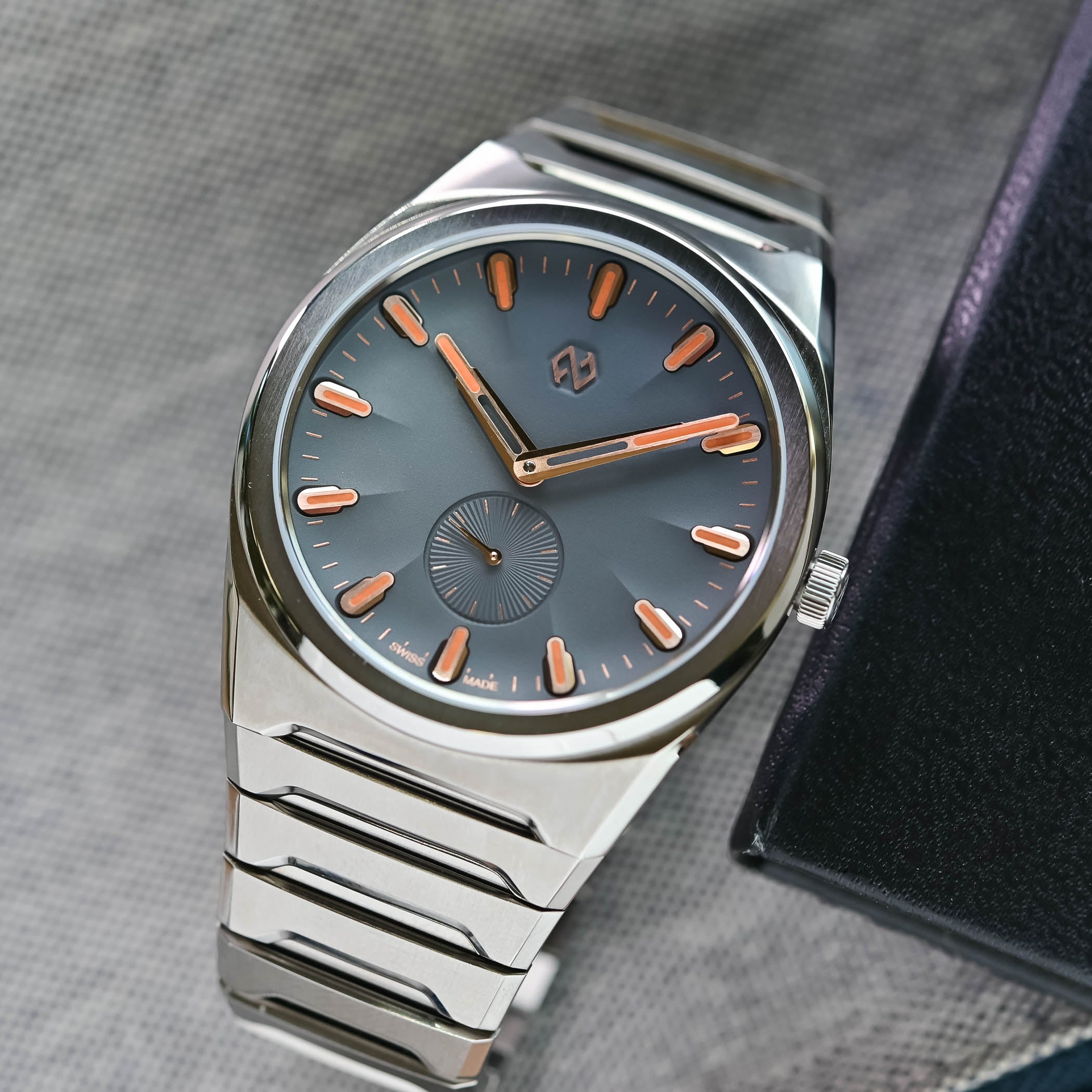
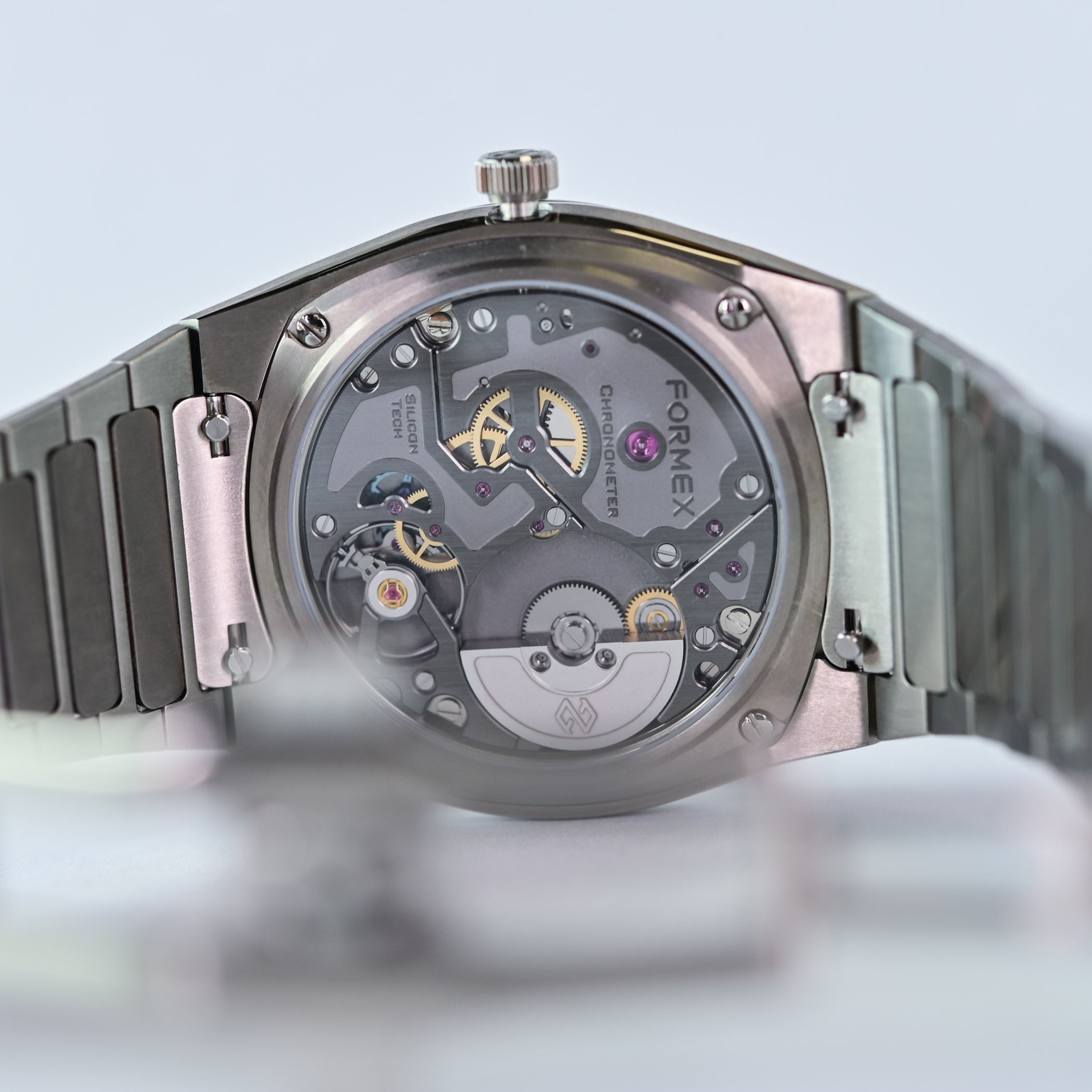
Formex’s Aria Manufacture Chronometer is the most technically ambitious watch here.
Its 40mm grade 5 titanium case measures only 6.9mm thick, and the concave dial is offered in Denso Blue, Selva Green or Ardesia Grey.
The proprietary Calibre FX01 automatic was developed with Horage and uses a micro-rotor, while COSC chronometer certification, a 72-hour power reserve and a quick-release titanium bracelet with patented micro-adjustability help justify the EUR 7,600 price.
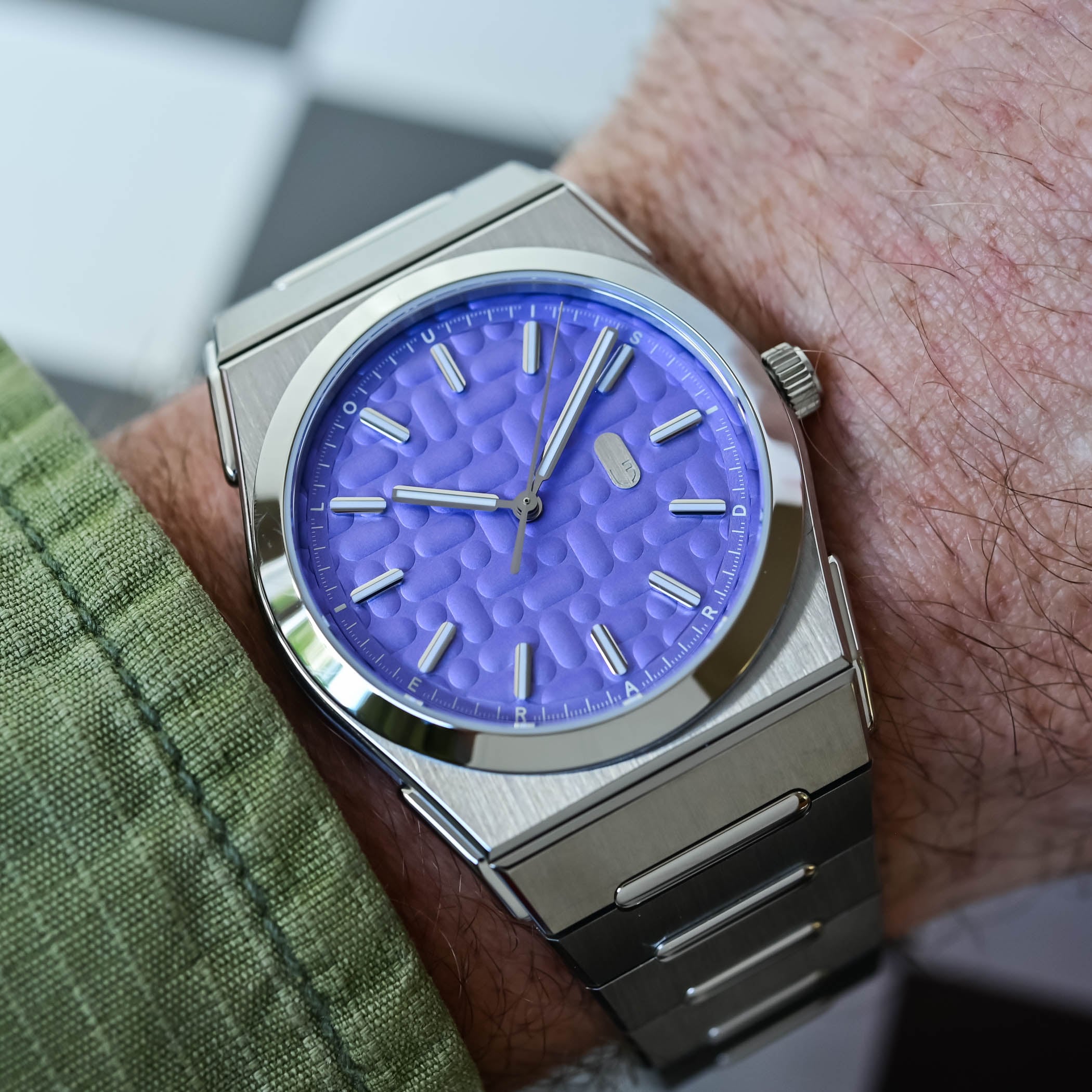
Louis Erard’s 2340 takes a more expressive route, mixing a tonneau-shaped titanium case with a steel bezel and lugs.
The Mauve and Forest editions use lacquered dials with stamped patterns, one with horizontal gadroons and the other with oblong forms.
The watch measures 40mm by 8.95mm and runs on an élaboré-grade Sellita SW300-1 automatic with a 56-hour power reserve.
Its integrated bracelet combines steel and titanium, starts wide at 28mm, tapers to 20mm and closes with a concealed spring-loaded butterfly clasp.
At CHF 3,250 excluding VAT, the 2340 sits in a sweet spot for buyers who want a recognisable silhouette without a conservative dial.
Reservoir brings dashboard theatre to the wrist
Reservoir built its identity around instrument-style displays, and the Kanister Mark II carries that language into an integrated sports watch format.
The model takes inspiration from Porsche 356 dashboard instruments, using jumping hours, retrograde minutes and a fuel-gauge-style power reserve display.
The 41mm brushed and polished 316L steel case has a screw-down crown, sapphire crystals front and back, and 50 metres of water resistance.
The movement architecture pairs a La Joux-Perret G100 base with a proprietary Telos module, creating the Calibre RSV-240 with a 56-hour power reserve.
Priced at EUR 7,200, it’s the choice here for someone who wants the integrated sports watch brief filtered through automotive design rather than traditional dress-sport cues.
Details & Specifications
| Raymond Weil A.R.T. | 38mm by 9.95mm stainless steel case, Sellita SW200-based automatic, 100m water resistance, integrated H-link bracelet, EUR 1,995 or EUR 2,095 in bi-colour |
|---|---|
| Formex Aria Manufacture Chronometer | 40mm by 6.9mm grade 5 titanium case, Calibre FX01 micro-rotor automatic, COSC-certified, 72h power reserve, integrated titanium bracelet, EUR 7,600 |
| Louis Erard 2340 Mauve and Forest | 40mm by 8.95mm titanium case with steel bezel and lugs, Sellita SW300-1 automatic, 56h power reserve, steel and titanium integrated bracelet, CHF 3,250 excl. VAT |
| MeisterSinger Kaenos Open Date | 40mm by 11.2mm stainless steel case, Sellita SW200 automatic, single-hand time display, open date disc, 100m water resistance, integrated steel bracelet, EUR 2,650 |
| Reservoir Kanister Mark II | 41mm 316L stainless steel case, Calibre RSV-240 with La Joux-Perret G100 base and Telos module, jumping hour, retrograde minutes, power reserve display, EUR 7,200 |
The sub-10k integrated sports watch is at its best when it stops trying to imitate the category’s untouchable classics and starts offering a clear point of view.
On that measure, these watches make a strong case for looking beyond the obvious names.