The clasp is easy to overlook because it spends most of its life hidden under the wrist.
Yet it has become one of the clearest signs of how far watch design has moved beyond the dial, case and movement.
What began as a practical way to secure a strap is now a field of its own, involving machined components, tight tolerances, clever adjustment systems and a surprisingly deep history.
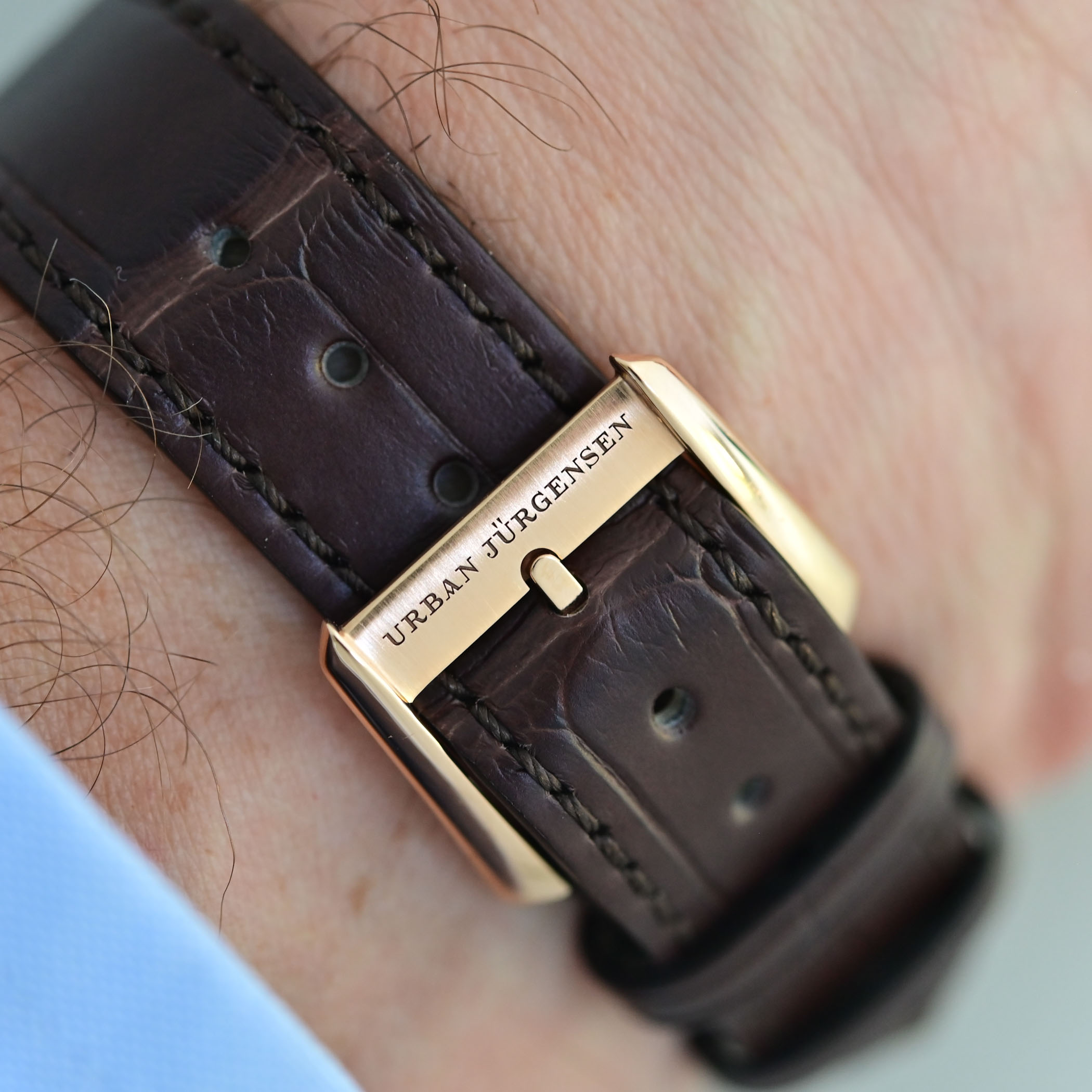
At a glance
- Watch clasps evolved from jewellery-style slip-on bracelets and simple pin buckles into engineered folding and micro-adjusting systems.
- The pin buckle remains the defining closure for leather straps, while deployant clasps brought bracelet-like convenience and reduced wear.
- Modern designs from brands and specialists now focus heavily on comfort, security and tool-free adjustment throughout the day.
Before clasps, bracelets behaved like jewellery
The earliest metal bracelets used for women’s watches in the 18th and 19th centuries didn’t rely on separate closures at all.
They were closer to jewellery than modern watch hardware, often slipping over the wrist as a continuous form.
That approach carried into some early expanding metal bracelet designs, including the “Army” bracelet made by Gay Frères during the First World War.
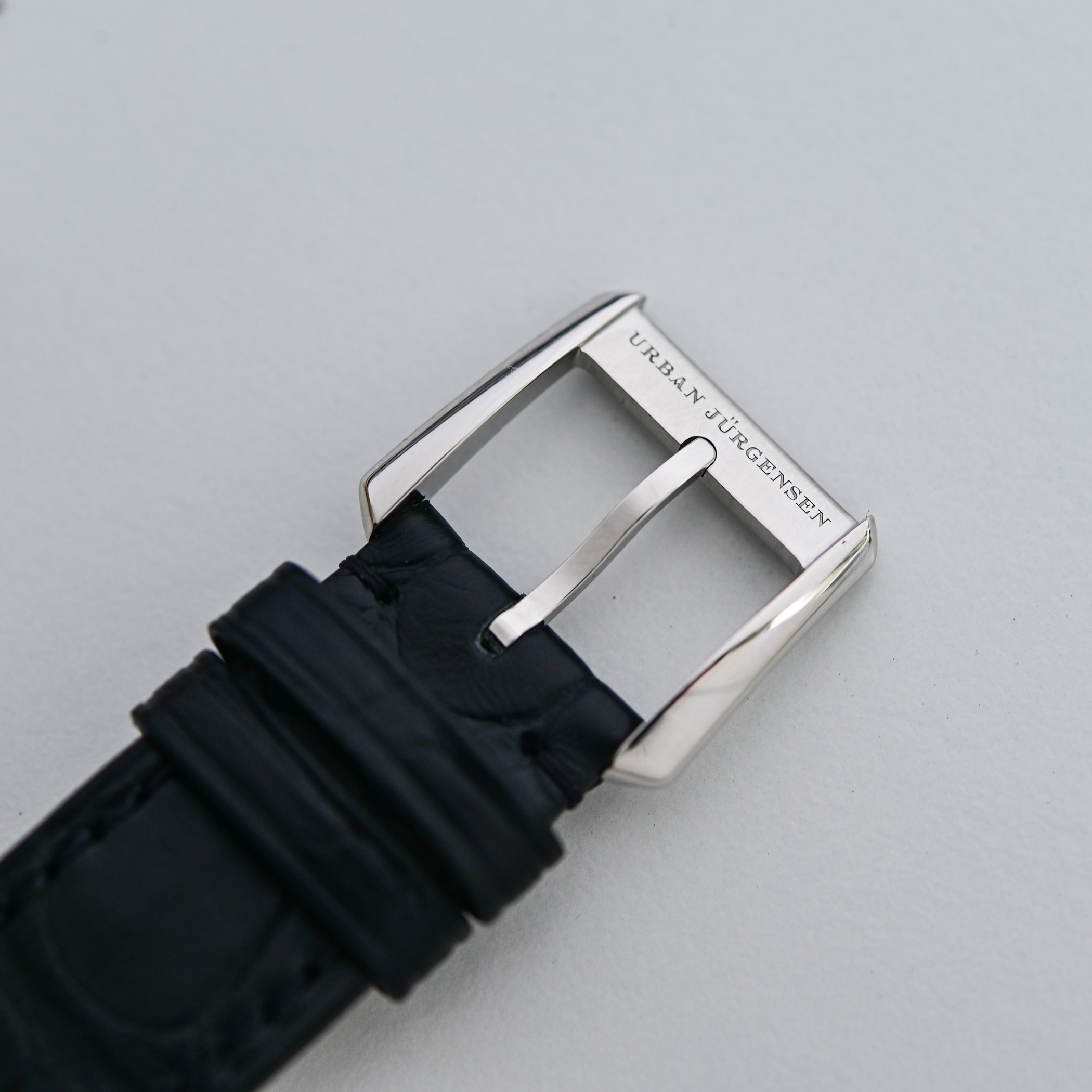
These pieces solved the problem in a different way, using the elasticity of the bracelet rather than a latch, buckle or folding mechanism.
As wristwatches moved from decorative accessories into practical equipment, especially in military use, the need for a more secure and repeatable fastening became obvious.
The pin buckle still defines the classic strap
The first broadly successful watch strap closure was not invented specifically for watches.
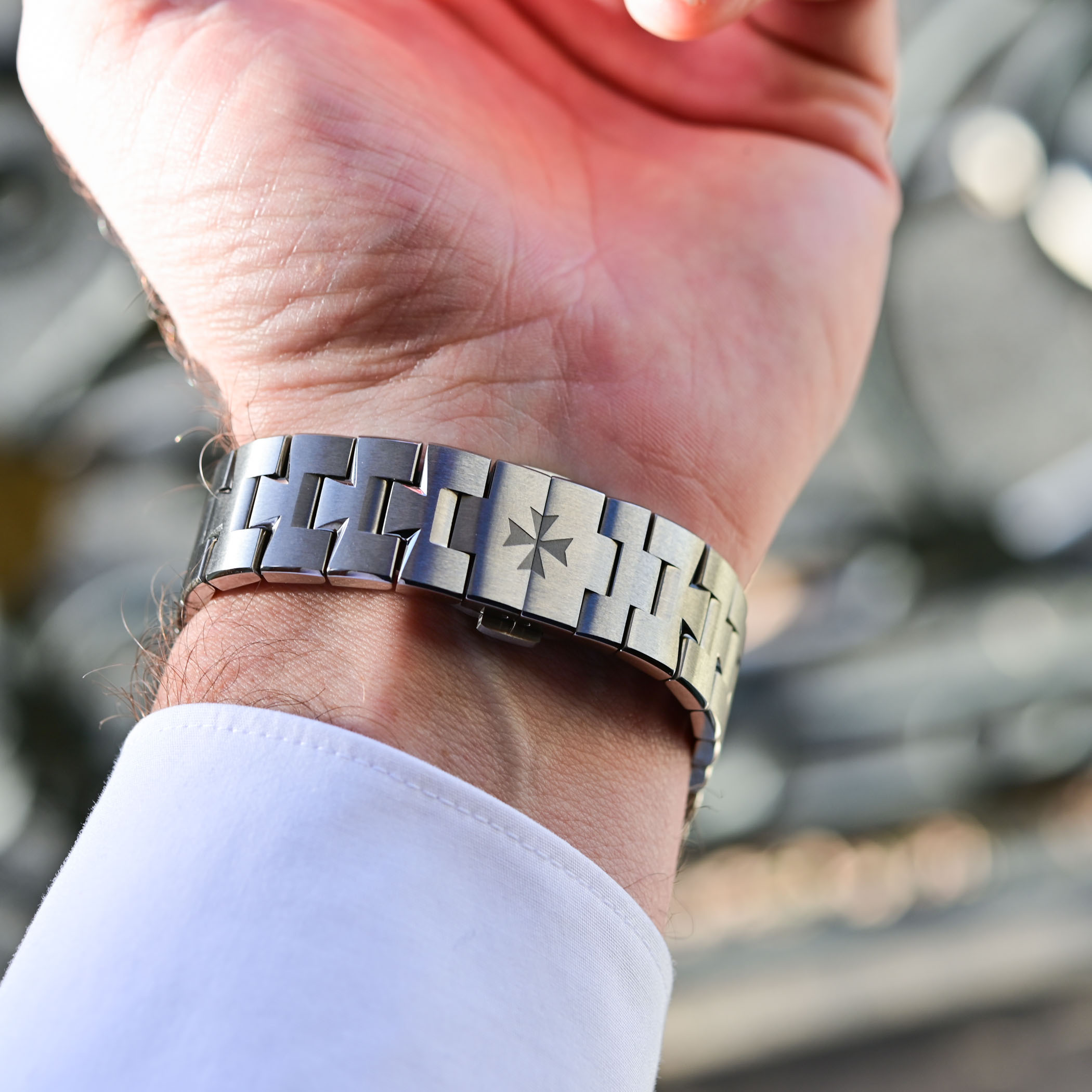
It borrowed from the ancient logic of belts, harnesses and shoulder straps, using a metal frame and a central pin to anchor the strap through a punched hole.
This is the pin buckle, also known as a tang buckle or, in French, an ardillon buckle.
Its ancestry reaches back to loop-and-pin closures used thousands of years ago, before later Iron Age designs began to resemble the familiar metal-frame buckles still used today.
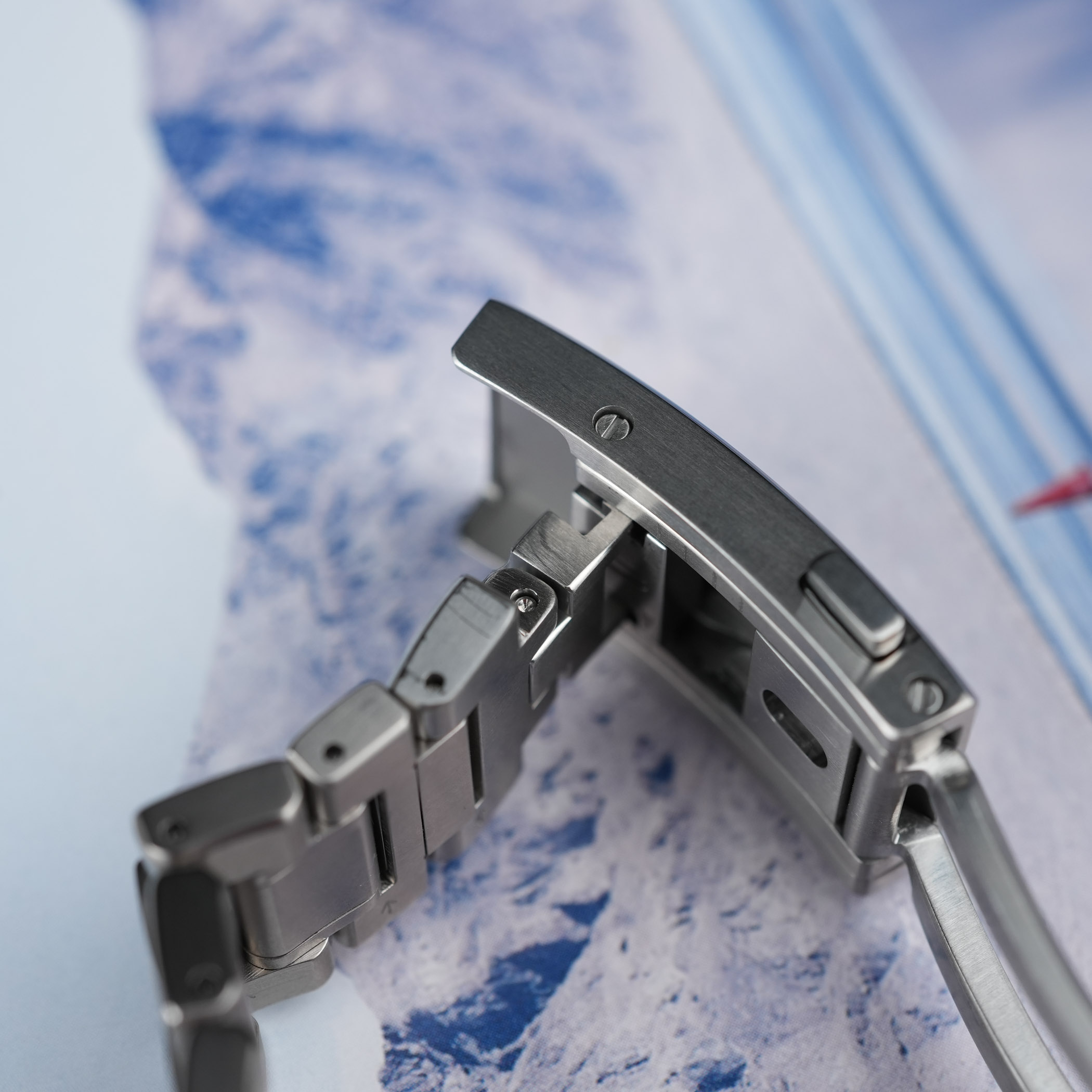
For watches, the pin buckle became especially important when wristwatches moved from curiosity to field equipment.
During the Second British Boer War at the turn of the 20th century, some early wristwatches were essentially pocket watches adapted to leather straps.
The First World War then gave the wristwatch its decisive proving ground, with strap-mounted timekeepers becoming practical tools for soldiers in trenches and combat operations.
By the end of that conflict, leather straps with pin buckles had become a natural pairing for the wristwatch.
The arrangement remained appealing after the war as civilian wristwatches surged in popularity through the 1920s.
Its strengths are obvious.
A pin buckle is slim, familiar, inexpensive to make, easy to service and visually unobtrusive.
Its main weakness is equally familiar to anyone who has worn a leather strap on a warm day.
The fit is limited by the spacing of the strap holes, so the watch can quickly feel either slightly too tight or slightly too loose.
That limitation is now being challenged by newer designs such as Delugs’ Fitwell Micro-Adjust Buckles, which bring tool-free adjustment to the traditional pin-buckle format.
The design offers 3mm of expansion while preserving the look of an ordinary buckle, which is exactly the kind of quiet improvement that matters more on the wrist than it does in a product photograph.
Cartier’s deployant changed how straps behaved
If the pin buckle is the oldest idea in watch closures, the deployant clasp is the moment the strap became more engineered.
Louis Cartier, working with Edmond Jaeger, developed the bouclé déployante around 1909.
It appeared on the Cartier Santos in 1911, which makes it one of the most influential pieces of hidden hardware in modern watchmaking.
The original purpose was practical rather than theatrical.
A conventional pin buckle forces the wearer to pull, bend and flex the leather each time the watch is put on or removed.
A deployant clasp leaves the strap set to the correct length and turns it into a continuous loop, more like a bracelet.
That reduces stress on the leather and makes the watch quicker to put on.
The basic architecture remains easy to understand.
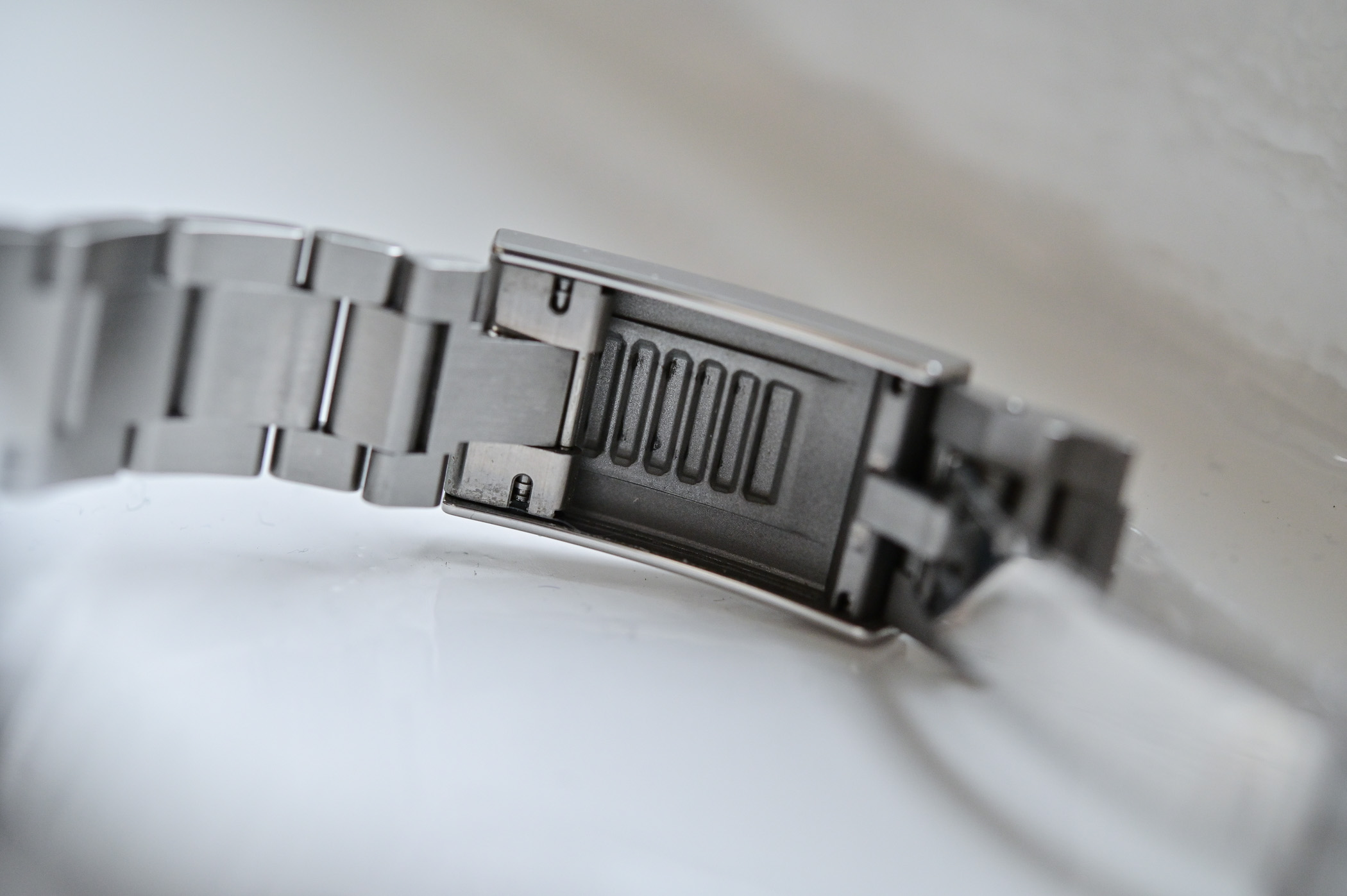
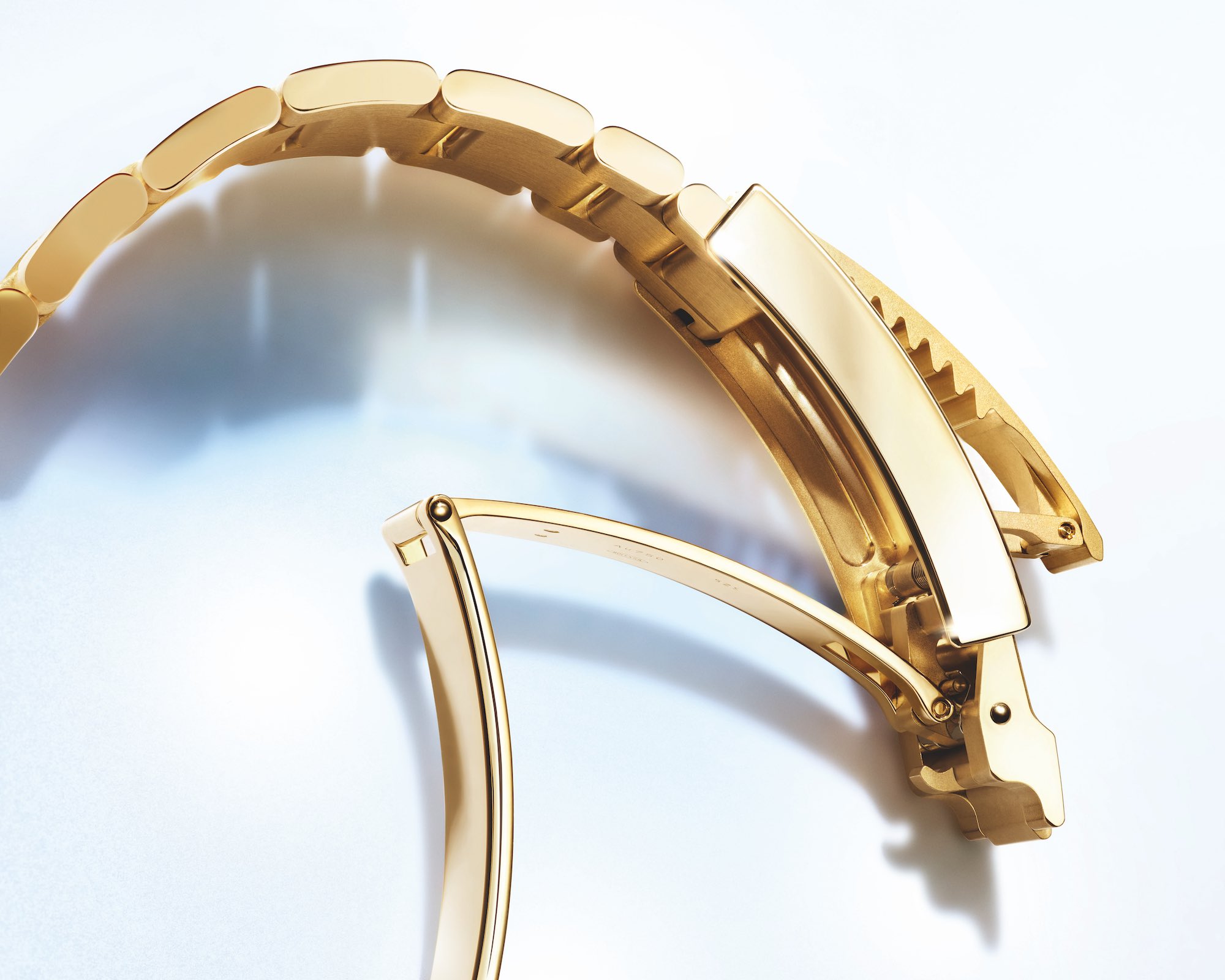
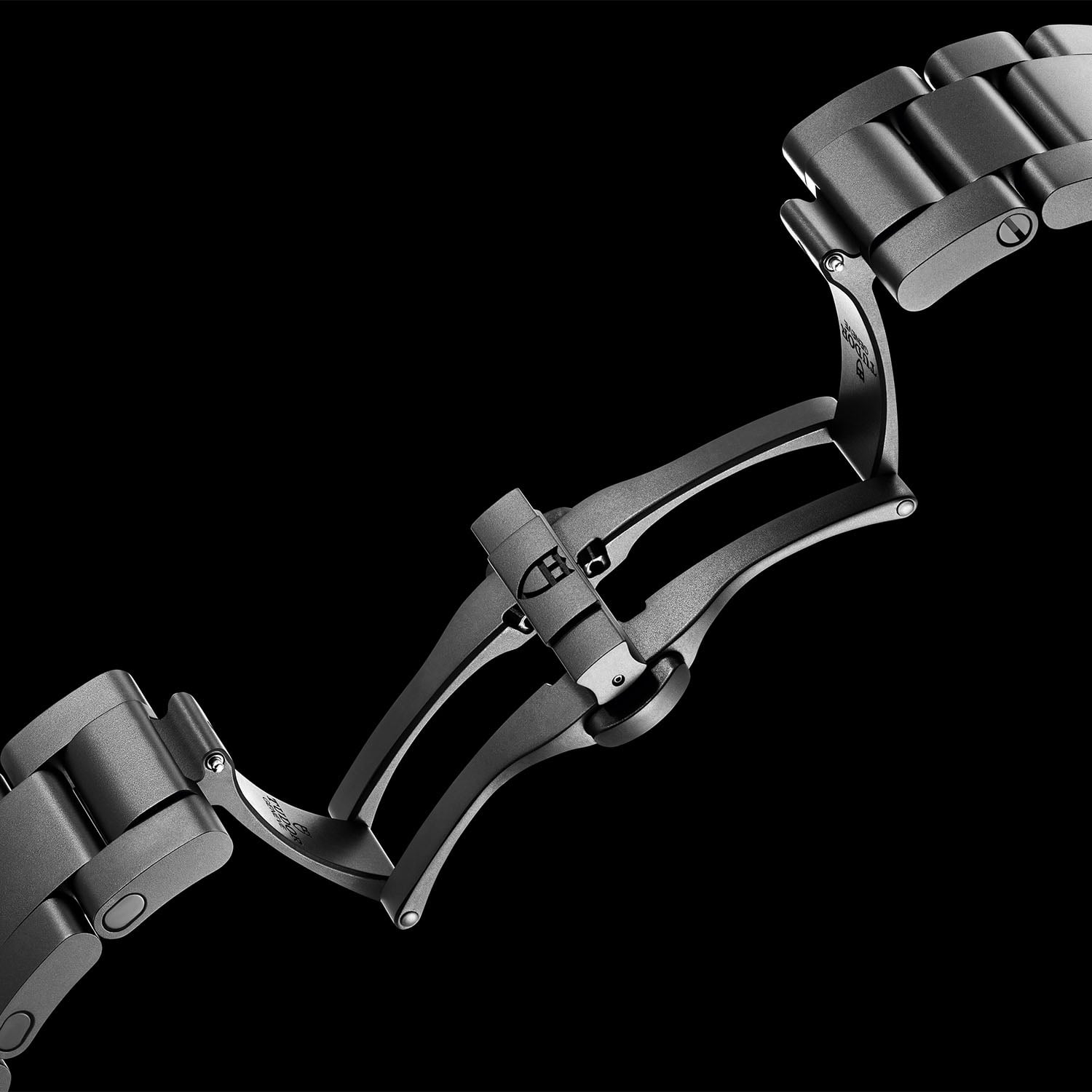
Curved metal blades fold at a hinge, allowing the wrist to pass through the open loop before the clasp closes beneath the wrist.
Some versions snap shut through pressure, while others use side pushers for a more secure release.
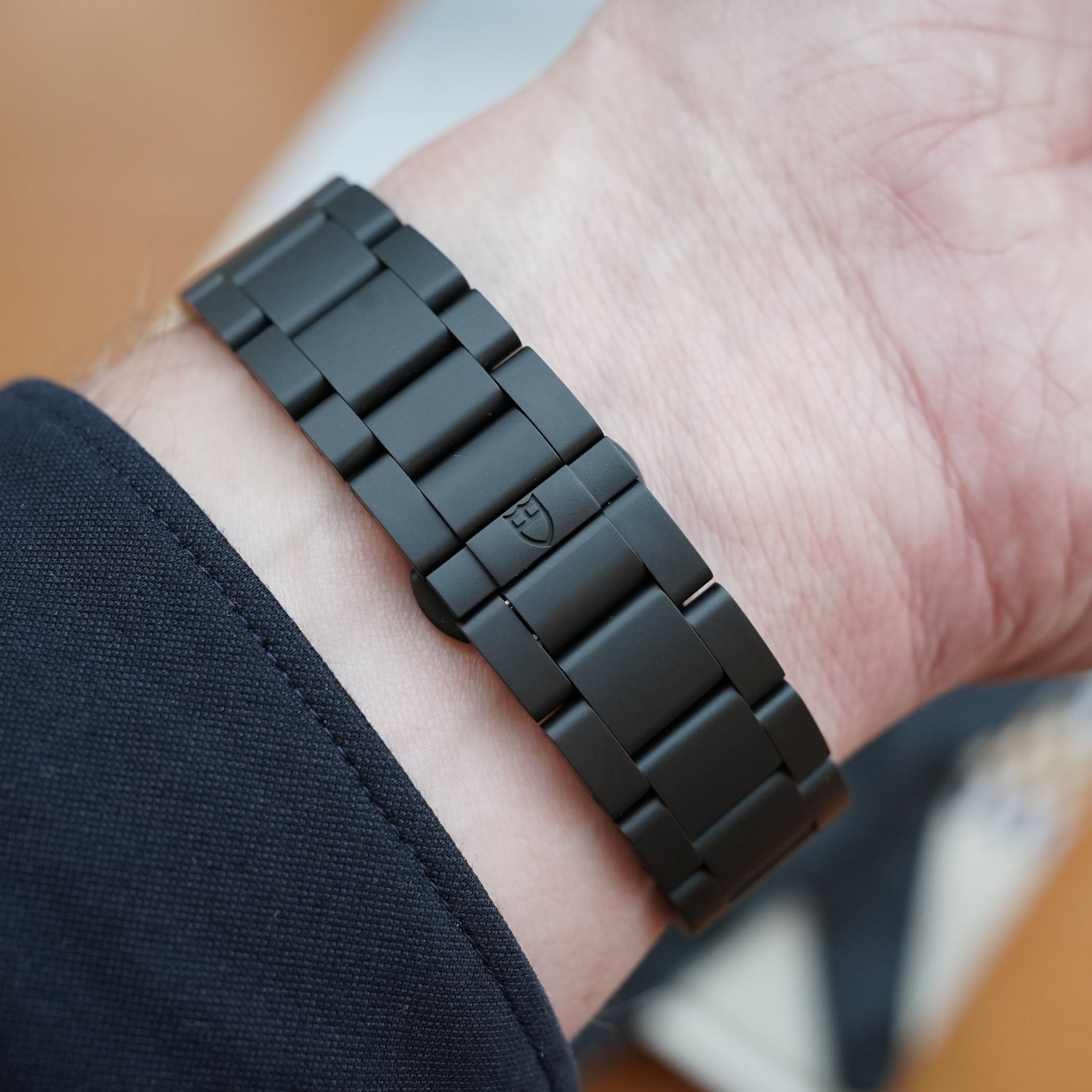
On bracelets, the terms folding clasp and deployant clasp are often used interchangeably.
On leather straps, deployant usually refers more specifically to the style that fixes to a chosen strap hole and preserves the closed-loop wearing experience.
That distinction matters because a deployant is not simply a prettier buckle.
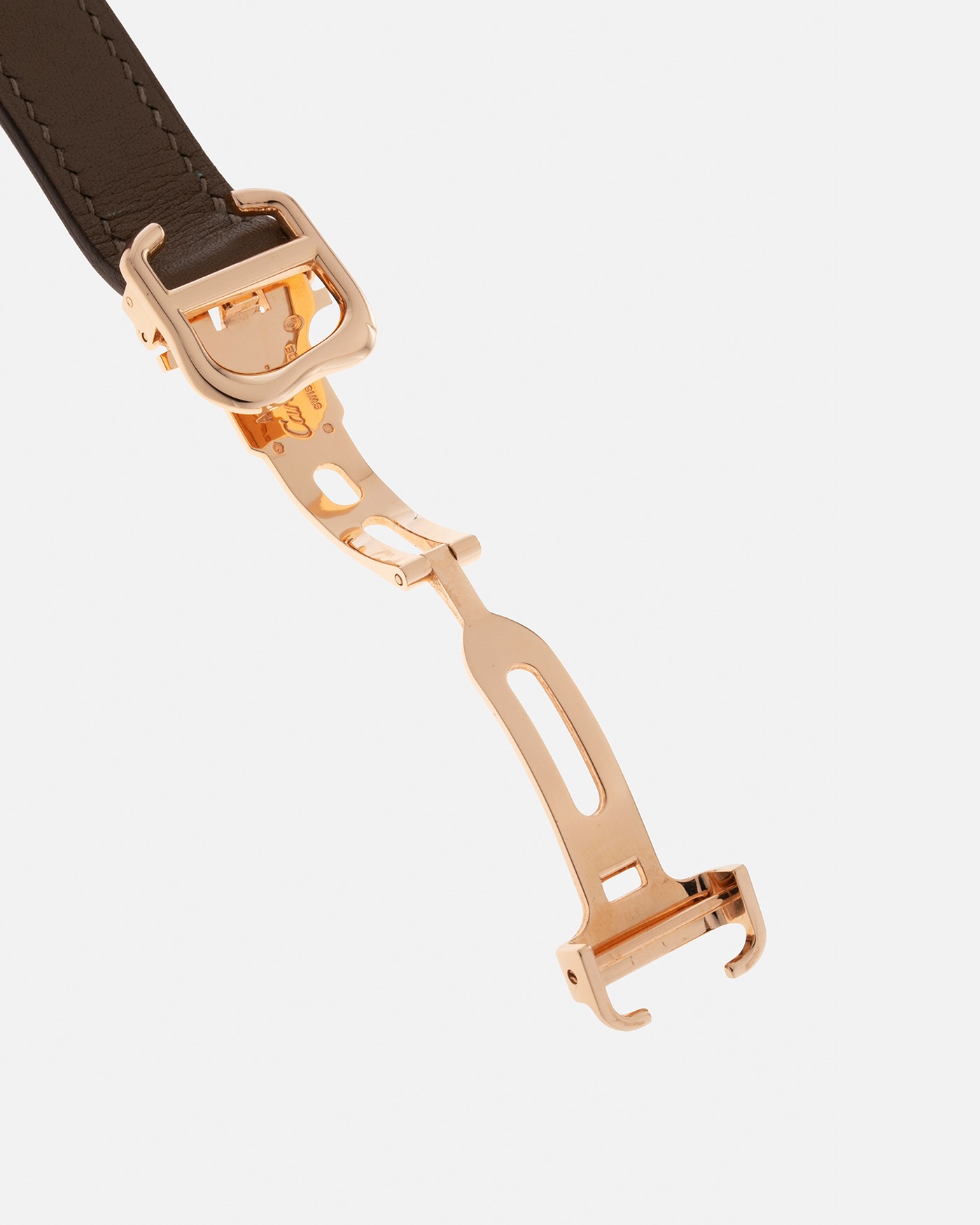
It changes the daily interaction with the watch, particularly for dress watches or fine leather straps where longevity and comfort are part of the ownership experience.
Micro-adjustment became the modern benchmark
The major leap in recent clasp design is not just closure security, but adjustability.
A bracelet sized perfectly in the morning can feel different by mid-afternoon, especially in heat or humidity.
The wrist changes, and a good clasp now has to account for that.
Traditional bracelet clasps often used a spring bar that could be moved between holes in the clasp body.
It worked, but it usually required a small tool, a steady hand and a surface you didn’t mind using as a workbench.
Modern micro-adjusting clasps bring that operation onto the wrist.
The best systems allow a wearer to fine-tune fit without removing links, opening a toolkit or visiting a watchmaker.
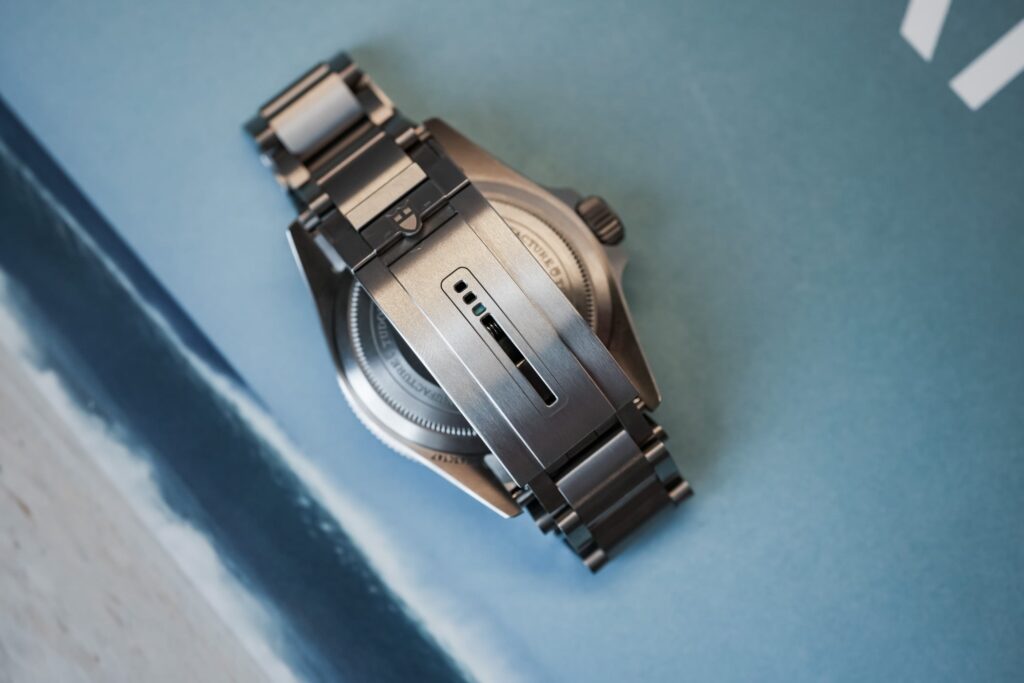
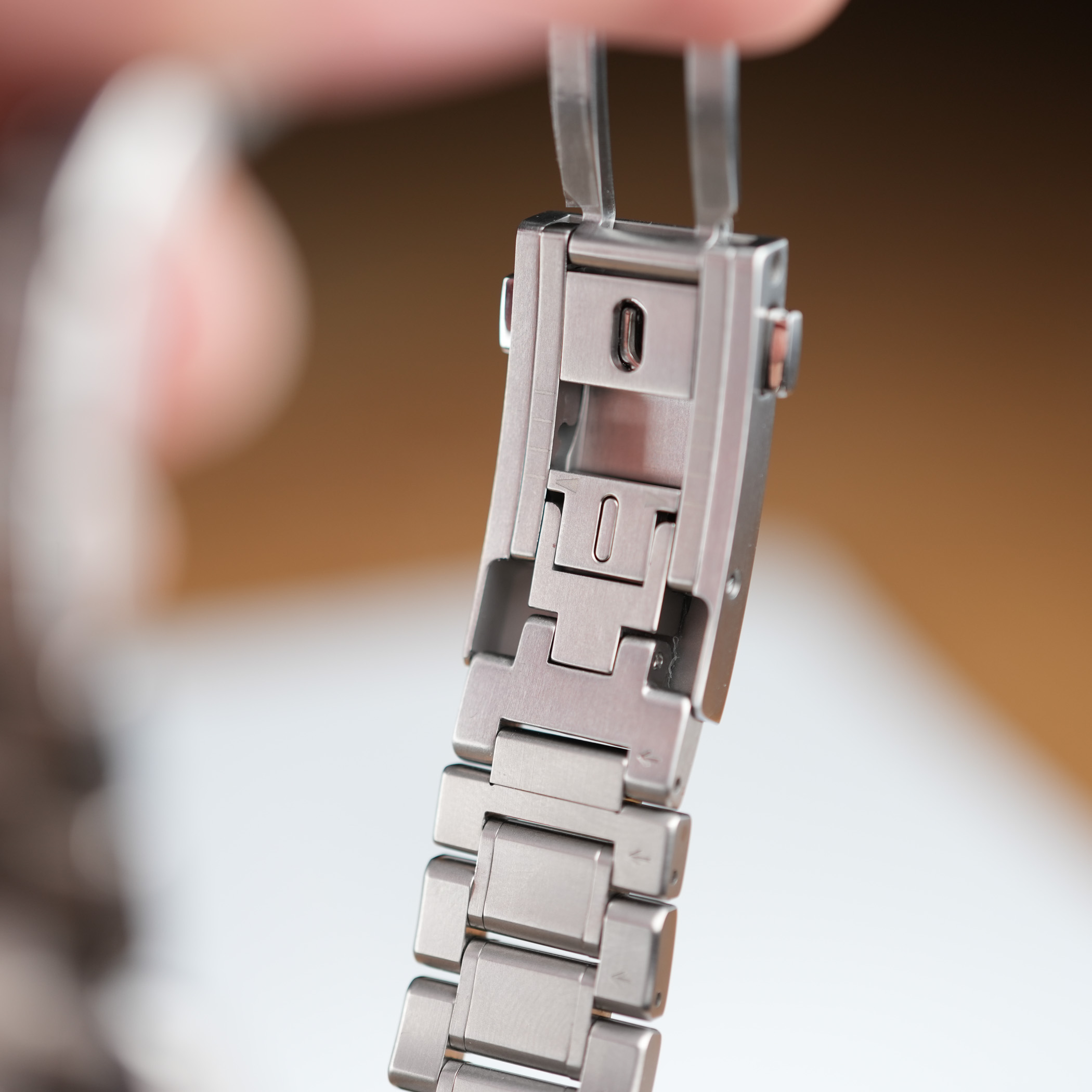
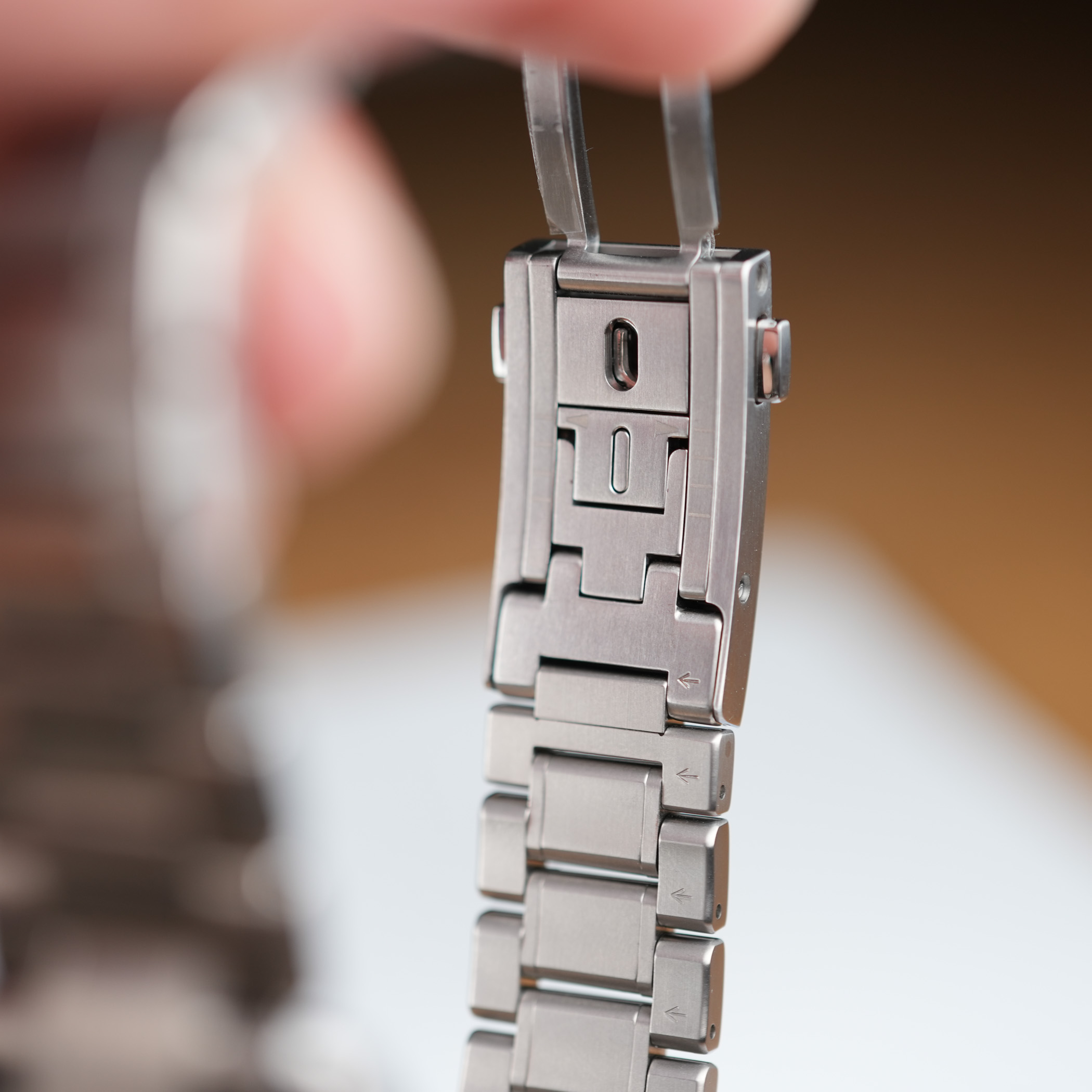
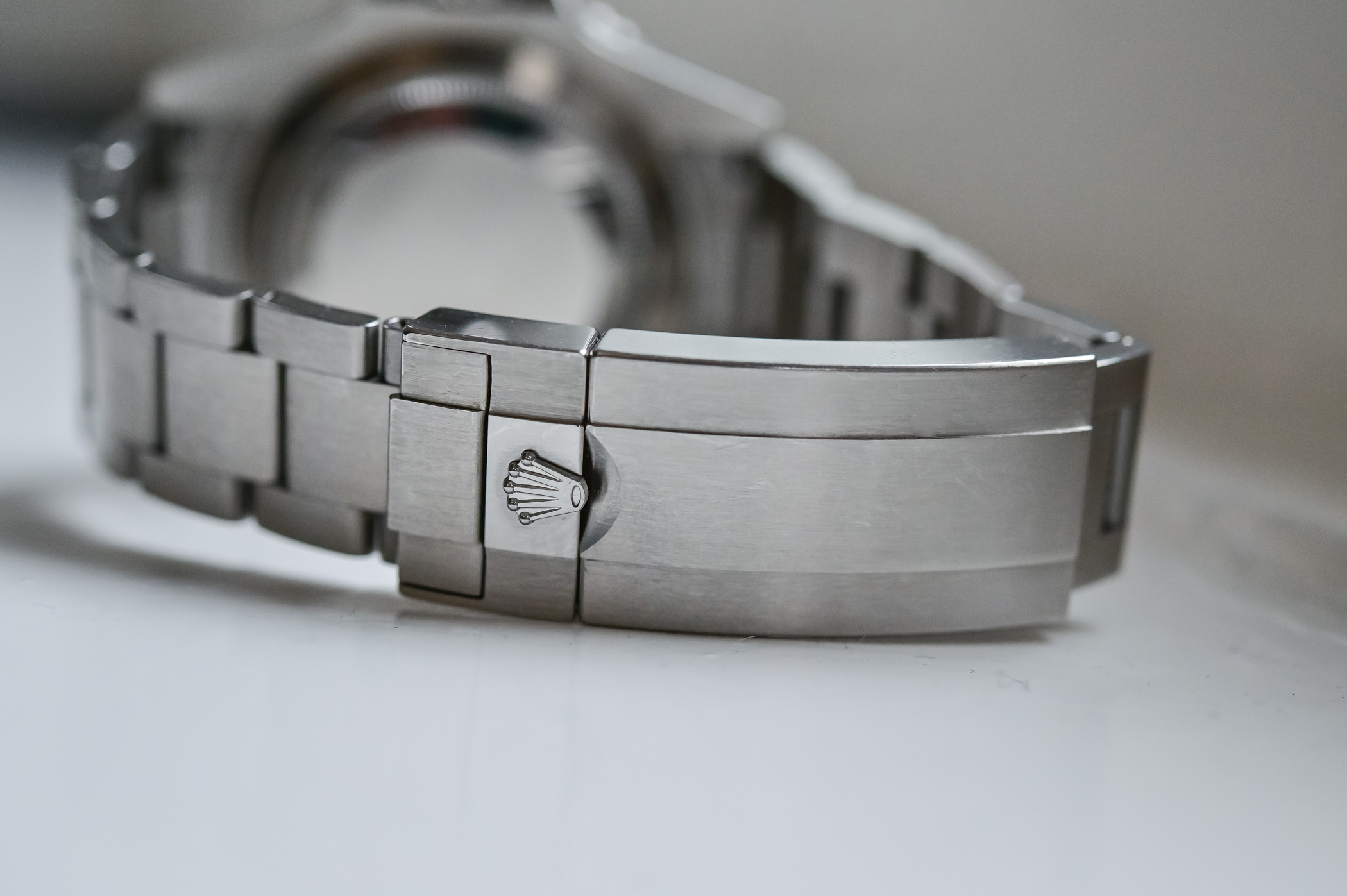
Rolex’s Glidelock system, introduced in 2008 for dive models such as the Submariner, is one of the best-known examples.
It offers 20mm of adjustment in 2mm increments through a rack-and-notch sliding mechanism, which is useful both for everyday comfort and for fitting a dive watch over a wetsuit sleeve.
Security has also developed in parallel with comfort.
Many sports watches now use push-button releases, safety folds or additional locking elements to reduce the chance of accidental opening.
That matters most on dive watches, where a clasp is part of the equipment rather than just the finishing touch.
Materials have evolved as well, with clasps made not only in stainless steel but also in titanium, gold, platinum and ceramic.
At the higher end, the clasp can involve numerous components, complex machining and hand-finishing that matches the bracelet or case.
This is where the humble closure becomes a small mechanical object in its own right.
The hidden detail collectors notice
A strong clasp rarely sells a watch on its own, but a weak one can undermine an otherwise excellent design.
Collectors know the feeling of a clasp that closes with clean resistance, sits flush, doesn’t pinch and allows the watch to settle naturally on the wrist.
They also know the frustration of a clasp that is bulky, sharp-edged or impossible to adjust without tools.
That makes clasp design one of the most meaningful forms of watchmaking progress because it affects the watch every time it’s worn.
The story of the clasp is really the story of the wristwatch becoming more personal.
It moved from slip-on jewellery to field-ready utility, then into engineered comfort and security.
Today’s best clasps don’t call attention to themselves, but they make the watch feel considered from caseback to buckle.