The seconds hand is so familiar that it’s easy to forget how late it arrived.
For much of early portable timekeeping, an hour hand was enough because the mechanics inside a watch simply couldn’t justify anything more precise.
The story of seconds is really the story of accuracy catching up with ambition, from astronomy and pendulum clocks to the small, steady sweep that now defines the modern wristwatch.
At a glance
- Seconds hands became practical only after 17th-century advances made clocks and watches accurate enough to measure them usefully.
- Christiaan Huygens’ pendulum clock and balance spring helped bring minute hands into everyday use, with seconds hands following soon after.
- The seconds display moved from small sub-dials to central hands much later, with 20th-century movement design making the modern layout common.
When minutes were already ambitious
The earliest pocket watches were not miniature precision instruments in the way collectors understand the term today.
They were mechanical objects of remarkable ingenuity, but their daily variation could be so wide that a minute hand would have implied a level of accuracy the movement couldn’t deliver.
That’s why many early dials relied on a single hour hand, often helped by quarter-hour divisions around the chapter ring.
Our everyday phrases “quarter past” and “half past” are linguistic leftovers from that visual system, when the hour hand did all the work and precision was read in broad intervals.
There were earlier experiments with minute indication, including specialised astronomical clocks in the late 16th century, but these were exceptions rather than a practical standard.
The turning point came in the 17th century, when timekeeping accuracy improved enough for finer divisions to become genuinely useful.
Huygens and the leap toward useful precision
Christiaan Huygens sits at the centre of the story.
In 1656, the Dutch scientist and horologist introduced the pendulum clock, a breakthrough that dramatically reduced the error of clocks from roughly half an hour or more per day to a matter of seconds.
That was a profound shift, not just a technical refinement.
Once a clock could hold time closely enough, a minute hand became more than decorative optimism.
By the late 17th century, minute hands were becoming standard on European clock dials, even if broader adoption across the world took much longer.
Huygens’ second great contribution arrived in 1675, when he patented the balance spring for portable watches and demonstrated a working model.
English horologist Robert Hooke claimed to have developed a balance spring earlier, but Huygens was the figure who brought the invention into a functioning horological form.
The balance spring did for watches what the pendulum had done for clocks, giving the regulating organ a far more dependable rhythm.
Within a few years, many European watchmakers had adopted the principle, and portable timekeeping entered a new age of credibility.
By the early 18th century, clocks could be accurate to within seconds per day, while watches had advanced to accuracy measured in minutes rather than the looser tolerances of earlier generations.
How the seconds hand reached the dial
Like the minute hand, the seconds hand appeared as an idea before it became truly practical.
A few watchmakers experimented with the concept in the late 16th century, but without sufficient accuracy it was more mechanical demonstration than daily-use feature.
By the 1690s, as the balance spring made watches more consistent, movement architecture began to include a fourth wheel associated with seconds indication.
This shaped the look of watches for centuries.
Because of how movements were constructed, the seconds hand was usually placed in a separate sub-dial, most often at 6 o’clock.
The fourth wheel was off-centre, so a small seconds display was mechanically natural, while central seconds required a much more complex solution.
That’s why the small seconds layout remains so deeply tied to traditional watch design.
It wasn’t simply an aesthetic choice, but a direct expression of how the movement was built.
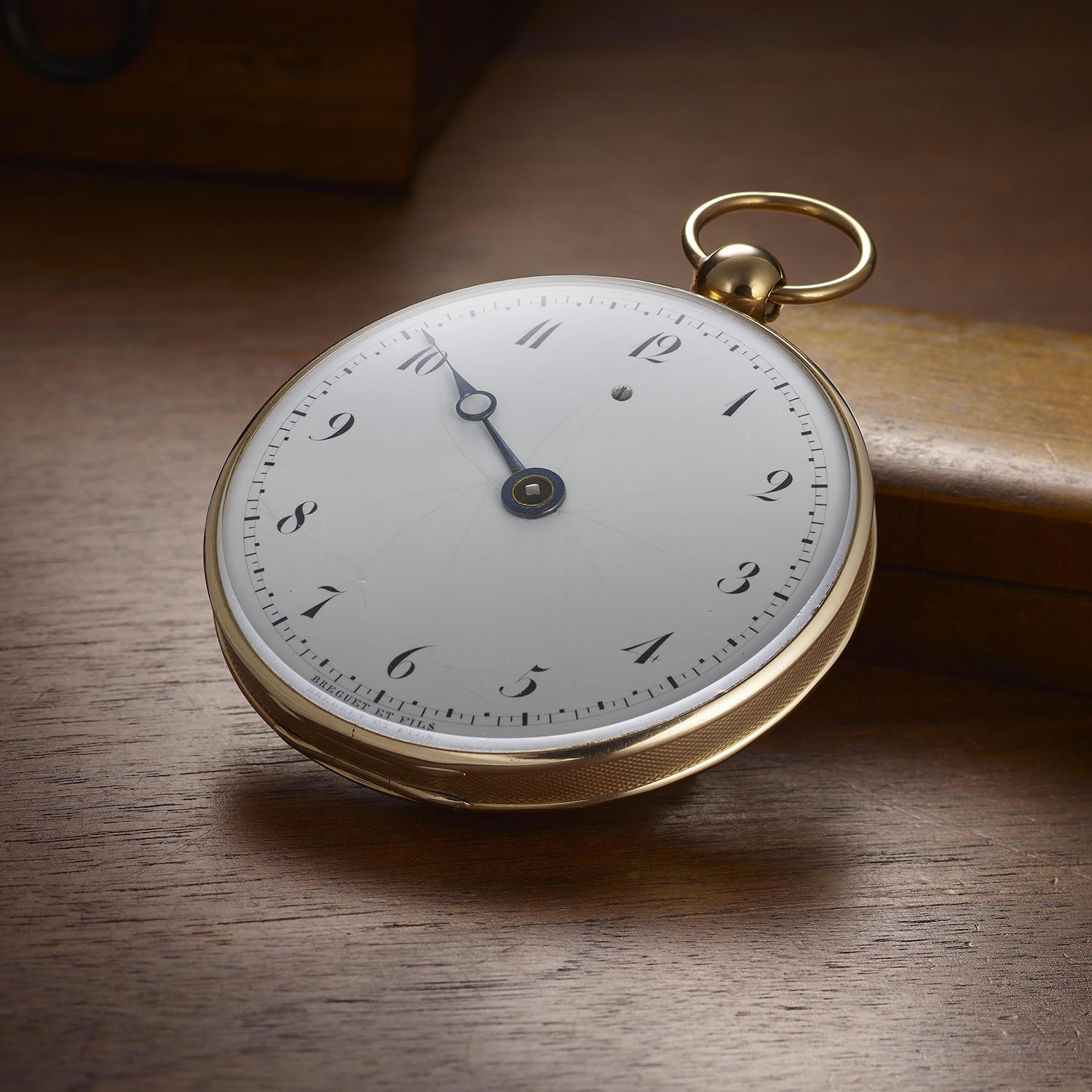
Central seconds existed before they became common, but early solutions often involved extra gearing and bridges to transfer the indication to the middle of the dial.
Those additions could make movements thicker, less efficient and prone to uneven seconds-hand motion.
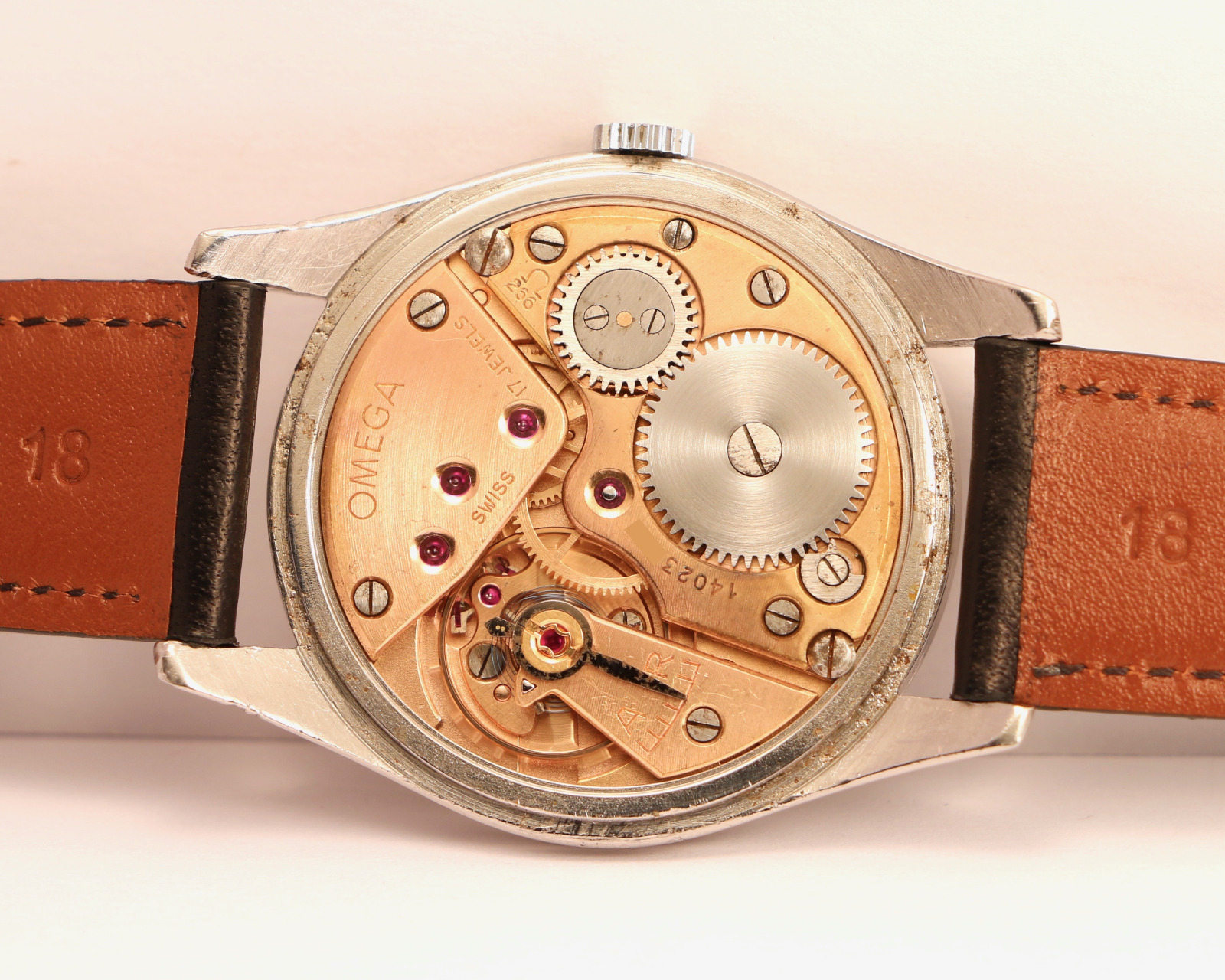
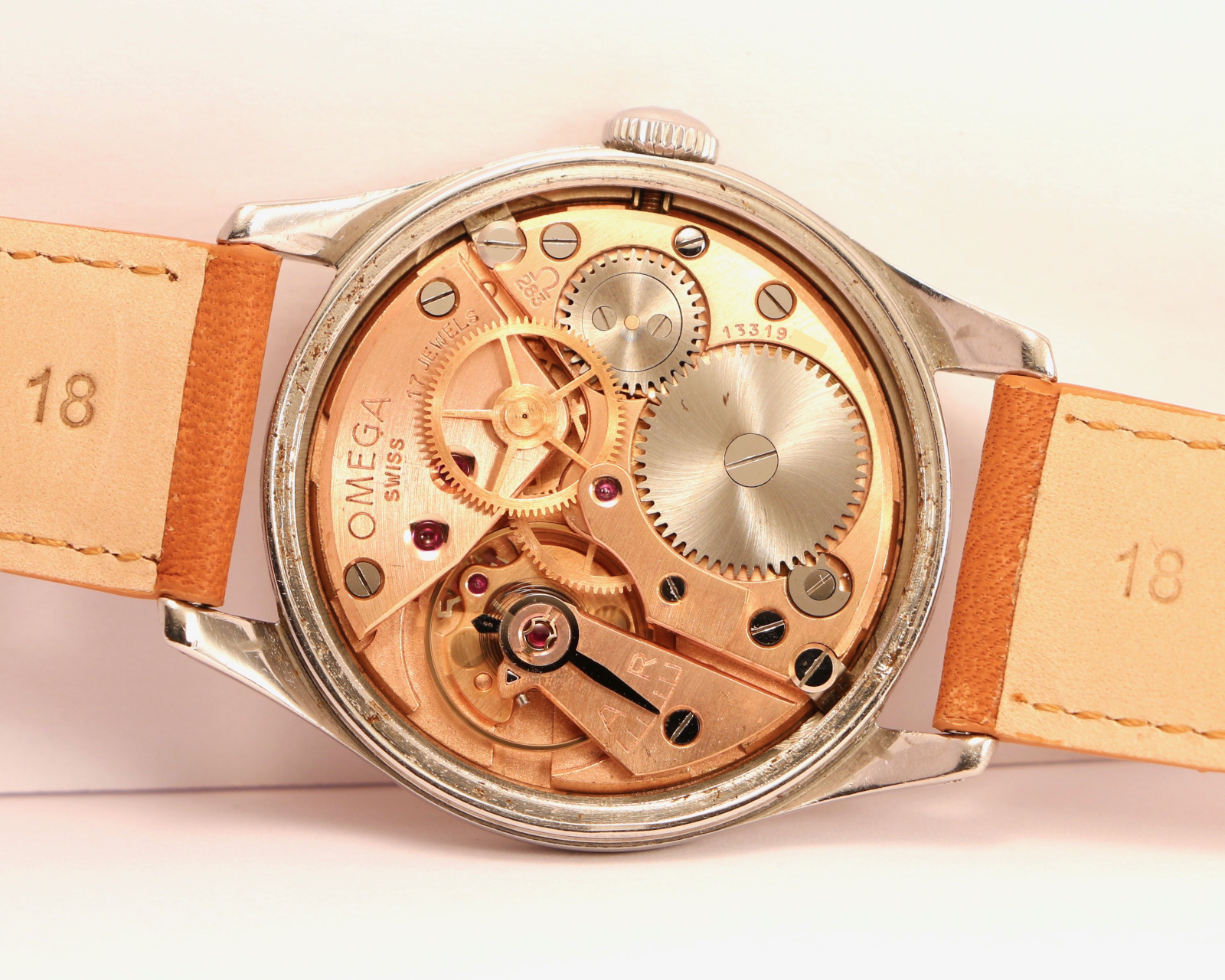
A major step came in 1939 with Omega’s calibre 30T2 SC, with “SC” standing for “seconde centrale”.
Rather than relying on a cumbersome add-on arrangement, the movement reworked the plate and bridges so the fourth wheel’s pinion could drive the seconds from the centre.
This helped establish the direct central seconds architecture that would become widespread in wristwatches.
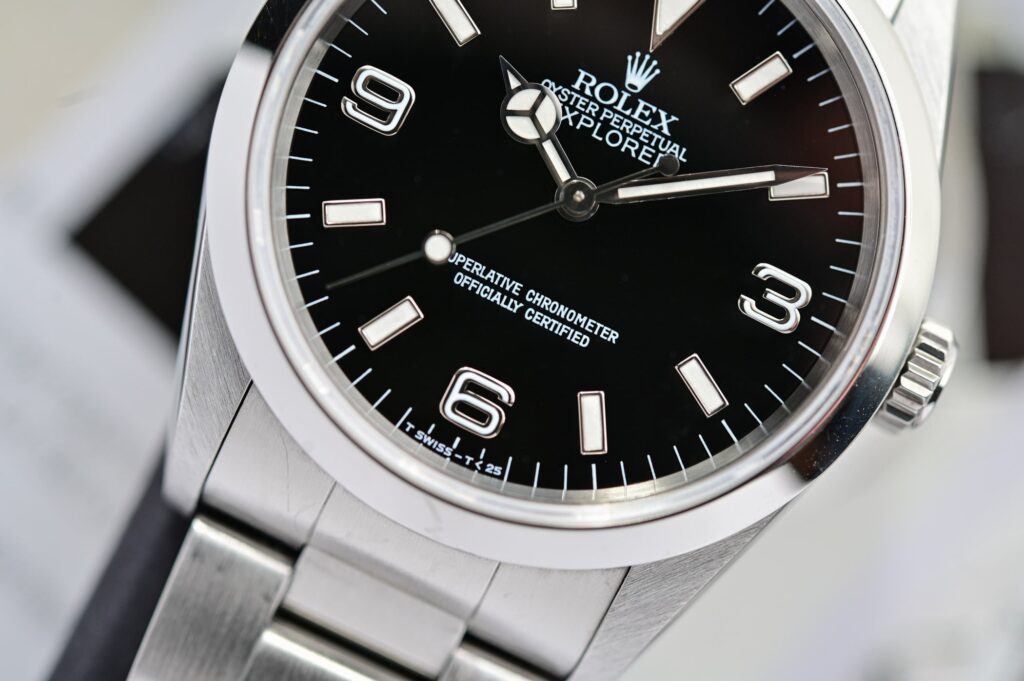
Today, central seconds feels like the default on many watches, while small seconds survives as a deliberate nod to classical construction and dial balance.
Why seconds mattered beyond the watchmaker’s bench
For ordinary time-telling, seconds are often unnecessary.
Most people don’t need to know the exact second when they leave for dinner, answer an email or catch a train.
The first serious need for seconds came from science, particularly astronomy.
Astronomers used fine divisions of time to observe celestial events and to divide the mean solar day, which is measured as 86,400 seconds.
The word “second” comes from the Latin “pars minuta secunda”, meaning the second small part.
In other words, it was originally part of a fractional system, following the minute as the next division of the hour.
Once clocks and watches could show seconds reliably, that precision moved from observatories into public life.
Seconds became useful for sport, navigation, industry, medicine and any activity where elapsed time mattered more than simply knowing the hour.
The chronograph made seconds active
The ordinary seconds hand shows the passing moment, but the chronograph gave watchmakers a way to measure events independently.
That distinction changed the role of the watch from passive timekeeper to active instrument.
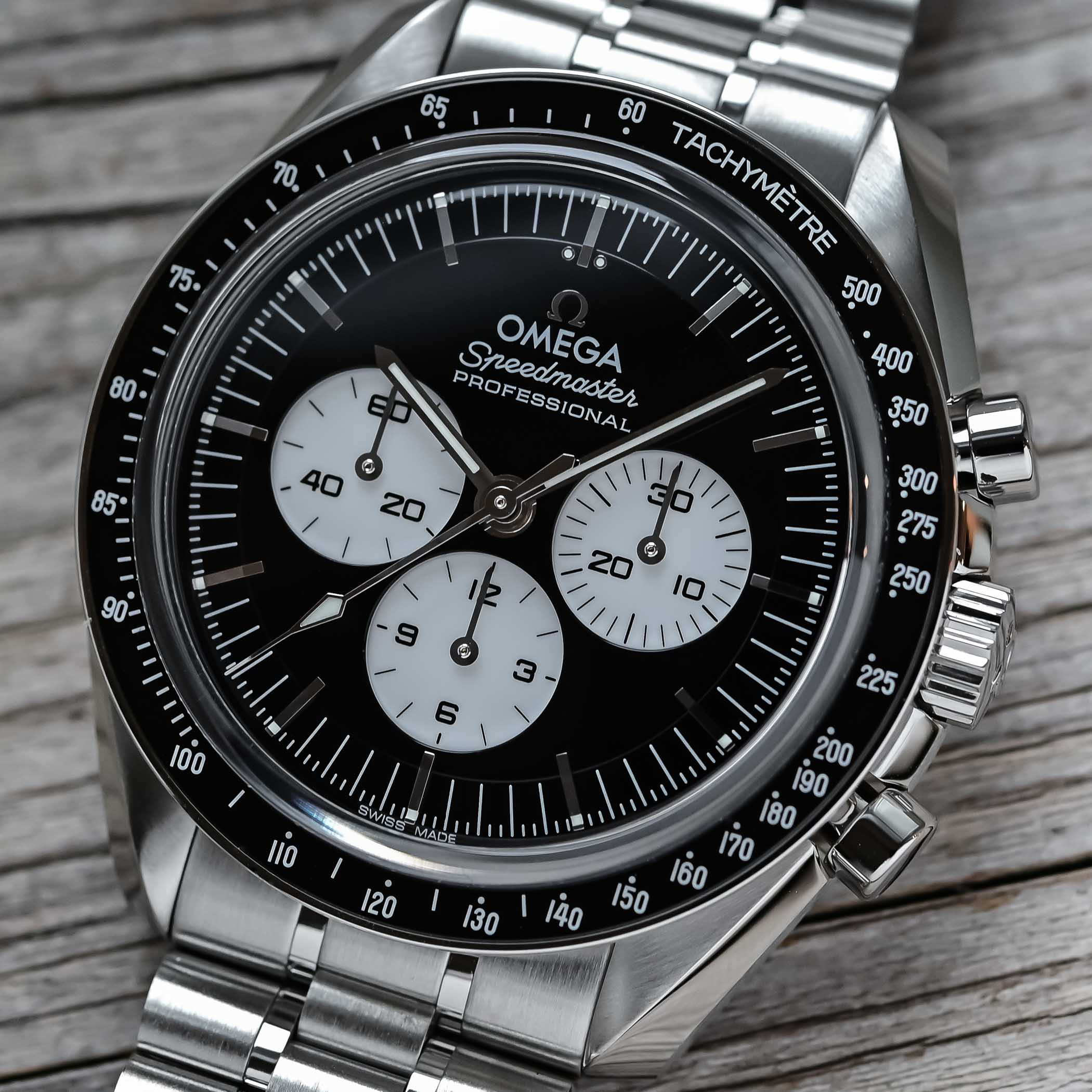
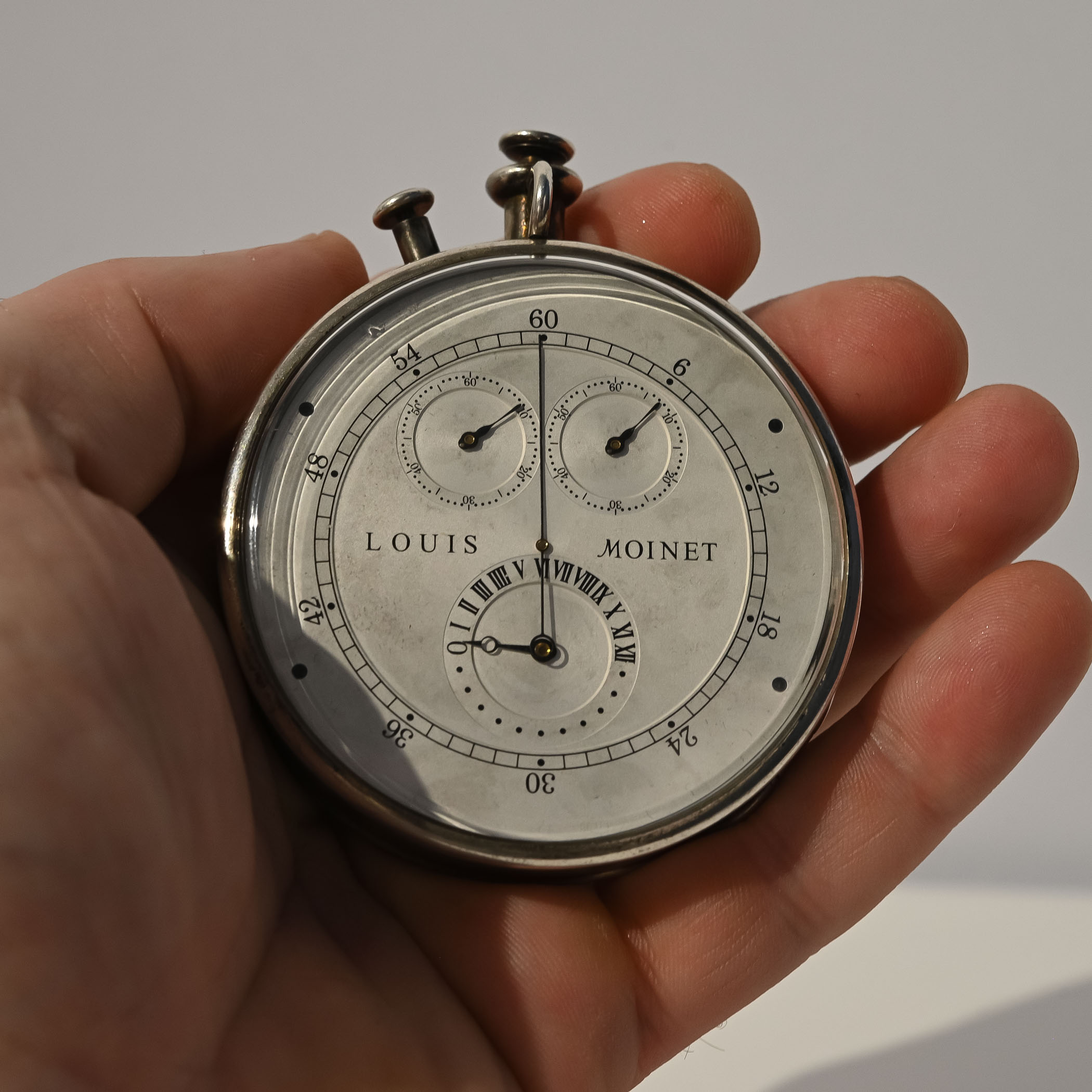
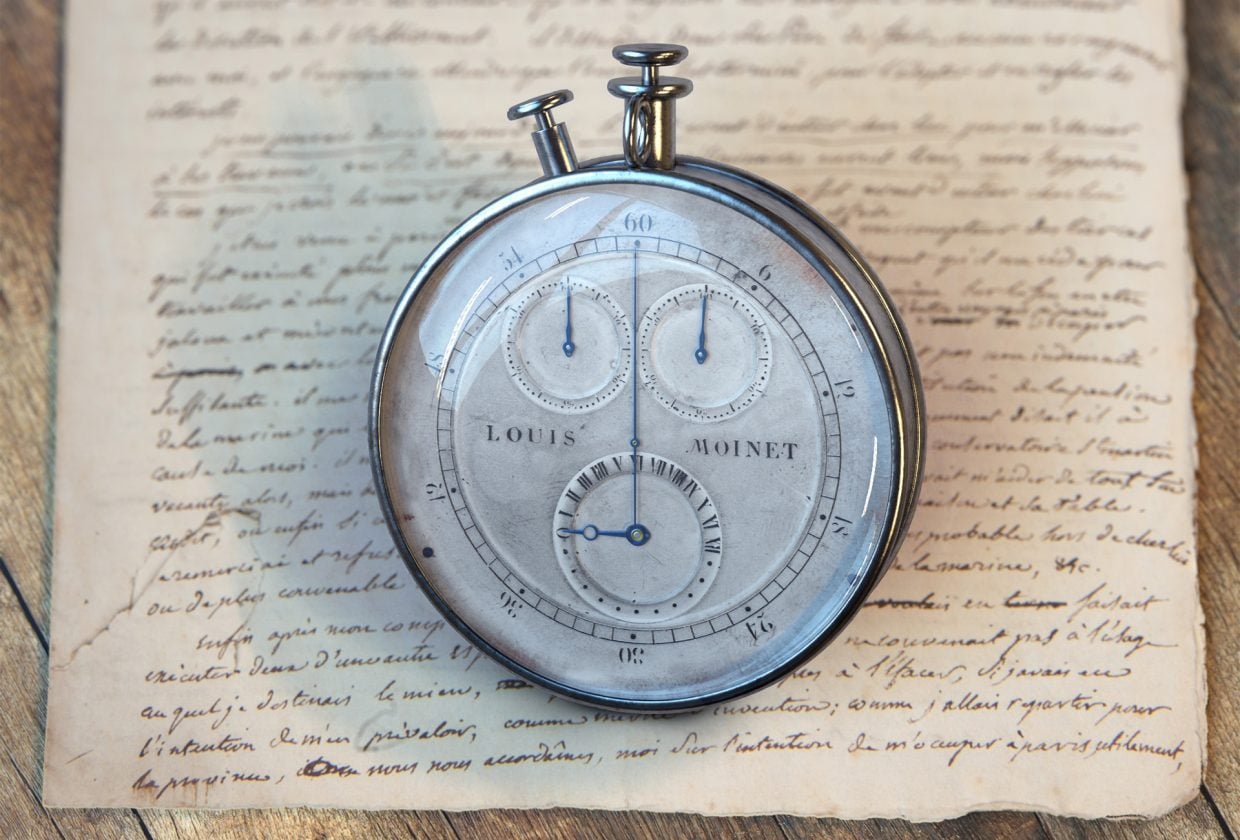
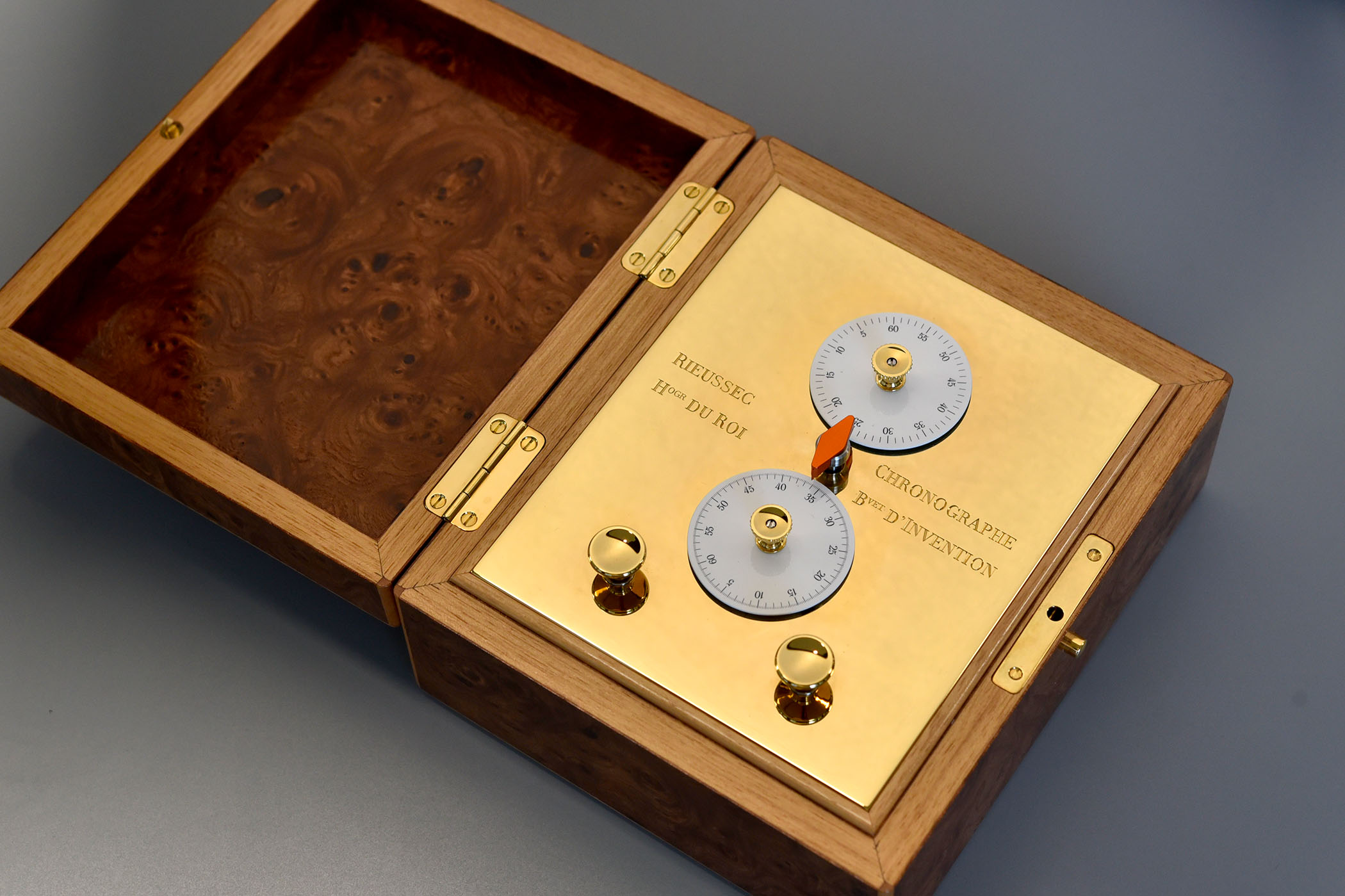
One of the earliest commercially available chronographs was created in 1821 by French watchmaker Nicolas Mathieu Rieussec for King Louis XVIII, who wanted to time horse races.
Rieussec’s device used ink to mark elapsed time on a rotating dial, which explains the name chronograph, drawn from the Greek words for time and writing.
The mechanism looks archaic beside a modern chronograph, but the underlying idea was powerful.
It allowed a user to start, stop and record a specific interval rather than merely watch the seconds hand pass.
In 1862, Swiss watchmaker Adolphe Nicole patented a mechanism that could instantly reset a chronograph seconds hand to zero, an essential step toward the modern stopwatch function.
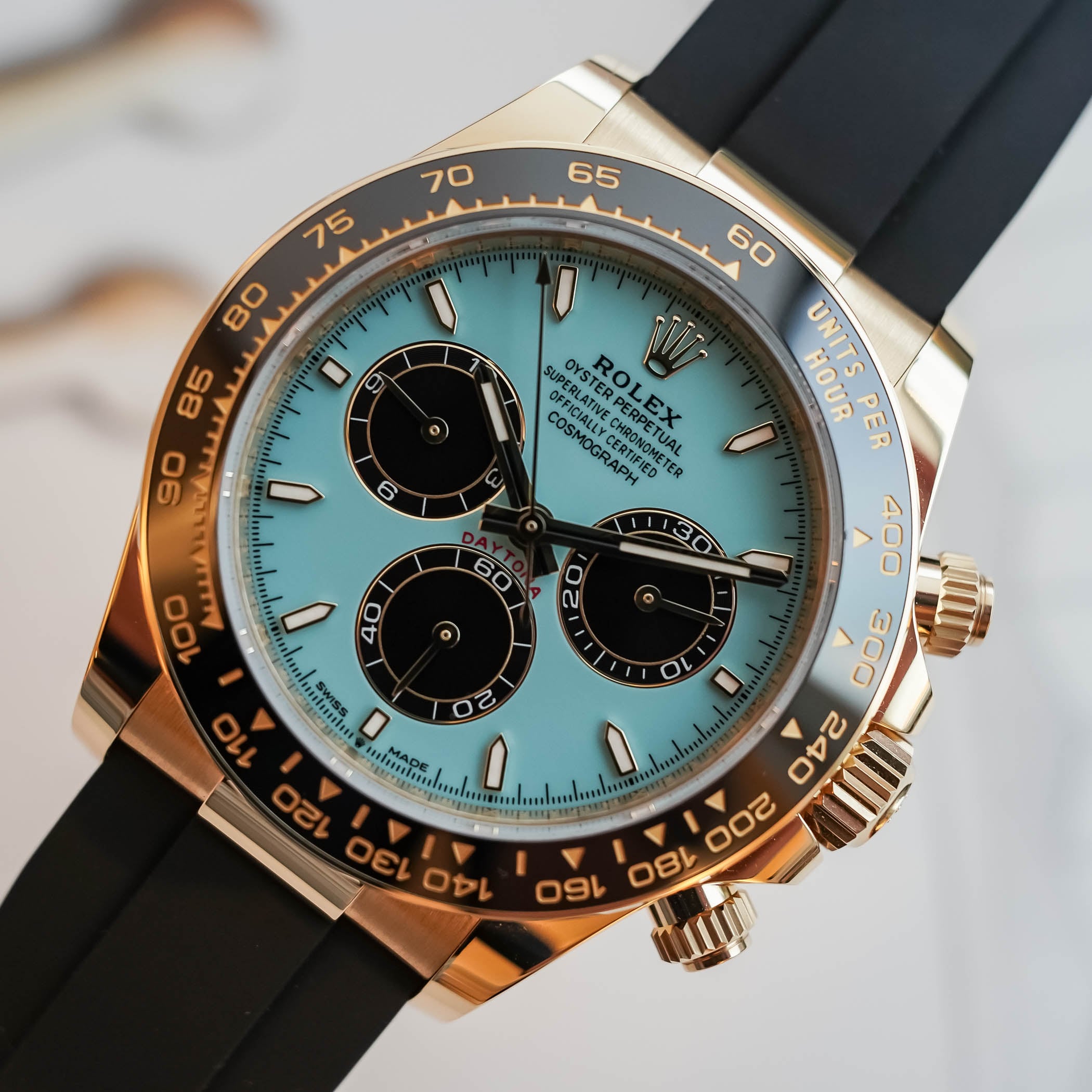
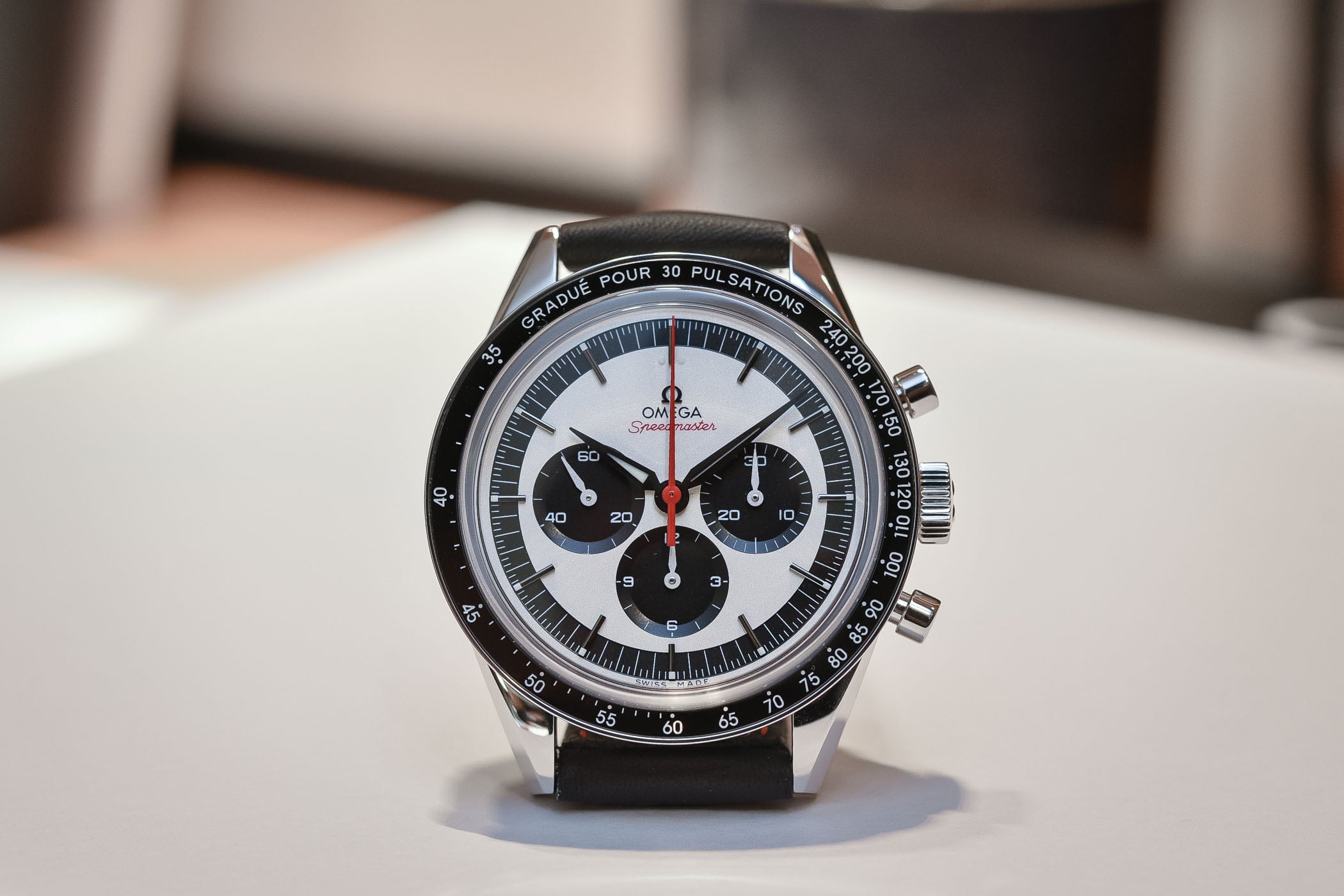
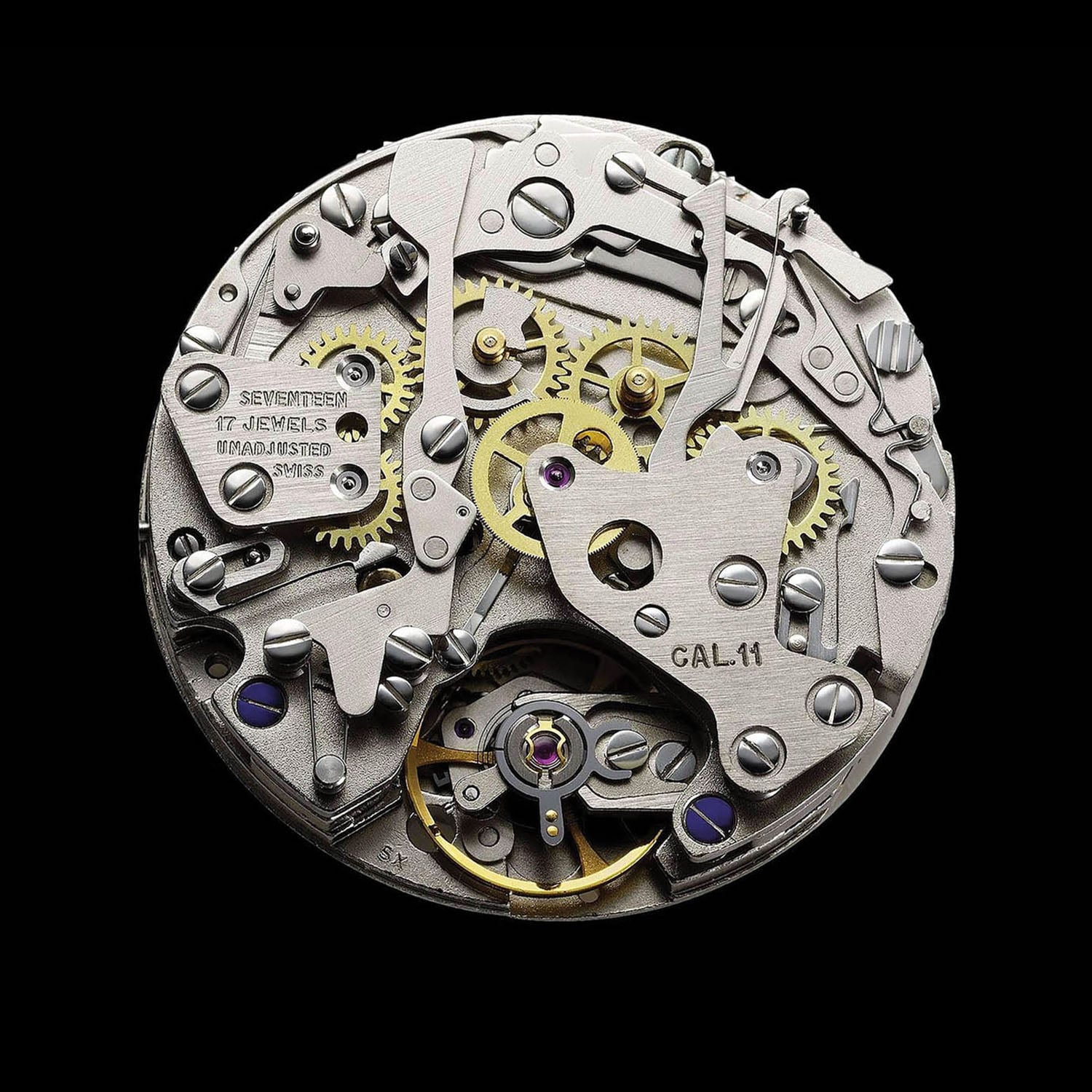
Later, Breitling helped define the wristwatch chronograph layout, first with an independent pusher and then, in 1934, with a two-pusher system that remains the familiar standard.
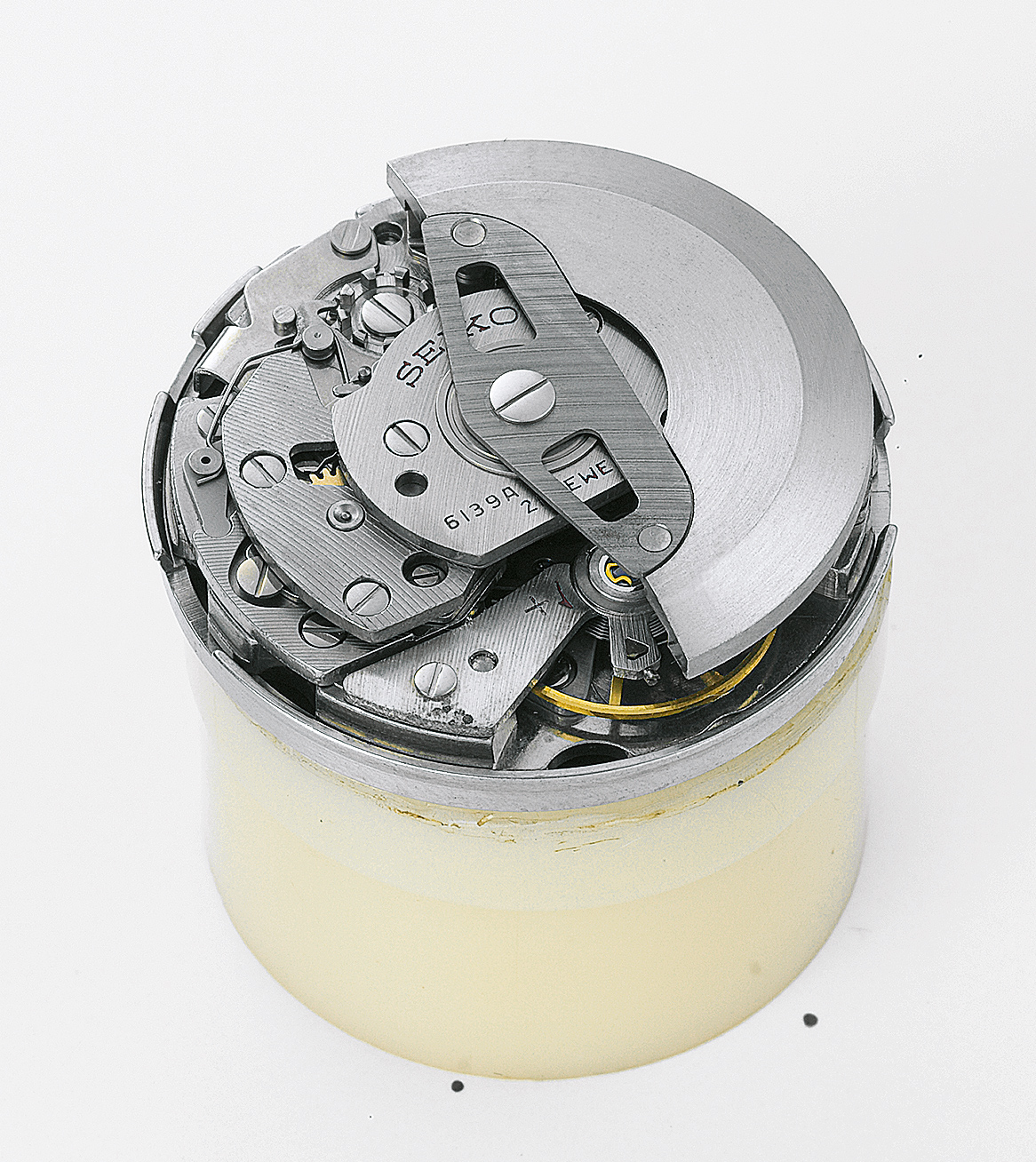
The automatic chronograph arrived much later, with 1969 marking a watershed year for self-winding chronograph movements.
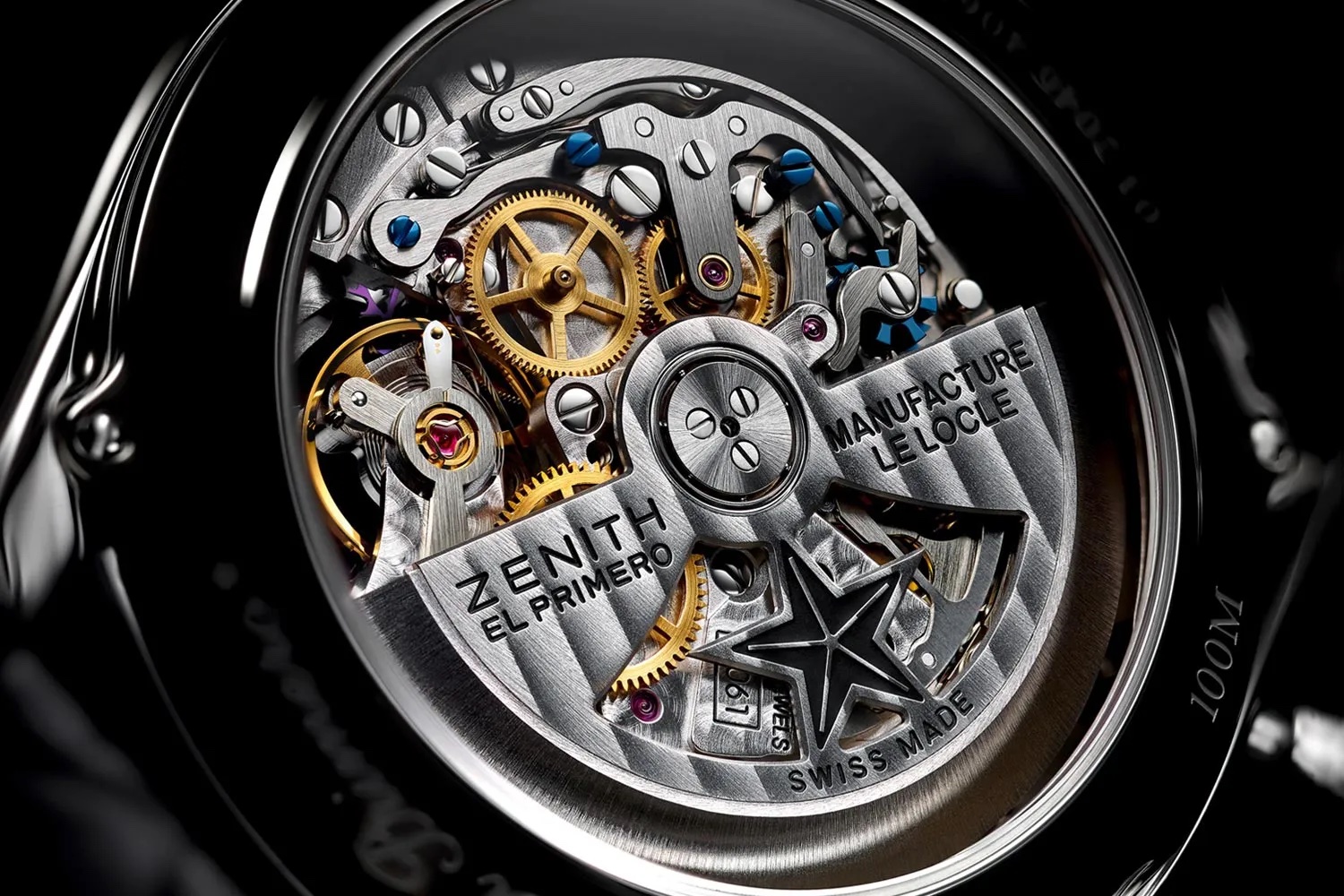
Zenith announced the El Primero prototype at the start of that year, while Seiko’s Calibre 6139 became one of the first automatic chronographs to reach buyers.
By then, the seconds hand had travelled a long way from astronomical necessity to everyday expectation.
Its journey explains why even the smallest hand on the dial carries so much history, linking the early science of time measurement with the practical pleasures of modern watchmaking.