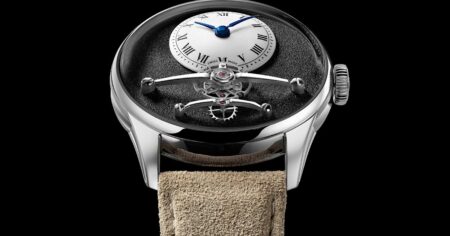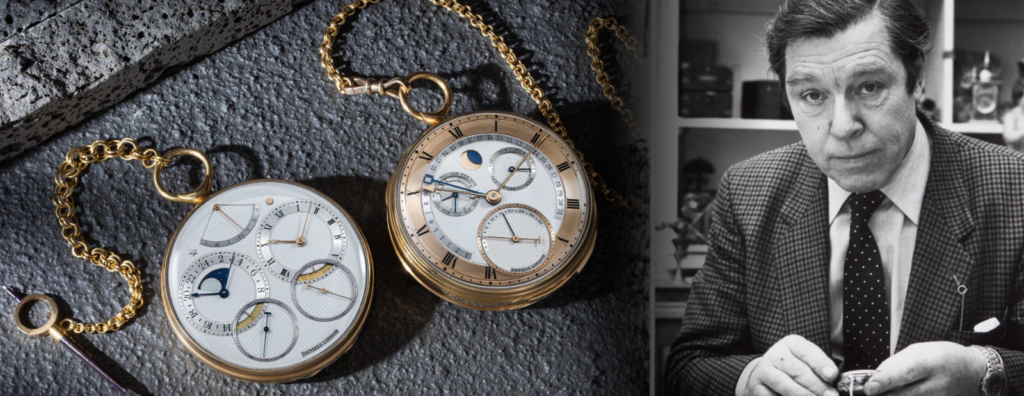
George Daniels occupies a rare place in watchmaking because his legacy isn’t confined to one invention, one school or one celebrated timepiece.
He changed the idea of what a watchmaker could be.
Before independent watchmaking became a recognised field, Daniels showed that one person could conceive, engineer, finish and assemble a complete watch by hand, at a level that challenged the finest established maisons.
His story is as much about self-reliance as it is about precision.
At a glance
- George Daniels helped define modern independent watchmaking by proving that a single maker could create complete watches by hand.
- His Co-Axial escapement became the only fundamentally new escapement design to enter mass production in the 20th century.
- His influence runs through later independent masters, including Roger W. Smith, François-Paul Journe, Philippe Dufour and Kari Voutilainen.
From Edgware hardship to a life in mechanisms
Daniels was born in Edgware, north London, in August 1926, into a household marked by poverty and instability.
By his own recollection, the family home had one chair, shared among 11 children and parents with whom he was never especially close.
His father repaired radios during the day, while the domestic atmosphere at night could be violent and difficult.
Even his legal identity had an unusual beginning, as Daniels later discovered there was no birth certificate because his parents had not yet married when he was born.
The moment that redirected his life came when he was five years old.
He found a broken watch at home, opened it with a bread knife and encountered a mechanical world that would hold his attention for the next eight decades.
Years later, he described that first glimpse inside a watch as like seeing the centre of the universe.
Daniels left school at 14 and took work in a mattress factory, repairing watches door to door outside working hours.
During National Service in Suez in 1945, he continued repairing watches for fellow soldiers and earned enough from the trade that he barely touched his army pay for two and a half years.
When he was demobilised with £50, he began building his working life around watches, teaching himself how to make each component by hand.
That discipline would later be recognised as the Daniels Method, a demanding approach in which one maker creates the watch from raw materials through to the finished object.
The Daniels Method and the independence it demanded
Daniels did not arrive through the familiar channels of Swiss manufacture culture.
He built his authority piece by piece, learning repair, construction, finishing and design with the stubborn independence that became his signature.
He later formalised his horological education through evening classes at the Northampton Polytechnic Institute under the direction of the British Horological Institute.
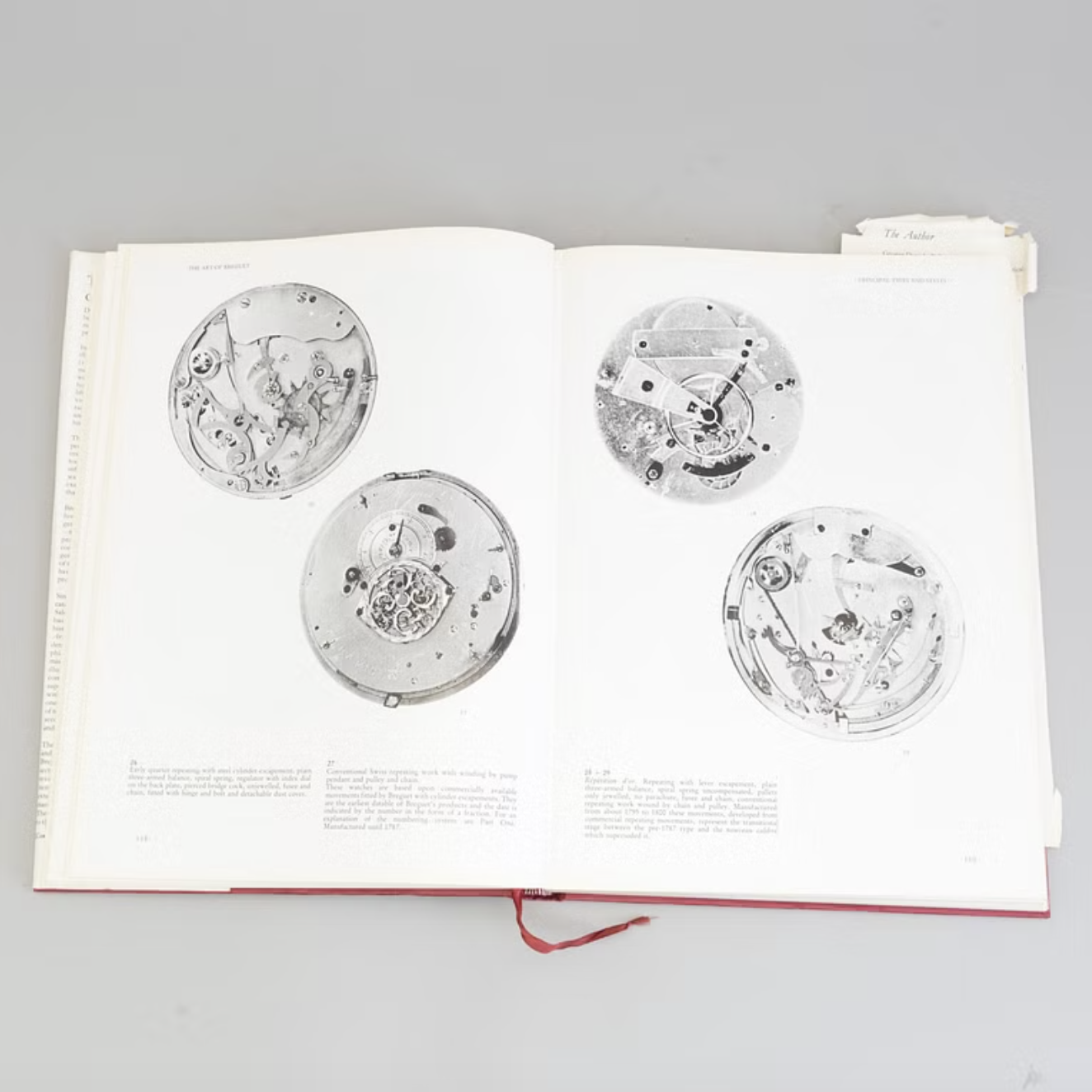
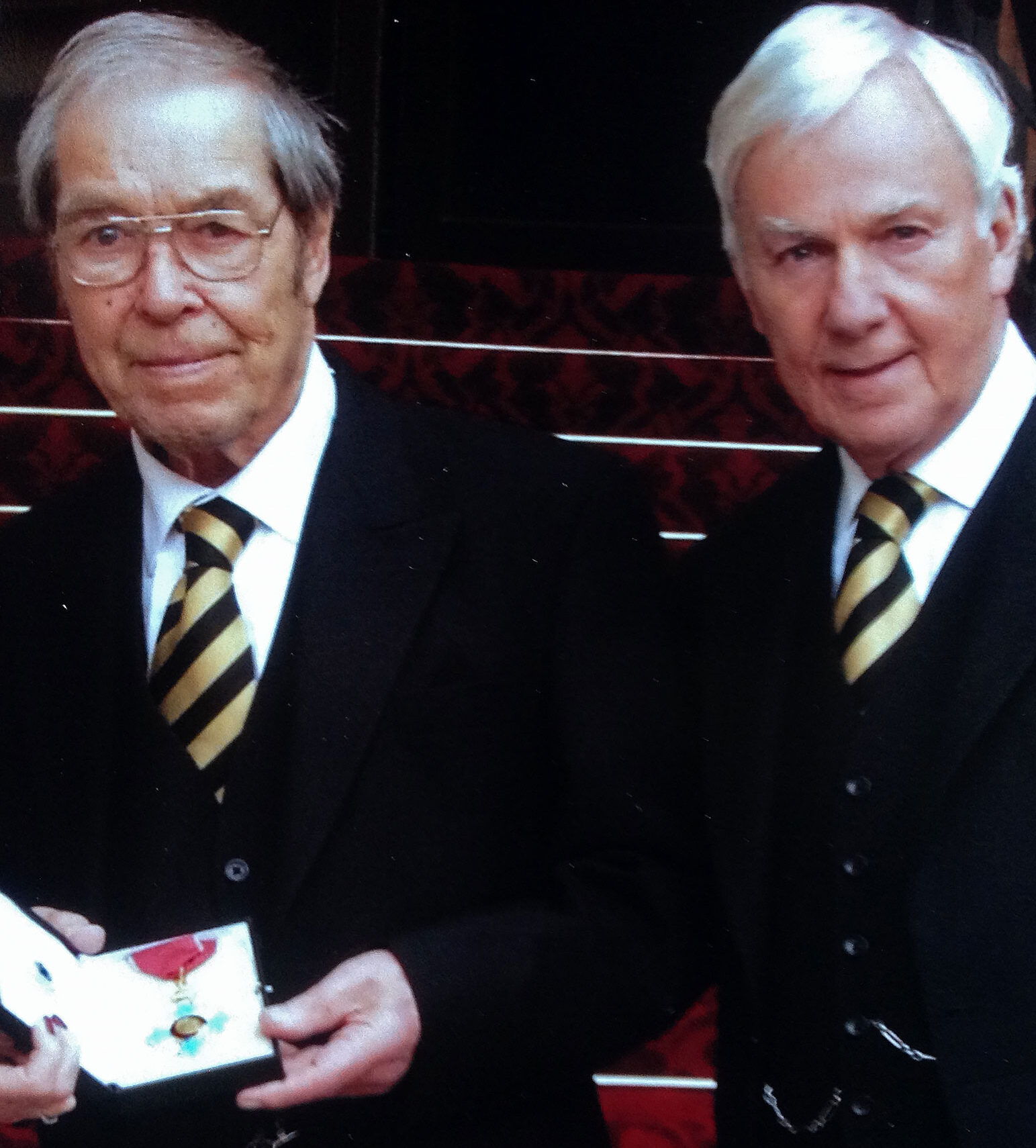
The British Horological Institute awarded him certificates in 1949, 1950 and 1952, and the Polytechnic, now City St George’s, University of London, later awarded him an Honorary Doctor of Science.
What made Daniels exceptional was not simply that he could make a watch.
It was that he could make the entire watch, including wheels, pinions, screws and regulating systems, with a coherence of hand and mind rarely seen in any mechanical art.
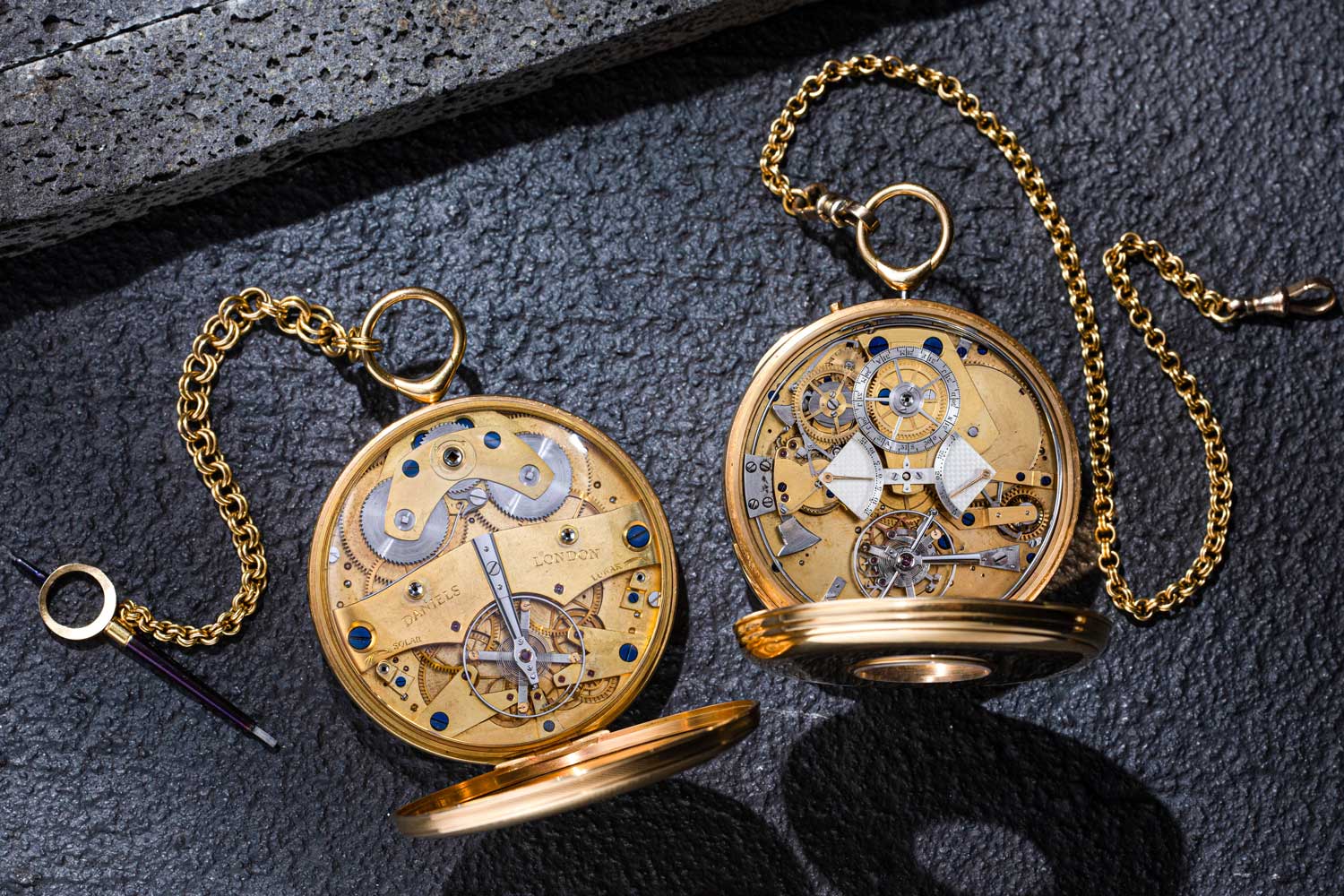
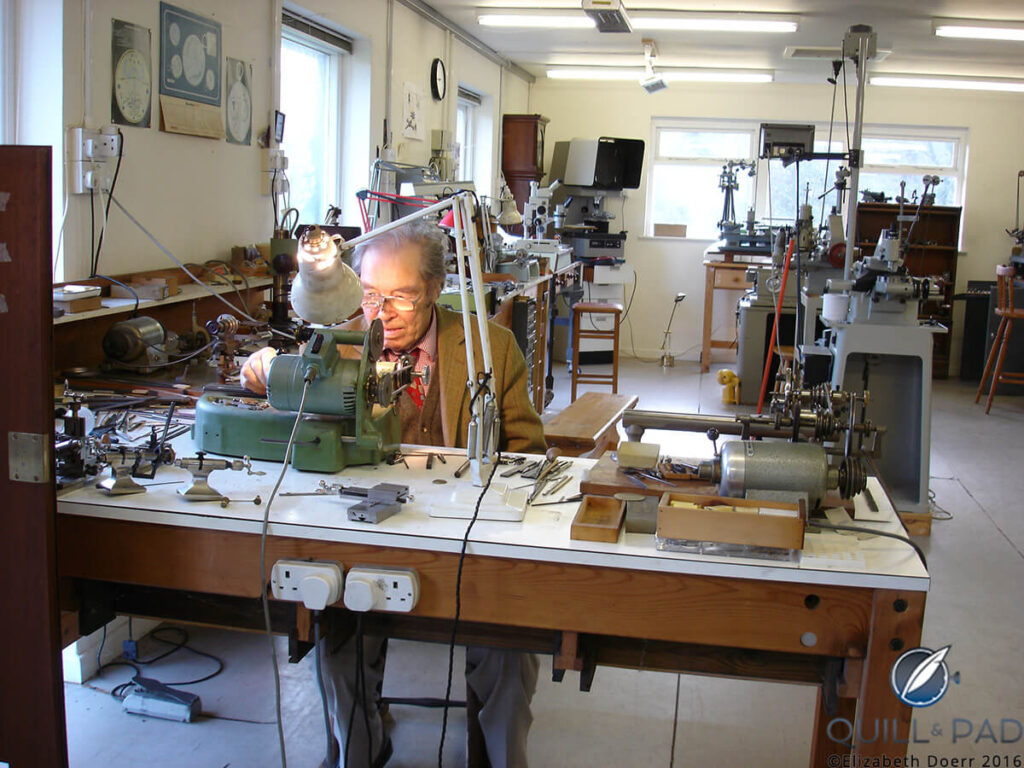
Working largely alone on the Isle of Man, he pursued horology not as industrial production but as authorship.
In that sense, he helped create the template for the modern independent watchmaker, the maker whose name is not just on the dial but embedded in every technical and aesthetic decision.
The Co-Axial escapement and a new mechanical argument
Daniels’ most widely known technical achievement is the Co-Axial escapement.
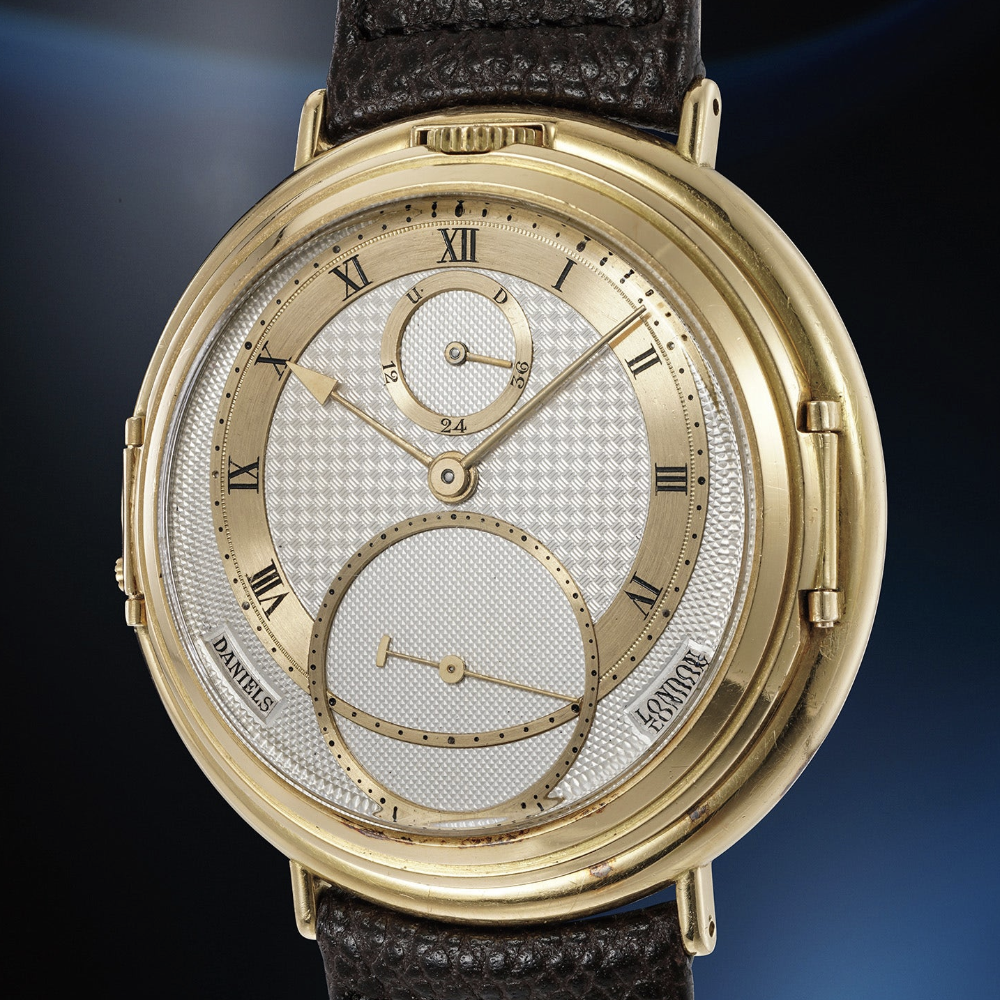
Its significance lies in the fact that it became the only fundamentally new escapement design to enter mass production in the 20th century.
That achievement matters because escapements sit at the intellectual centre of mechanical watchmaking.
They govern the release of energy, the rhythm of the mechanism and the long-running fight against friction.
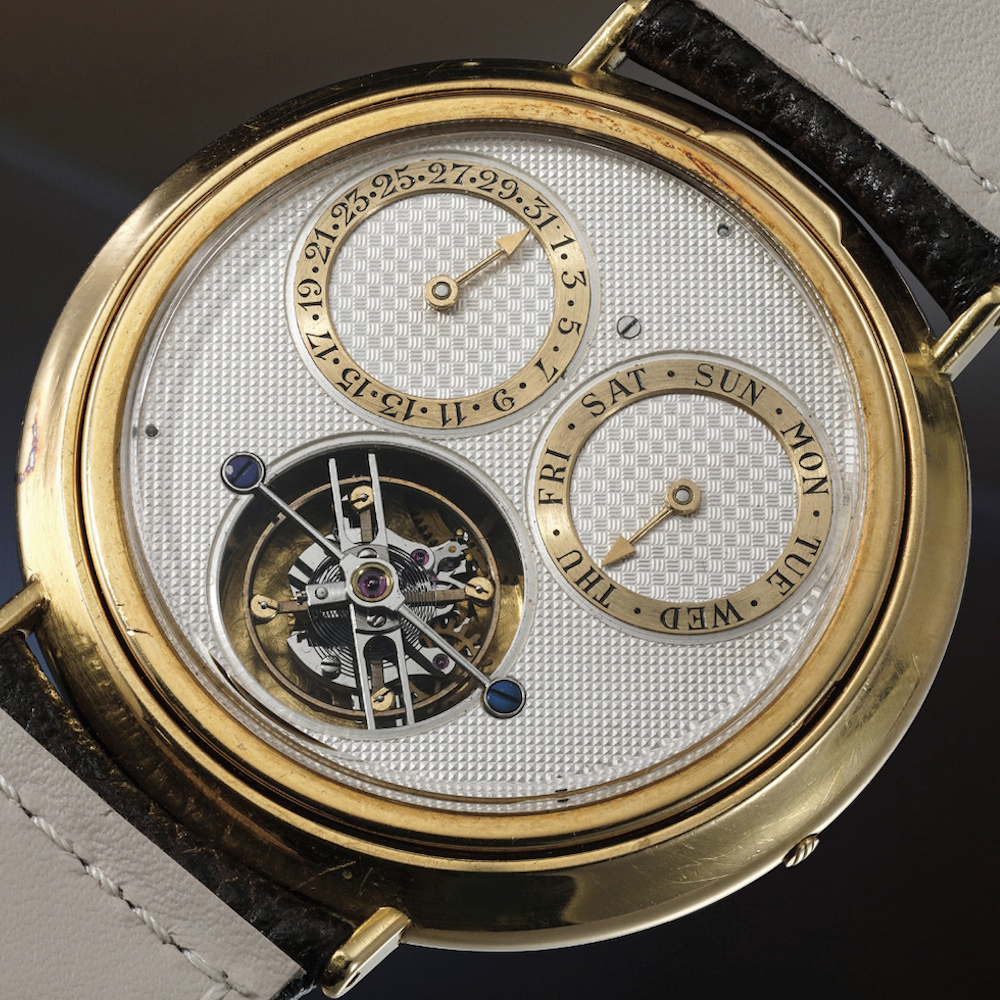
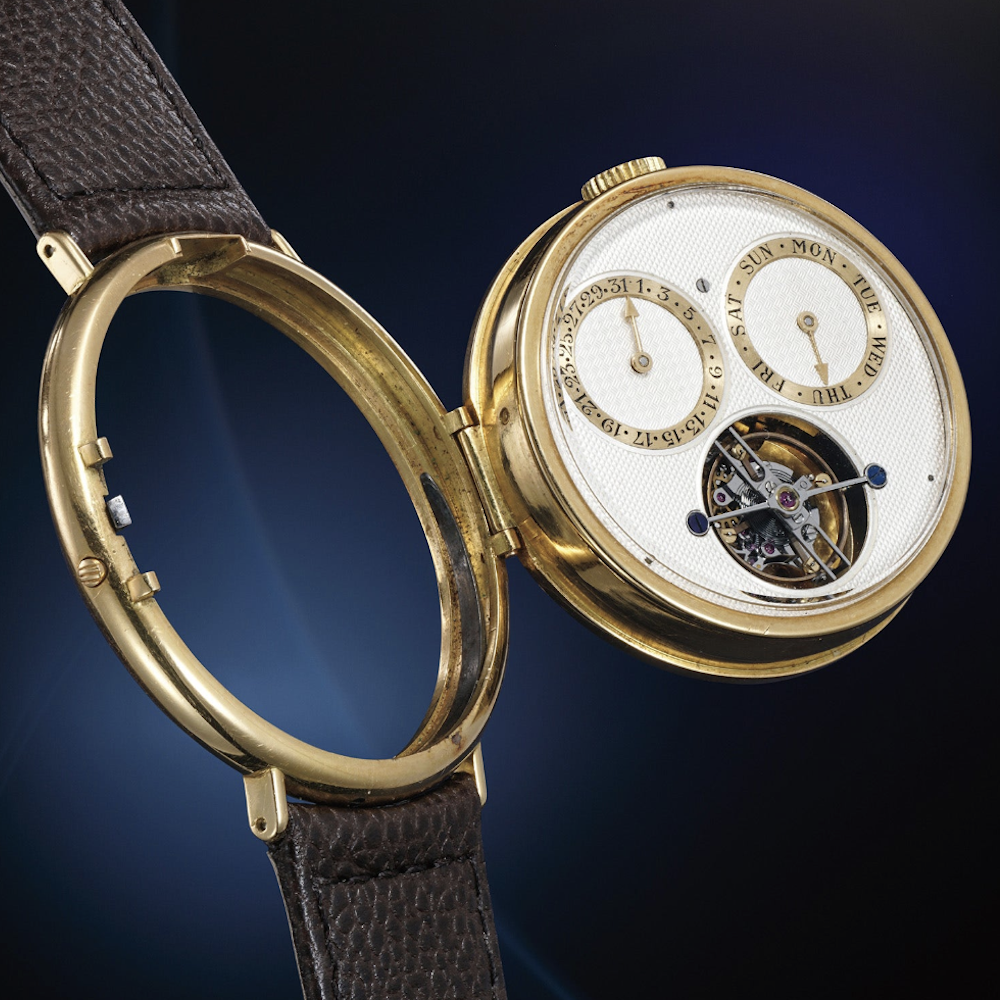
Daniels also worked with demanding constructions including the independent double-wheel escapement, tourbillons and remontoirs.
These were not decorative exercises for him.
They were ways of testing how far classical horology could be refined when one person accepted responsibility for the whole machine.
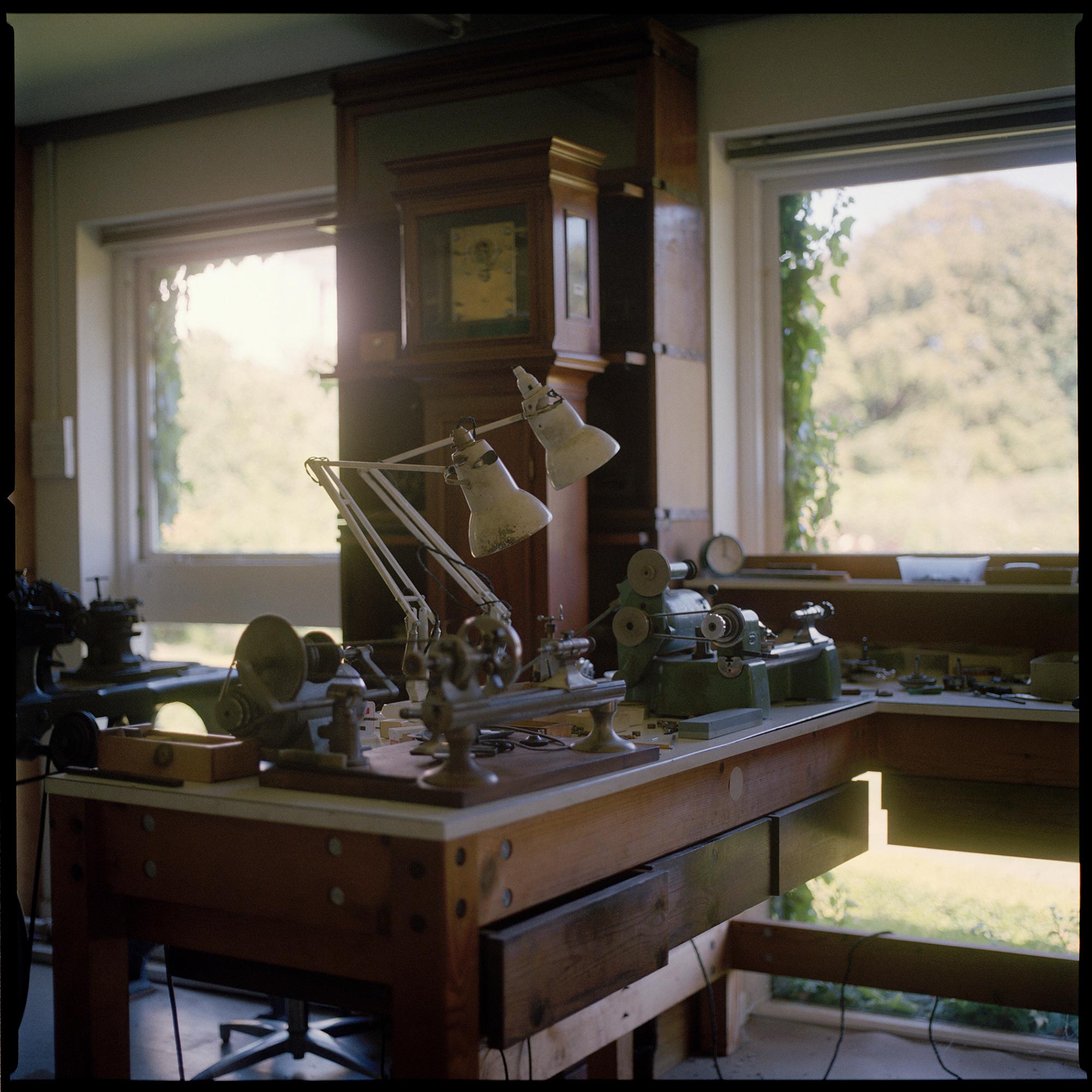
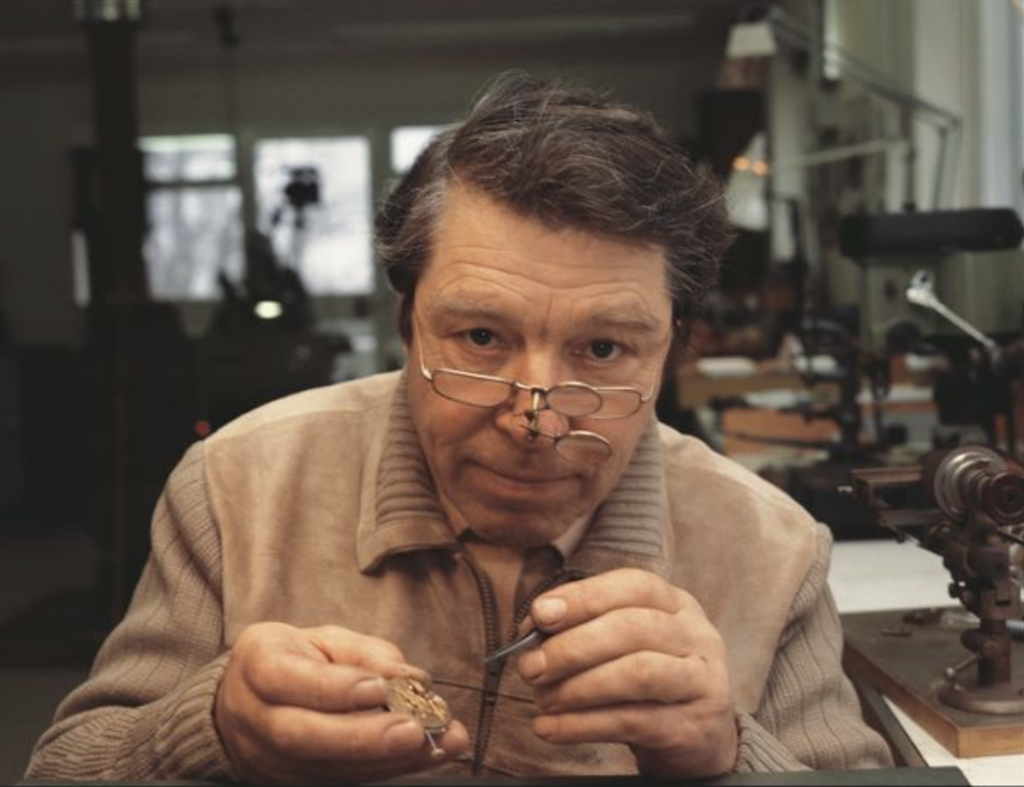
On his workbench, Daniels kept a small tin box he called “the graveyard”, a fittingly dry name for the parts and attempts that did not meet his standards.
That detail says almost as much about him as the finished watches do, because his perfectionism was active, practical and unsentimental.
Bentleys, Breguet and the wider mechanical mind
Daniels’ fascination with machinery was never limited to watches.

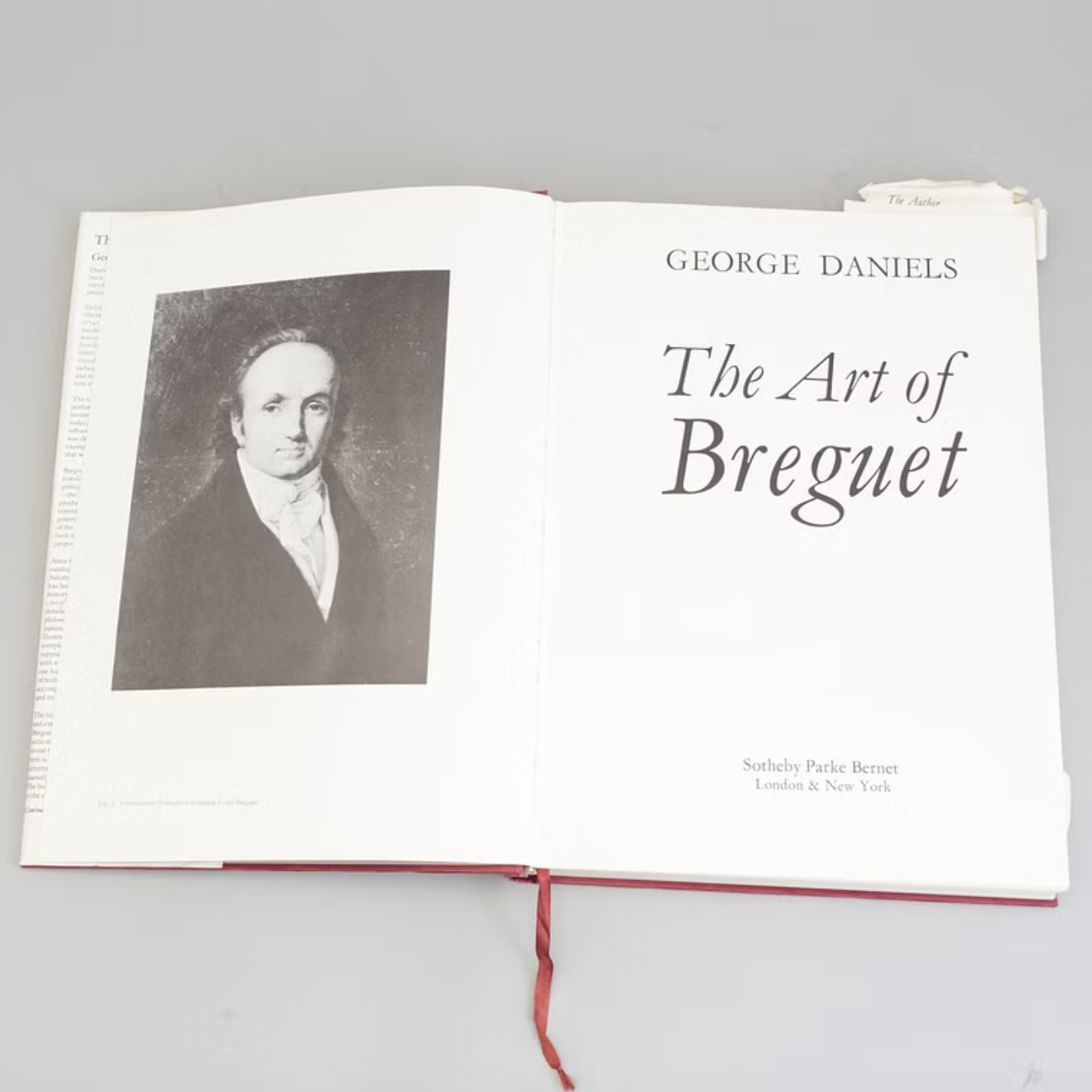
He loved cars, motorcycles, cameras and historic horology, including the work of Breguet.
His cars were not lifestyle ornaments but mechanical companions, understood through the same instincts that guided his watchmaking.
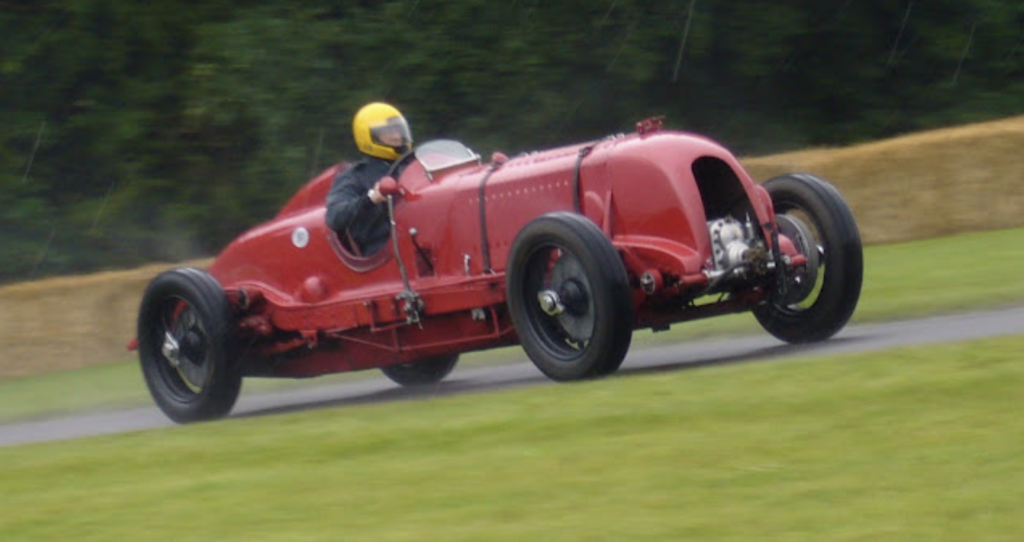
He restored his first Bentley, a derelict 1924 3-litre bought for £100, while working four 16-hour days each week on watch repairs and devoting the fifth day to the car.
That split tells you plenty about Daniels.
For him, a Bentley and a watch were both exercises in friction, tolerance, rhythm and purposeful beauty.
The image of Daniels in a vintage Bentley suits the mythology, but the deeper point is less romantic and more revealing.
He was drawn to machines that rewarded exacting attention and punished approximation.
The independent watchmakers who followed
Daniels’ influence is visible in the generation of independent watchmakers who came after him.
Names such as Philippe Dufour, François-Paul Journe, Kari Voutilainen, Denis Flageollet, Rexhep Rexhepi and Roger W. Smith all belong to a world Daniels helped make conceivable.
Smith, his protégé, is the most direct continuation of that lineage.
Journe once honoured Daniels by calling him the pioneer who showed the path to “horology of Art, a non-utilitarian horology.”
That phrase captures the shift Daniels embodied.
A watch could tell time, but it could also become a complete statement of intellectual independence, taste, discipline and hand skill.
Modern collectors often speak about independent watchmaking as though it has always been a recognised category.
Daniels reminds us that someone had to make that category believable first.
His achievement was not only to produce remarkable watches, but to prove that authorship in horology could survive outside the factory system.
For today’s collectors, that’s why George Daniels remains more than a great name from watchmaking history.
He is the figure who made the solitary bench feel as consequential as the grand manufacture.