Geneva’s autumn watch auctions produced the kind of figures that reshape the conversation around the collecting market.
Phillips passed a symbolic threshold with a live watch sale above $100 million, while Christie’s hosted a charity auction that turned unique pieces and notable provenance into meaningful funding for medical research.
Beyond the headline totals, the results reinforced a familiar truth in a sharper way: rarity, condition, provenance and independent watchmaking remain powerful forces at the top end of the market.
At a glance
- Phillips’ Geneva Watch Auction: XXIV reached $112.3 million, becoming the first live watch sale to exceed $100 million in total sales value.
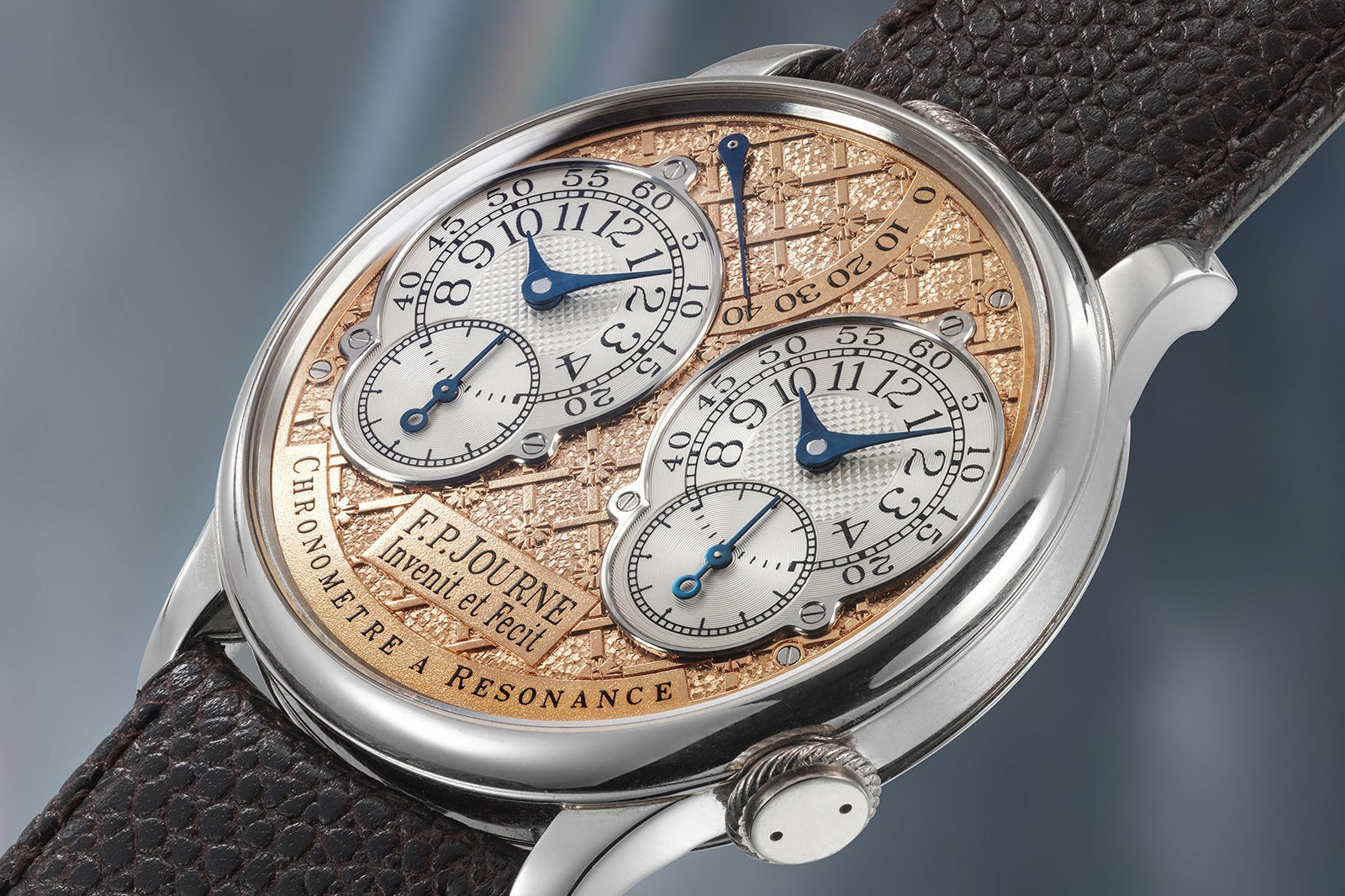
- The top result was the F. P. Journe Chronomètre à Résonance “Régence”, which sold for CHF 8,680,500.
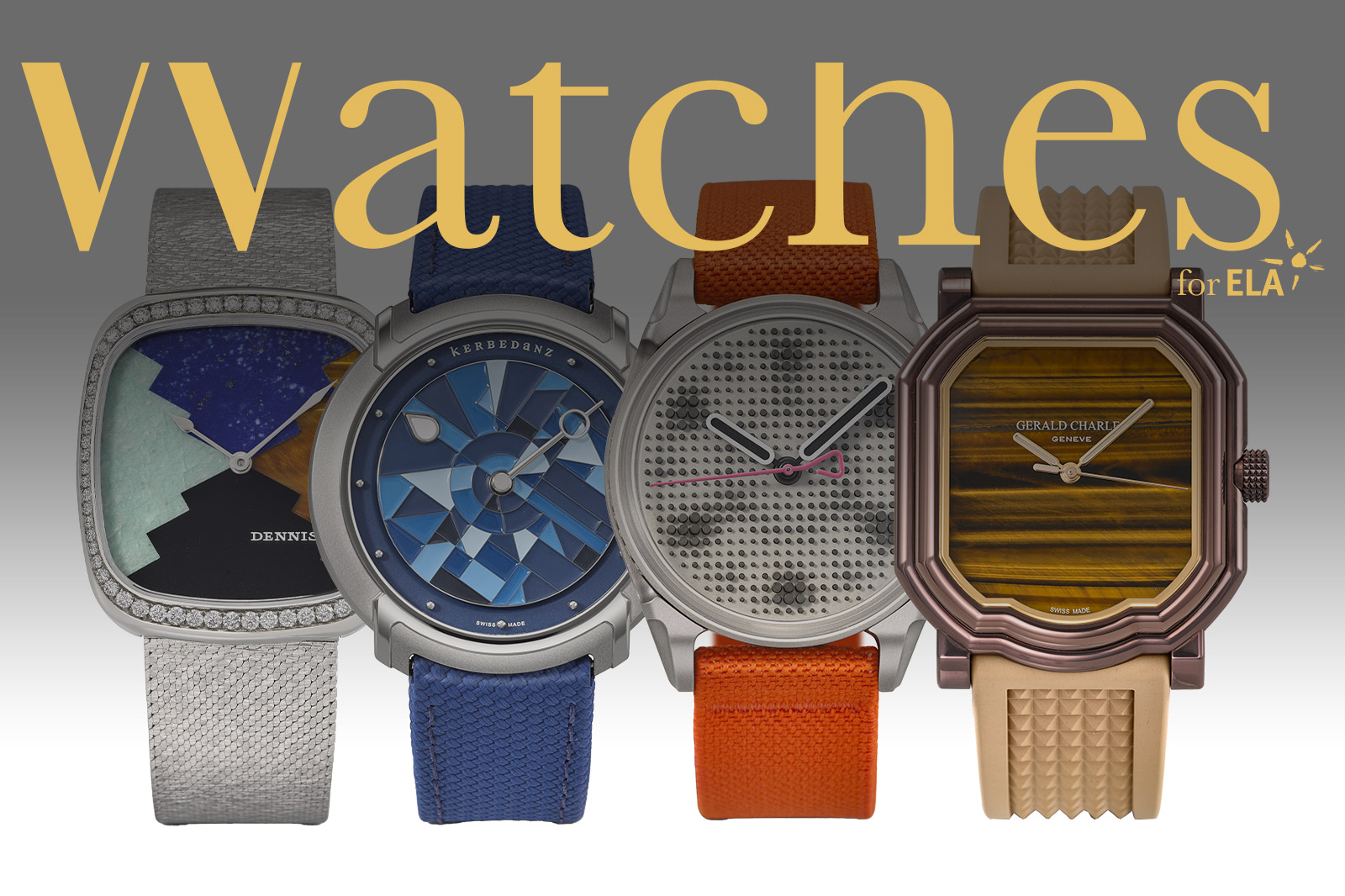
- Watches For ELA raised $615,000 at Christie’s to support research into leukodystrophies.
Phillips crosses a new auction threshold in Geneva
Phillips’ The Geneva Watch Auction: XXIV, held on November 7 and 8, closed at $112,277,184 in total sales.
The figure was also listed as CHF 92,045,568 and €100,780,693, with an approximate sterling equivalent of £83,581,375.
Across 217 lots, 17 watches achieved results above CHF 1 million.
The highest result of the sale was the F. P. Journe Chronomètre à Résonance “Régence”, which reached CHF 8,680,500.
That number matters not only because of the price, but because it underlines how strongly the upper end of the market continues to respond to independent watchmaking at its most distinctive.
Rare Rolex references outperform the usual blue-chip script
Rolex remained central to the Geneva results, but the strongest examples were not the most obvious modern-market staples.
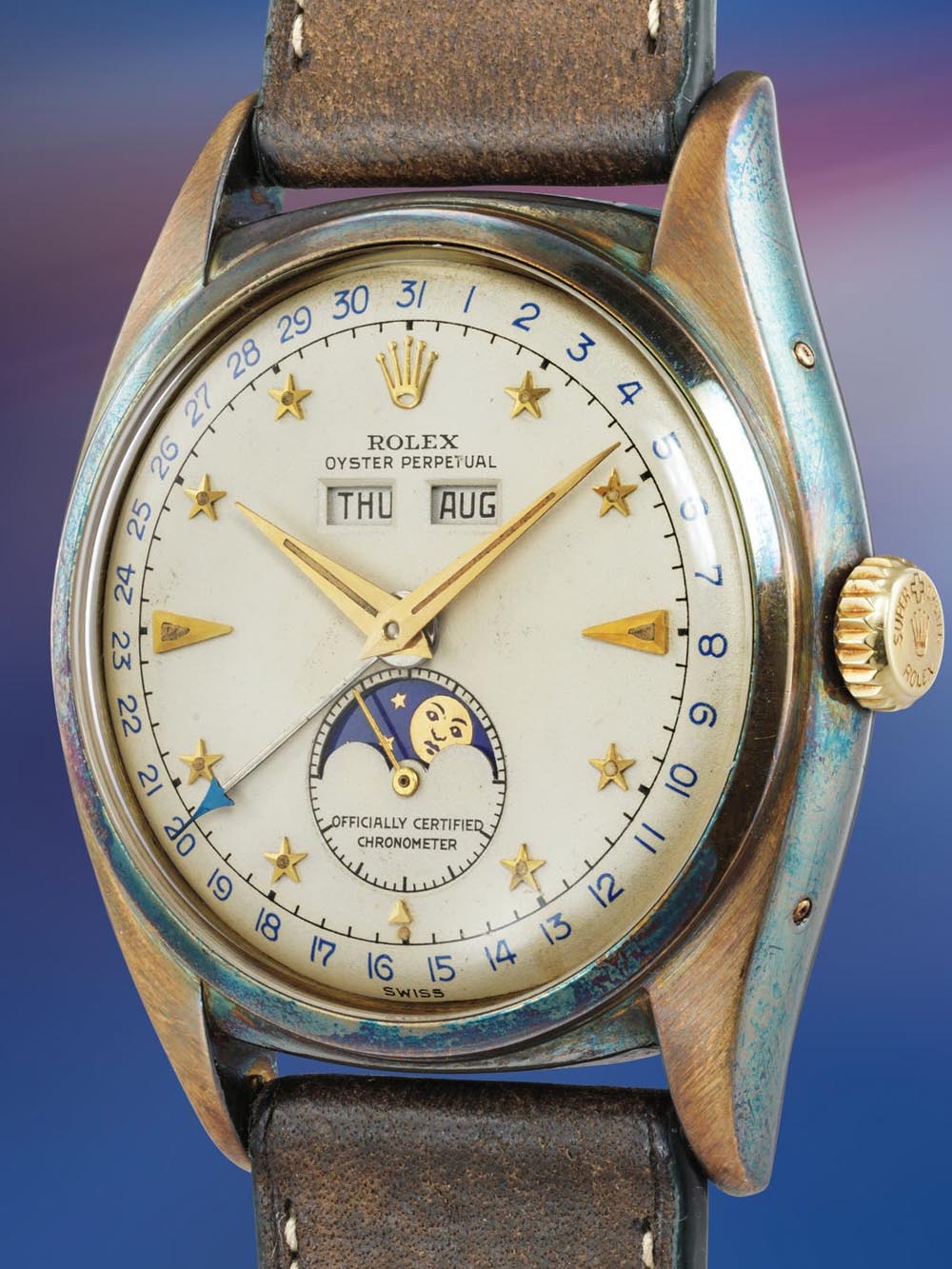
The Rolex Ref. 6062 Time Capsule Stelline, distinguished by its star-shaped hour markers, sold for CHF 2,334,500.
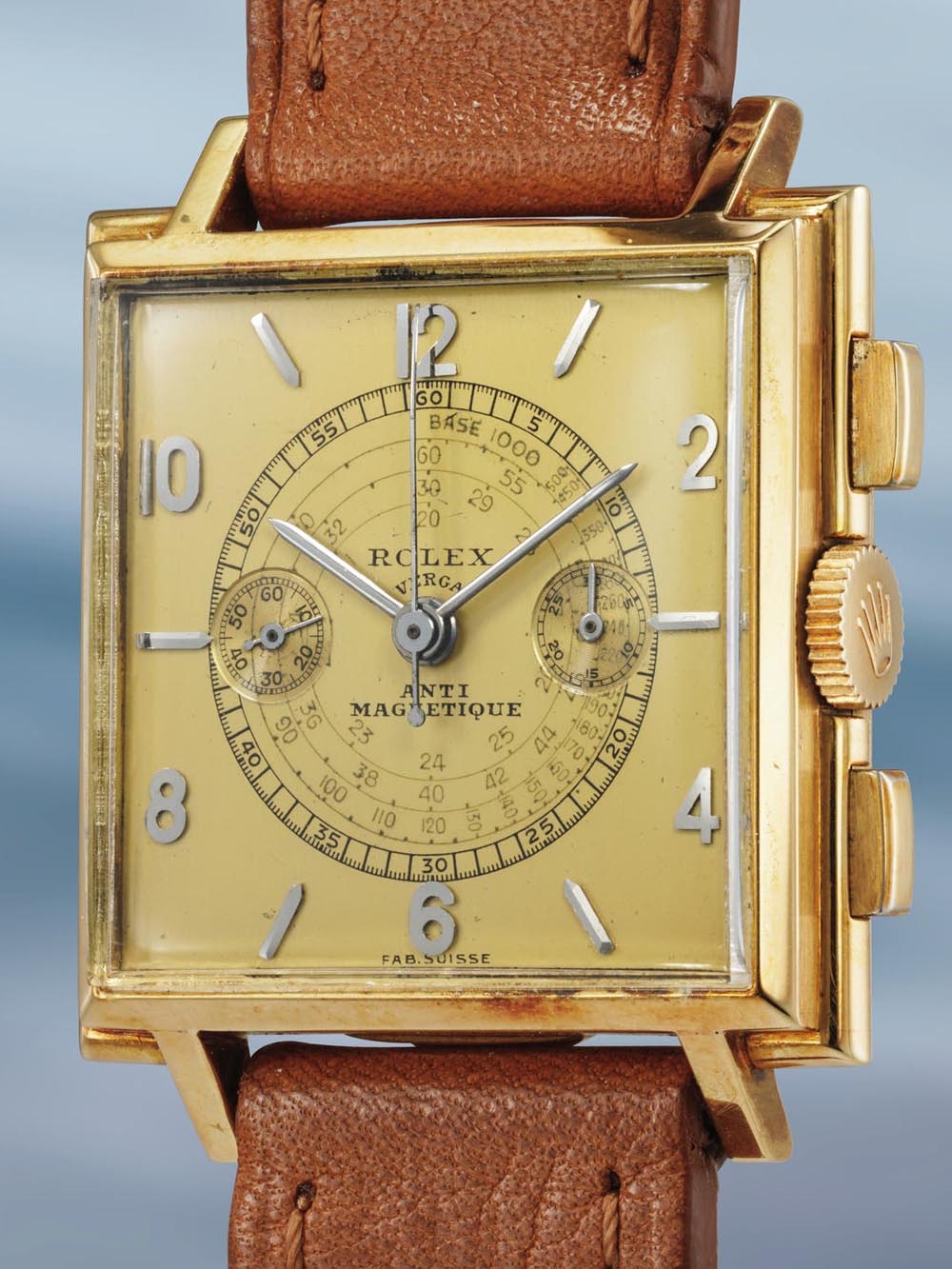
The square-cased Rolex Ref. 3830 Anti-Magnetique “Verga” reached CHF 1,270,000.
Those results show how far unusual configuration can move the needle, even for a brand that appears constantly at auction.
For context, a John Player Special Daytona sold for CHF 1,905,000, still an exceptional result, but the broader message was clear: the market is rewarding uncommon watches with a force that goes beyond standard reference-name recognition.
The million-franc group also included watches from Patek Philippe, Philippe Dufour and Voutilainen.
Taken together, the list suggests continued appetite for both historic prestige and high-end independents when the watch has the right combination of scarcity and collecting significance.
Watches For ELA raises $615,000 for leukodystrophy research
Christie’s hosted Watches For ELA alongside its Rare Watches auction on November 9.
The charity sale featured 21 lots and raised $615,000, listed as CHF 501,400 and approximately £457,900, in support of research into leukodystrophies, a group of rare brain diseases.
Several results stood out well beyond their estimates.
The Cédric Johner Abyss sold for CHF 61,440, while the Felipe Pikullik Mondphase I Skeleton reached CHF 64,000, with both finishing CHF 20,000 above their top estimates.
The headline lot was ELA Ambassador Zinedine Zidane’s personal Cartier Pasha, which sold for CHF 102,400 with buyer’s premium, five times its initial estimate.
Another striking result came from the Kollokium Projekt 01, which reached CHF 24,320 despite being based on a model with a retail price of CHF 3,888.
For a small independent name, that is the kind of charity-auction moment that can expand awareness well beyond its existing collector circle.
Christie’s Rare Watches adds depth to the week
Christie’s Rare Watches auction also delivered a significant total, reaching CHF 47,824,592, or $58,703,706, with an approximate sterling equivalent of £43,723,270.
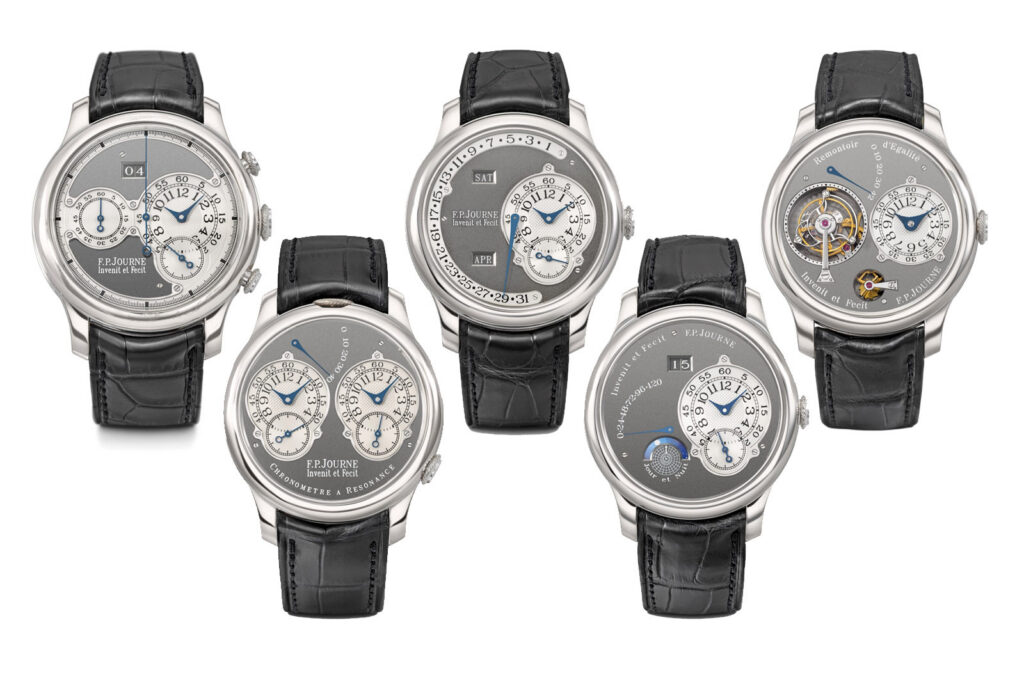
One of the central stories was the sale of the F. P. Journe Ruthenium series, a five-watch collection previously owned by Michael Schumacher.
The watches were offered as separate lots, and each surpassed CHF 1 million.
The Tourbillon and Resonance models each reached CHF 1.5 million.
Christie’s also shared a notable demographic detail: 40% of registered bidders were millennial or Gen Z.
For a market often described through the lens of established collectors, that figure gives a more concrete shape to the generational shift taking place around important watches.
The week’s Geneva results suggest a market that remains highly selective rather than universally exuberant.
Collectors appear willing to stretch for watches with rarity, authorship, provenance or charitable purpose, and the strongest results came when more than one of those qualities met in the same lot.