Favre Leuba has the kind of archive many modern watch brands would be happy to borrow from, but its next chapter isn’t simply about nostalgia.
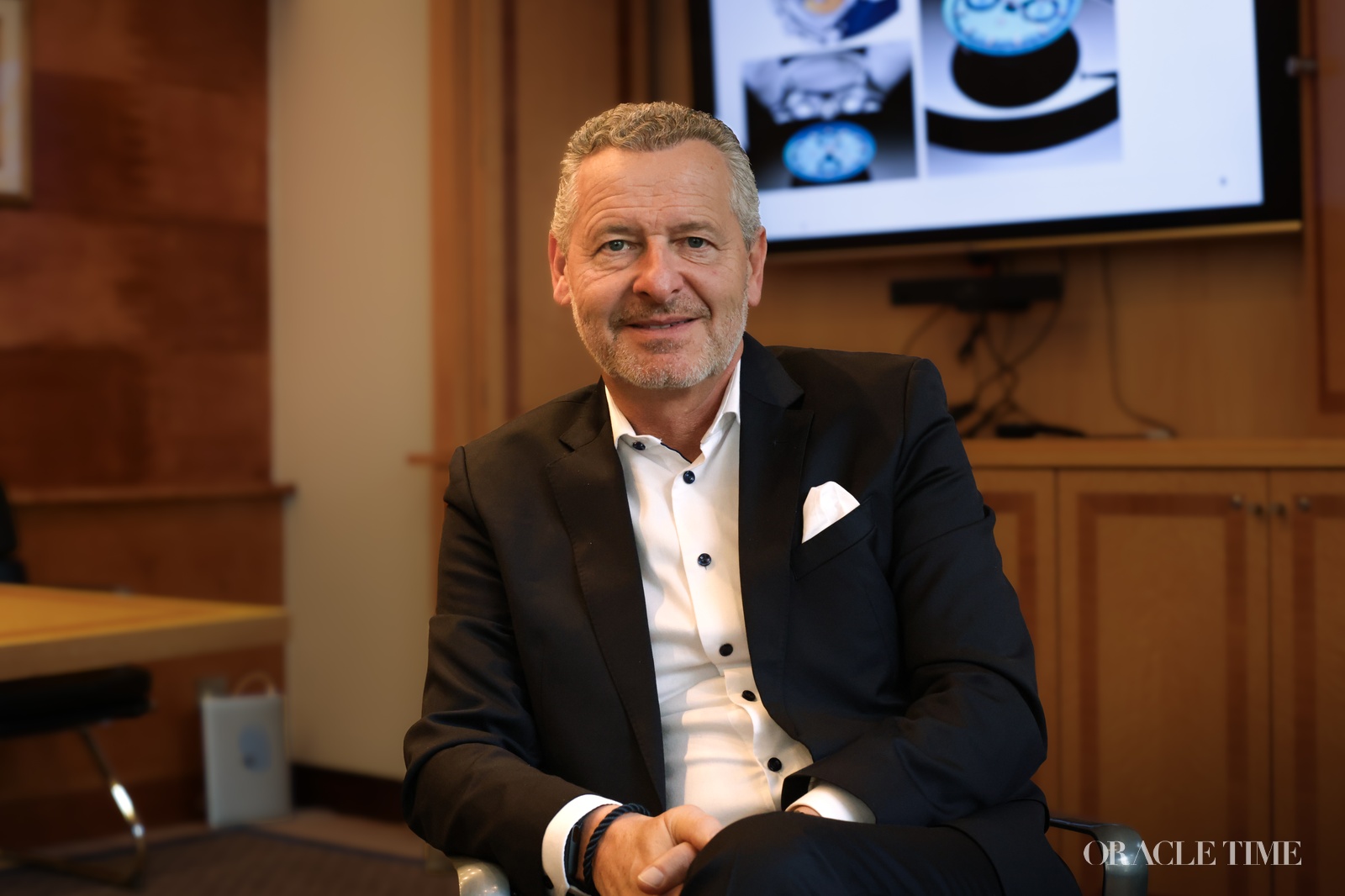
Under CEO Patrik Hoffmann, the Grenchen-based manufacturer is trying to turn a complicated past into a coherent future, led by a renewed focus on wearable watches, retail strength and one of its most important names, the Bivouac.
The key point is simple enough: the Bivouac is coming back, and Hoffmann wants it to matter.
At a glance
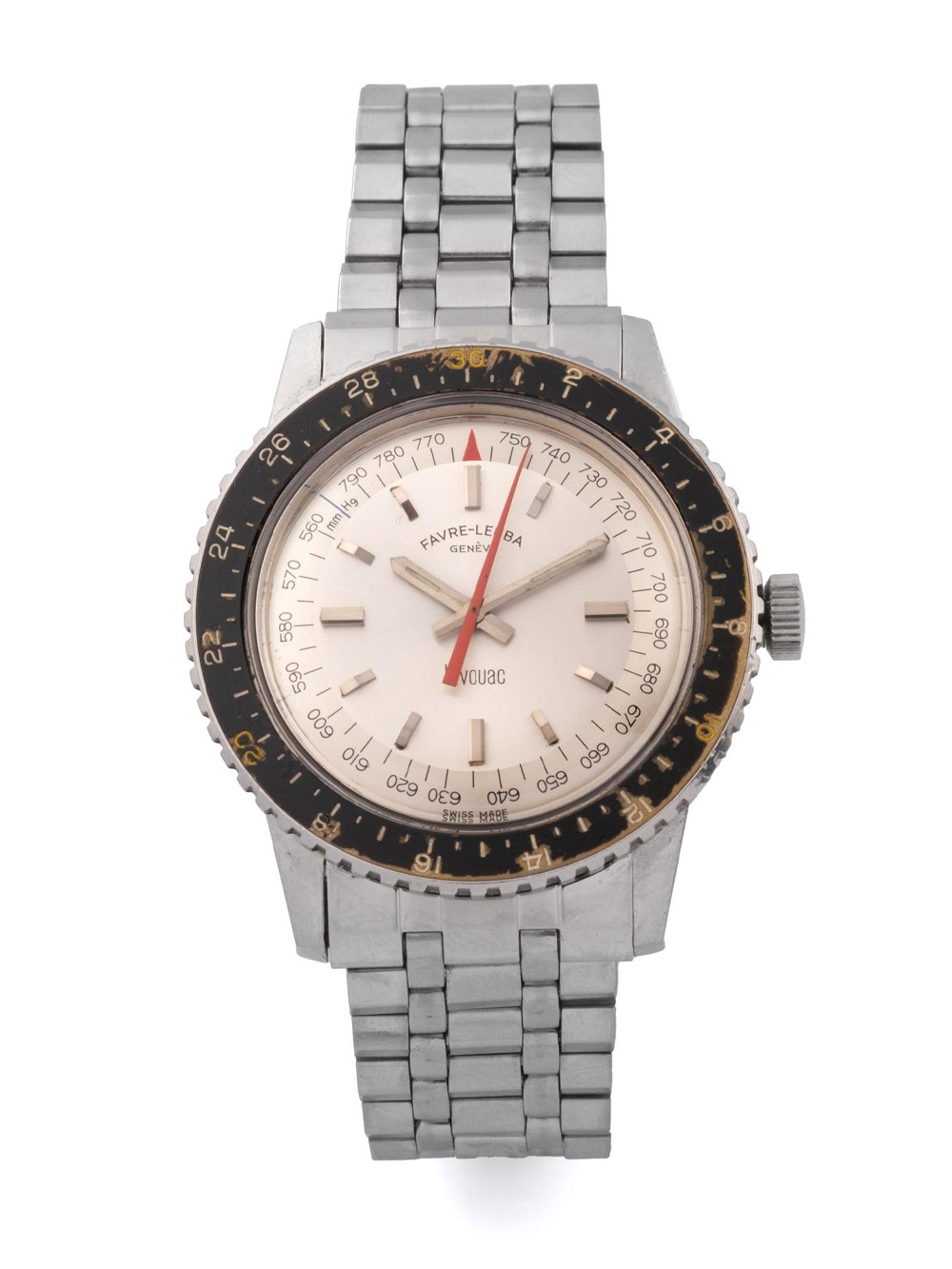
- Favre Leuba is working on a new Bivouac, the historic altimeter and barometer watch linked to the brand’s mid-century peak.
- CEO Patrik Hoffmann says the next Bivouac is intended to be “very nice” and wearable, a pointed shift from earlier oversized interpretations.
- The brand is aiming for the watch to become a key focus around Watches and Wonders 2027, though timing may move by a few months.
A historic name with unfinished business
Founded in 1737, Favre Leuba has a deeper story than many casual enthusiasts realise.
Its strongest period is widely associated with the mid-20th century, when the brand developed important tool-watch ideas including the Bivouac, described as the first watch with an altimeter and barometer, and the Bathy, known as the first mechanical watch with a depth gauge.
Models such as the Harpoon, Water Deep, Sea Sky, Chief, Deep Blue and Triple Calendar also sit within the era Favre Leuba is now drawing from most heavily.
That archive gives Hoffmann plenty to work with, but it also comes with pressure.
The brand has changed hands four times since the original family sold it in 1985, most recently moving from Titan, India’s largest watchmaker, to retailer Ethos.
Hoffmann arrived with almost two decades at Ulysse Nardin behind him, including six years as CEO and the brand’s sale to Kering, followed by a period at WatchBox and a board role connected to India’s largest retailer.
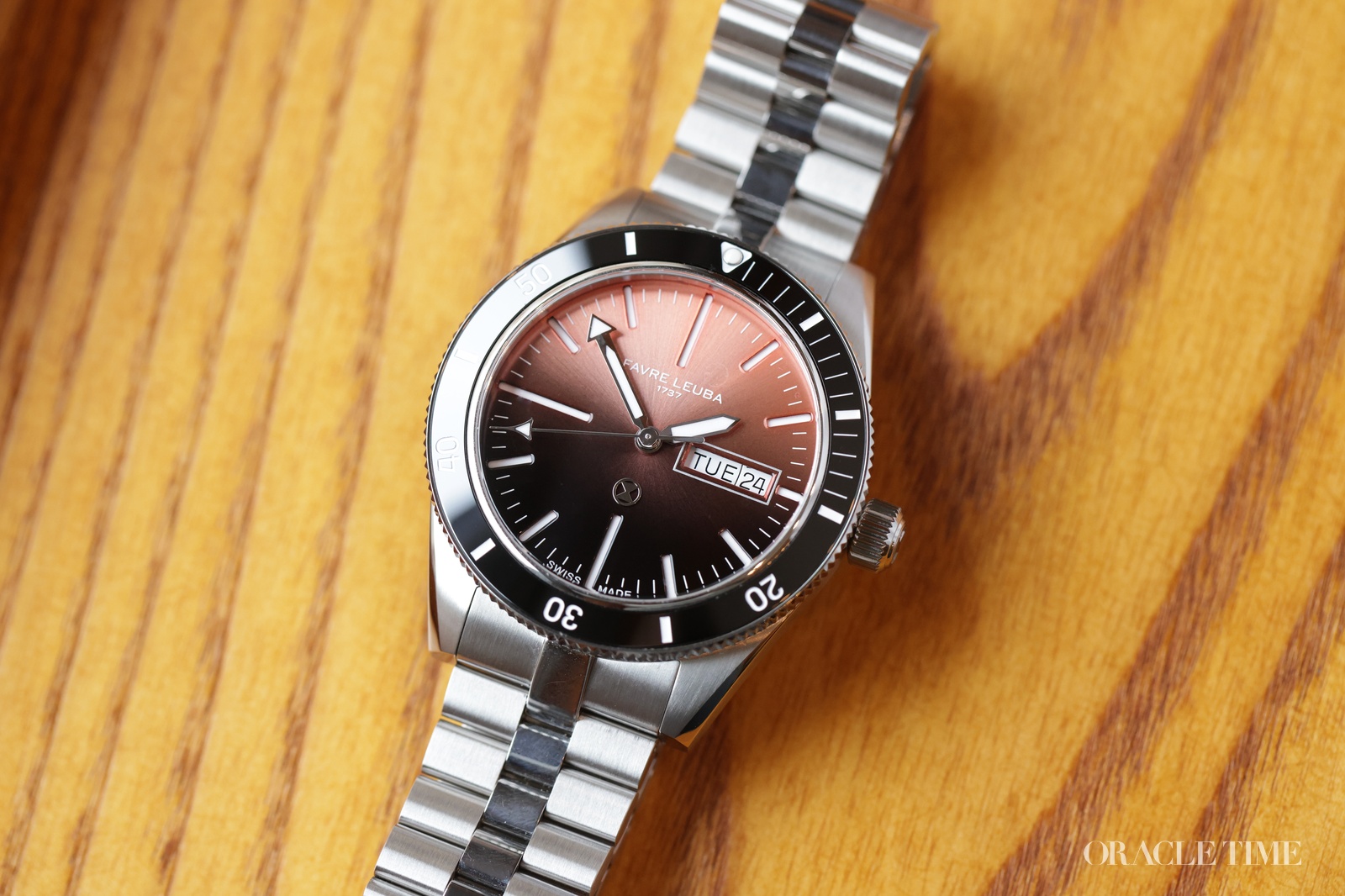
He has said Favre Leuba only became compelling once he studied the opportunity closely, saw the depth of the archive and felt the timing and product direction could align.
The Bivouac’s challenge is size, not history
The Bivouac is the obvious candidate for a serious comeback because it represents one of Favre Leuba’s clearest technical signatures.
It’s also a reminder of why archival credibility alone isn’t enough.
Hoffmann has credited the previous owners with respecting the brand’s history and translating its DNA into product, but he has also been blunt about the practical problem: earlier Bivouac models were too large for where the market was heading.
He cited a 48mm width and 18mm thickness as examples of why those watches struggled at a moment when tastes were moving smaller.
That context explains the current strategy.
Favre Leuba is leaning into neo-vintage design cues, but Hoffmann doesn’t see reissues as a business plan on their own.
His point is that a brand can use its history to regain attention, but it also has to show retailers and buyers where the collection is going next.
The coming Bivouac, then, isn’t just another archive exercise.
It’s a test of whether Favre Leuba can revive one of its most distinctive complications in a form that suits contemporary wrists.
Mid-century references with a broader collection plan
Favre Leuba’s current collection already reveals the period Hoffmann considers most fertile.
The Deep Blue connects back to 1964, the Chief to 1970, the Sea Sky to 1960 and the Triple Calendar to 1946.
Hoffmann has indicated that the watches lined up for the next year also come from that same broad era.
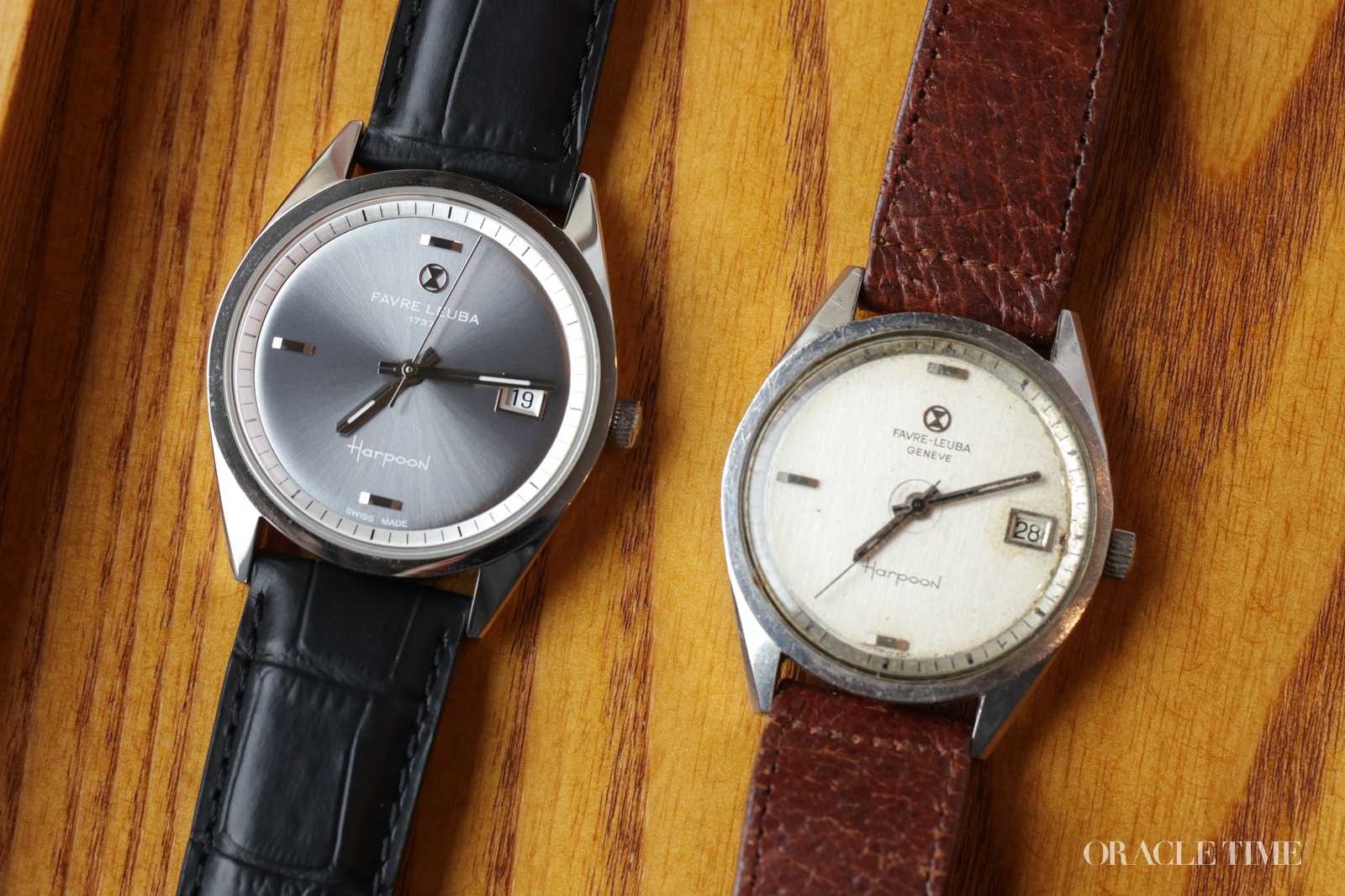
The Harpoon has already played an important role in the relaunch conversation.
Hoffmann has said the brand didn’t fully know how well it would land until the finished product was in hand shortly before Watches and Wonders, when the timing, design mood and market taste seemed to line up.
There are also stranger and more intriguing corners of the archive.
Hoffmann has pointed to the end of the 1960s, when Favre Leuba owned Jaeger-LeCoultre through the SAPIC Group and produced Reverso watches, including examples with both names on the dial and museum pieces signed only Favre Leuba.
For collectors, that kind of history is useful not because it automatically makes every new watch important, but because it gives the brand a broader cultural footprint than its recent market visibility might suggest.
Growth without chasing the wrong prestige
Favre Leuba is working in one of the most crowded parts of the watch market, with Hoffmann placing the brand around the £1,500 to £4,000 tier.
That space is packed with direct-to-consumer independents, established Swiss names and value-driven microbrands, but Hoffmann has been clear that Favre Leuba doesn’t want to be a niche operation.
The company intends to work with retailers, which changes the margin structure and puts pressure on product value.
At the same time, Favre Leuba has shown it can sell well above that mainstream zone when the product and scarcity are right.
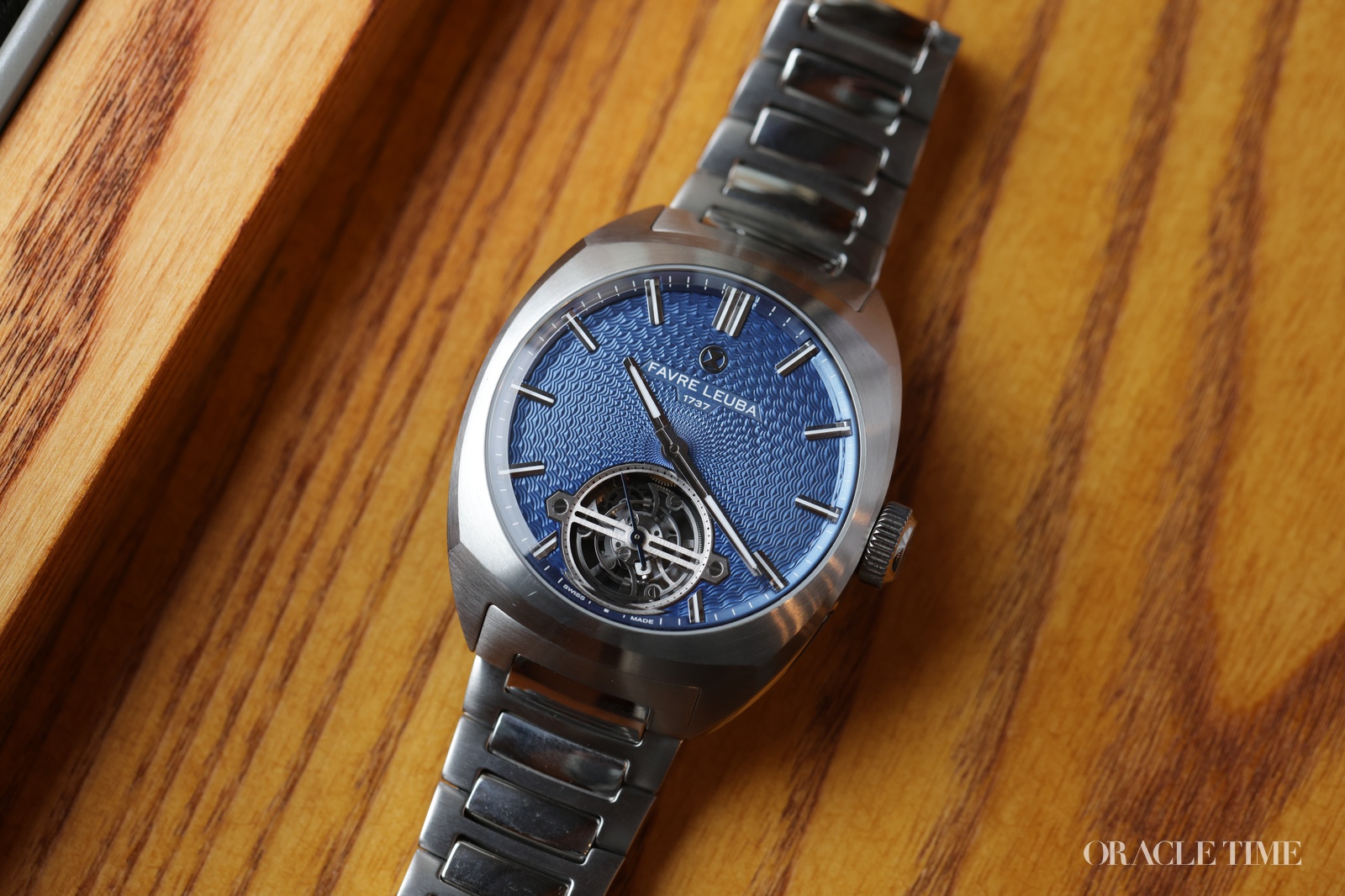
The brand has released two Chief Tourbillon editions of 25 pieces each, and Hoffmann says both sold out.
He has also resisted the temptation to expand that higher-end lane, arguing that chasing rising value on shrinking quantities isn’t healthy for the wider industry and isn’t where Favre Leuba belongs.
India remains central to the business.
Hoffmann has said it is still the brand’s biggest market and the place where Favre Leuba is most widely known, with roughly 65 of about 140 to 150 stores located there.
Even so, the tourbillon sales were not concentrated there in the way the brand expected.
Hoffmann has said about 80 percent sold outside India, an encouraging signal for a company trying to rebuild international relevance.
The growth targets are ambitious without sounding detached from production reality.
Hoffmann has said the brand made close to 4,000 pieces in its first year, expects around 8,000 this year and is planning roughly 11,800 to 12,000 next year.
Longer term, he has spoken about reaching 80,000 to 100,000 watches in 10 years, with 20,000 presented as a clear intermediate target.
That makes the Bivouac’s return especially important.
If Favre Leuba can bring back its defining altitude watch in a size and spirit that makes sense now, it won’t just be revisiting the archive; it’ll be proving that the archive can still carry the brand forward.