
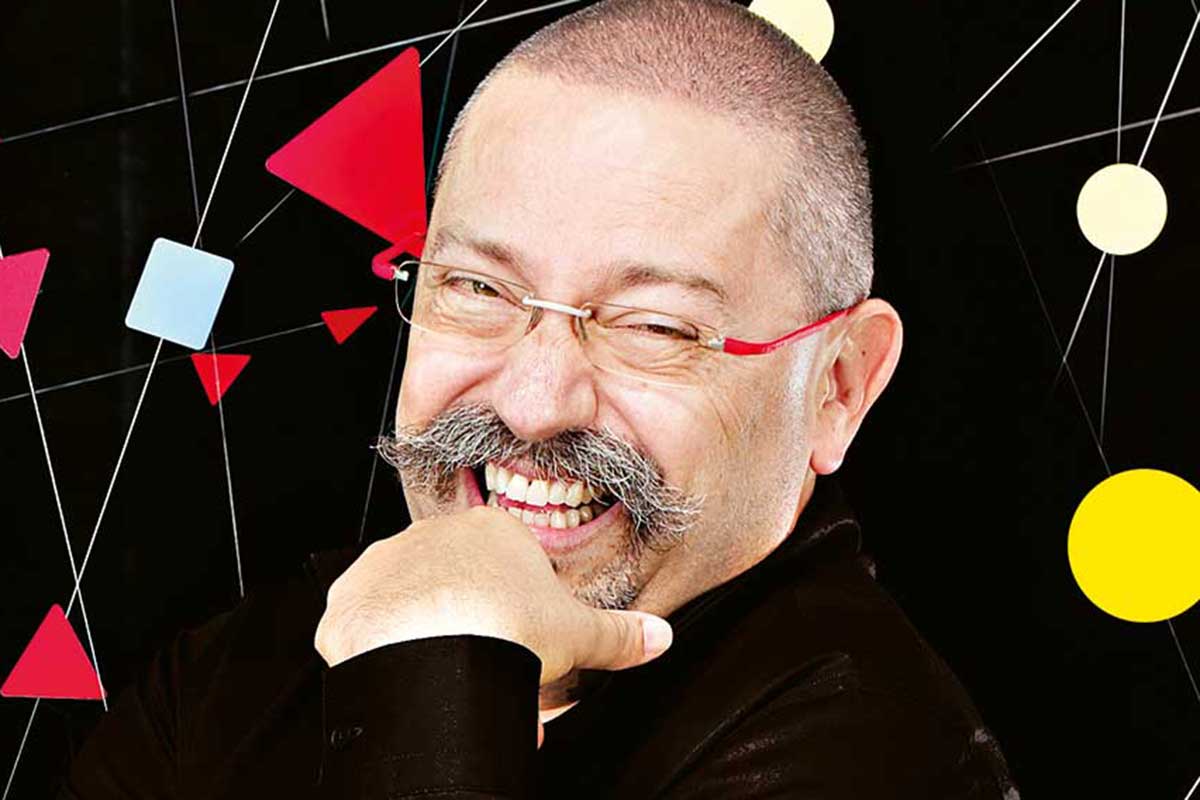
Alain Silberstein made watches that could be recognised from across a room, which is rarer than it sounds in an industry built on codes, references and careful continuity.
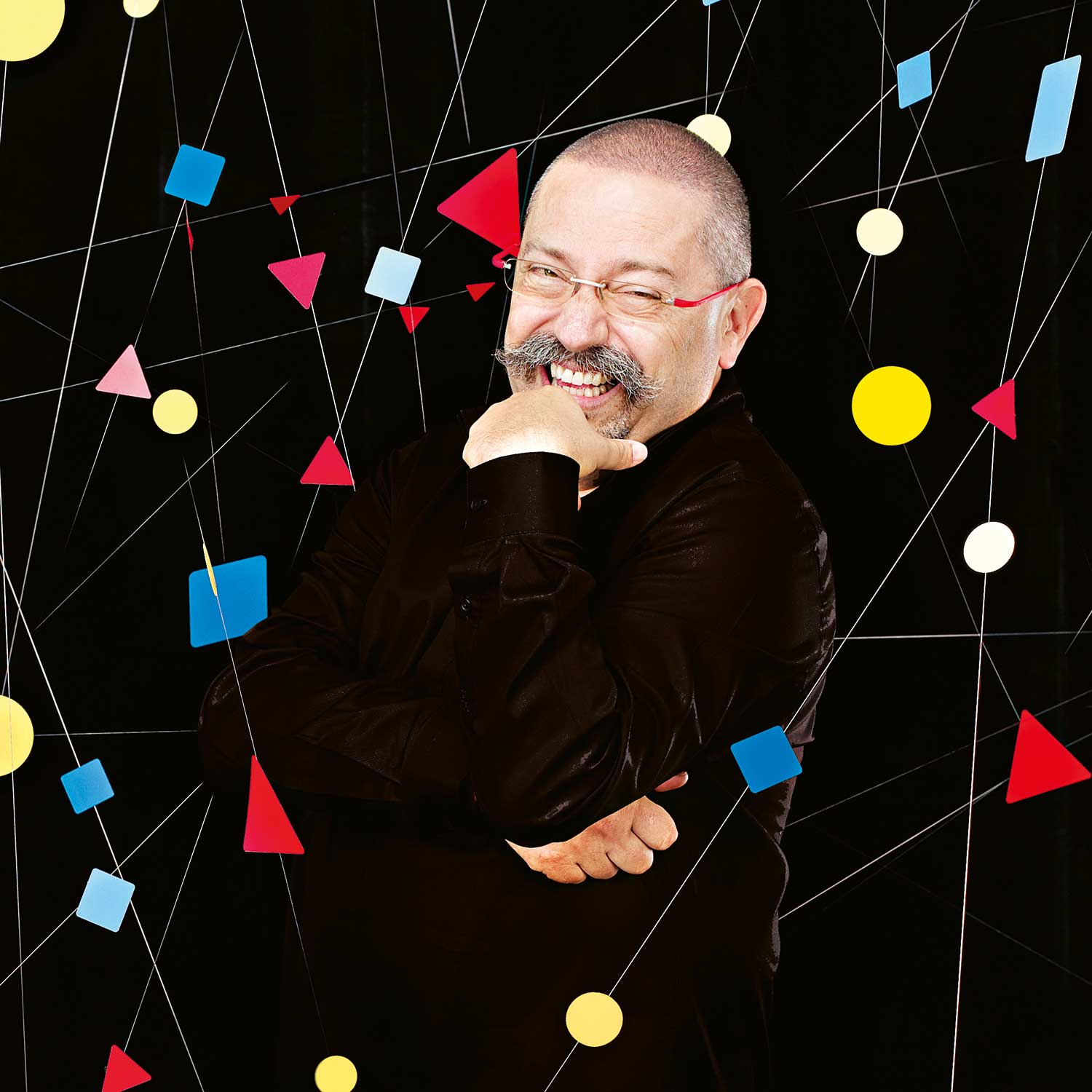
The French designer, who has died at 76, brought an architect’s discipline and an artist’s appetite for colour to mechanical watchmaking.
His work could look mischievous at first glance, but behind the red, blue and yellow hands was a coherent design philosophy that remained remarkably intact across decades.
At a glance
- Alain Silberstein, the pioneering French watch designer known for his primary-colour geometry, has died at 76.
- His watches combined architectural cases, expressive indicators and a deeply personal interpretation of Bauhaus and Memphis-influenced design.
- Recent collaborations with MB&F, Louis Erard, Ressence, Bell & Ross and Angelus helped introduce his work to a new generation of collectors.
An architect’s eye in mechanical watchmaking
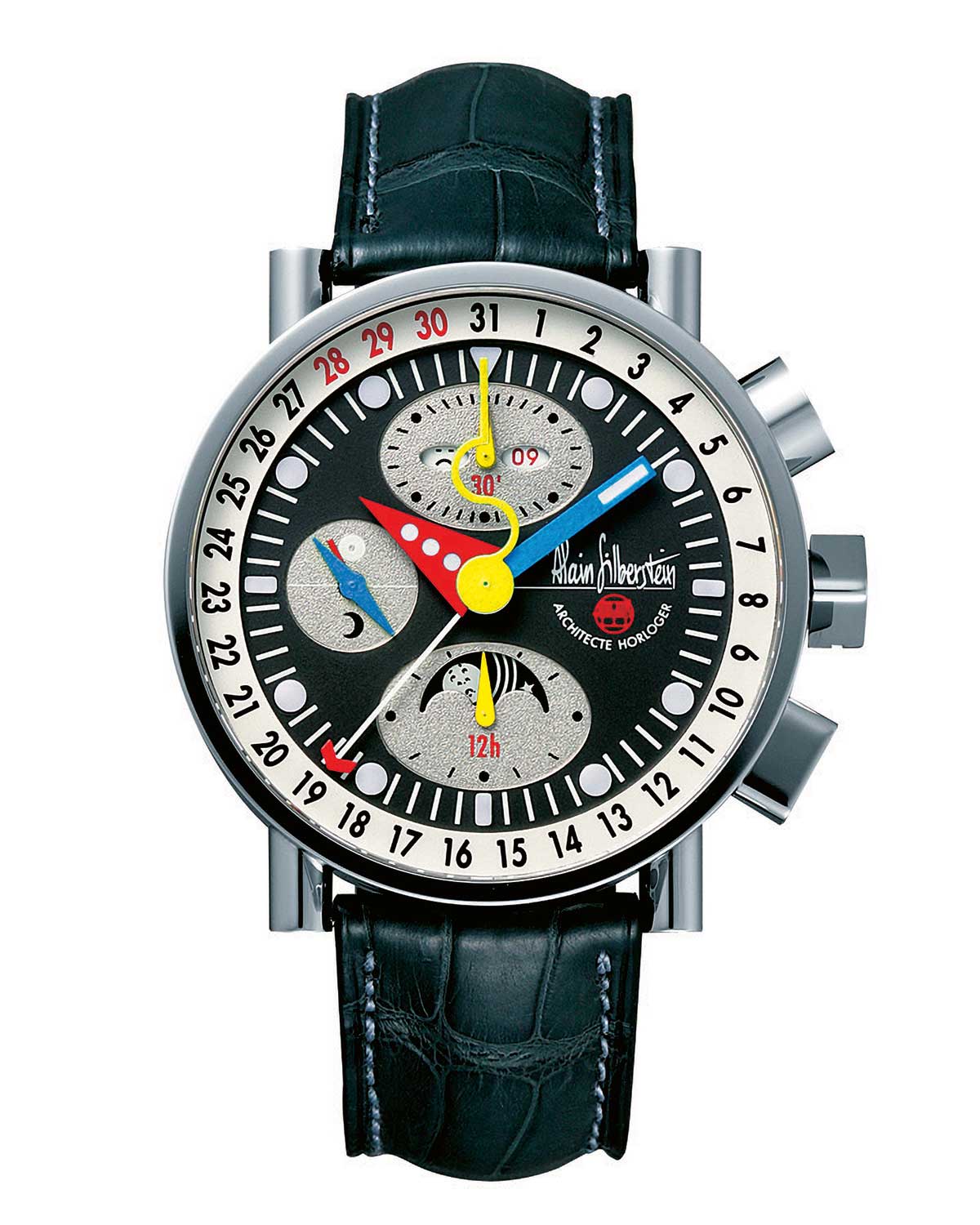
Silberstein described himself as an “Architecte Horloger,” a fitting title for a designer whose cases often carried cylindrical forms, straight lugs and a sense of constructed clarity.
The dials were where his watches became unmistakable.
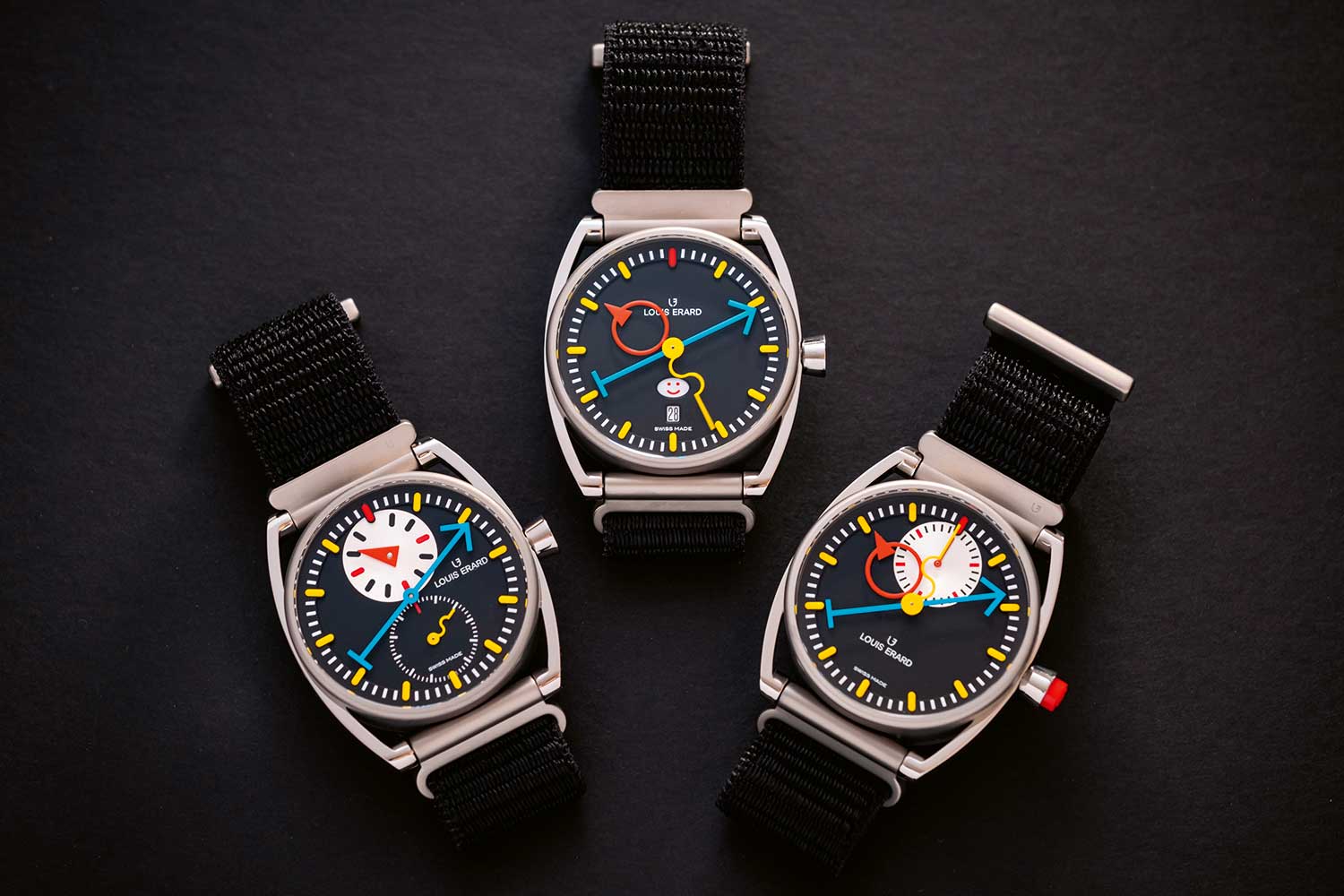
Hours, minutes and seconds could appear as simple geometric forms rendered in primary colours, turning the basic act of reading time into something closer to graphic composition.
On the Krono Bauhaus, the day display used an expressive face, moving from Monday melancholy to the cheerier mood of Friday and the weekend.
That humour was never casual decoration.
Silberstein’s use of shape and colour was rooted in formal study, particularly the curriculum he encountered as an art student in Paris, which he later connected to the Bauhaus teaching tradition.

He pushed beyond conventional habillage long before playful watch design became easier for collectors to embrace.
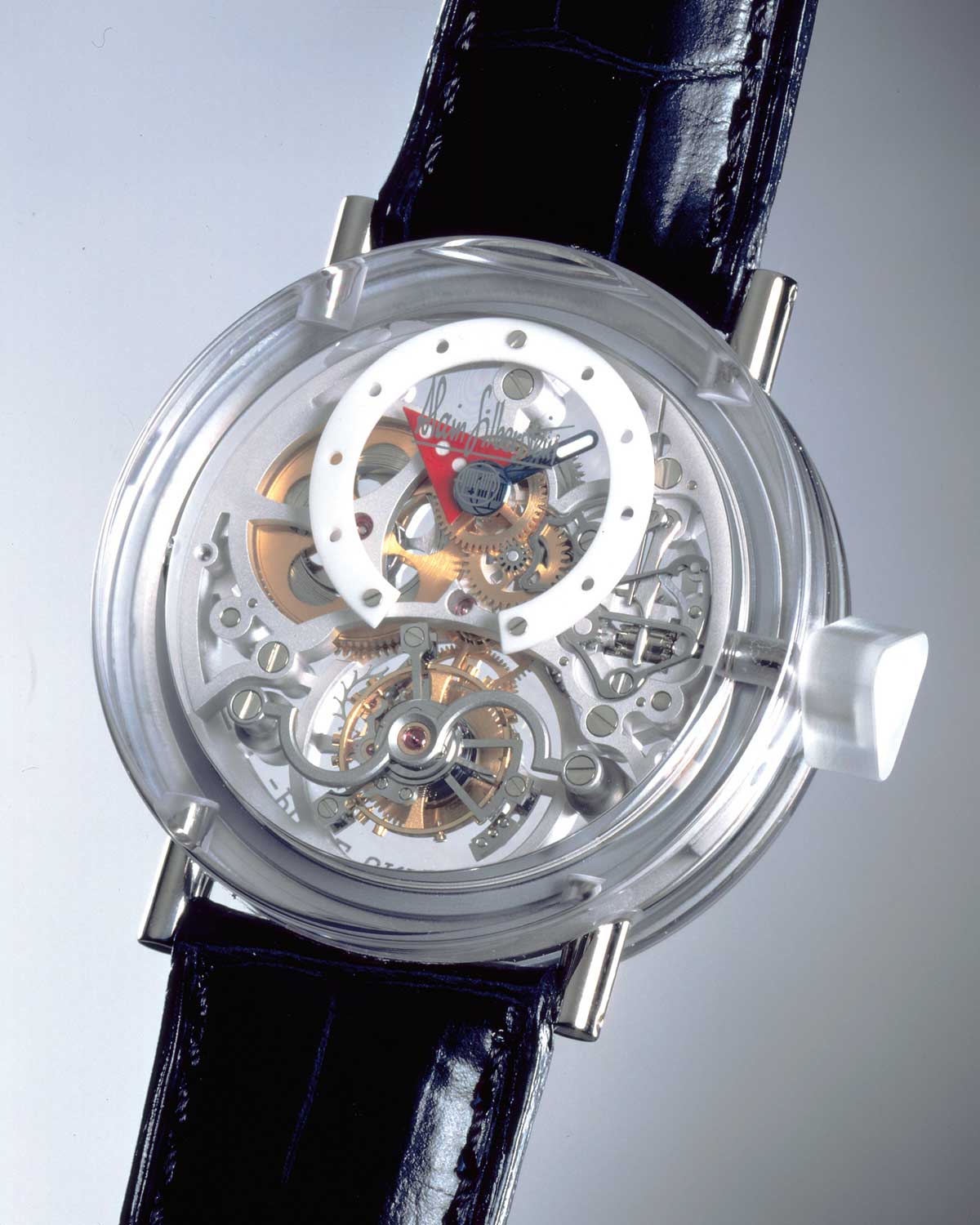
He was also willing to experiment materially, including with sapphire watches in the 1990s, at a time when that approach sat well outside the mainstream.
The theory behind the colour
Silberstein’s visual language is often described as Bauhaus, though he was careful about what that meant.
“There is no Bauhaus style in design,” he said, explaining that for him Bauhaus was primarily a teaching method rather than a fixed aesthetic.
He credited that education with giving him a foundation in architecture, geometry and colour, and he later said he felt close to the Memphis Group’s 1980s design spirit.
One of the clearest influences was Wassily Kandinsky, whose interest in the relationship between primary colours and basic geometric forms left a lasting mark on Silberstein’s watches.

Silberstein once described taking Kandinsky’s colour-and-shape exercise himself and making his own choices.
That became part of the grammar of his work, with yellow for seconds, red for hours and blue for minutes.
What can read as whimsy is therefore more deliberate than it first appears.

The smile, the triangle, the dot and the coloured hand were not an escape from serious watchmaking, but Silberstein’s way of expanding its emotional range.
Independence, bankruptcy and resilience
Silberstein launched his watchmaking career in the aftermath of the Quartz Revolution, when independent mechanical watchmaking was finding new ways to justify itself.
His brand grew during the mechanical revival of the 1990s and found particularly strong followings in markets including Japan and Italy.

In 2012, after a period when the watch industry was under pressure to develop exclusive movements and concerns around ETA ébauches were acute, his company declared bankruptcy.
The setback marked a painful break in his story, but it didn’t end his relationship with watch design.
When asked to reduce his watchmaking journey to one word, Silberstein chose “resilience.”
“I never changed my style and design, and my vision about the art of watchmaking,” he said. “Any experience, even the bad, you have to understand that something good could come from it.”
That consistency became central to his later reputation.
In an industry often led by incremental changes in colour, size and material, Silberstein’s world looked less like a novelty and more like a fully formed counterpoint.
The collaborations that brought him back into focus
The later chapters of Silberstein’s career were shaped by partnerships with other independent-minded watchmakers and brands.
MB&F worked with him on the HM2.2 Black Box in 2009 and the LM1 Silberstein in 2016.
Max Büsser has been one of Silberstein’s most vocal admirers, saying that his work “should have been a game changer” and calling his style “so precious and so groundbreaking.”
Büsser also framed their collaborations as creative exchanges rather than purely commercial projects, saying the goal had to be “a great product” and that the journey mattered as much as the result.
Louis Erard became another important platform for Silberstein’s renewed visibility.
Under Manuel Emch, the brand developed regulator-style collaborations that expanded into further colourways and complications, with select pieces entering Louis Erard’s permanent collection of notable collaborations.
Emch described Silberstein’s approach as both technical and playful, noting its “post-Bauhaus Memphis style” and its sharp contrast with the functional seriousness that often defines dials and hands.
| Year | Collaboration | Significance |
|---|---|---|
| 2009 | MB&F HM2.2 Black Box | An early partnership that helped reconnect Silberstein with avant-garde independent watchmaking. |
| 2016 | MB&F LM1 Silberstein | A limited collaborative piece that paired MB&F’s Legacy Machine architecture with Silberstein’s graphic language. |
| 2022 | Ressence x Alain Silberstein Type 1 REV Carpe Diem | A Grail Watch project that added memento mori motifs to Silberstein’s familiar iconography. |
| 2023 | Bell & Ross trilogy with Grail Watch | A trio that placed Silberstein’s playful geometry inside the square BR 03 case. |
| Not specified | Angelus x Alain Silberstein U11 Streamline Tourbillon | An eight-piece project with a teardrop-shaped case and a tourbillon visually separated from the dial. |
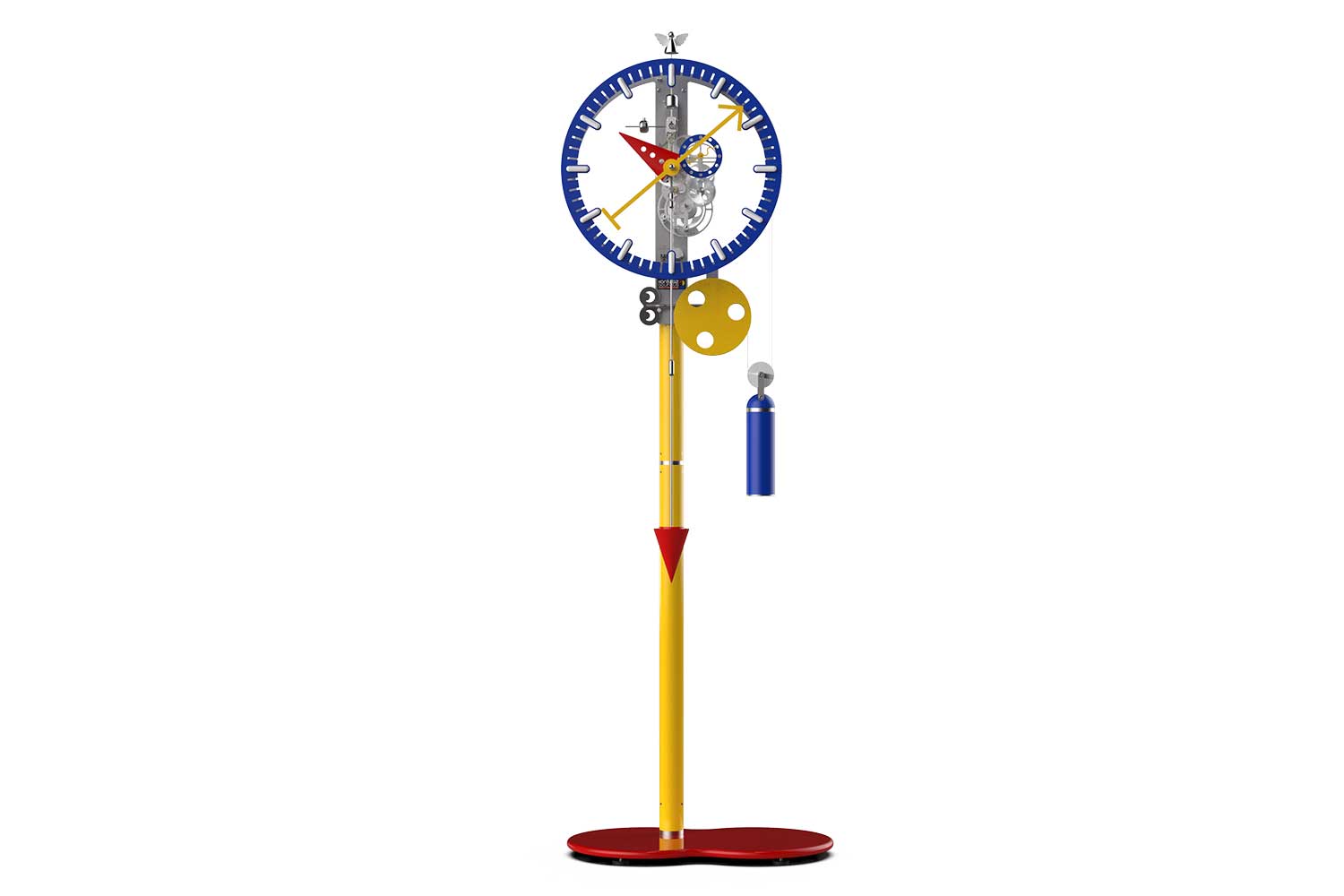
His collaborative reach extended further still, including work with Romain Jerome in 2015, later creations with Yema and Meistersinger, and a large-scale clock project with Besançon-based Unitam.
The Unitam Kontwaz Bauhaus 2 translated his regulator-style display into an imposing wall-mounted or standing clock format.
Seen together, these projects make clear that Silberstein’s late-career resurgence wasn’t a nostalgic revival.
It was a reassessment of a designer who had spent decades holding to a singular point of view.
A legacy measured in consistency
Silberstein’s watches won’t appeal to everyone, and that was always part of their strength.
They were made from a set of convictions rather than a consensus brief.
For collectors tired of small variations on familiar templates, his work offers a different proposition, one built on clarity, play and a refusal to flatten personality out of mechanical watchmaking.
His influence is likely to sit most strongly with those who value independent design as much as movement architecture or finishing technique.
Alain Silberstein leaves behind watches that still feel instantly alive, not because they chase fashion, but because they were drawn from a visual language he never abandoned.