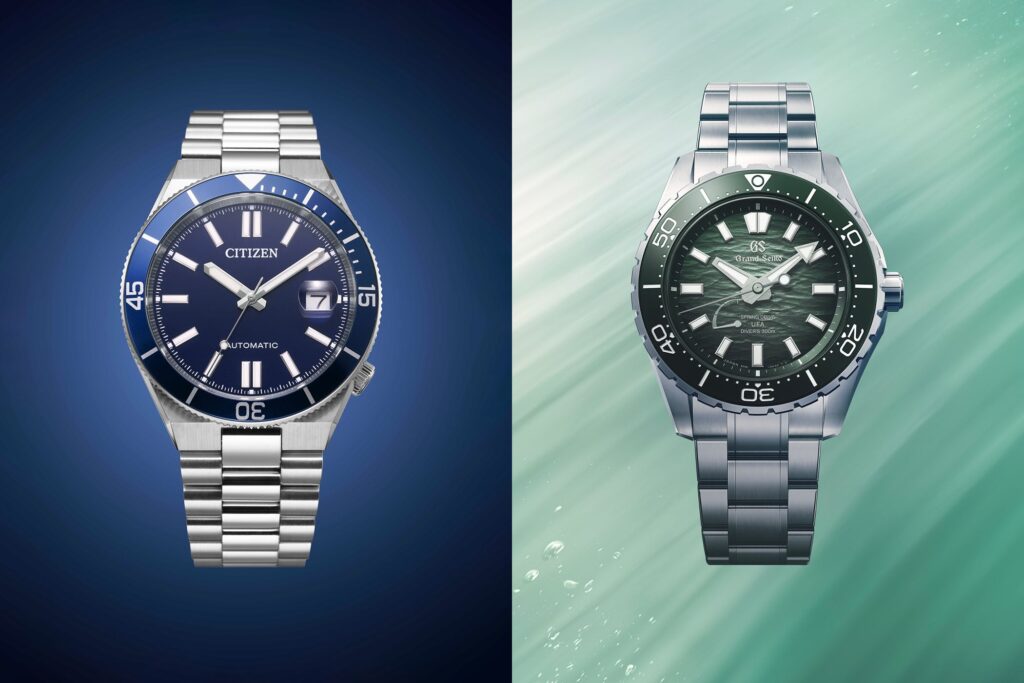
Citizen and Seiko have both moved into rare company, with each group’s watch business surpassing EUR 1 billion in annual sales for the fiscal year ending March 31, 2026.
The milestone is notable because it was reached outside the familiar Swiss luxury framework, with both Japanese groups relying on broad collections, global distribution and serious volume rather than ultra-high average prices.
Seiko’s watch business climbs to EUR 1.1 billion
Seiko Group Corporation recorded watch division sales of JPY 203 billion, equal to roughly EUR 1.1 billion at current exchange rates.
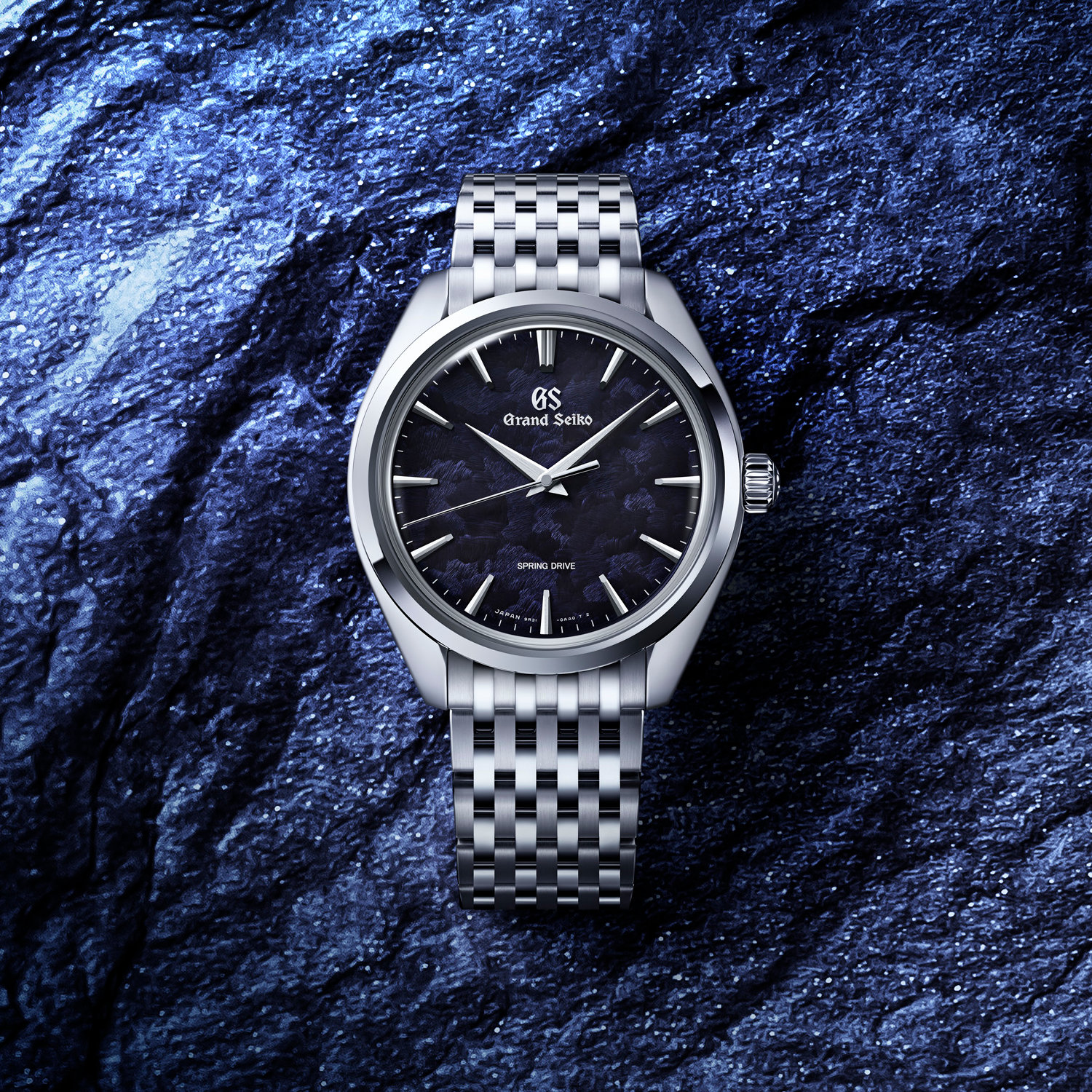
That represents a 27 percent increase over the previous fiscal year, a striking contrast with the 1.7 percent decline recorded for Swiss watch exports in 2025.
The Seiko watch division spans Grand Seiko, Credor, King Seiko, Prospex, Astron, Presage and Seiko 5 Sports, along with movement production for third-party clients.
Growth was helped by strong demand in Japan, where a weaker yen supported tourism, and by continued momentum in the United States.
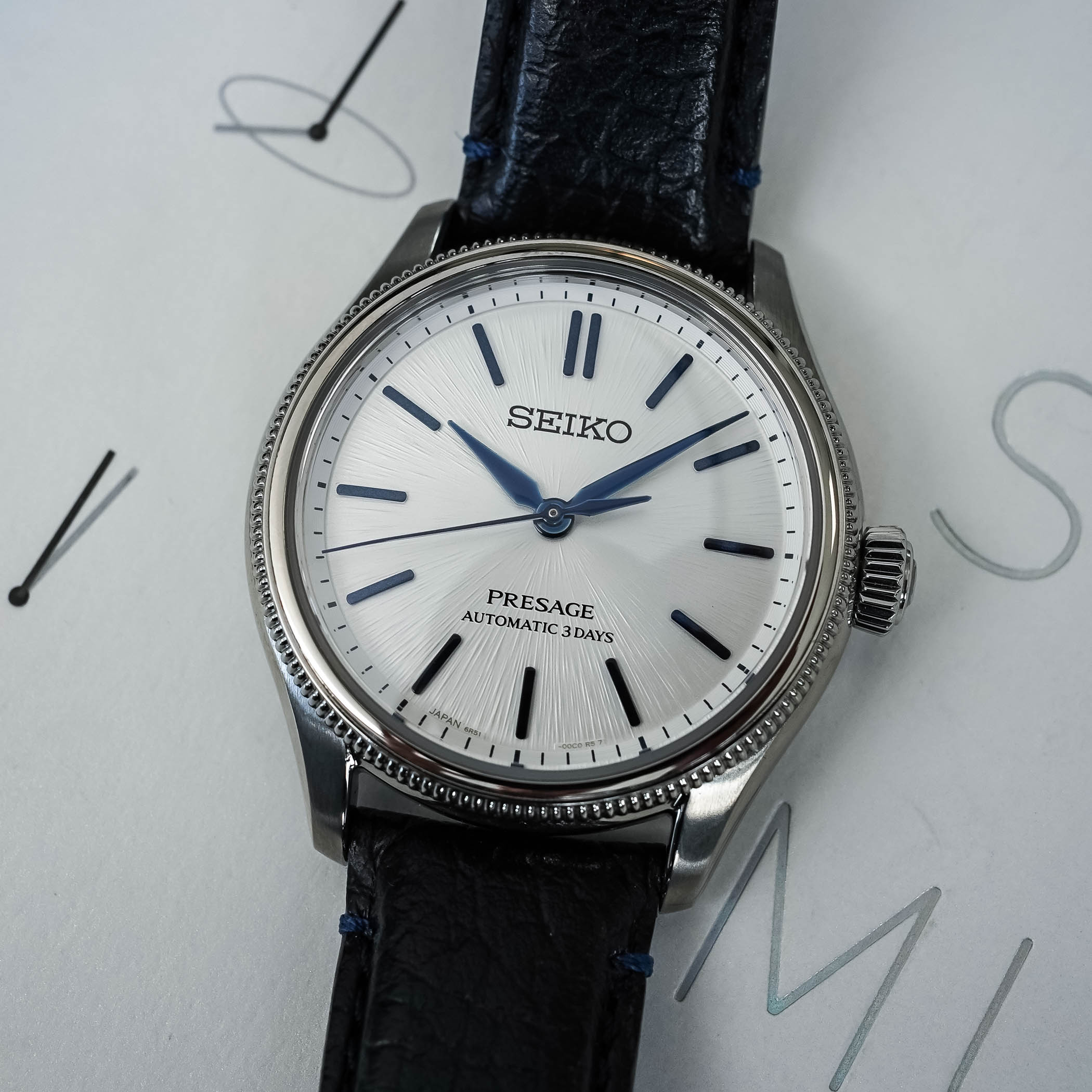
Grand Seiko and Prospex carry different ambitions
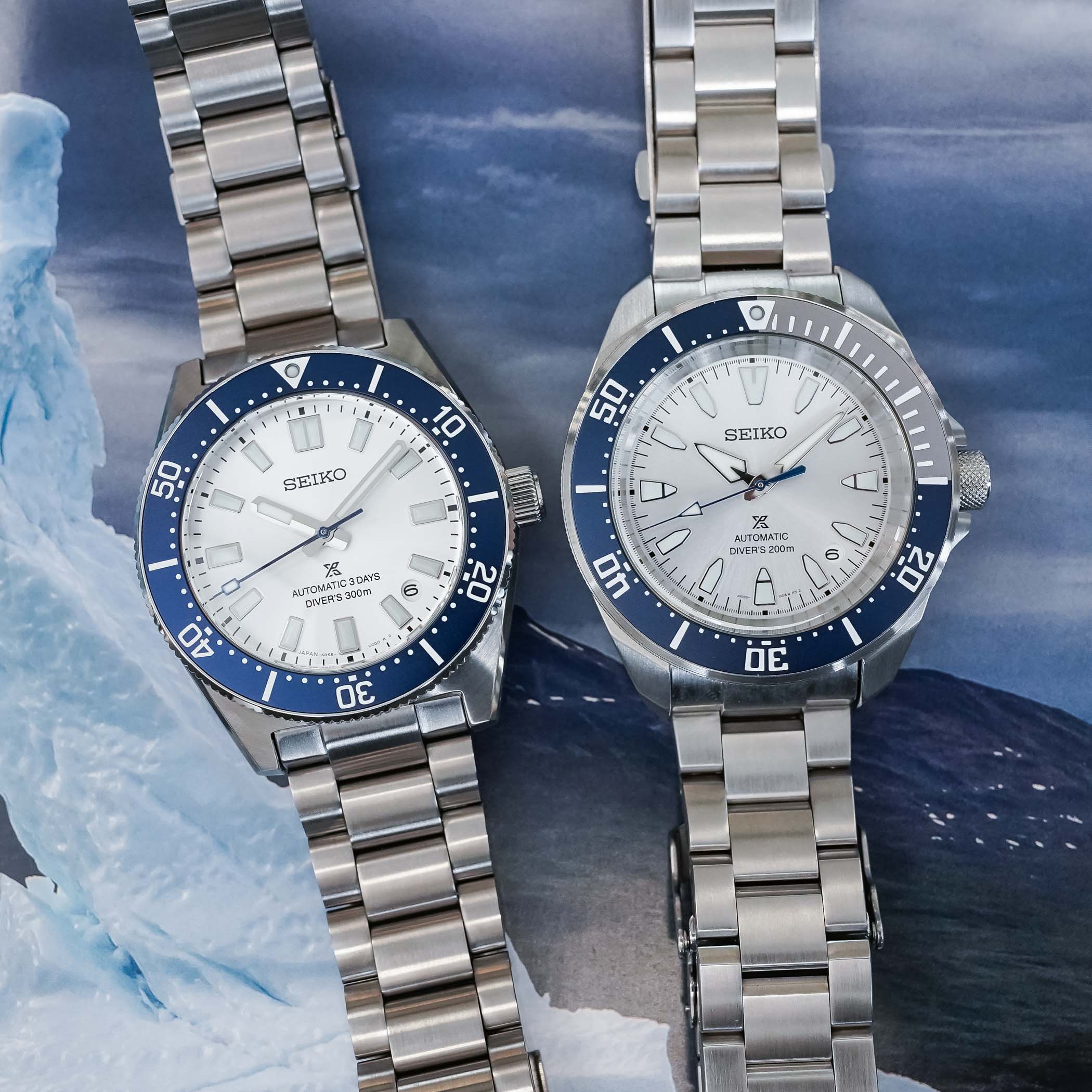
Seiko’s growth story is not one-dimensional, since Grand Seiko is being positioned more directly against established luxury makers while Prospex, Presage and other Seiko Global Brands continue to compete in the mid-priced segment.
In Europe, Grand Seiko was broadly stable year over year, while Seiko Global Brands performed well in several major markets despite softer conditions in luxury goods.
The group’s longer-term ambition is clear, with Grand Seiko targeting a place among the top global luxury watch brands and Seiko Global Brands aiming for a leading share in the global mid-priced category.
Citizen reaches EUR 1.07 billion with stronger profit
Citizen Watch Co. also crossed the threshold, with its watch division reaching JPY 197 billion in sales, or about EUR 1.07 billion.
The watch business grew by 10 percent over the fiscal year, while operating profit rose by 38 percent.
These figures are centered on Citizen and Bulova, while Citizen’s wider corporate activities also include machine tools, devices and components.
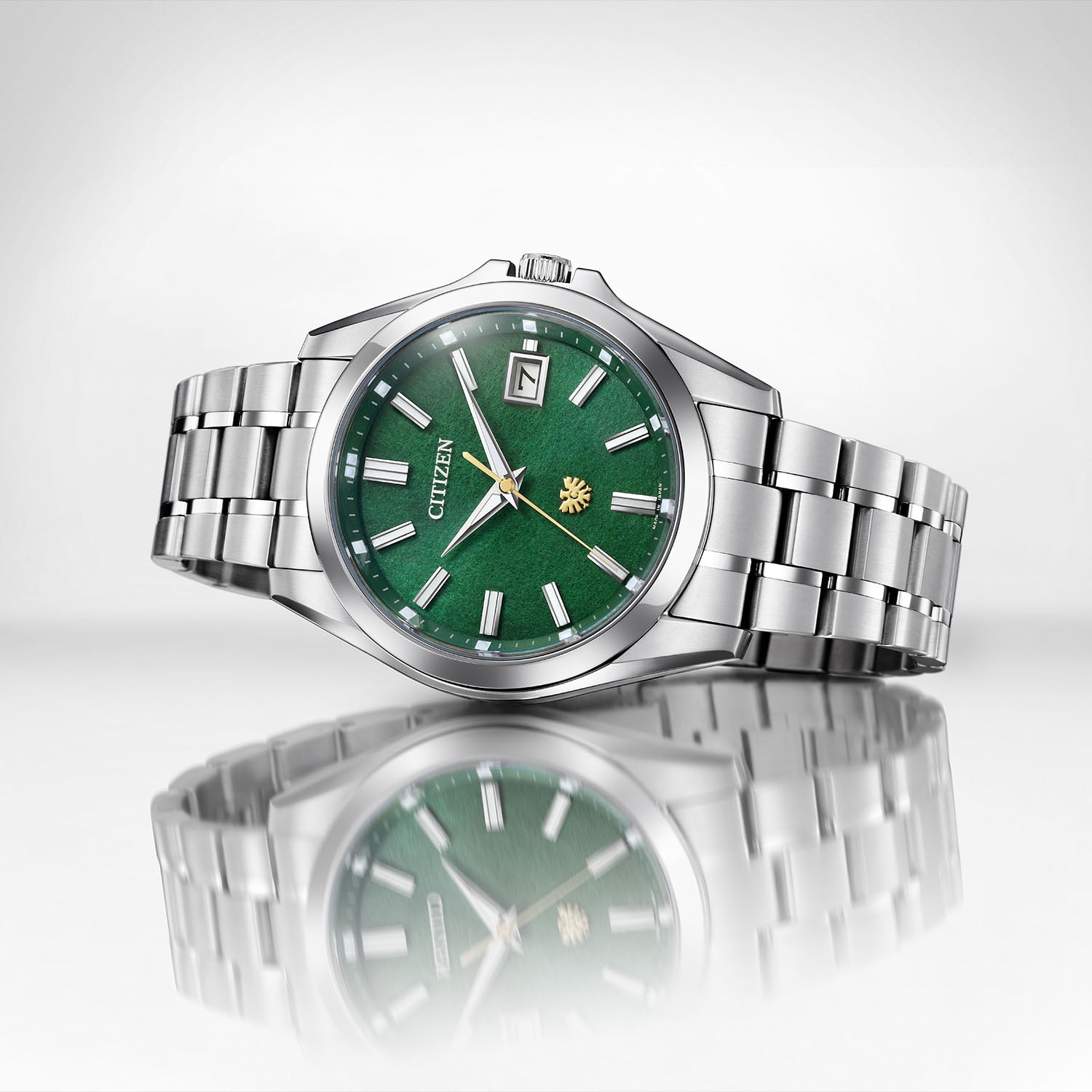
Citizen’s domestic performance improved as recovering local demand helped offset softer spending from inbound tourists, while Bulova remained strong in its core North American market.
A different route into the billion-euro tier
The significance of these numbers becomes clearer when set against the small group of watch names generally understood to exceed EUR 1 billion in annual sales, including Rolex, Cartier, Omega, Patek Philippe, Audemars Piguet, Richard Mille, Longines and Vacheron Constantin.
Citizen and Seiko are not arriving in that tier by selling watches at comparable average prices.
Their scale is built on wide product ladders, deep manufacturing capacity, accessible pricing and strong regional identities, from Eco-Drive and Bulova in North America to Grand Seiko and Prospex in markets where Japanese watchmaking has gained considerable authority.
For collectors, the news reinforces a shift that has been visible for years at the product level, with Japanese watchmaking no longer sitting outside the main industry conversation but increasingly shaping it across both luxury and attainable categories.