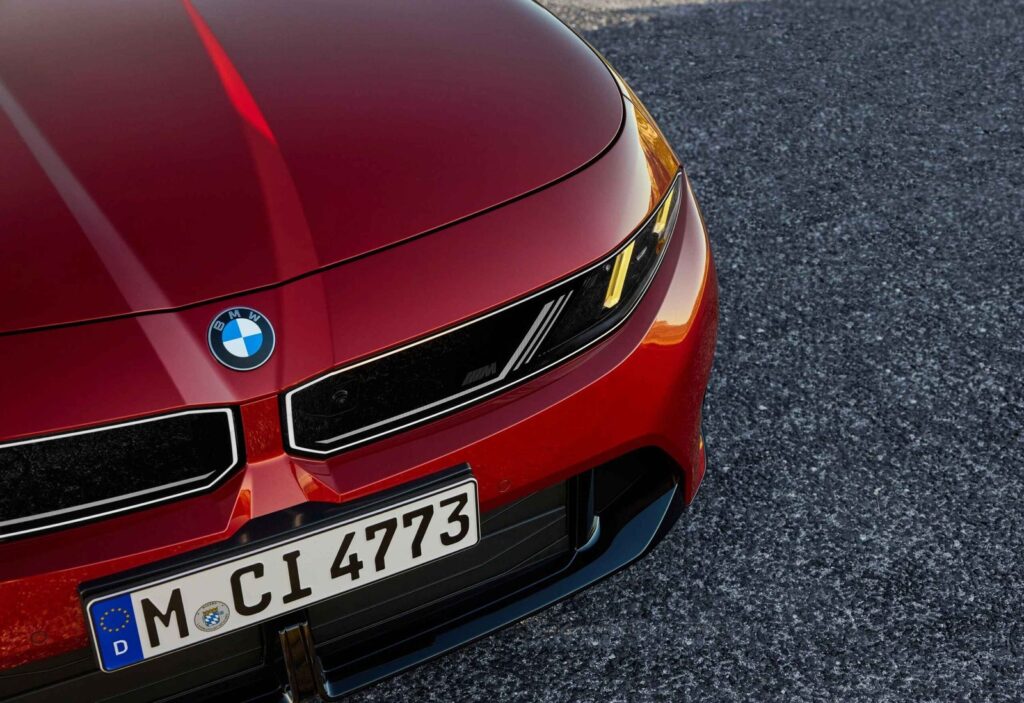
BMW is entering a more selective phase, and that means some familiar badges may not survive the next product cycle.
The brand is preparing to streamline its global lineup as it sharpens investment around models with stronger long-term returns in specific markets.
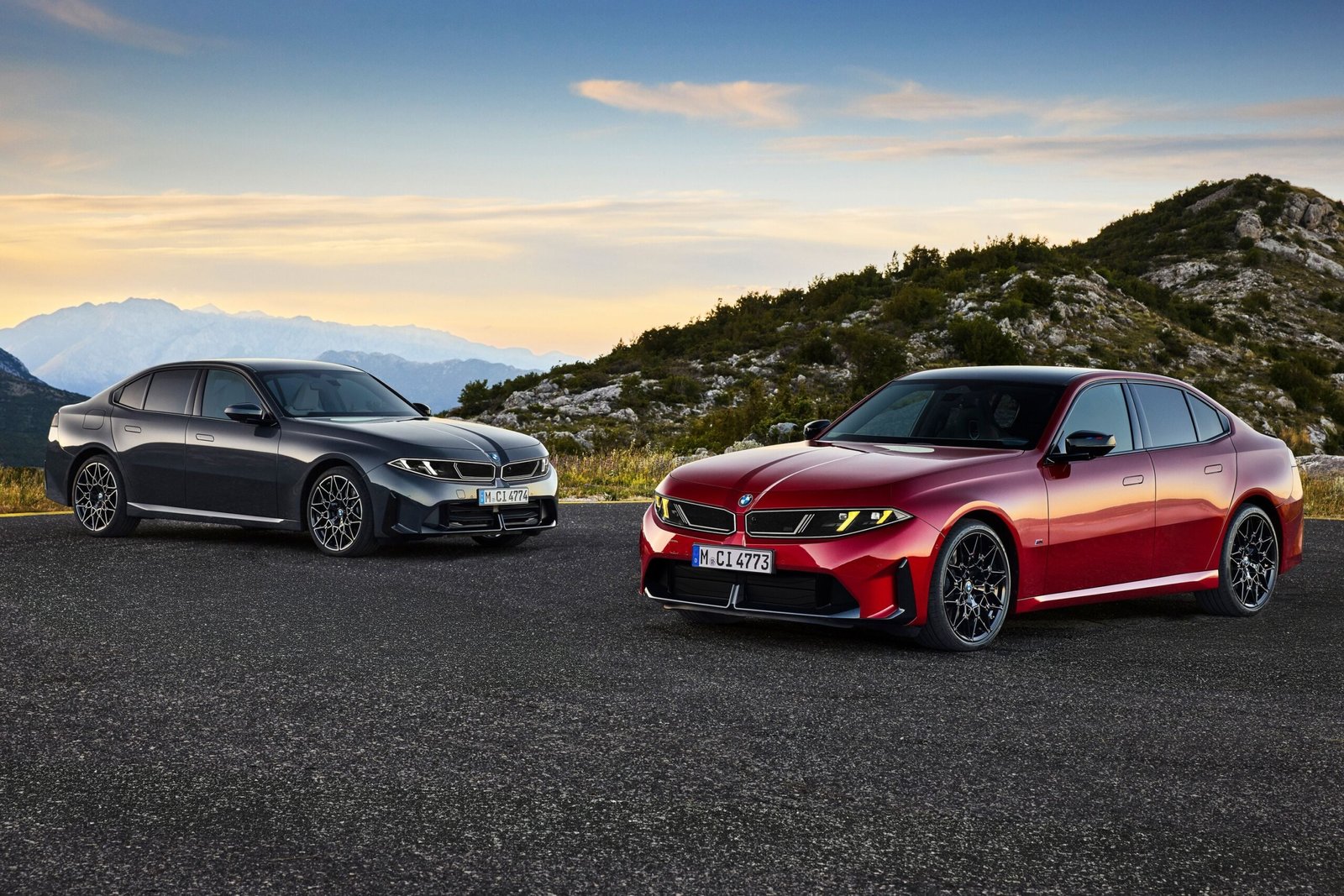
The arrival of the next 3 Series is being treated as the opening move in a broader reshaping of the portfolio, rather than just another generational update.
At a glance
- BMW is reviewing its global range and preparing to cut selected models and variants.
- The 2 Series Active Tourer has already been confirmed for retirement, with other ageing nameplates potentially under review.
- BMW is also expanding AI use, deepening its China strategy and preparing Alpina for a more prominent role above the core brand.
A tighter BMW range begins with the next 3 Series
The new 3 Series will arrive at a pivotal moment for BMW, acting as a marker for a more disciplined product strategy.
Instead of maintaining a broad spread of niche variants in every region, BMW wants to concentrate on cars that make commercial sense over the long term.
That kind of thinking is becoming increasingly important as carmakers juggle electrification, regional regulation, software investment and changing customer demand.
For BMW, the result is likely to be a range that looks more focused and less crowded, particularly in segments where demand has softened or where overlap has become harder to justify.
The 2 Series Active Tourer is already on the way out
The clearest casualty so far is the 2 Series Active Tourer, which has been confirmed as one of the models heading for the exit.
It has always occupied an unusual place in the BMW catalogue, offering the brand’s premium positioning in a compact, family-focused package rather than a traditional sporting format.
That practicality gave it a role, especially in Europe, but the wider market has moved steadily toward SUVs and crossovers.
Other ageing models could follow if they no longer deliver the scale, margins or strategic relevance BMW expects in individual markets.
This doesn’t necessarily mean a dramatic overnight cull, but it does point to fewer low-volume derivatives surviving simply because they once filled a gap.
China and AI move higher up the priority list
The lineup review is only one part of BMW’s broader reset.
The company is increasing its use of artificial intelligence across development, manufacturing, sales and aftersales, placing digital tools closer to the centre of how new cars are designed, built and supported.
China is another major pillar of the plan.
By 2030, BMW wants at least 95 percent of the vehicles it sells in China to be developed and produced locally.
That target speaks to the importance of speed and localisation in the world’s most competitive premium car market, where domestic brands have raised expectations around technology, connectivity and value.
Alpina is being prepared for a higher role
At the top end of the business, Alpina is set to become more significant under BMW ownership.
The first model under the standalone Alpina brand is due next year and is expected to take inspiration from the 7 Series.
Its positioning will sit between BMW and Rolls-Royce, giving the group a more nuanced answer for buyers who want something more exclusive than a regular flagship BMW but less formal than a Rolls-Royce.
That move also gives BMW another way to strengthen margins without relying only on volume growth.
For enthusiasts, the next few years could bring a BMW range that’s smaller in some corners but more clearly defined.
The models that remain will need to justify their place, while Alpina may become the most interesting expression of BMW’s push further upmarket.