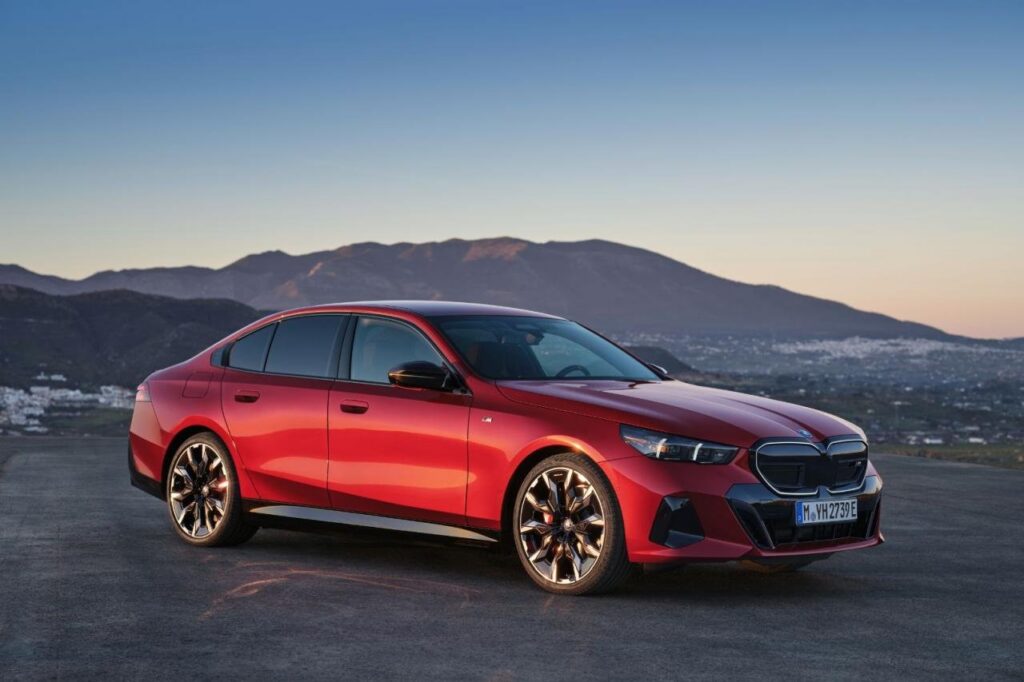
BMW has issued a US recall for a small batch of electric sedans after discovering that some vehicles may be running the wrong charging software.
The campaign affects 286 examples of the i5 and i7, with BMW saying a software mismatch could increase the risk of electric shock in rare circumstances.
At a glance
- BMW is recalling 286 i5 and i7 electric sedans in the US over a charging software issue.
- Some vehicles may have received testing software rather than production software for high-voltage battery charging management.
- BMW says no hardware replacement is required, with owner notification letters scheduled to begin on December 25.
The i5 and i7 models included
The recall covers 236 examples of the 2026–2027 BMW i5, including the eDrive40, xDrive40 and M60 variants.
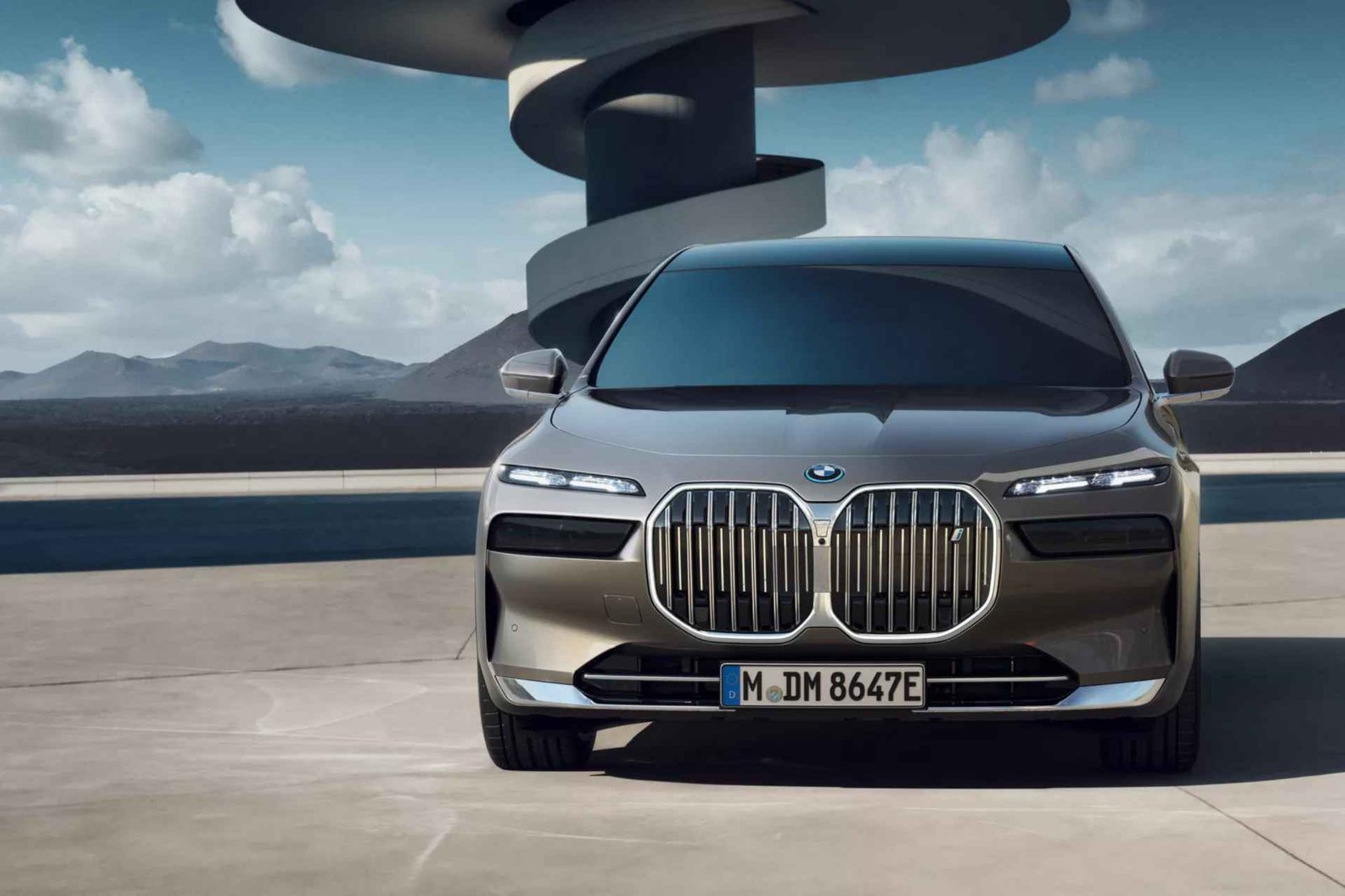
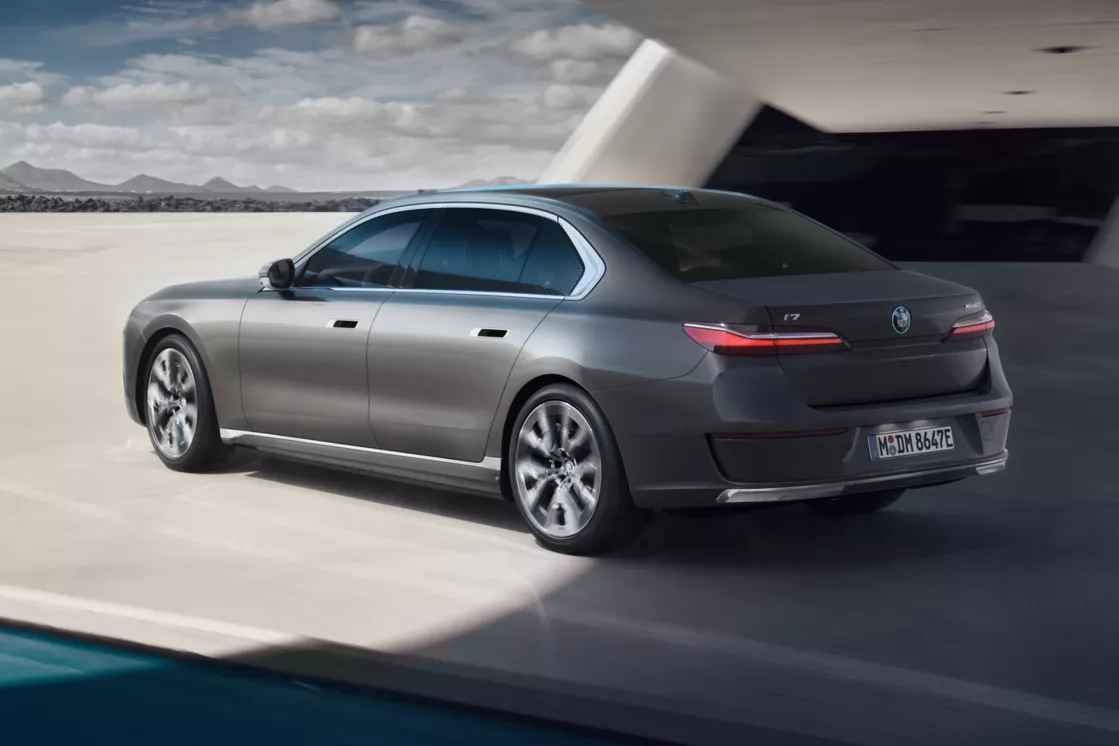
A further 50 vehicles are 2027 BMW i7 50 xDrive and 60 xDrive sedans.
All affected vehicles were manufactured between May and July 2026.
For BMW, the recall is narrow in volume but notable because it involves the software controlling part of the high-voltage charging process, an area where calibration and validation are especially sensitive.
A testing software issue in the charging unit
A filing with the National Highway Traffic Safety Administration says some vehicles may have been fitted with testing software instead of the intended production software.
That software is used to manage high-voltage battery charging.
BMW became aware of the issue on October 8, after charging port supplier TE Connectivity Solutions GmbH alerted the automaker.
BMW’s investigation found that some charging units had been shipped with incorrect software.
The company says it is not aware of any accidents or injuries connected to the issue.
What owners should expect
The fix is software-based, so BMW says no hardware replacement is needed.
The company hasn’t confirmed whether the update can be completed over the air, which means affected owners may need to wait for direct instructions before knowing if a dealer visit is required.
Owner notification letters are scheduled to begin mailing on December 25.
Until then, the recall is a reminder that modern EV quality control is as much about software governance as it is about batteries, motors and charging hardware.
Details & Specifications
| Brand | BMW |
|---|---|
| Affected models | 2026–2027 BMW i5 and 2027 BMW i7 |
| i5 variants | eDrive40, xDrive40, M60 |
| i7 variants | 50 xDrive, 60 xDrive |
| Vehicles affected | 286 in the US |
| Manufacturing period | May to July 2026 |
| Issue | Possible testing software in charging units instead of production software |
| Remedy | Software update, with no hardware replacement required |
| Owner notifications | Scheduled to begin December 25 |
For owners, the practical impact should become clearer once BMW begins contacting affected customers, but the essential point is straightforward: this is a software correction for a limited group of high-end electric sedans, not a mechanical recall or battery replacement campaign.