Bentley’s electric future is still coming, just not at the speed once expected.
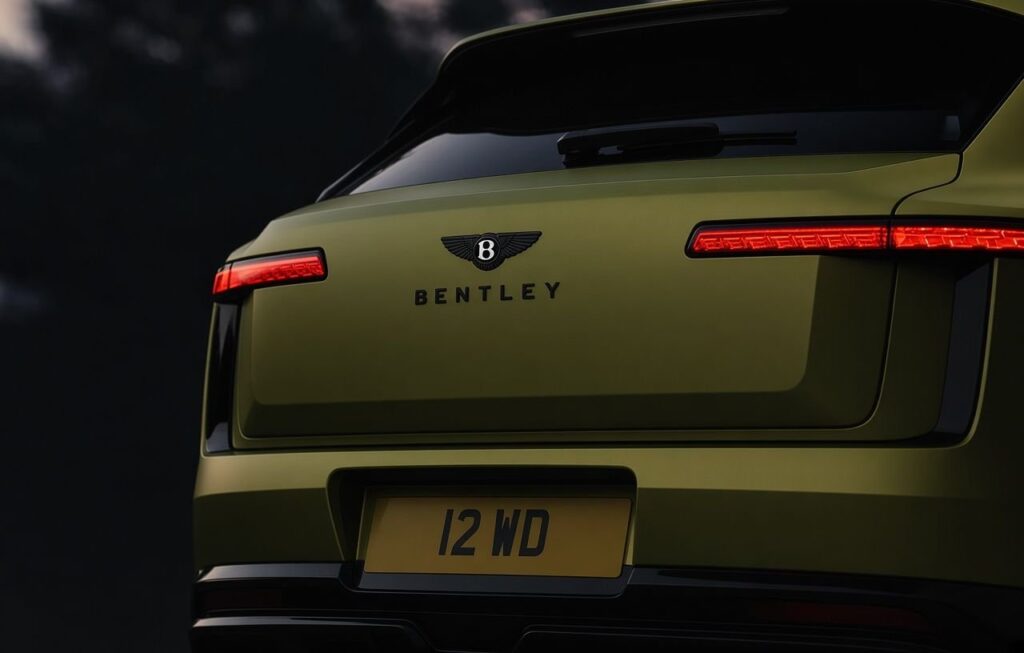
The Torcal, the British marque’s first fully electric production car, is scheduled for a world premiere on September 23, 2026. It will also carry more weight than a typical first EV, because Bentley’s next battery-electric model isn’t due before 2030.
That leaves the Torcal as the brand’s sole fully electric offering for the remainder of the decade.
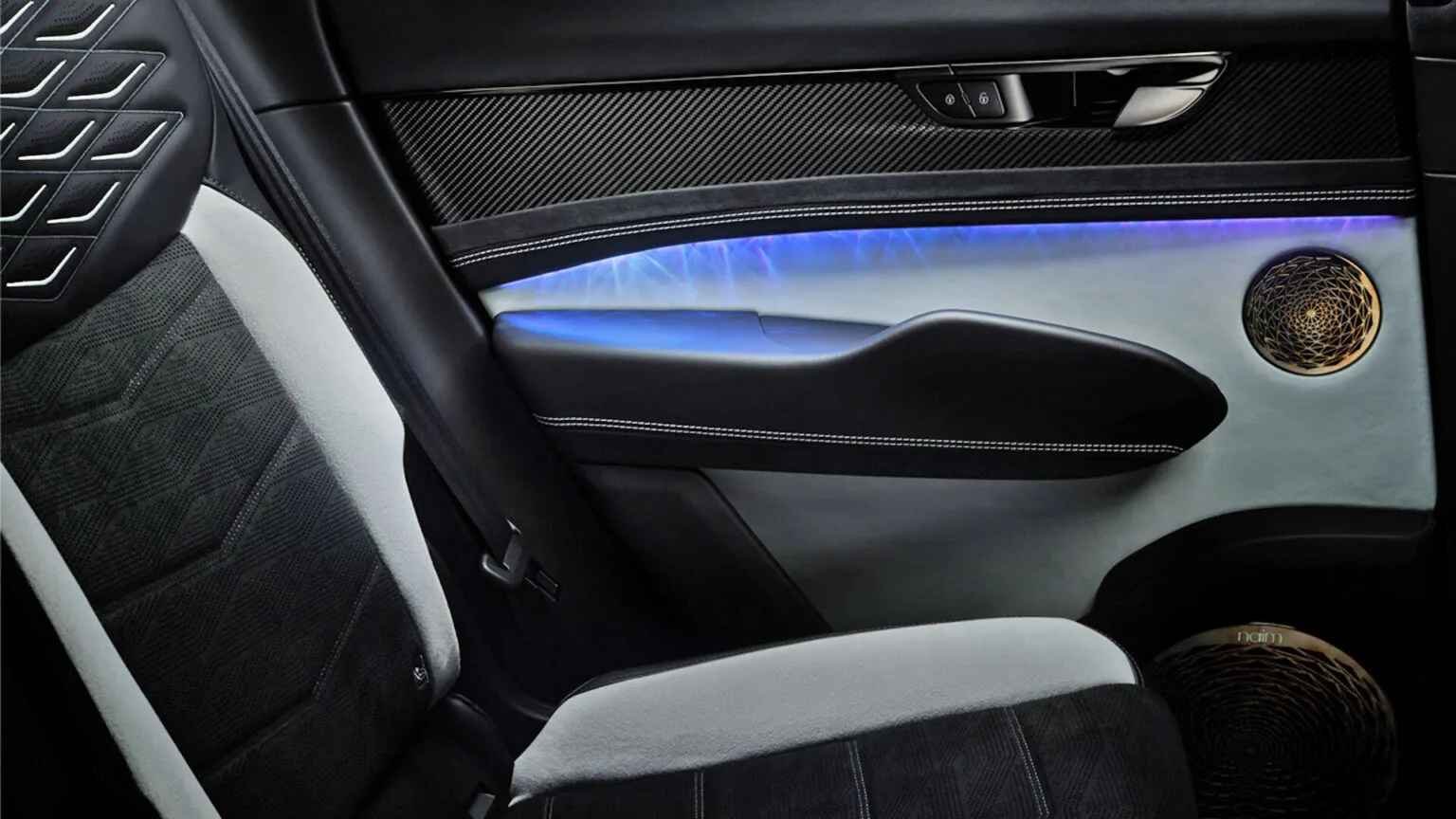
At a glance
- Bentley’s Torcal EV is planned for a world premiere on September 23, 2026.
- The Torcal is expected to become Bentley’s most powerful production car to date.
- Bentley’s second fully electric model is not expected before 2030, while combustion and plug-in hybrid models remain part of the range.
Bentley’s EV timetable has become more flexible
The Torcal arrives at a pivotal moment for Bentley, a brand balancing regulatory pressure, customer expectations and the enduring appeal of combustion power.
Bentley once planned to become an all-electric brand by 2030, a bold position that placed it among the most aggressive luxury carmakers in the transition to battery power.
That target was later moved to 2035, and Bentley has now stepped away from a fixed cut-off point altogether.
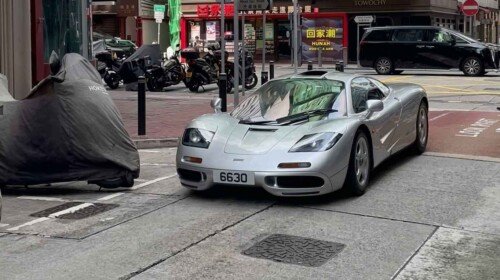
Instead, the company is taking a more adaptive approach, with future engine choices shaped by customer demand and local regulations in different markets.
The Torcal carries a heavy brief
As Bentley’s first EV, the Torcal will need to do more than simply introduce a new drivetrain.
It has to translate the marque’s familiar blend of performance, refinement and long-distance luxury into an electric format without losing the character buyers expect from Crewe.
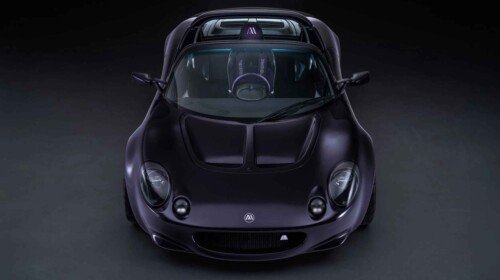
The model is also expected to become Bentley’s most powerful production car, which gives it an important symbolic role within the range.
That positioning matters because Bentley customers are rarely buying on efficiency alone.
The Torcal will have to make the case that electrification can serve luxury grand touring rather than dilute it.
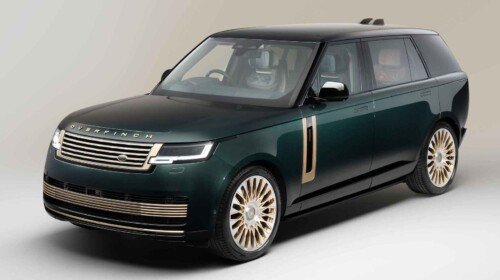
Combustion and hybrid models remain central
The slower EV cadence means Bentley’s existing powertrain mix will remain relevant for longer than previously planned.
Combustion engines will continue in the range, while plug-in hybrids are expected to stay available until at least 2035.
That decision reflects a reality facing many high-end manufacturers.
Luxury buyers don’t all move at the same pace, and infrastructure, taxation and emissions rules differ sharply from one region to another.
For Bentley, keeping multiple powertrain choices in play gives the brand room to serve traditional customers while still preparing for an electric future.
Details & Specifications
| Brand | Bentley |
|---|---|
| Model | Torcal |
| Powertrain | Fully electric |
| Position in range | Bentley’s first battery-electric production car |
| World premiere | September 23, 2026 |
| Electric lineup context | Expected to remain Bentley’s only fully electric model until at least 2030 |
| Performance positioning | Expected to be Bentley’s most powerful production car |
The Torcal now looks less like the first step in a rapid EV conversion and more like Bentley’s carefully controlled entry into a new era.
For buyers, that means the next few years should offer an unusually broad Bentley showroom, with electric, hybrid and combustion models sharing space while the brand works out how luxury performance evolves beyond the decade.