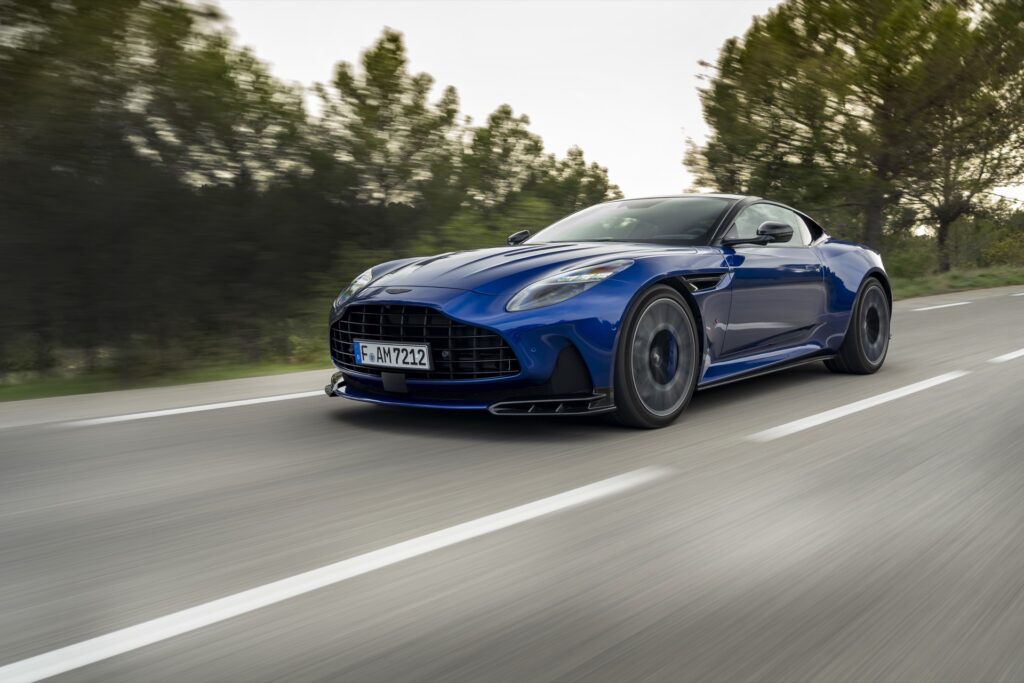
Aston Martin has given the DB12 a more focused edge, and the result is a car aimed squarely at the narrow space between polished luxury GT and front-engined sports car.
The DB12 S brings more power, sharper chassis tuning and standard carbon ceramic brakes, while keeping the long-distance refinement that defines Aston’s modern grand touring brief.
A sharper DB12 without chasing extremes
The 4.0-litre twin-turbocharged V8 now produces 700PS, or 690bhp, while torque remains at 800Nm.
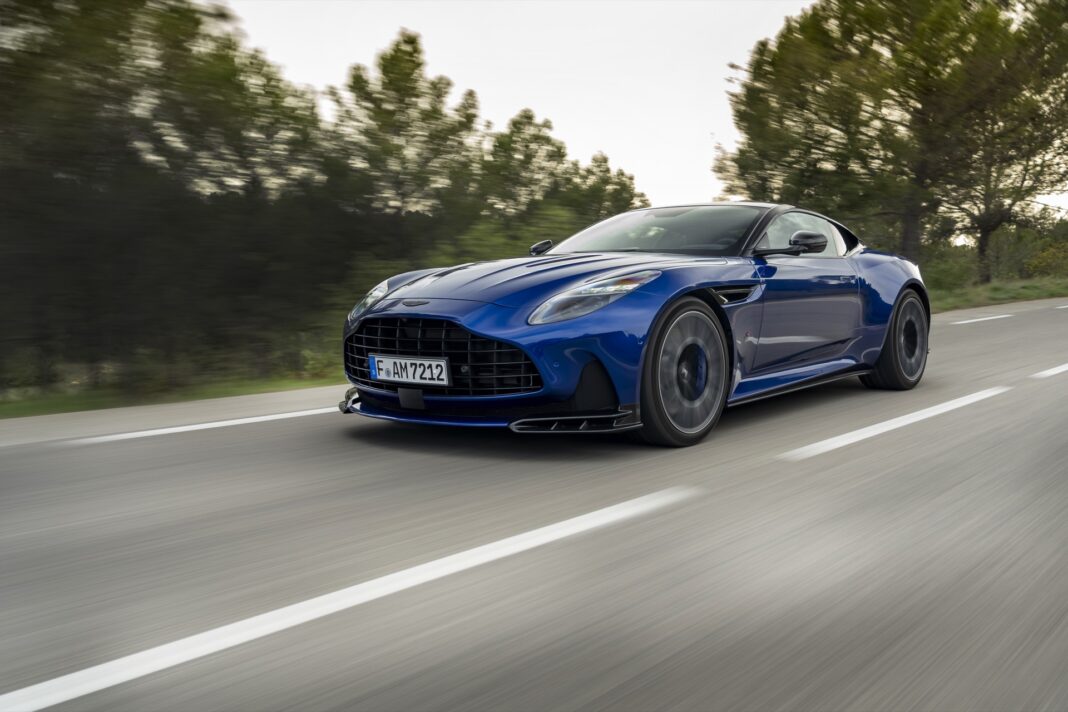
That trims the 0 to 100 km/h run to 3.4 seconds and pushes top speed to 325 km/h, but the more interesting changes sit underneath the numbers.
Aston has recalibrated the throttle, cut gearshift times by more than half, reworked the steering and electronic rear differential, retuned the Bilstein DTX dampers and fitted a stiffer rear anti-roll bar.
The geometry has also been revised, with changes to camber, toe and castor, while carbon ceramic brakes are now standard and remove 27kg of unsprung mass.
The chassis brings more intent to the front end
On the road, the DB12 S feels more alert than the standard car, particularly at turn-in.
The steering still isn’t the most talkative in the class, but the nose responds with greater confidence and the rear axle feels better keyed into the driver’s inputs.
Michelin Pilot Sport S 5 tyres give the car strong traction, letting you lean on the power earlier without feeling like the chassis is being asked to play a role it doesn’t suit.
The eight-speed automatic fits the grand touring character well, shifting smoothly and intelligently, though it can’t quite deliver the immediate snap and theatre of a great dual-clutch gearbox.
Fast, comfortable and still unmistakably Aston
The strongest part of the DB12 S is its balance.
It rides with real polish, absorbing poor surfaces with the kind of expensive composure a GT should have, yet it now has enough body control and precision to feel genuinely entertaining on a demanding road.
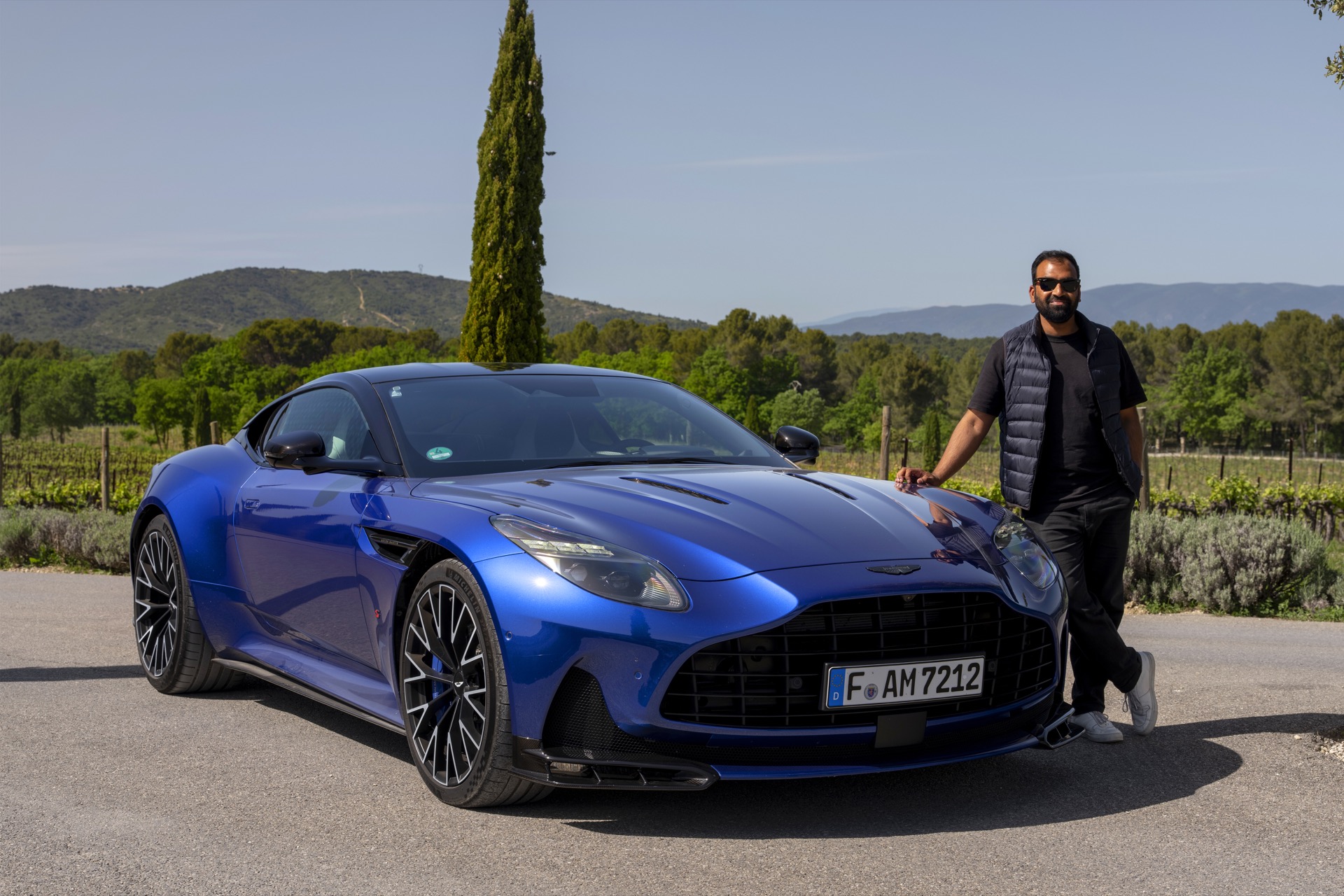
Its size is still something you’re aware of, especially on narrower routes, but the car settles into a rhythm once you trust its front end and the stability of the rear.
With the optional titanium exhaust, the DB12 S has a properly dramatic cold start and a deep, muscular voice in Sport+ mode.
There’s still a trace of AMG character in the V8’s sound, so anyone longing for the older Aston V12 note will naturally look toward the Vanquish, but this car has enough personality of its own.
Subtle aero and a more special cabin
Aston has handled the styling changes with restraint.
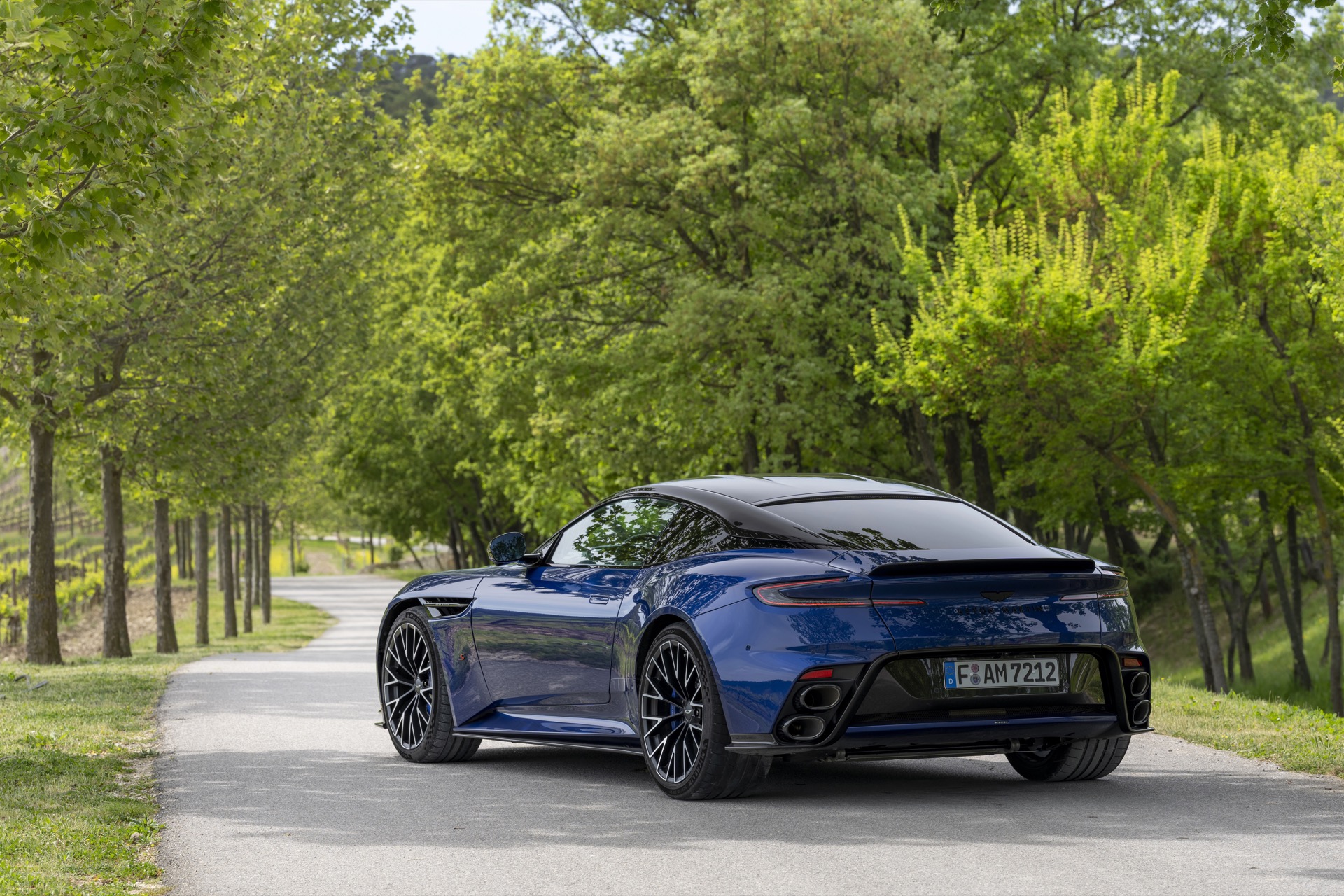
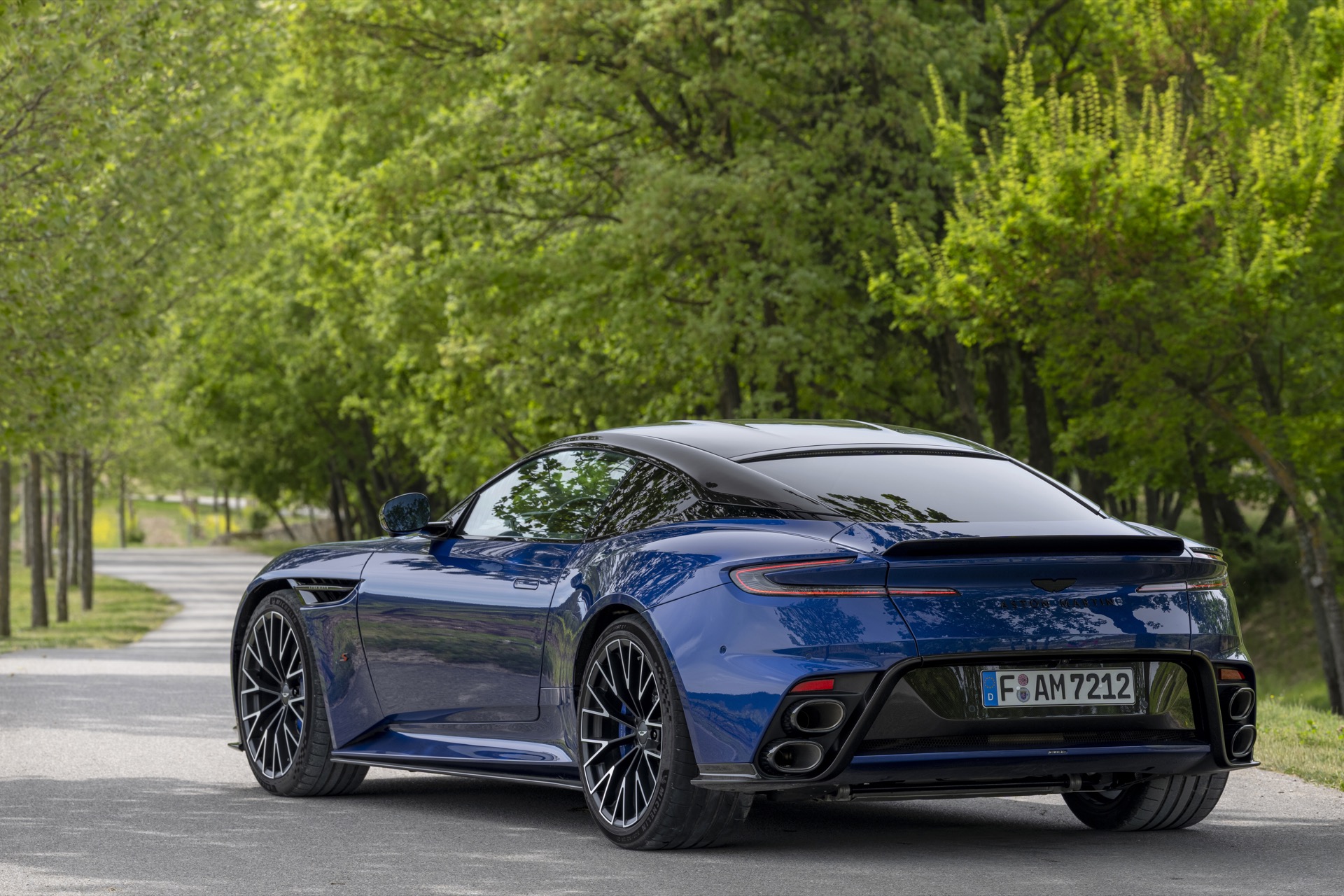
The revised front splitter, bonnet louvres, side sill extensions, fixed rear spoiler and diffuser add purpose without making the DB12 S look like it’s trying too hard.
The quad exhaust outlets, darker rear lamps and subtle gurney-style rear spoiler are the clearest visual cues, while the new wheels give the car a more planted stance.
Inside, the DB12 S still feels special, not just expensive.
Physical controls remain for key functions, and that matters in a car intended to be used quickly and regularly rather than admired only in a garage.
Apple CarPlay Ultra is included, though its integration still has room to improve, particularly when climate controls crowd the infotainment display while navigation is running.
Practicality is GT-grade rather than generous, but the absence of hybrid hardware means there’s no battery pack stealing luggage space, and the rear seats still offer useful overflow room.
At around €250,000, the DB12 S lands in a compelling part of the market, less opulent than a Bentley Continental GT and less intense than a Ferrari Amalfi.
That middle ground is exactly where this car makes sense, because the DB12 S doesn’t need to be the most luxurious or the most aggressive option to be one of the most complete.