GTA 6 may arrive as one of gaming’s most closely watched releases, but one thing players shouldn’t expect is an officially licensed Ferrari, Lamborghini or BMW badge on the road.
That absence isn’t an oversight, and it isn’t new for Rockstar Games.
The studio has long built its own car universe instead, using fictional manufacturers and designs that clearly nod to real-world performance icons without carrying the legal and creative weight of official branding.
At a glance
- GTA 6 is expected to continue Rockstar’s long-running approach of using fictional vehicle brands rather than officially licensed automakers.
- Former Rockstar co-founder Jamie King has said real car licensing would bring cost, approvals, restrictions and coordination with manufacturers.
- The approach lets Rockstar create vehicles inspired by cars like the Chevrolet Corvette, Lamborghini Huracan and McLaren Senna without tying gameplay to brand rules.
Licensing cars would mean more than paying for badges
Former Rockstar co-founder Jamie King discussed the issue in an interview with Killaz, explaining that working with car manufacturers would involve significant expense, effort and coordination.
For a game built around a sprawling open world, licensing isn’t simply a matter of writing a cheque for a logo.
Automakers can require approvals, set conditions and place limits on how their vehicles are presented.
That can become a problem for a studio whose games are built around player freedom, satire and a deliberately unruly relationship with the real world.
Rockstar’s biggest asset is creative control
The GTA series depends on being able to bend reality without asking permission at every turn.
Using fictional car brands allows Rockstar to design, damage, modify and contextualise vehicles however it wants, without becoming dependent on outside companies.
There’s also the image problem.
Luxury and performance carmakers may be reluctant to see their real vehicles tied to shootouts, criminal activity or pedestrians being hit in the street.
That tension is obvious in a game like GTA, where cars are not just transport but tools for chaos, comedy and escape.
The cars still feel recognisable
The absence of real badges hasn’t stopped GTA from building a car culture of its own.
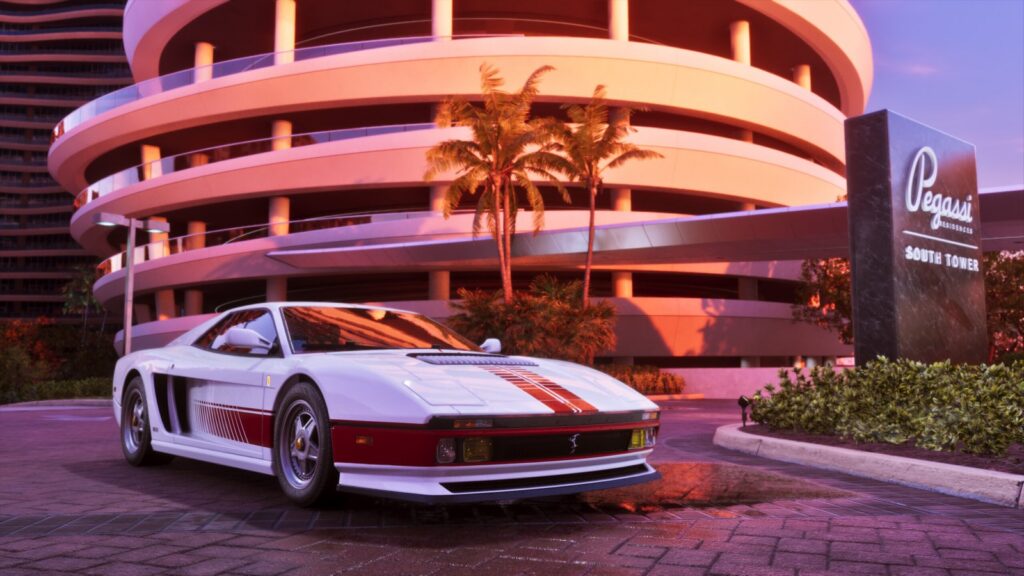
Rockstar’s fictional vehicles often echo familiar shapes and personalities from the automotive world, giving players something recognisable without using official names.
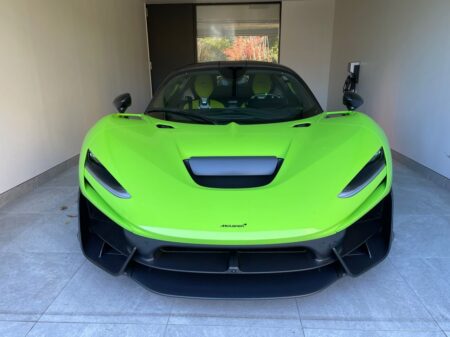
In GTA 6, vehicles such as the Coquette D10, Tempesta and Emerus are understood as in-game interpretations of cars like the Chevrolet Corvette, Lamborghini Huracan and McLaren Senna.
That middle ground has become part of the series’ identity.
Players get the pleasure of spotting references, while Rockstar keeps the freedom to exaggerate, parody and remix car culture to suit the world it is building.
A car world built for GTA, not automakers
Officially licensed cars can bring authenticity, but GTA has rarely been interested in a museum-like version of realism.
Its vehicle design works because it feels close enough to the real world to be legible, then just far enough away to be funny, flexible and legally independent.
For players hoping to cruise in a real Ferrari or Lamborghini, that may disappoint.
For the series itself, fictional cars remain one of the smartest ways to keep GTA’s world sharp, playable and unmistakably under Rockstar’s control.