A safari is shaped as much by timing and interpretation as it is by geography.
Wildlife doesn’t run to an itinerary, and the best moments often come from patience, local knowledge and the freedom to adjust the day as it unfolds.
That’s where a private safari guide can make a meaningful difference, especially for families, friends or travellers moving between multiple camps or regions.
At a glance
- A private safari guide can stay with your group throughout a trip, bringing continuity across changing camps, countries and landscapes.
- The experience can be shaped around your interests, from birds and tracks to photography, big cats, walking and time in hides where permitted.
- Private guiding offers more flexibility, though every day remains subject to wildlife, weather, park rules and travel logistics.
A constant guide across changing country
One of the quiet advantages of private guiding is continuity.
With the same guide travelling alongside your group, the safari becomes less fragmented and more cumulative.
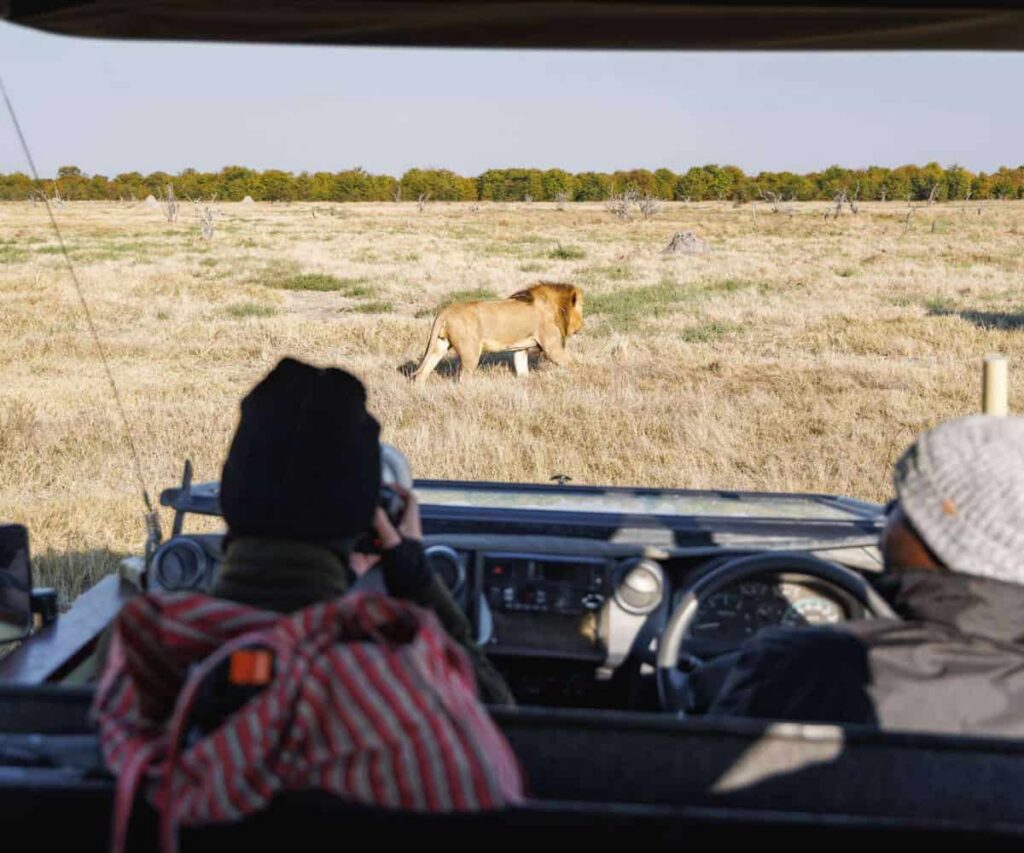
After a few days, a good guide will know who reaches for binoculars at the first bird call, who wants to linger over tracks in the road and who would happily spend an hour watching a sleeping lion.
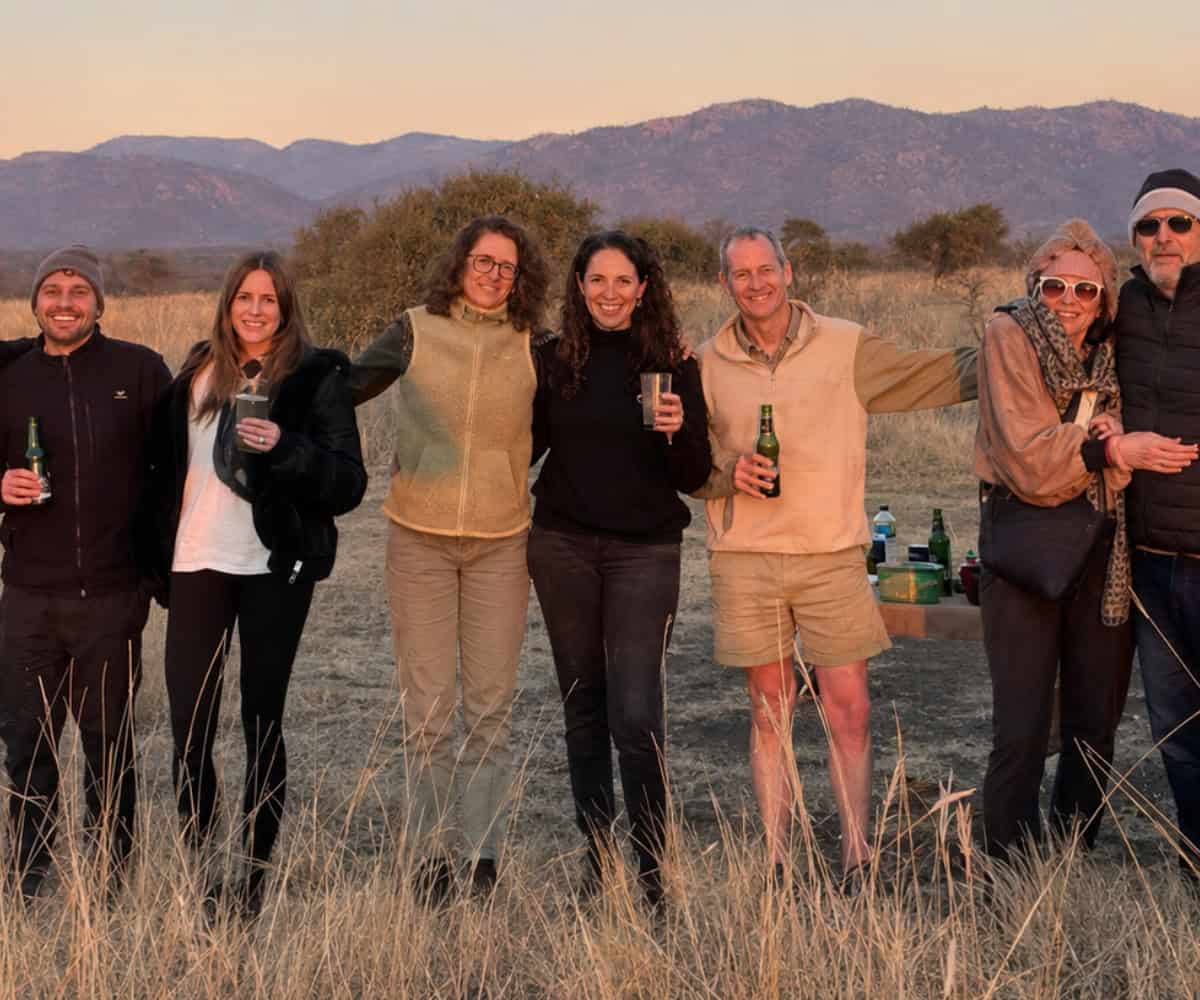
That familiarity can matter even more on an itinerary that moves between camps or countries.
A journey from Botswana to Zimbabwe, for example, can bring shifts in terrain, wildlife patterns and daily routines, while the guide remains a steady point of reference.
They can connect what your group saw earlier in the trip with what’s happening now, whether that means comparing animal behaviour across different landscapes or revisiting a question raised over breakfast during an afternoon drive.
Over time, the guide becomes part of the shared memory of the trip rather than a new voice at every stop.
That relationship also leaves room for surprise.
Even guides with decades in the bush can encounter behaviour they rarely see, and there’s a particular energy when the whole vehicle realises it has discovered something together.
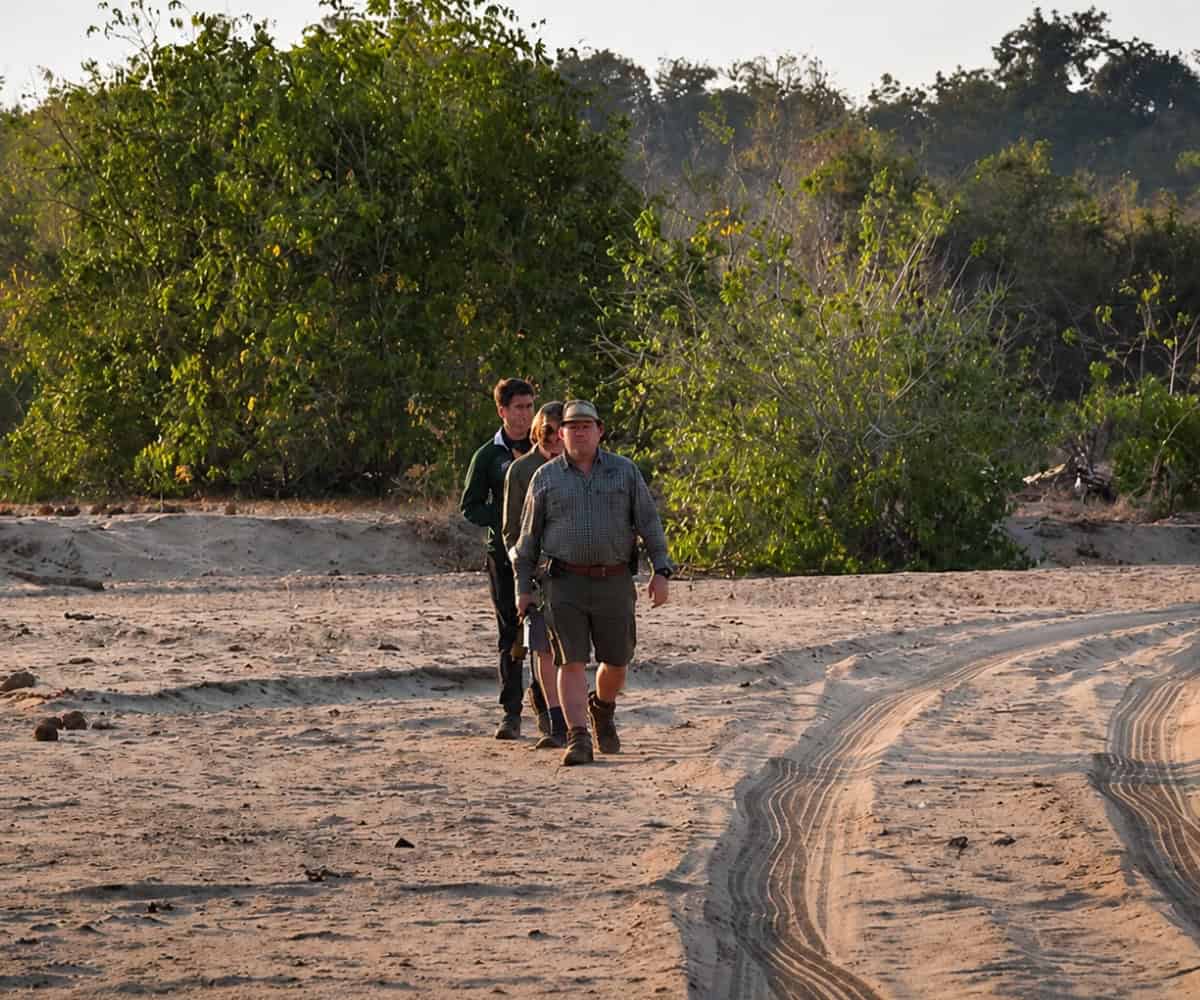
Your interests get more space
No two people arrive on safari for exactly the same reason.
One traveller may want to photograph insects, another may be fascinated by spoor in the dust, while someone else may be happiest watching elephants for as long as the sighting allows.
A private guide can absorb those differences and build the journey around them.
A stop for feeding birds might open into a conversation about the trees they’re using, the insects in the same habitat and the animals that rely on that environment.
Interests can also appear unexpectedly.
A single footprint may spark a new fascination with tracking, while learning one bird call can change what a traveller listens for on every drive that follows.
Understanding elephant behaviour can alter the way a group reads every herd encounter for the rest of the safari.
Where permitted, and with an appropriately qualified guide, those interests may shape activities beyond the vehicle.
Tracking can lead to walking, night drives can reveal different patterns of animal behaviour, and time in a hide can reward those willing to sit quietly and watch.
These possibilities depend on the area, conditions and local regulations, which makes it useful to discuss priorities before the journey begins.
Private guiding isn’t limited to classic safari country either.
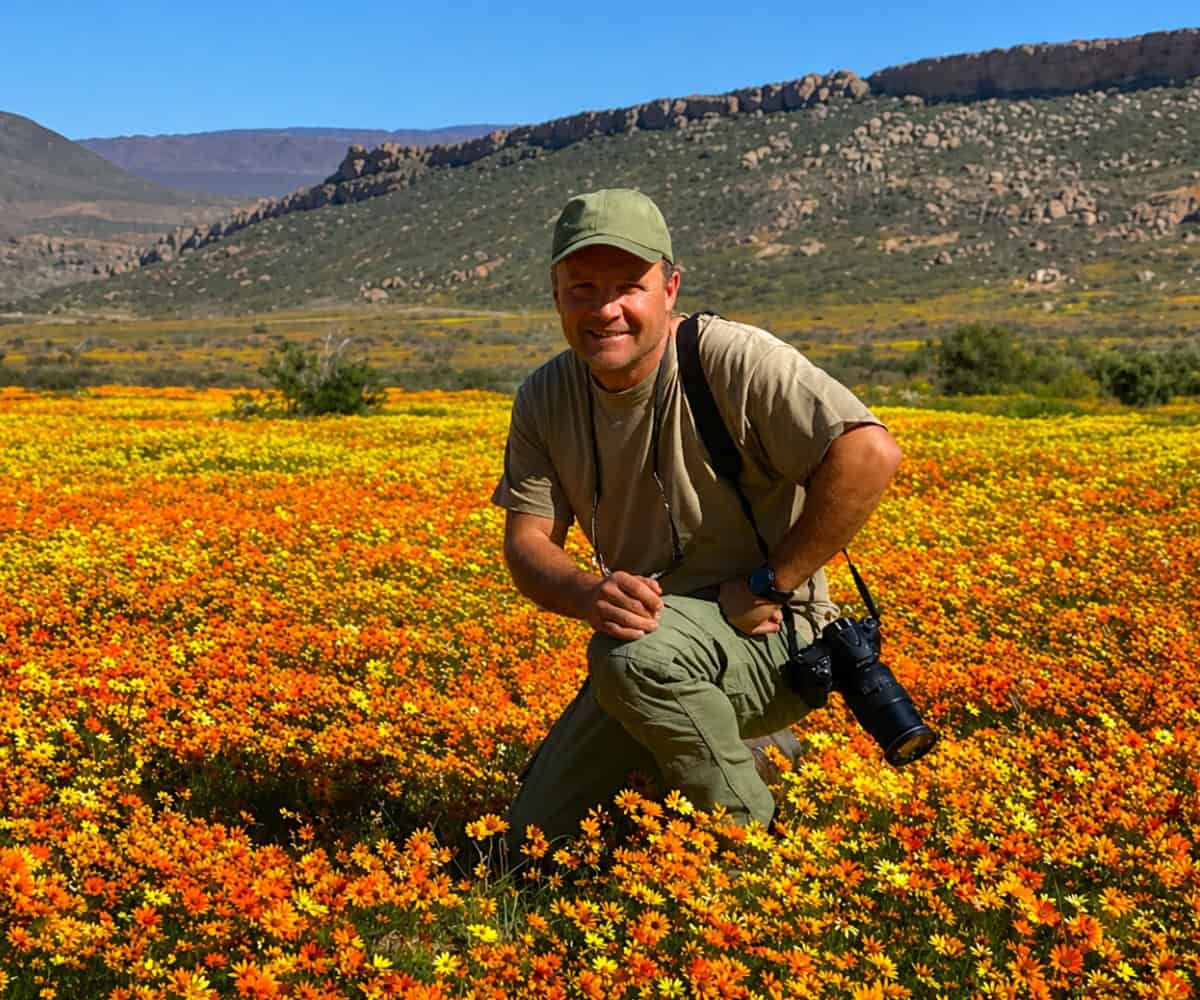
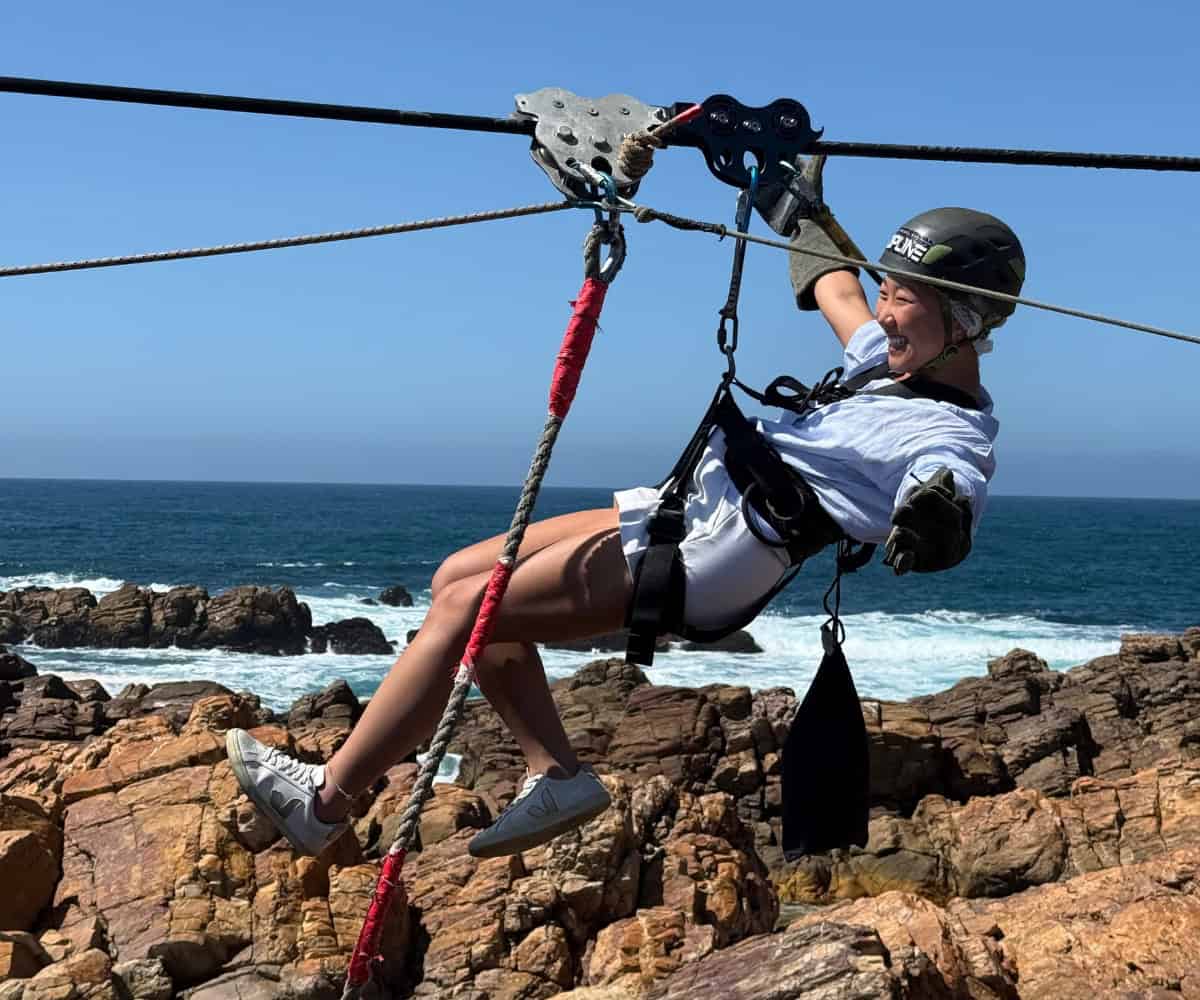
A group travelling around Cape Town and Cape Point may find its attention shifting towards coastal outings, birds, hiking, flowers or fynbos.
A pace that suits the sighting
Wildlife viewing often improves when nobody is in a rush.
A sleeping lion may look uneventful at first, until movement in the grass reveals a cub and the entire scene changes.
With a private guide, the decision to stay or move on can reflect your group’s curiosity rather than the compromise of a mixed vehicle.
That flexibility is useful for photographers waiting for a cleaner angle, travellers hoping for a particular animal, or families who simply want more time with a memorable sighting.
It also allows the guide to respond to small clues, from fresh tracks in the road to a sound nearby.
The pace can slow in other ways too.
After several early starts, a group may prefer a later breakfast or a quieter spell at camp, if the itinerary and local arrangements allow it.
The same principle applies on private touring days around the Cape, where one group may want longer at a viewpoint, another may prefer a walk, and another may decide the afternoon should be calmer.
This freedom has practical limits.
Weather, wildlife movement, park regulations and transfer schedules still shape the day, but private guiding usually gives a group more room to decide how it wants to use the time available.
Field knowledge behind the experience
Specialist guiding is built through time outside, not just enthusiasm for a subject.
When a guide focuses on birding, photography, big cats or walking, that knowledge usually reflects years of field work, formal training and continued learning.
A strong birding guide can do more than name the species in front of you.
They can explain why it may be in a particular place, what it is feeding on and which behaviours are worth watching.
A guide with deep predator experience may read subtle shifts in posture or movement that a guest would miss.
That can be the difference between leaving a sighting too early and staying long enough to understand what is developing.
For photographers, field knowledge matters before the camera is lifted.
Reading an animal’s likely behaviour helps anticipate a moment, while an understanding of setting, light and position can improve the way a sighting is approached.
Walking adds another layer of skill.
Tracks, wind direction, sounds and vegetation all become part of the guide’s reading of the landscape, and appropriate professional qualifications and experience are essential when potentially dangerous wildlife is involved.
Choosing the right guide is therefore about more than matching a hobby.
It’s worth considering where they guide, what experience they bring, how they communicate and whether their approach suits the kind of journey your group wants.
Choosing the right private safari guide
There is no single private guide who suits every traveller.
Some groups want someone who can talk about big cats all day, while others want a guide who will stop for an uncommon bird or turn a set of tracks into a lesson.
Others may want a mix of wildlife, photography, walking and time around Cape Town or Cape Point.
A sensible starting point is to identify the destinations and experiences that matter most, then look closely at the person leading them.
If you’re considering a private guided safari package, it’s useful to ask whether the guide accompanies the entire trip or only specific sections.
That single detail can change how continuous the experience feels.
You also don’t need to arrive with a special interest already defined.
The right guide can deepen what you already love and introduce you to details you didn’t know to look for, whether that’s a leopard track in the dust, a bird call in the trees or the behaviour of an elephant herd at rest.