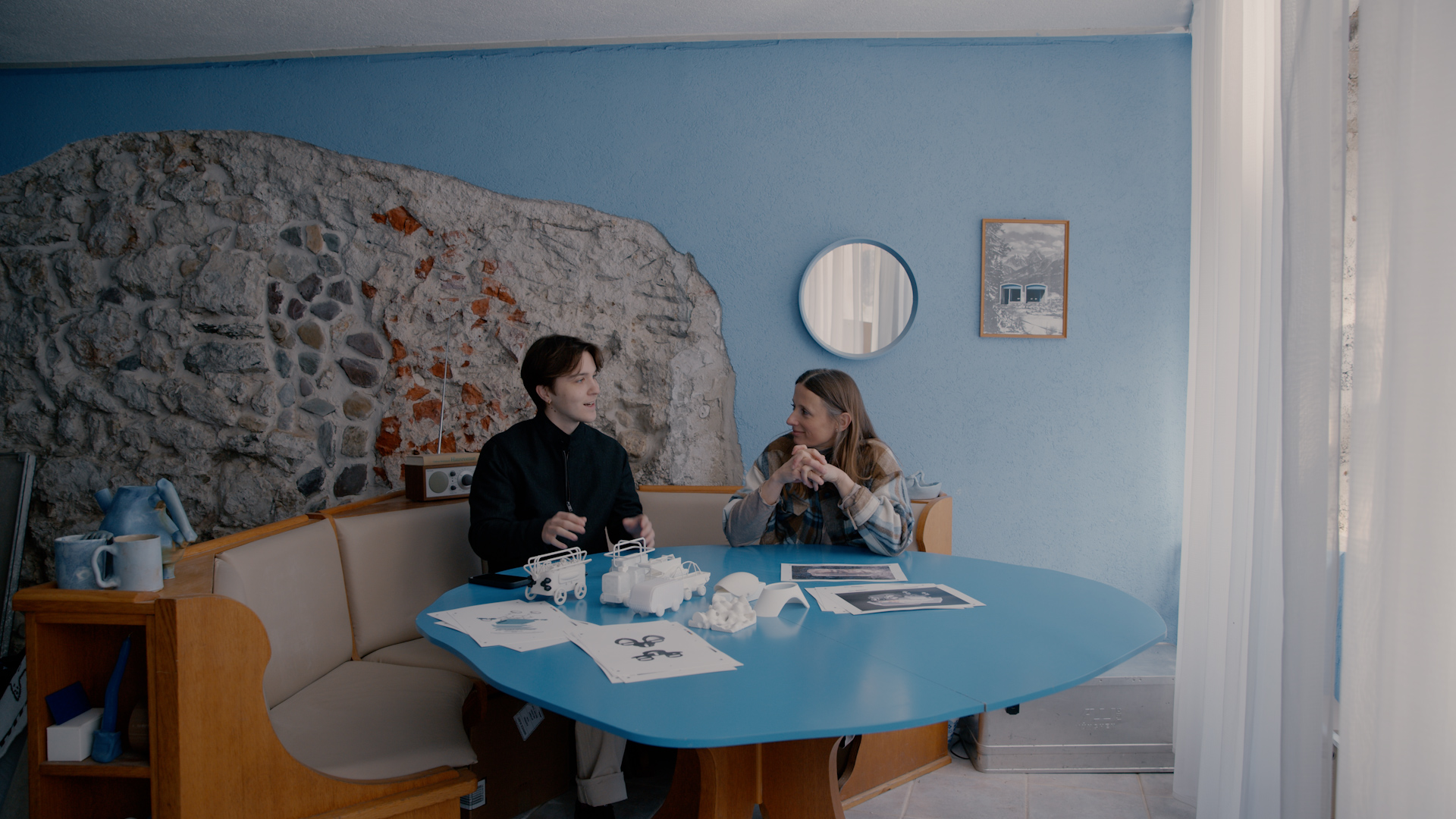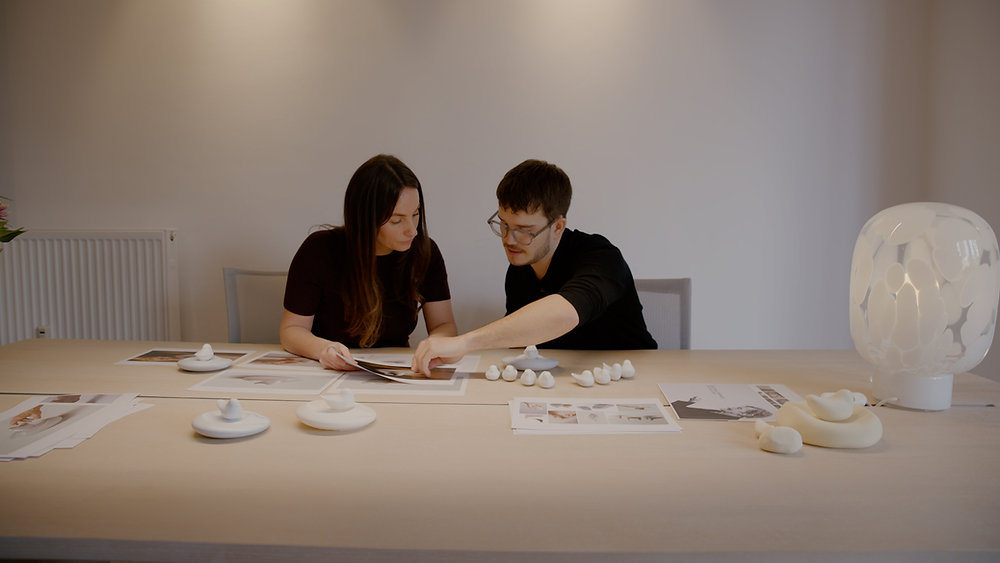
RIMOWA has marked the fourth edition of its Design Prize with a Berlin ceremony that put student-led ideas, practical problem solving and industrial design thinking in the spotlight.
Held at the Kulturforum and led by Valerie Präkelt, the event brought together jurors, mentors, cultural figures and seven finalist projects from German design schools.
NURA wins first prize with accessible communication technology
First place was awarded to Samuel Nagel and Paul Feiler of Hochschule für Gestaltung Schwäbisch Gmünd, mentored by Tim Richter, for NURA.
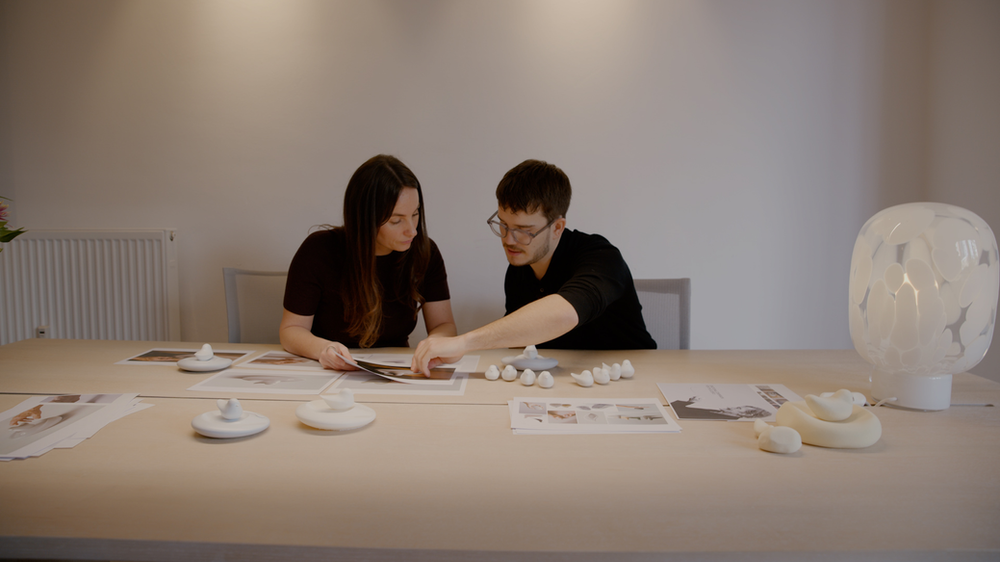
The project is a wearable bracelet designed to translate sign language into spoken language while also converting speech into visible text, creating a more fluid bridge between deaf and hearing people.
Paludi Harvester earns special mention for peatland restoration
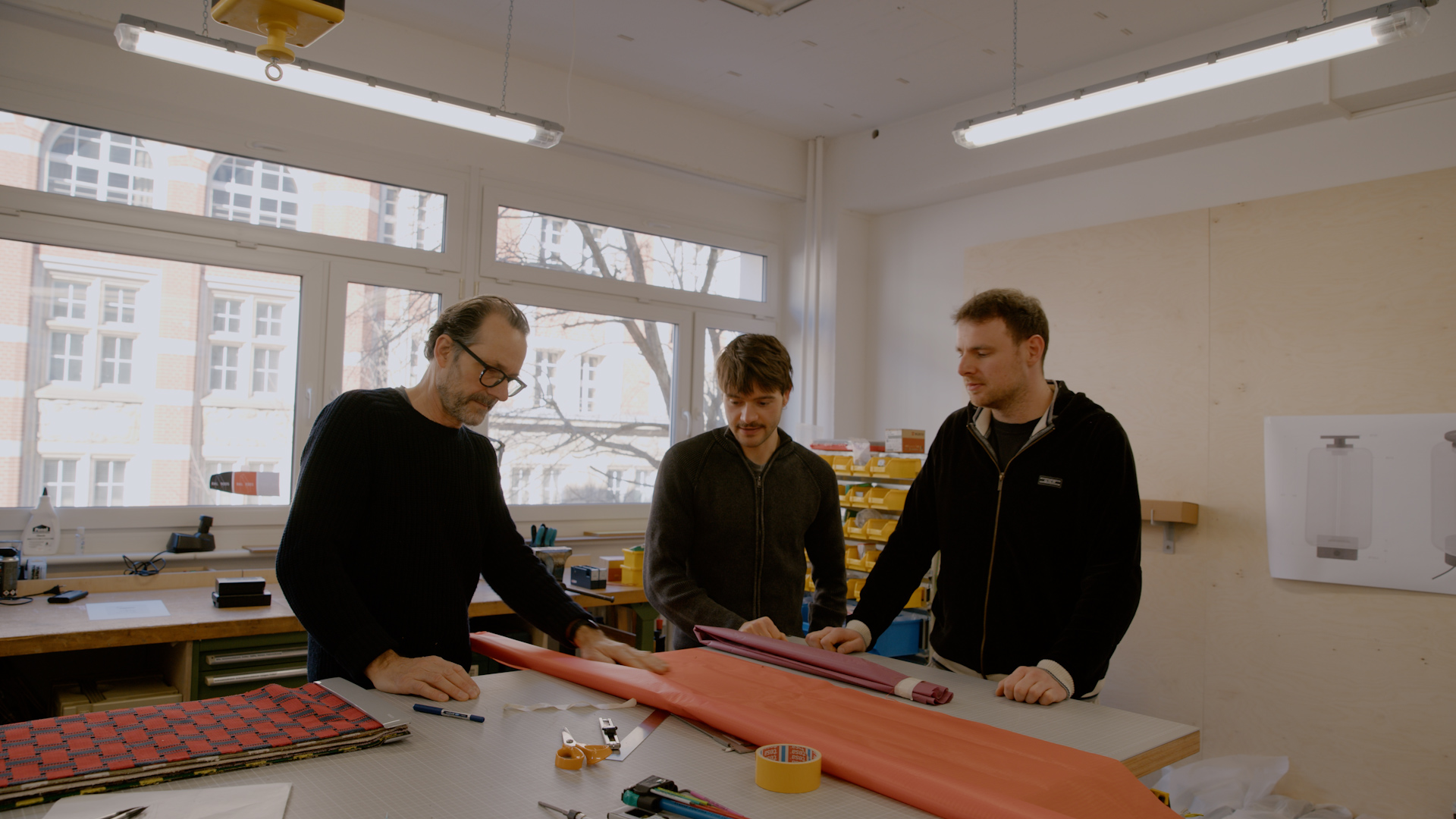
A special mention went to Niklas Henning of Hochschule Magdeburg-Stendal, mentored by Stefan Daniel, for Paludi Harvester.
The coordinated harvesting system is intended to help restore peatlands while preserving agricultural productivity, using efficient reed harvesting and processing in demanding environmental conditions.
Seven finalists share the prize platform
The other finalist projects were presented by Tim Kipper and John Roller of Hochschule für Gestaltung Schwäbisch Gmünd, Tobias Kremer and Yannick Stilgenbauer of Hochschule der Bildenden Künste Saar, Nicolas Nielsen of Bauhaus-Universität Weimar, Valerio Sampognaro of HFBK Hamburg and Jakob Schlenker of Hochschule für Gestaltung Schwäbisch Gmünd.
Mentors for the finalist group included Clemens Poloczek, Konstantin Grcic, Matylda Krzykowski, Farah Ebrahimi and Hanne Willmann, underscoring the programme’s link between student experimentation and established design practice.
Prize funding and a public showcase in Berlin
All seven finalist projects received monetary awards, with €20,000 granted to the winning project, €10,000 awarded for the special mention and €5,000 given to each of the remaining five finalists.
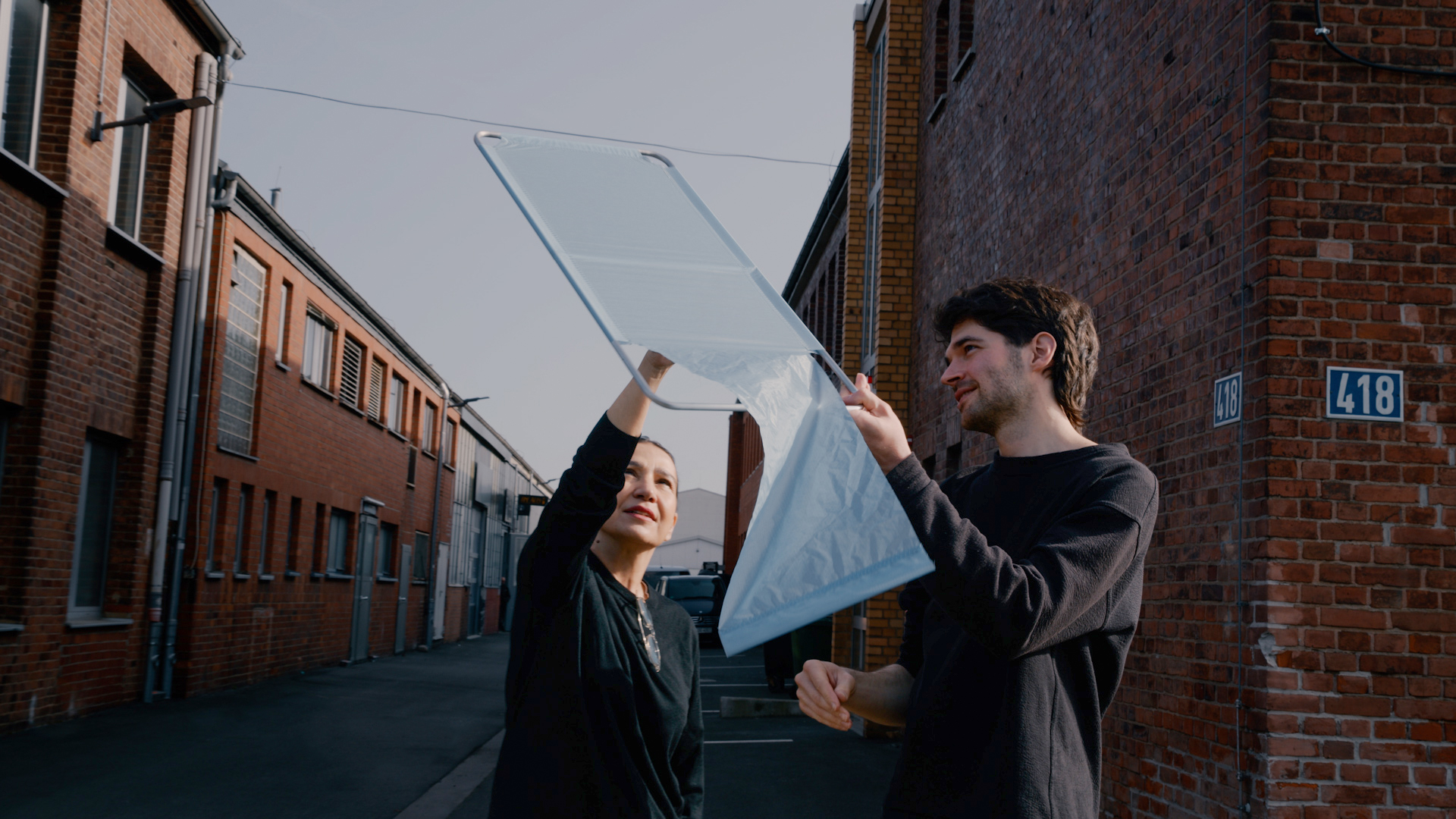
The finalist works were also exhibited to the public until May 13, giving visitors a closer look at how a new generation of designers is approaching accessibility, ecology and everyday systems with clarity and purpose.