Train travel has a way of slowing the senses without making the journey feel slow.
On the Chepe Express, that matters more than usual, because the route from Creel in Chihuahua toward the Pacific coast is less about getting from one point to another than watching northern Mexico change in front of you.
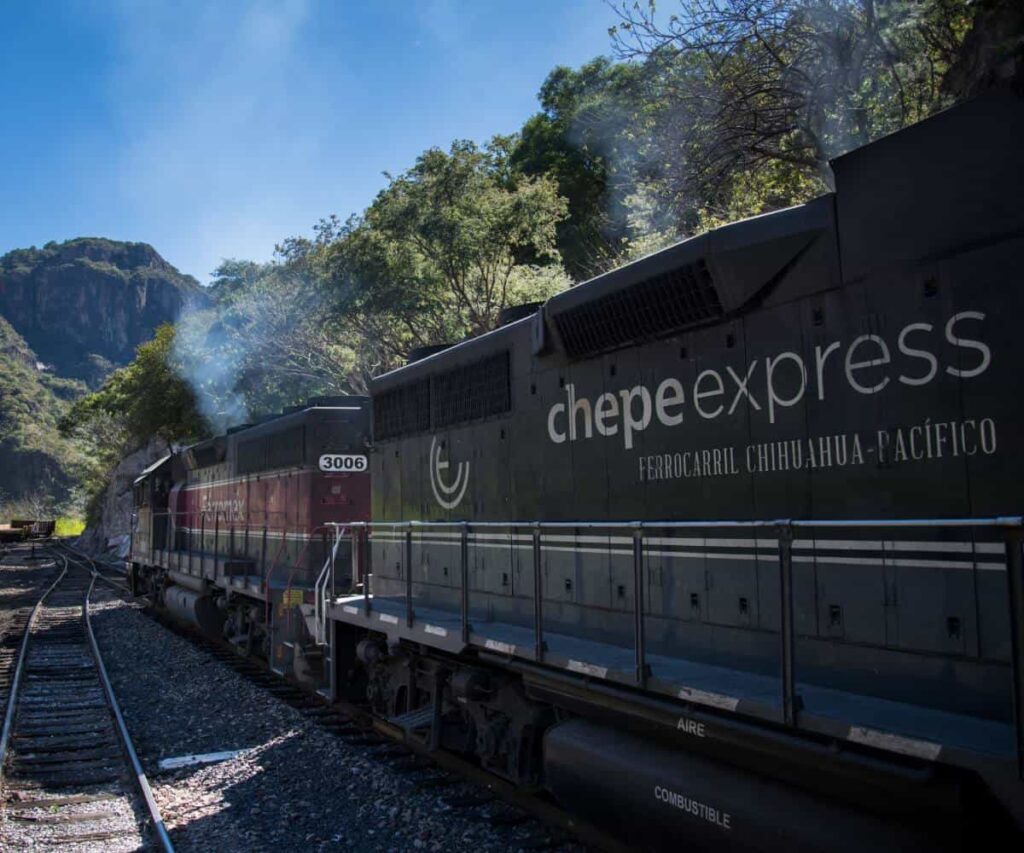
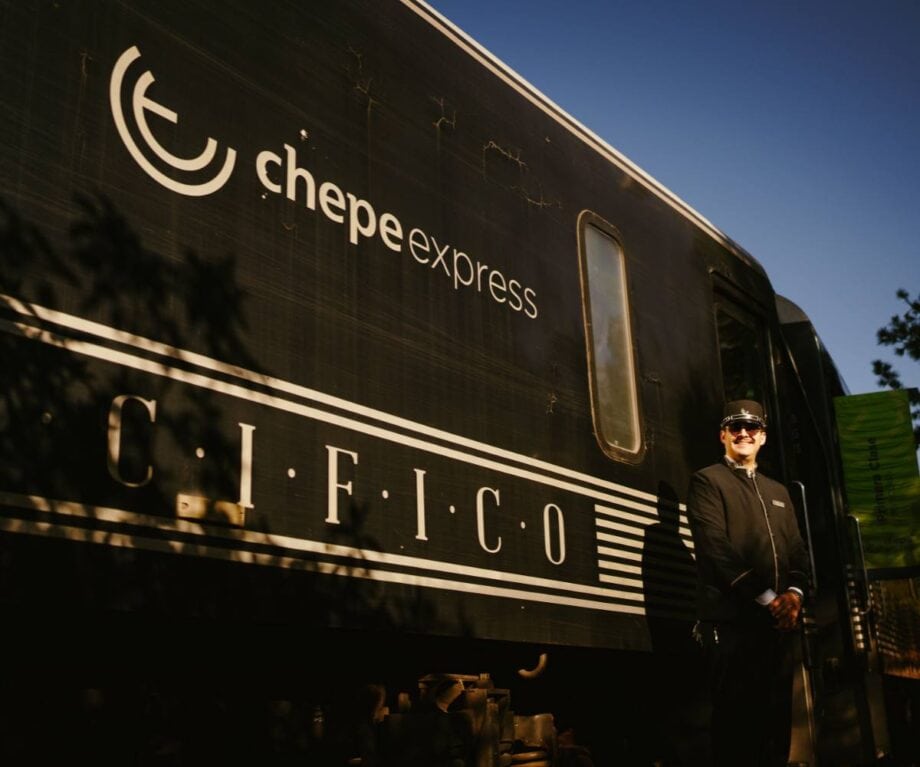
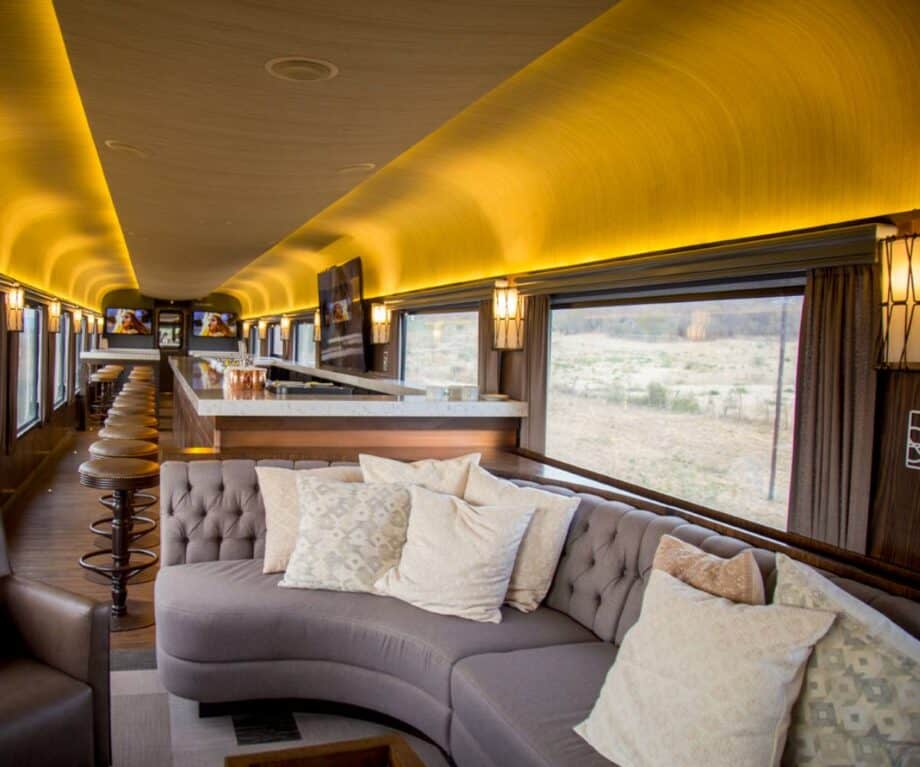
This is Mexico’s only luxury train, and its appeal lies in the contrast between comfort on board and the sheer scale of the terrain outside the window.
At a glance
- The Chepe Express is Mexico’s only luxury train, running from Creel through the Tarahumara Sierra toward the Pacific coast.
- Highlights include Copper Canyon views at Divisadero, First Class terrace access and the Urike dining car.
- The journey covers around 350 kilometres, linking mountain forests, canyon country, subtropical valleys and coastal lowlands.
Creel and the mountain start of the journey
The journey begins in Creel, a pine-scented town in the western sierra of northern Mexico, set around 7,700 feet above sea level.
It sits in Chihuahua, Mexico’s largest state, a vast region of canyons, rivers, forests and archaeological sites that many international travellers still overlook.
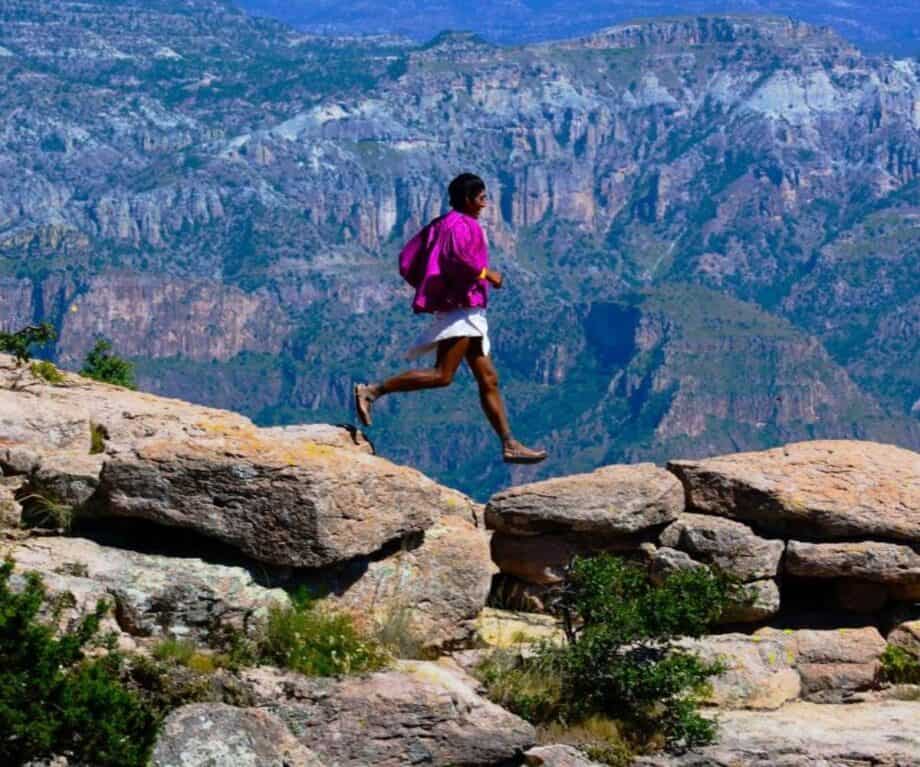
Creel is also part of the heartland of the Rarámuri people, whose name is often translated as “light-footed”.
Their reputation as extraordinary long-distance runners is well known, but the deeper interest for visitors is the relationship between their communities, landscape, traditions and craft.
Before boarding the train, Creel rewards a little time on the ground.
The San Ignacio Mission is one of the area’s quietest and most evocative stops, often paired with visits to Lake Arareco and the Valley of the Monks, where the landscape feels carved for myth as much as geology.
Copper Canyon from the rails
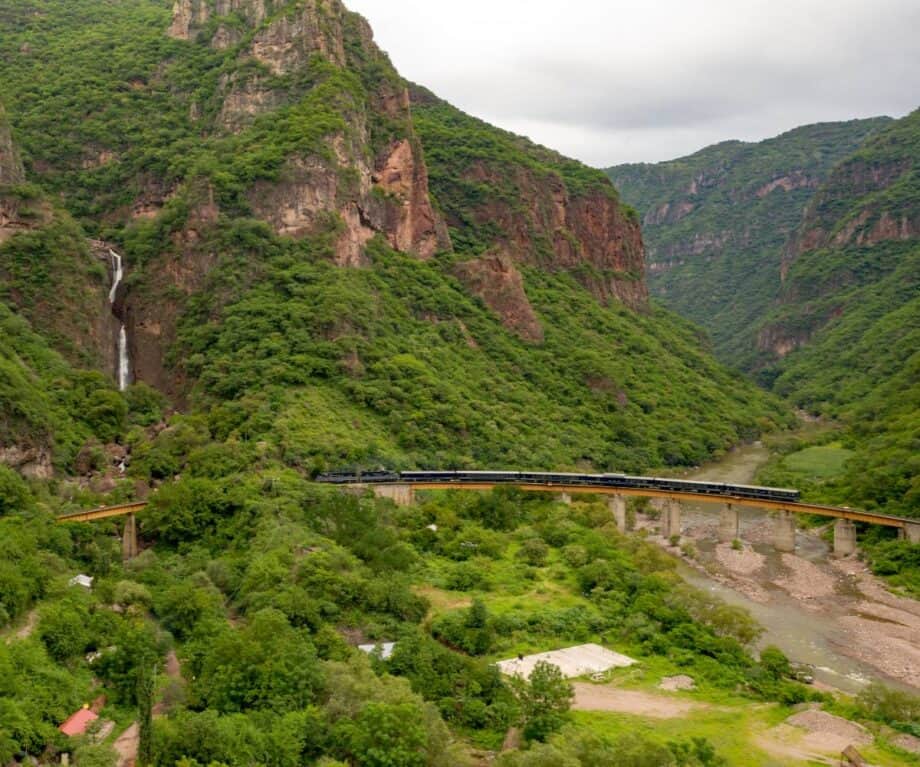
From Creel, the Chepe Express winds toward the Pacific side of Mexico over roughly 350 kilometres of track.
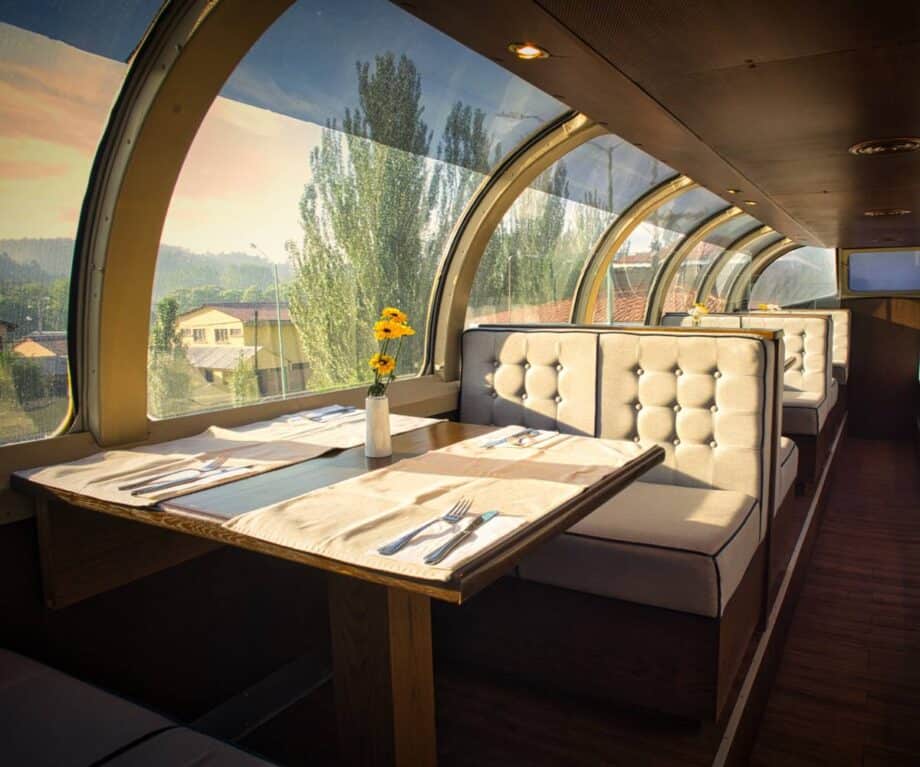
First Class is the way to experience it if the journey itself is the point, with access to the open-air terrace and the Urike restaurant adding a more leisurely rhythm to the day.
The most dramatic early pause comes at Divisadero, where passengers step off and walk toward a platform edge that seems to give way into open air.
Here, the Urique, Tararecua and Copper Canyon systems meet in a jagged sweep of rock and depth, a landscape often described in terms that exceed the Grand Canyon for scale.
The stop is brief enough to keep the momentum of the journey, but long enough to understand why this railway has become one of Mexico’s great travel experiences.
Back on board, the view shifts from spectacle to immersion.
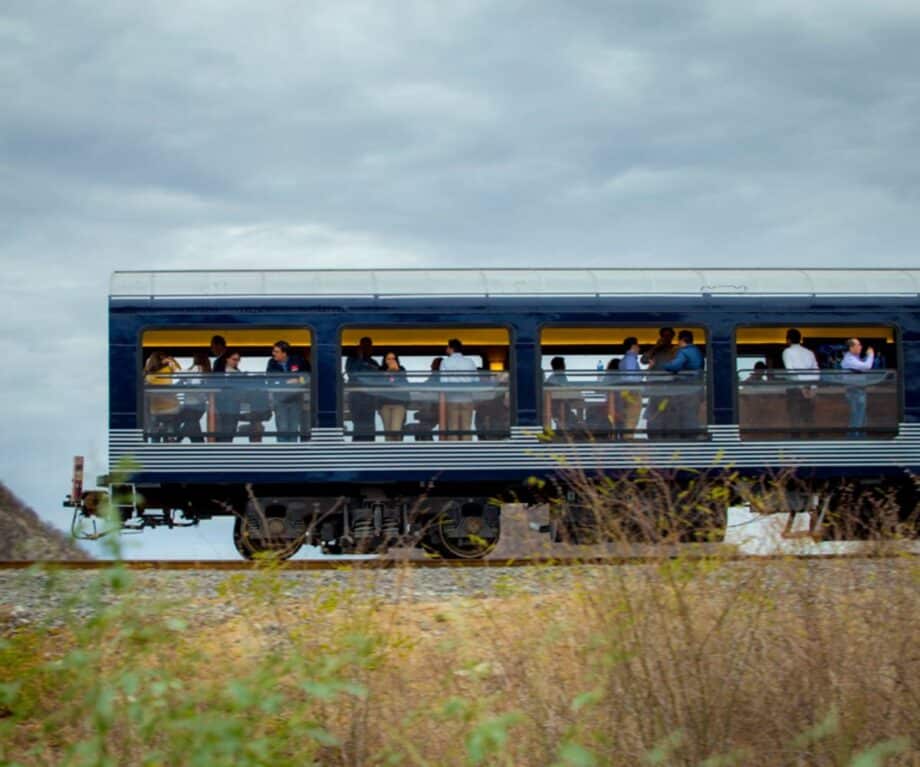
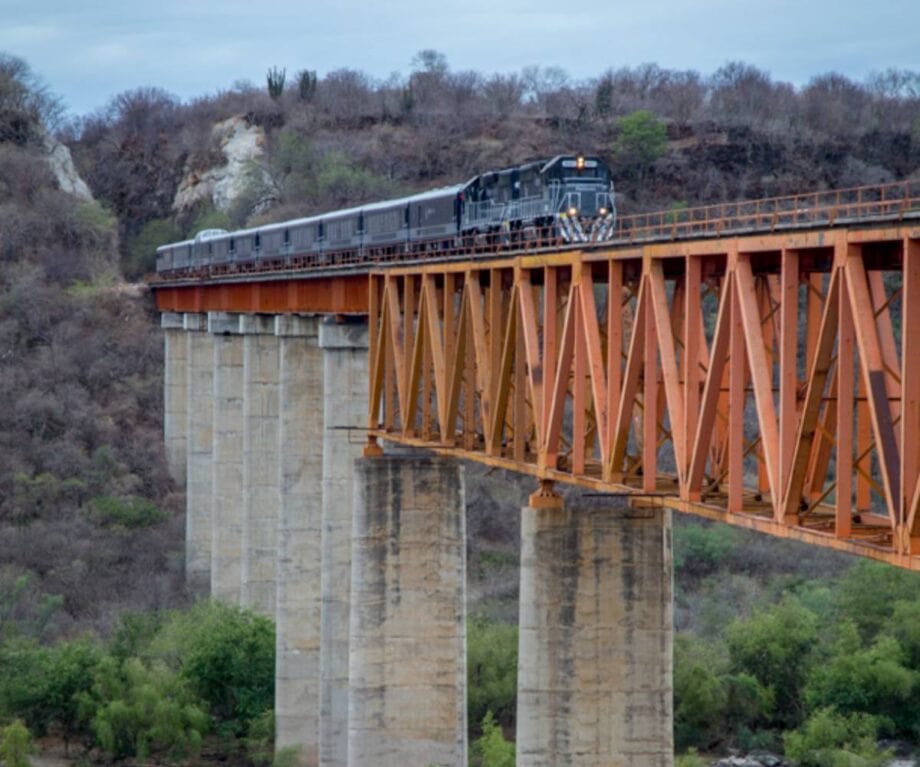
In the Urike dining car, glass-sided views turn lunch into a moving observatory, with canyon walls, bridges and sudden drops passing close enough to make the engineering feel as impressive as the scenery.
Bridges, tunnels and Rarámuri country
The descent through Chihuahua is a reminder that luxury here isn’t only about polished service or a good glass of Mexican red wine.
It’s also about being able to watch the railway deal with extreme terrain at a human pace.
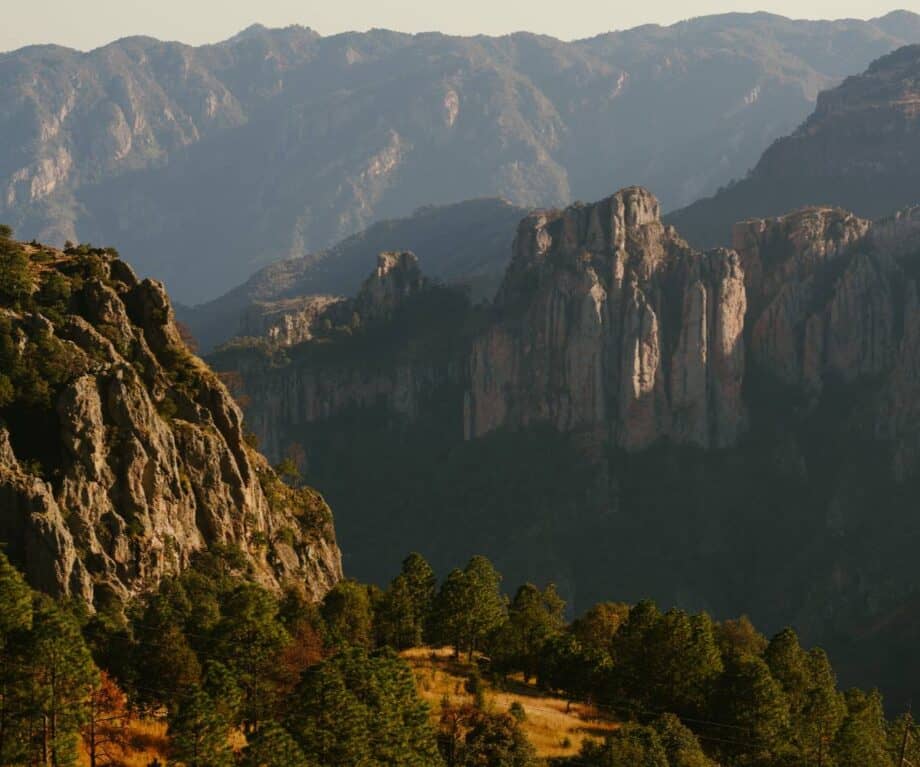
The train crosses high bridges, slips into dark tunnels and traces the edge of cliffs in a way that makes flying over the same landscape feel almost abstract.
Cerocahui is another memorable point along the route, particularly for travellers who want the journey to connect with local life rather than remain purely scenic.
The area offers access to viewpoints such as Cerro del Gallego, where the Urique Canyon opens with a force that photographs rarely capture.
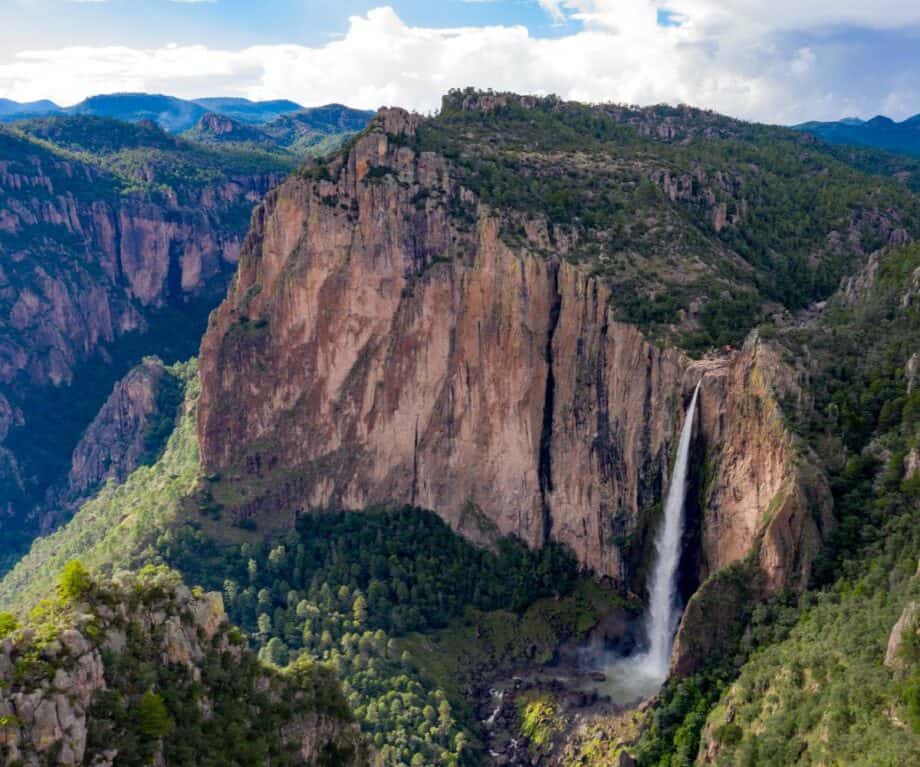
It is also possible to visit a boarding school run by nuns where Rarámuri girls study, adding a more grounded human dimension to a route often remembered first for its drama.
From subtropical valleys to the Pacific side
As the train crosses into Sinaloa, the atmosphere changes quickly.
The cool mountain air gives way to humid green valleys, and the carriage begins to feel the rise in temperature long before the journey reaches the lowlands.
El Fuerte marks one of the clearest transitions.
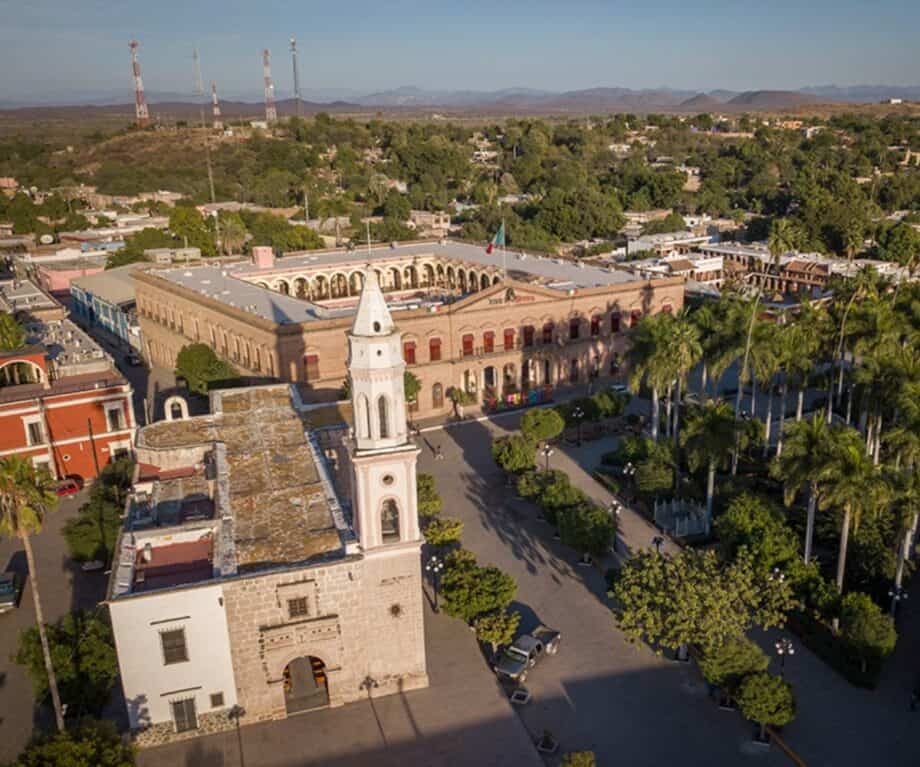
At around 300 feet above sea level, this old Spanish colonial town brings stone archways, historic buildings, palm trees and a heavier warmth that feels far removed from Creel’s high-altitude calm.
The final stretch toward Los Mochis, near the Sea of Cortez, flattens into farmland and coastal approach.
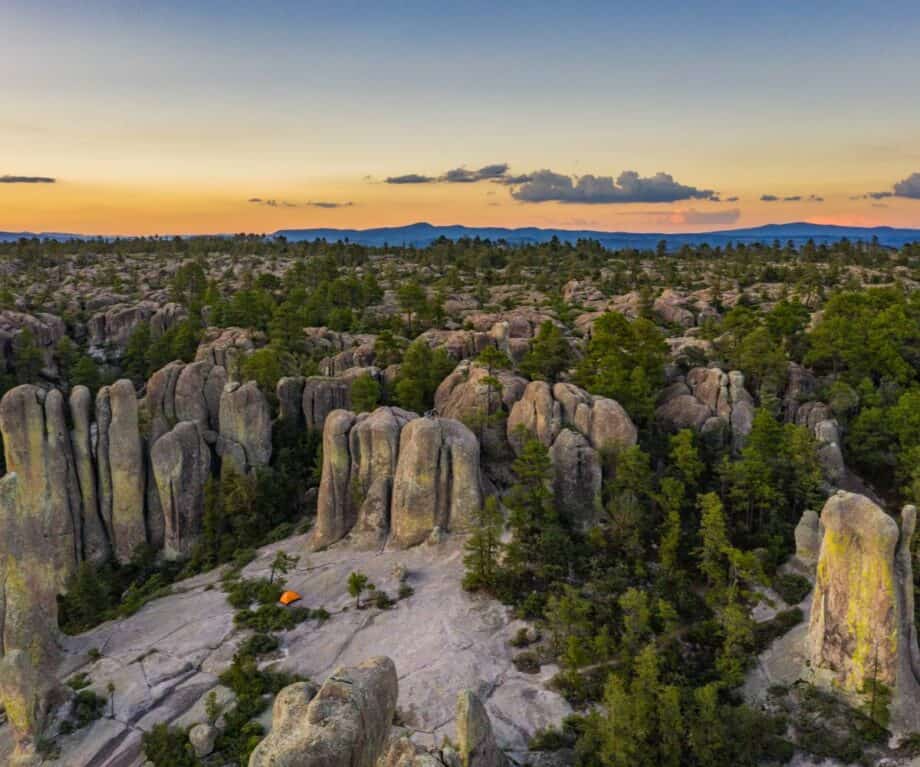
By the time the journey ends, the route has moved through mountain forest, canyon country, subtropical valleys and the Pacific lowlands, all without the disconnection that comes from changing gates or airports.
That is the quiet power of the Chepe Express.
It turns distance into experience, giving travellers a view of Mexico’s scale, culture and landscape that feels unhurried, tactile and unusually complete.