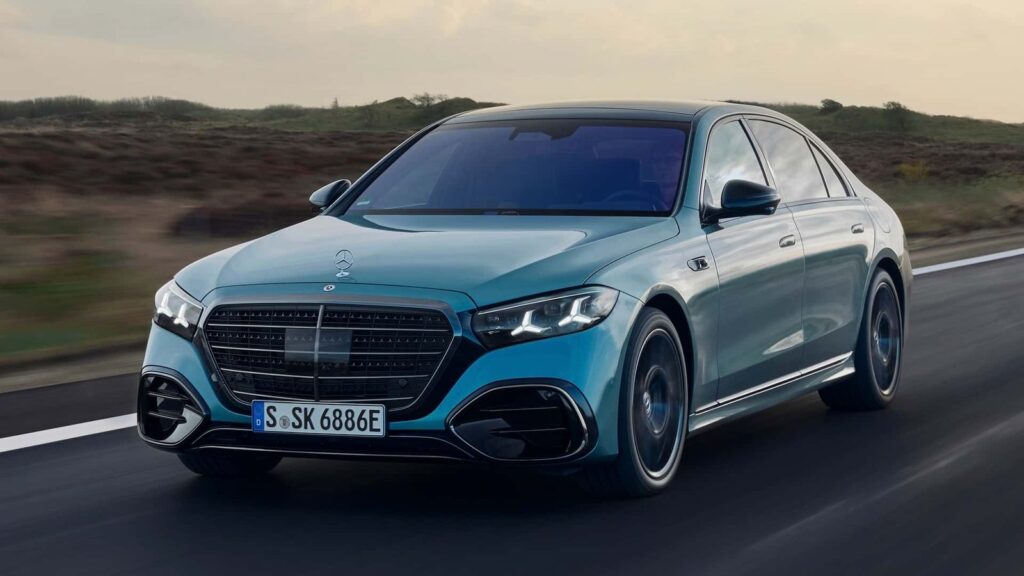
Mercedes-Benz is in no rush to chase the extended-range electric vehicle idea.
The brand’s position is straightforward enough. If buyers want electric driving with a combustion engine in reserve, Mercedes believes its plug-in hybrids already cover that brief; if they want serious electric range, the answer is a battery-electric model.
At a glance
- Mercedes-Benz currently sees little customer demand for extended-range electric vehicles.
- The brand says its European plug-in hybrids can cover more than 124 km of electric driving and offer DC fast charging.
- Mercedes is positioning plug-in hybrids and full EVs as the clearer choices for its customers.
Mercedes sees plug-in hybrids as enough for daily electric driving
Christoph Starzynski, Mercedes-Benz Vice President of Product Strategy and Product Steering, has argued that the brand’s existing plug-in hybrids already deliver the kind of electric range most customers need for everyday use.
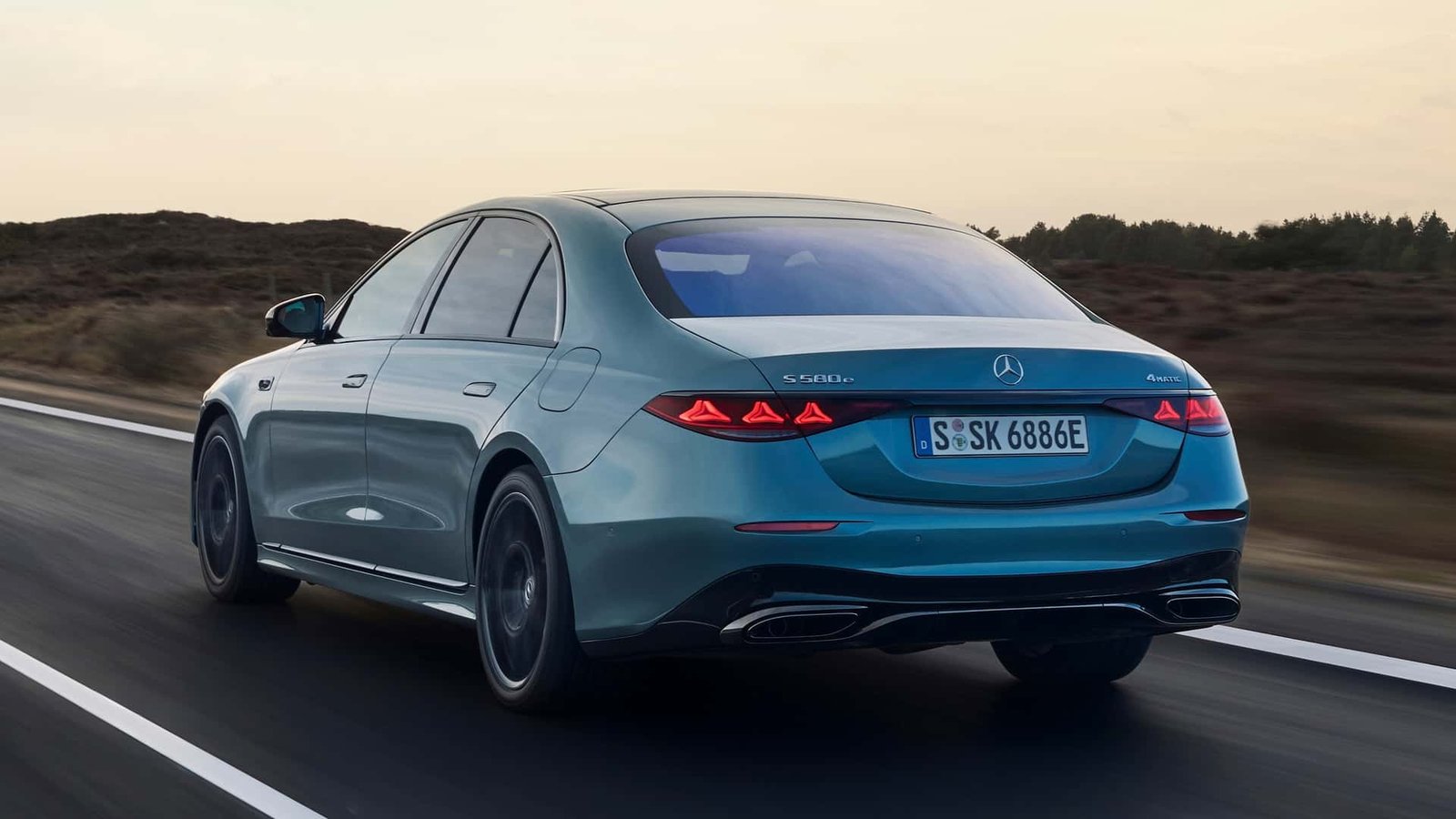
In Europe, Mercedes says its plug-in hybrid models can travel more than 124 km, or 77 miles, on electric power.
That figure is central to the company’s thinking, because it suggests many daily journeys can be completed without calling on the petrol engine at all.
The brand also points to DC fast-charging capability on its plug-in hybrid models, giving owners another option during longer stops.
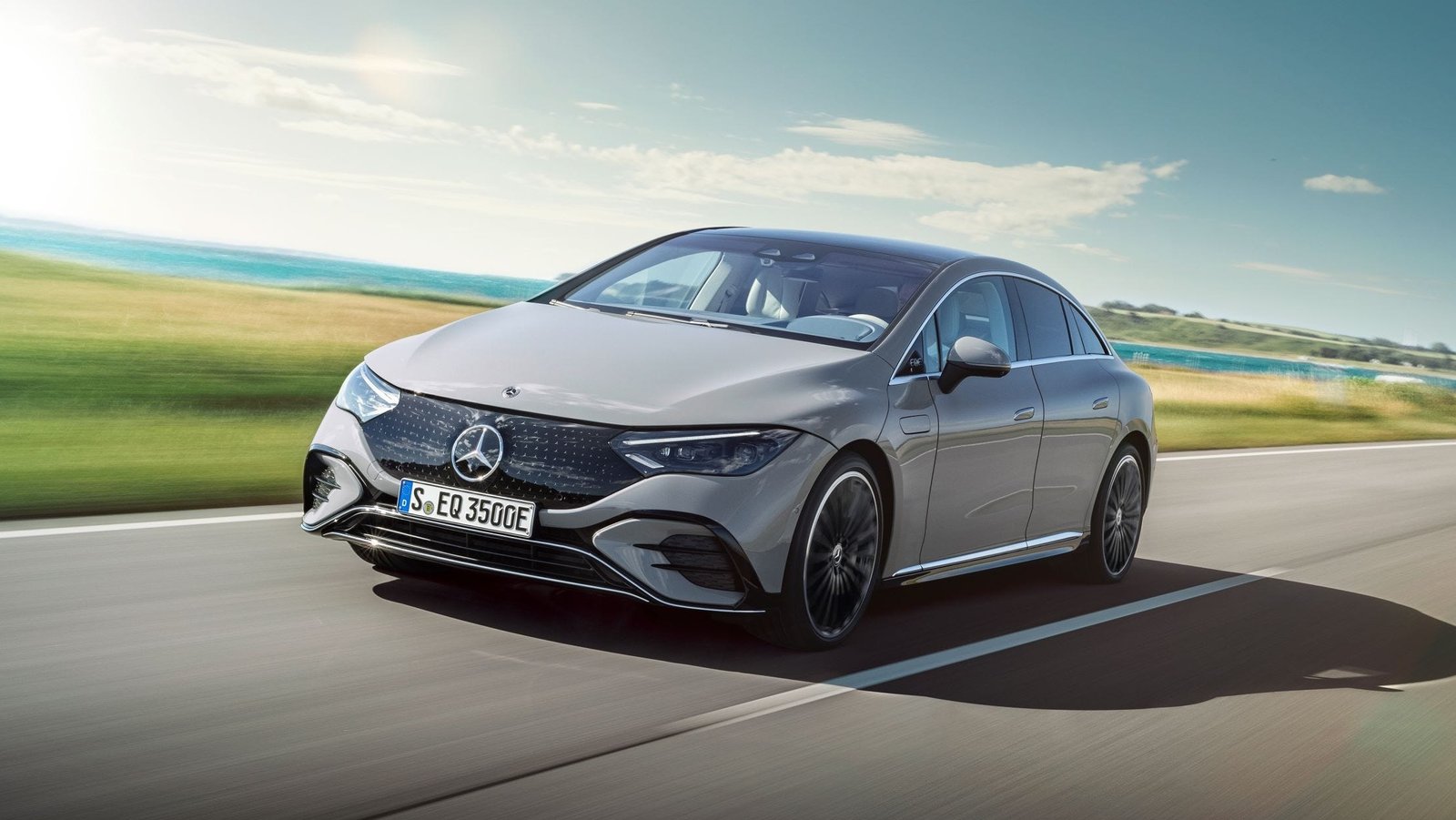
For drivers who need to keep going beyond the battery’s electric range, the combustion engine remains part of the package.
The EREV question comes down to customer demand
Extended-range electric vehicles sit in a slightly different space from conventional plug-in hybrids, and Mercedes appears unconvinced that the distinction would translate into meaningful demand from its buyers.
The company is questioning whether stretching electric range from around 97 km to 322 km, or roughly 60 miles to 200 miles, would make a plug-in hybrid-like vehicle significantly more appealing.
That’s a practical product-strategy question rather than a purely technical one.
Adding more electric range only makes sense if customers see enough value in it, and for now Mercedes doesn’t appear to think that case has been made.
A two-lane strategy for electrified buyers
Mercedes is framing its current electrified lineup around two clearer choices.
One is the plug-in hybrid, intended for drivers who want electric capability but still value the flexibility of a combustion engine.
The other is the fully electric vehicle, aimed at customers who want a longer electric range without a petrol engine onboard.
Starzynski has said a decent battery-electric vehicle should offer roughly 450 to 644 km, or 280 to 400 miles, of range.
That benchmark helps explain why Mercedes may not feel compelled to add another middle-ground format to its portfolio.
What it signals about Mercedes buyers
The position also says something about how Mercedes reads its customer base.
Rather than treating every emerging powertrain format as a necessary addition, the company is choosing to keep the distinction between plug-in hybrids and full EVs relatively clean.
For buyers, that could make the showroom decision simpler.
If daily electric commuting with long-distance petrol backup is the priority, Mercedes wants its plug-in hybrids to do the job; if maximum electric range is the goal, it sees battery-electric vehicles as the more direct answer.
For now, Mercedes-Benz doesn’t see enough appetite among its customers to justify bringing extended-range EVs into the lineup.