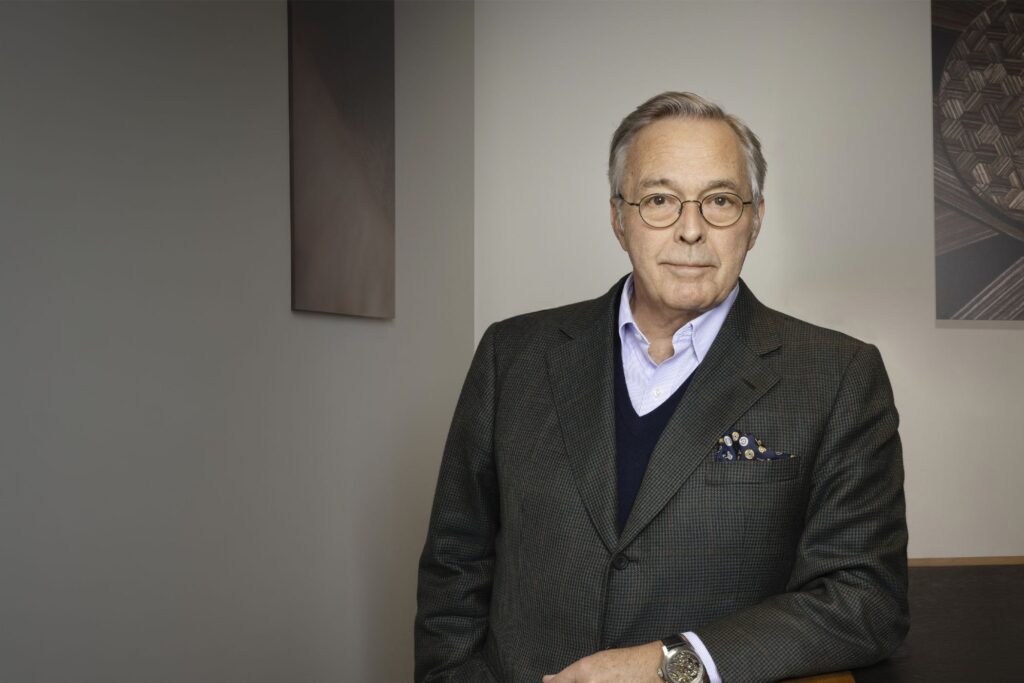
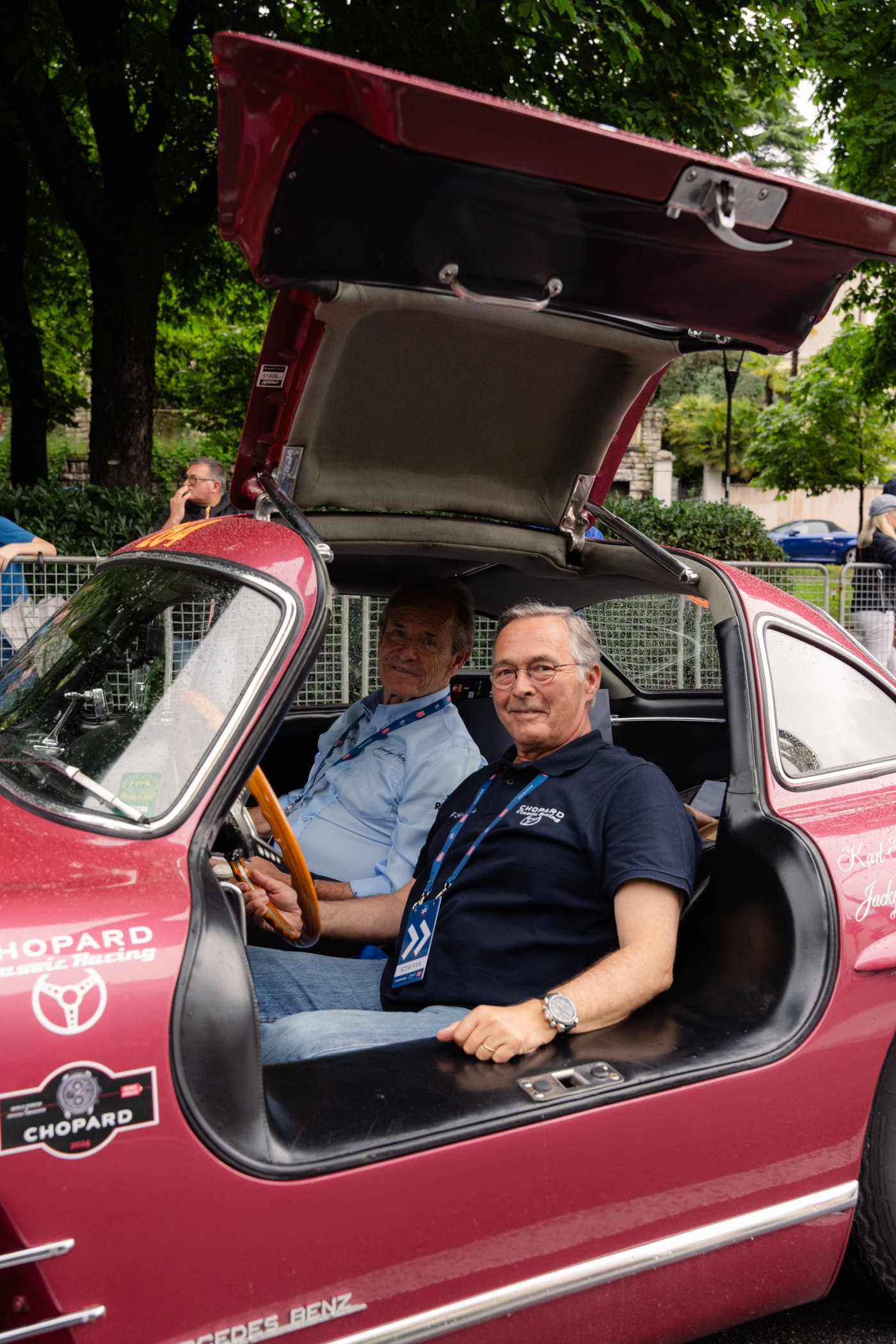
Karl-Friedrich Scheufele has the rare perspective of someone who lives with watchmaking as both a family business and a personal obsession.
As Co-President of Chopard, he’s associated with modern manufacture watchmaking, yet his instincts often point further back, toward antique horology, patient craft and objects that still hold their power decades later.
His relationship with time is measured less by novelty than by permanence, and that makes his answers especially revealing for anyone trying to understand what gives a watch lasting weight.
At a glance
- Karl-Friedrich Scheufele reflects on the watches and ideas that have shaped his personal view of watchmaking.
- Ferdinand Berthoud’s Astronomical Watch No. 3 and Chopard’s original L.U.C 1860 stand out as defining references.
- His advice to younger collectors is simple and demanding: choose watches they’ll still admire in ten years.
Ferdinand Berthoud as a lifelong point of reference
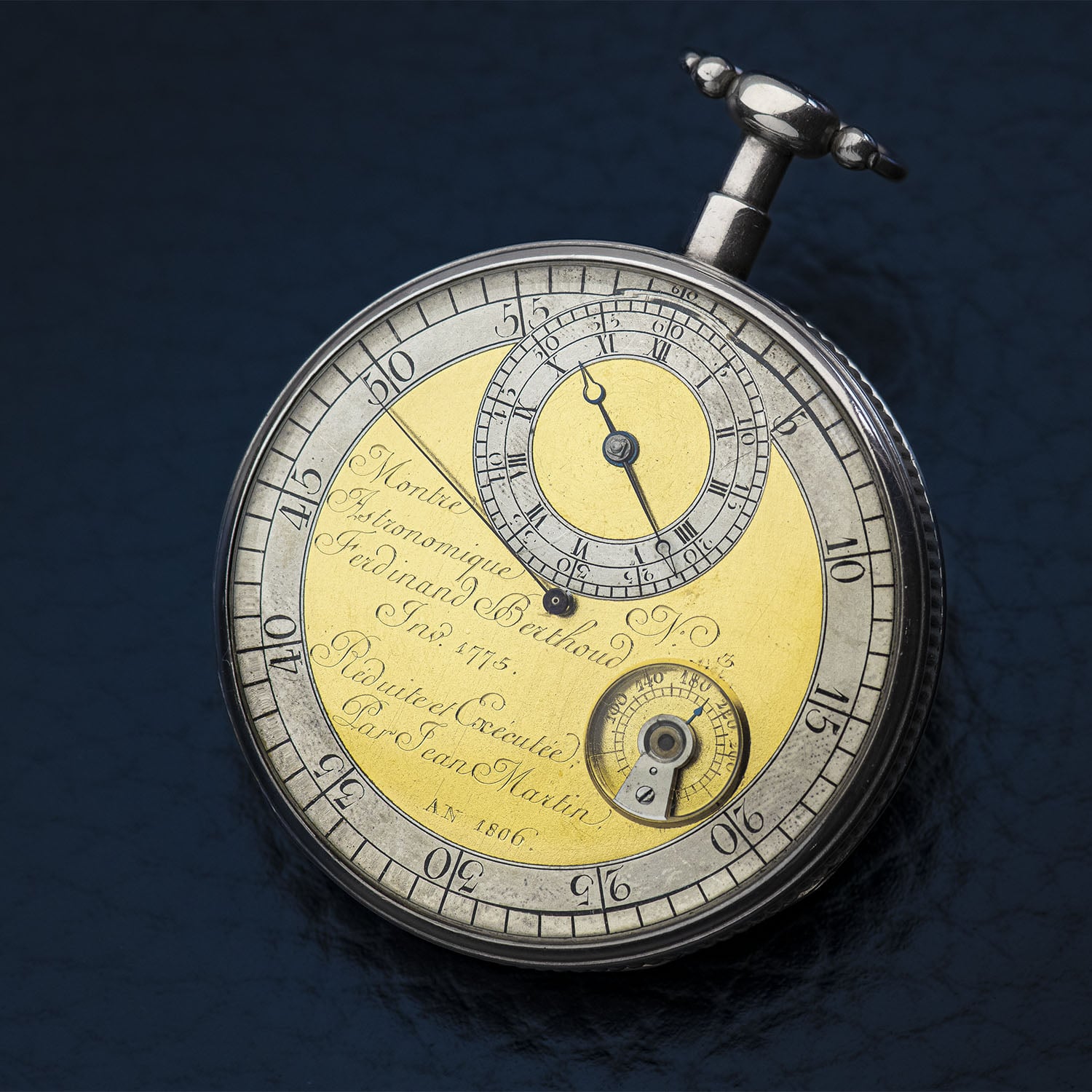
For Scheufele, one watch sits at the center of his horological imagination: Ferdinand Berthoud’s Astronomical Watch No. 3.
Conceived by Berthoud in 1775 and executed by Jean Martin in 1806, the piece was the first Ferdinand Berthoud watch to join Chopard’s museum in Fleurier.
Its importance is not only historical.
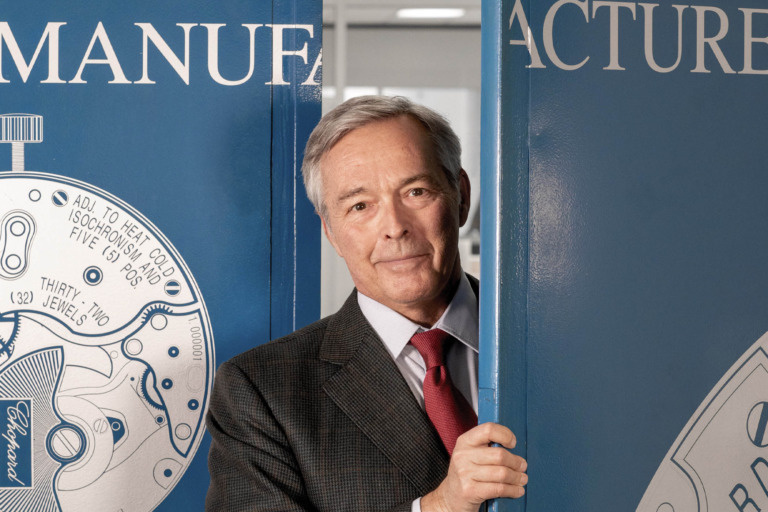
Scheufele sees it as an object that compresses ambition, knowledge and technical capability into a form that remains extraordinary more than two centuries later.
It is also the watch he wishes he had created, a telling choice from a contemporary leader who has helped guide Chopard through one of its most important eras in high watchmaking.
The qualities that make a watch worth keeping
Scheufele’s standards are clear and notably resistant to fashion.
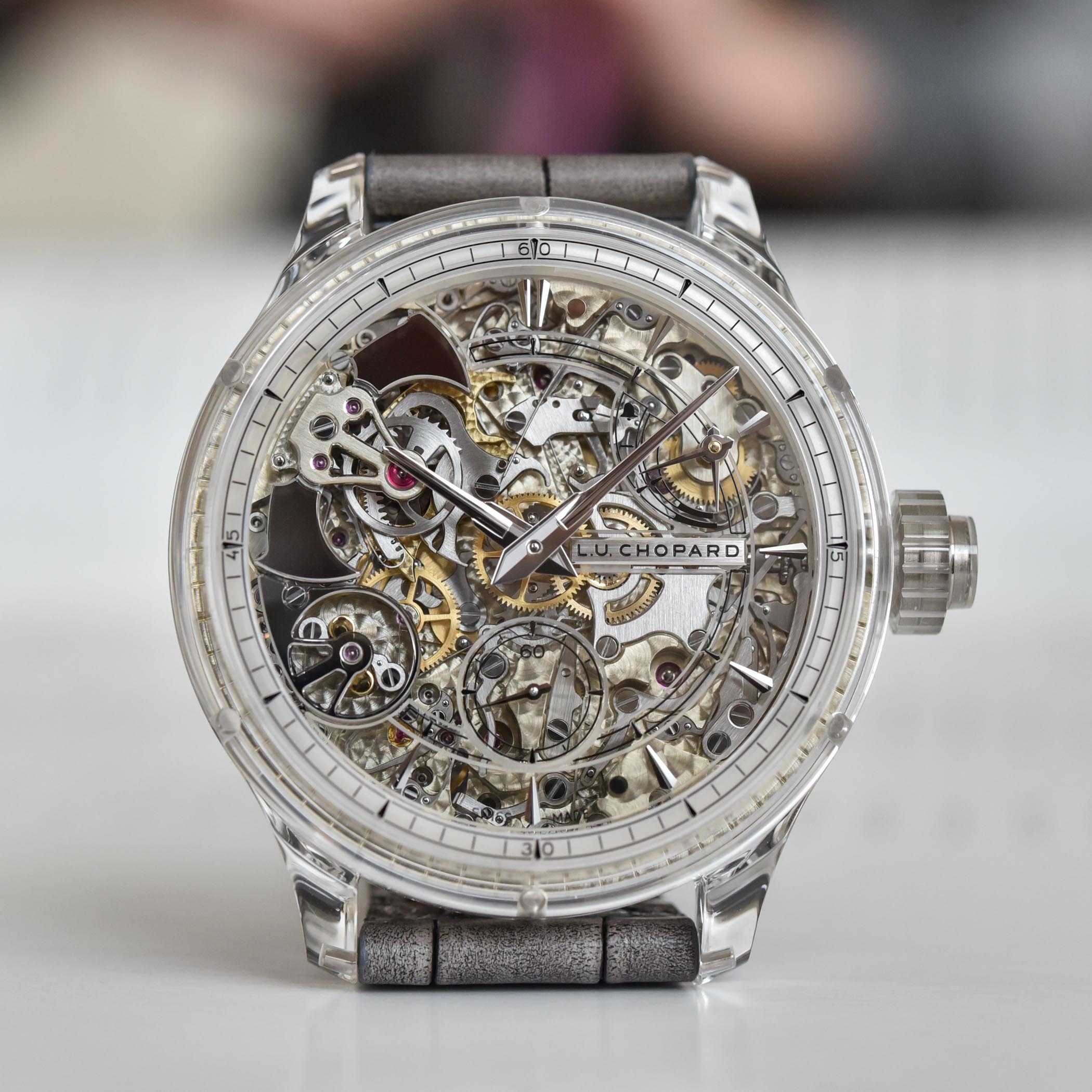
He values timeless design, the quality of craftsmanship and finishing, and precision.
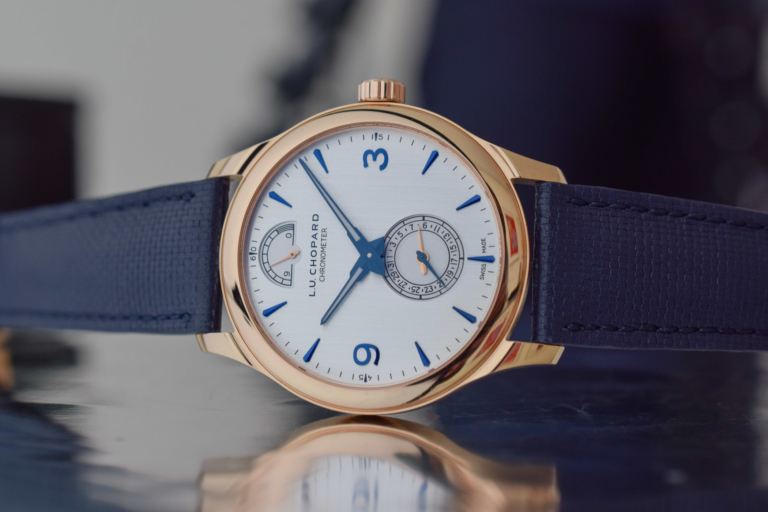
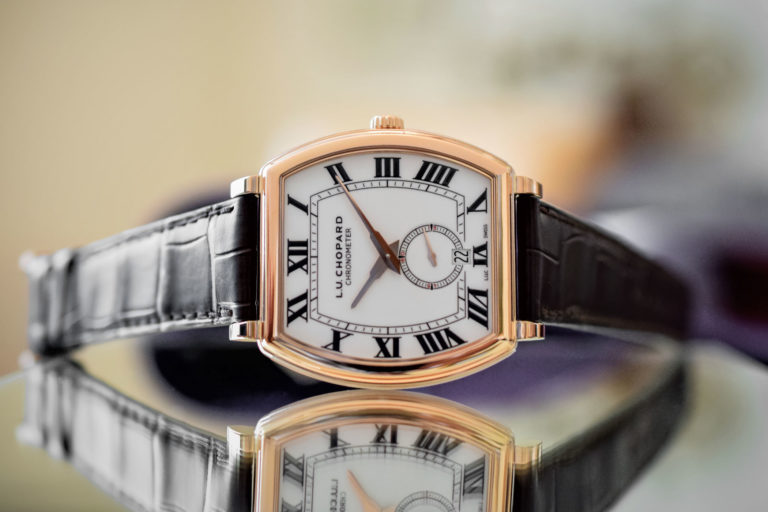
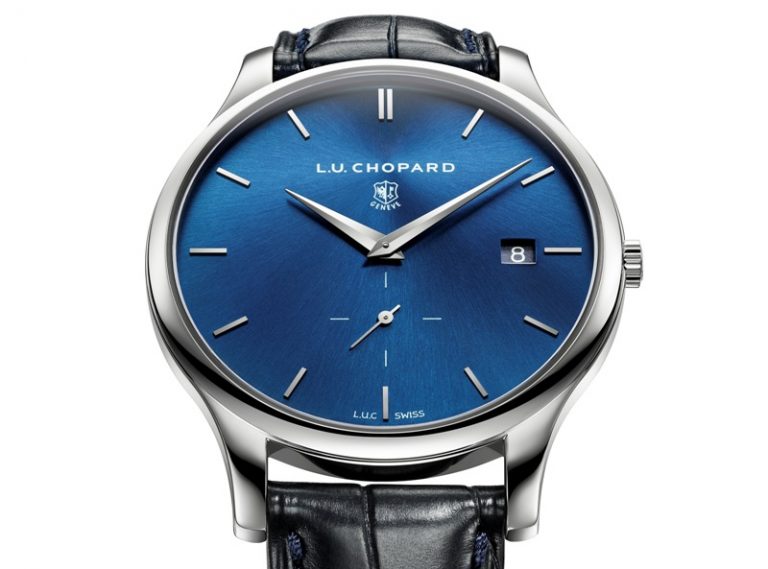
That combination says much about Chopard’s place in modern watchmaking, particularly through the L.U.C collection, where classical design codes meet in-house manufacturing and meticulous movement decoration.
His eye goes quickly to the case and the calibre, including the parts most owners may never see.
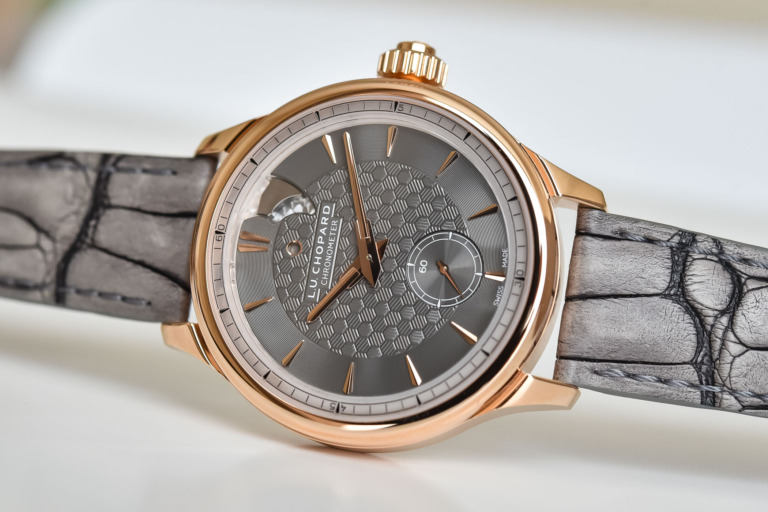
For him, the hidden surfaces matter because they reveal whether care was built into the watch or merely applied where it would be noticed.
That same sensibility explains his admiration for the minute repeater.
Its appeal lies in the additional acoustic dimension, where a mechanical watch moves beyond visual and tactile pleasure into sound.
The L.U.C 1860 and Chopard’s manufacture milestone
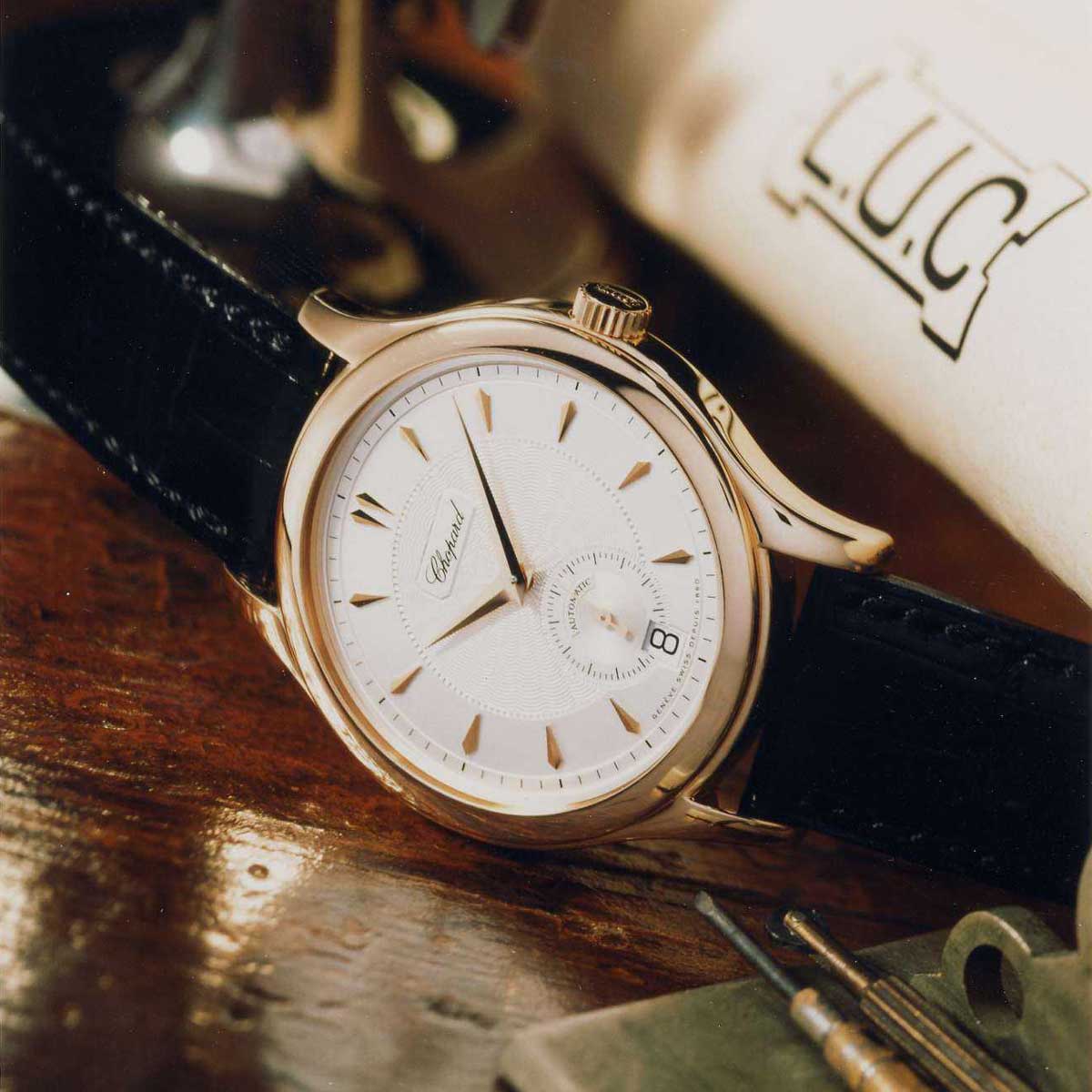
When nobody is watching, Scheufele’s choice is the original Chopard L.U.C 1860.
It carries Chopard’s first in-house calibre 1.96, a movement that marked a defining step in the company’s evolution as a serious manufacture.
The answer is revealing because it isn’t framed around rarity for rarity’s sake.
The L.U.C 1860 matters because it represents a turning point, the kind of watch that connects corporate history with personal attachment.
In a landscape often crowded by launch cycles and secondary-market noise, Scheufele’s preference for that watch feels almost corrective.
It suggests that true collectability often begins with meaning, not momentum.
Collecting beyond speculation
Scheufele does not single out a modern watchmaking trend as particularly overrated, even as smaller time-only pieces continue to gain attention.
What concerns him more is speculation, a habit of buying watches primarily as financial vehicles rather than objects of design, craft and feeling.
He believes that tendency is losing momentum, which may be healthy for the industry and for collectors alike.
His broader concern is more fundamental: keeping younger generations engaged with mechanical watchmaking while preserving the skills that make it possible.
That challenge sits at the heart of the luxury watch world today, where heritage only matters if it can be carried forward by living hands.
His inspirations are equally telling.
Antique watchmaking, classic cars, visual arts and nature all shape his thinking, placing horology in conversation with mechanics, culture and the organic world.
For younger collectors, his advice is practical rather than prescriptive.
Look for enduring qualities, then ask whether the watch will still feel compelling ten years from now.
It’s a simple test, but a difficult one, and perhaps that’s the point.
In Scheufele’s view, the best watches aren’t merely bought at the right moment; they continue to justify themselves long after the moment has passed.