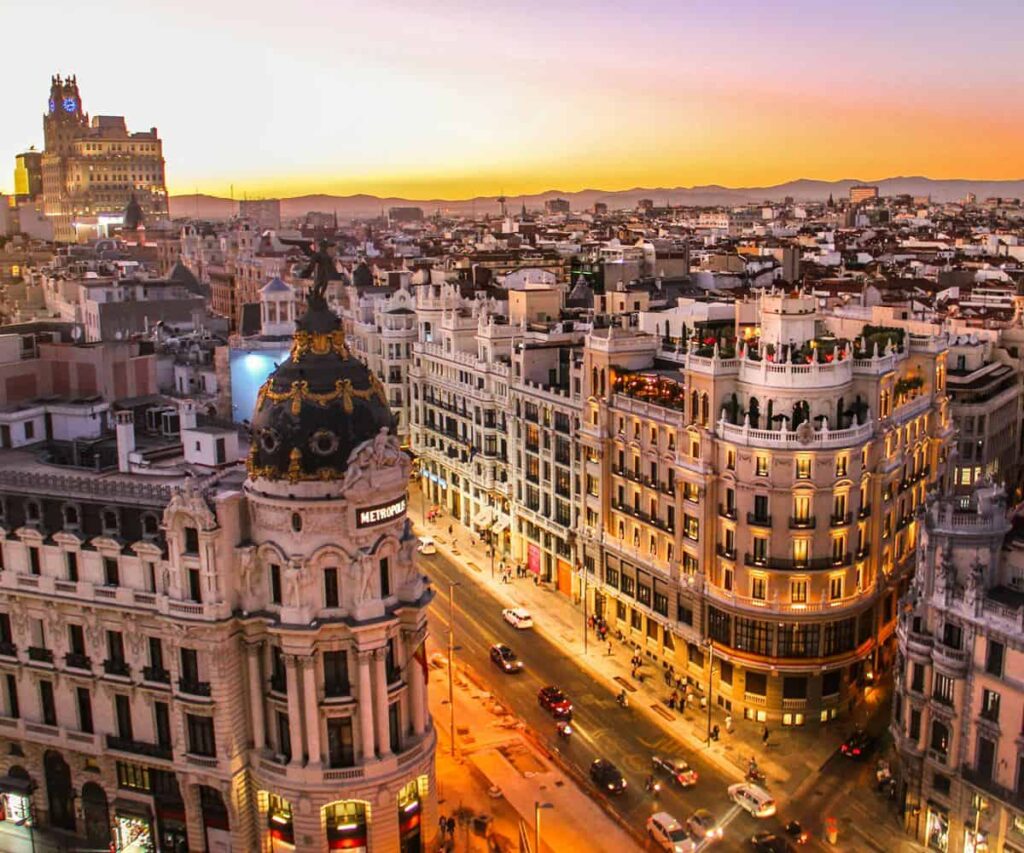
Madrid has a way of making luxury feel less performative than in some European capitals.
It’s grand when it wants to be, but the real pleasure is in the pacing, with long lunches, late performances, quiet museum rooms and hotel terraces that make the city feel designed for unhurried travel.
For a five-day escape, the Spanish capital offers enough art, food, craft and old-world hospitality to fill the schedule without making it feel overloaded.
At a glance
- Madrid makes a strong case for a five-day luxury city break with grand hotels, private cultural access and destination dining.
- Highlights include out-of-hours museum visits, the UNESCO-listed Paisaje de la Luz, artisan workshops and intimate flamenco venues.
- The city is around two-and-a-half hours by air from London and has more than 30 five-star hotels.
Choosing the right Madrid hotel base
Madrid’s luxury hotel scene has deepened considerably, with more than 30 five-star properties across the city.
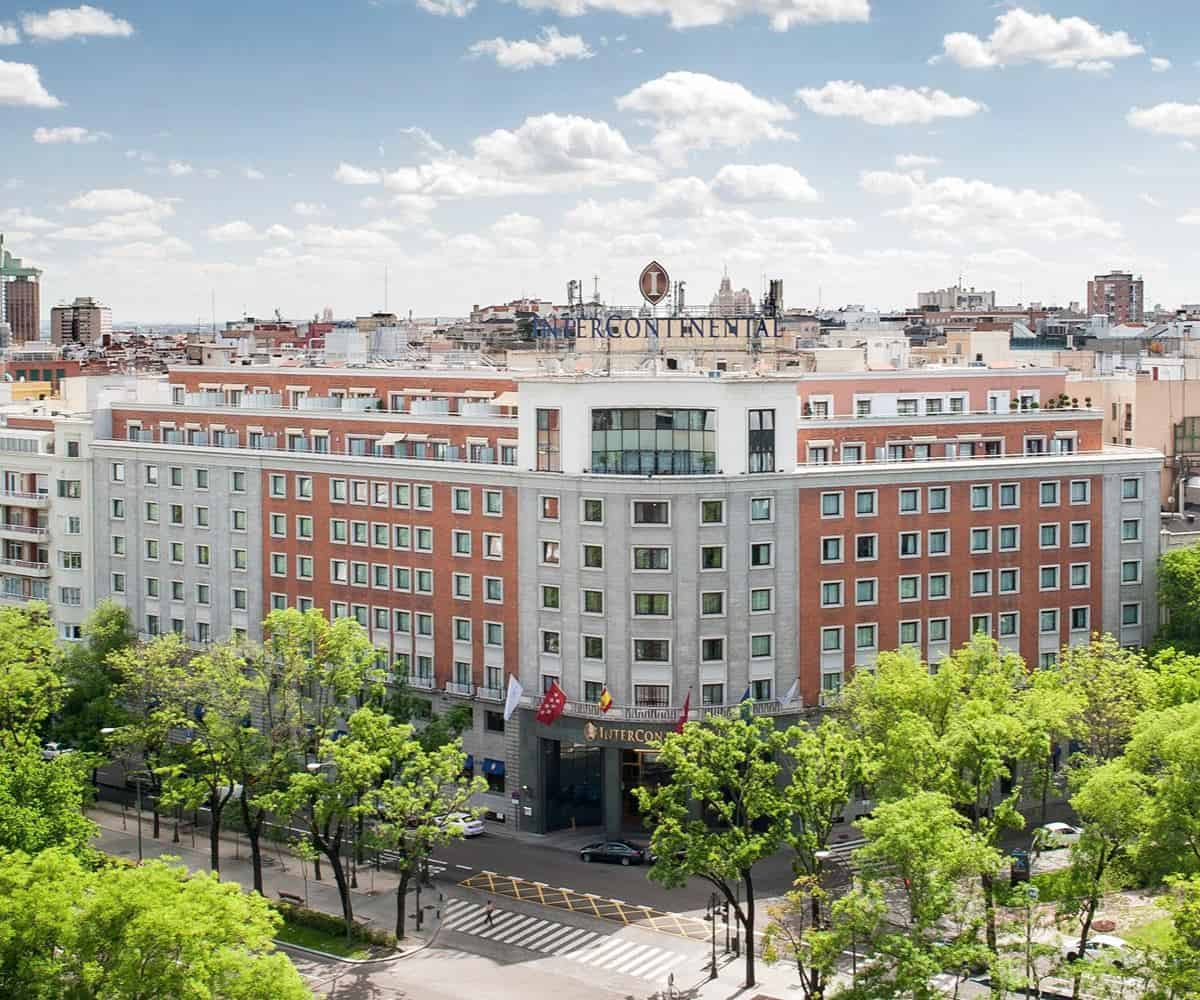
For a classic address, InterContinental Madrid sits on the northern Paseo de la Castellana and has been open for more than 70 years.
Its marble courtyards and diplomatic polish suit travellers who want traditional grandeur, while the 97-square-metre Ava Gardner Suite adds a terrace with a direct link to the actress’s Madrid years.
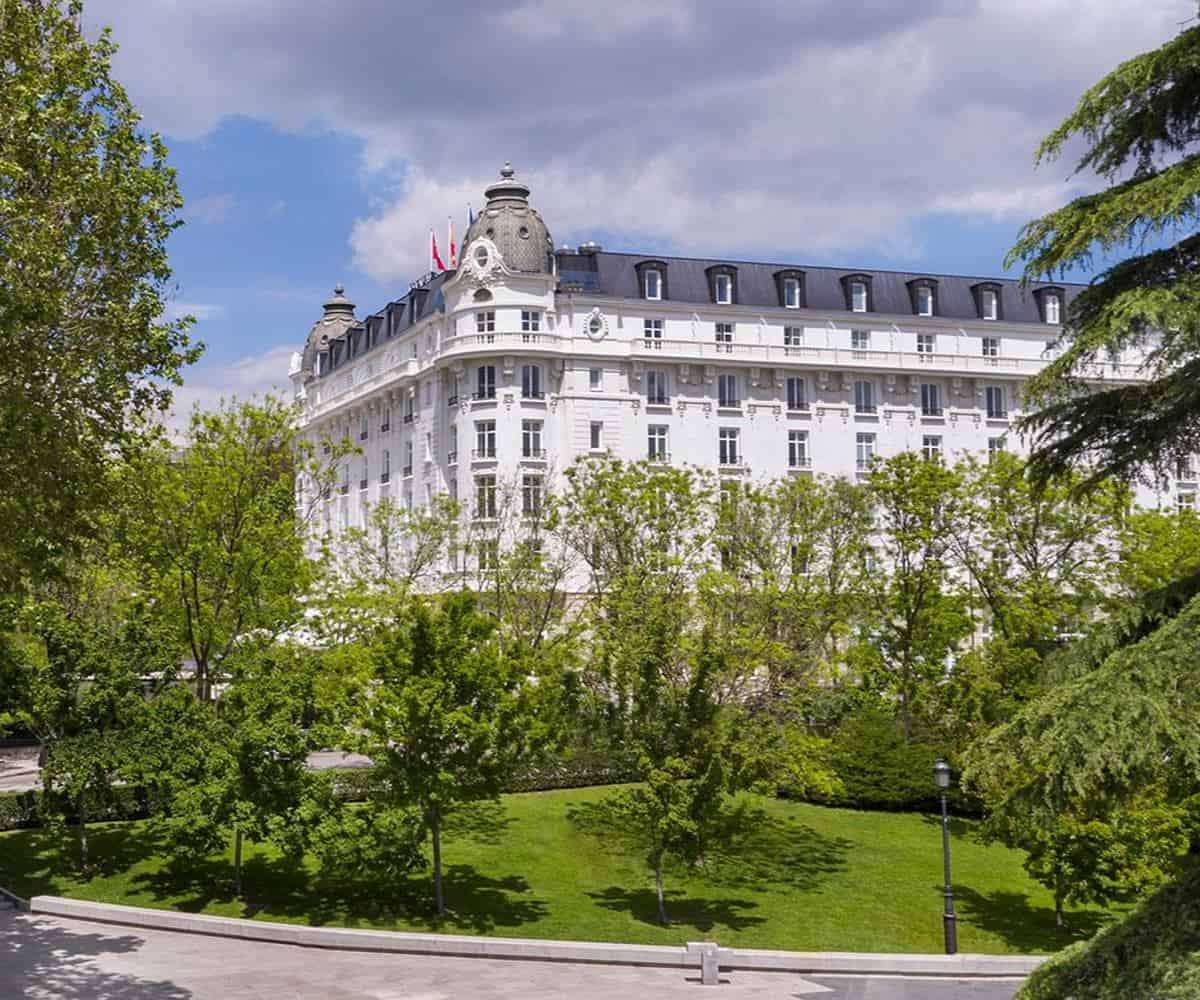
Mandarin Oriental Ritz, Madrid brings a different kind of history.
Opened in 1910 as The Ritz Madrid, the Belle Époque hotel was restored by Gilles & Boissier and now overlooks Plaza de la Lealtad and the Paseo del Prado.
The Palm Court’s restored glass dome, chandeliers and composed interiors make it especially appealing for travellers who want to be close to the city’s great museums.
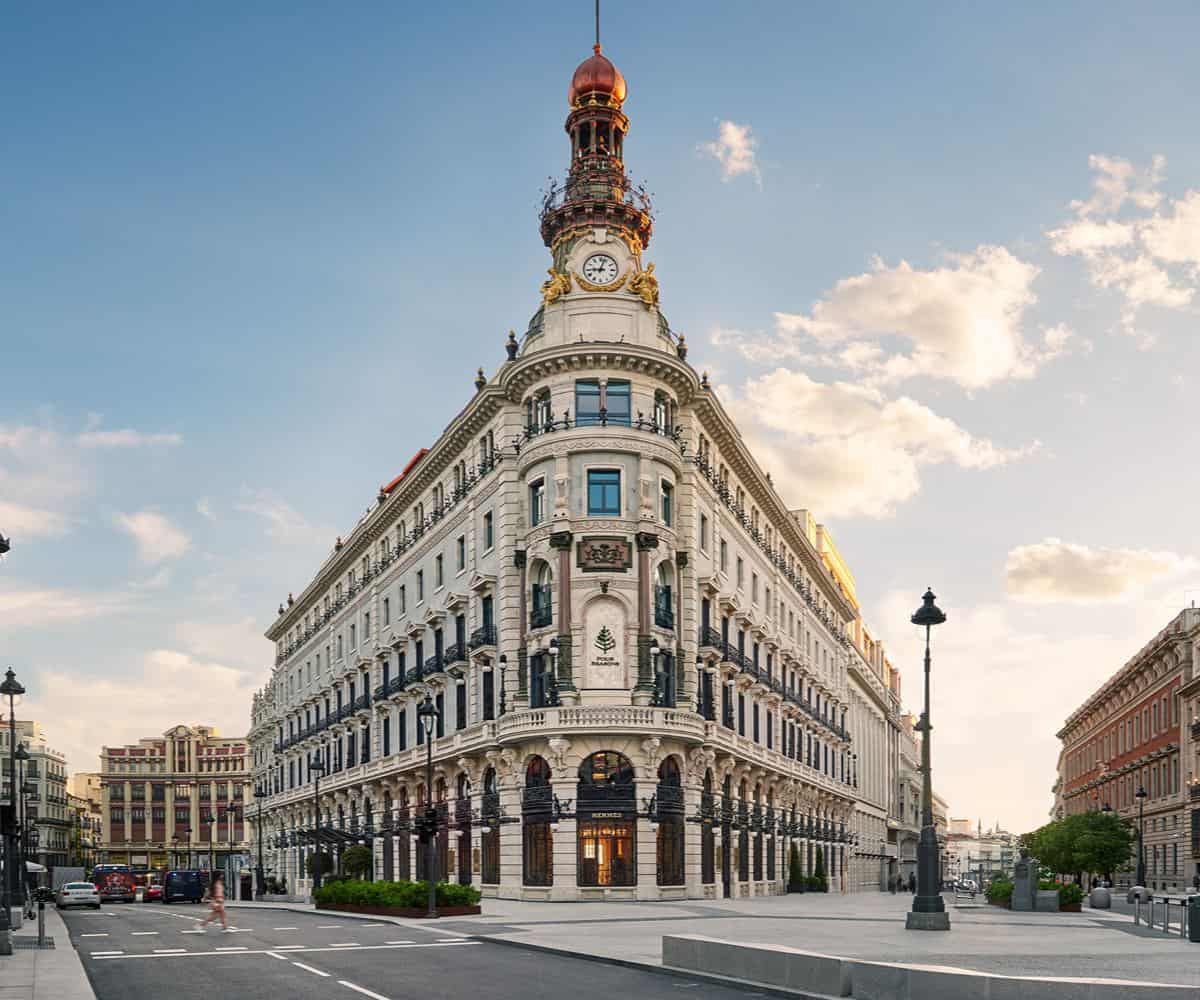
Four Seasons Hotel Madrid is the more contemporary power address.
Set across seven joined historic buildings, it combines former banking halls, polished marble and contemporary Spanish art in the centre of the city.
Its rooftop has become one of Madrid’s most coveted hotel scenes, with Dani García’s brasserie looking across the skyline, while the spa spans four storeys and is described as the largest in Madrid.
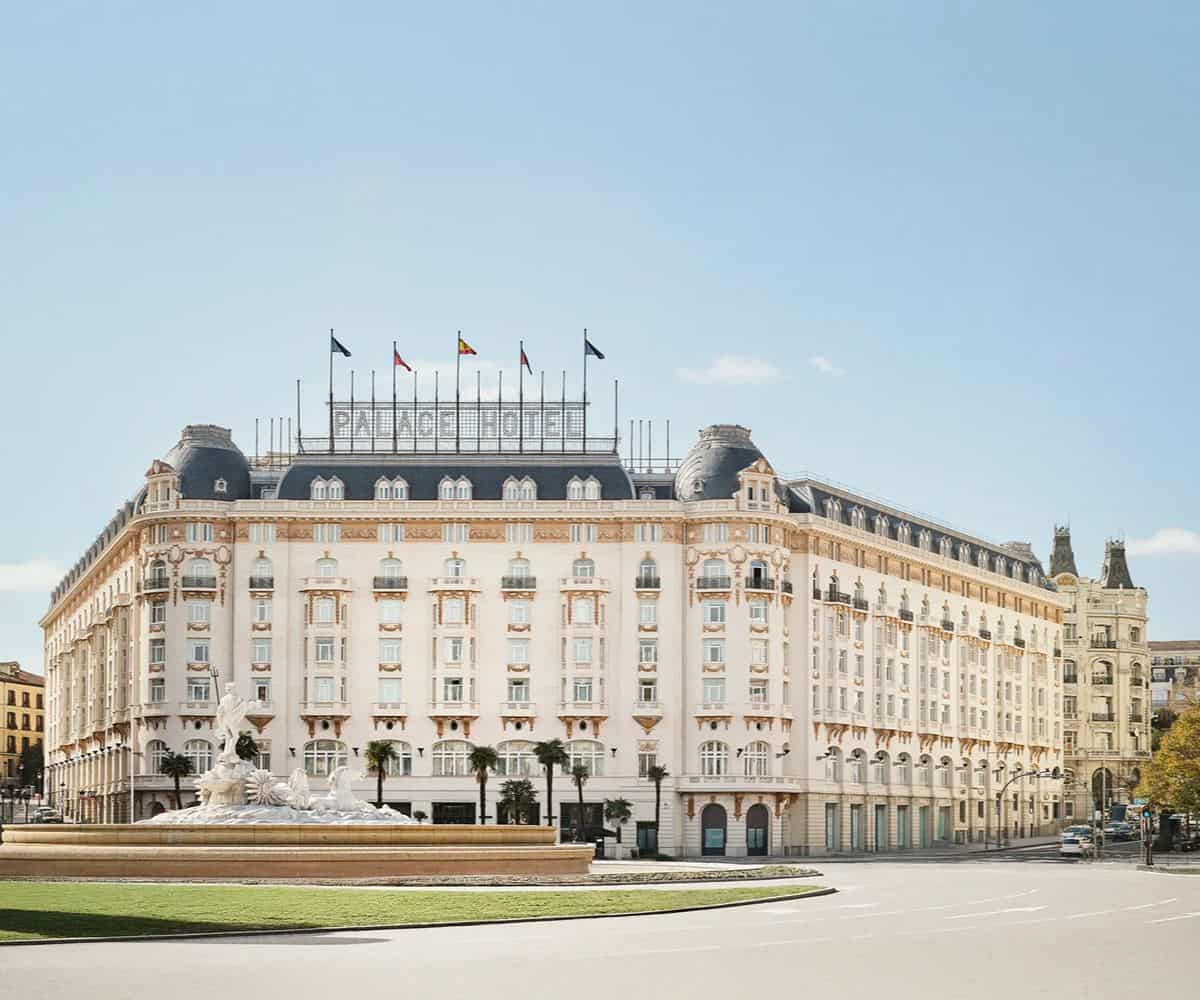
The Palace Hotel, Madrid is another heavyweight option, first opened in 1912 after King Alfonso XIII encouraged its creation.
Now part of The Luxury Collection, it sits in the Golden Triangle of Art close to the Prado and is defined by its central glass cupola and stately European atmosphere.
A five-day Madrid itinerary with room to breathe
The best Madrid itinerary doesn’t try to see everything.
It builds around one anchor each day, then leaves space for lunch, wandering and the city’s late rhythm.
| Day | Focus | Best way to spend it |
|---|---|---|
| Day 1 | Arrival and hotel life | Check in, settle into the hotel, then start with a slow walk around the centre before dinner or rooftop drinks. |
| Day 2 | Private art access | Arrange an early or after-hours Prado visit through a concierge, with time for the Golden Triangle of Art nearby. |
| Day 3 | Paisaje de la Luz and El Retiro | Walk the Paseo del Prado, enter El Retiro Park and visit the Palacio de Cristal. |
| Day 4 | Gastronomy and tapas | Balance a serious restaurant reservation with an evening of tapeo through historic taverns. |
| Day 5 | Shopping and flamenco | Visit Salamanca and artisan workshops, then finish with an intimate flamenco performance. |
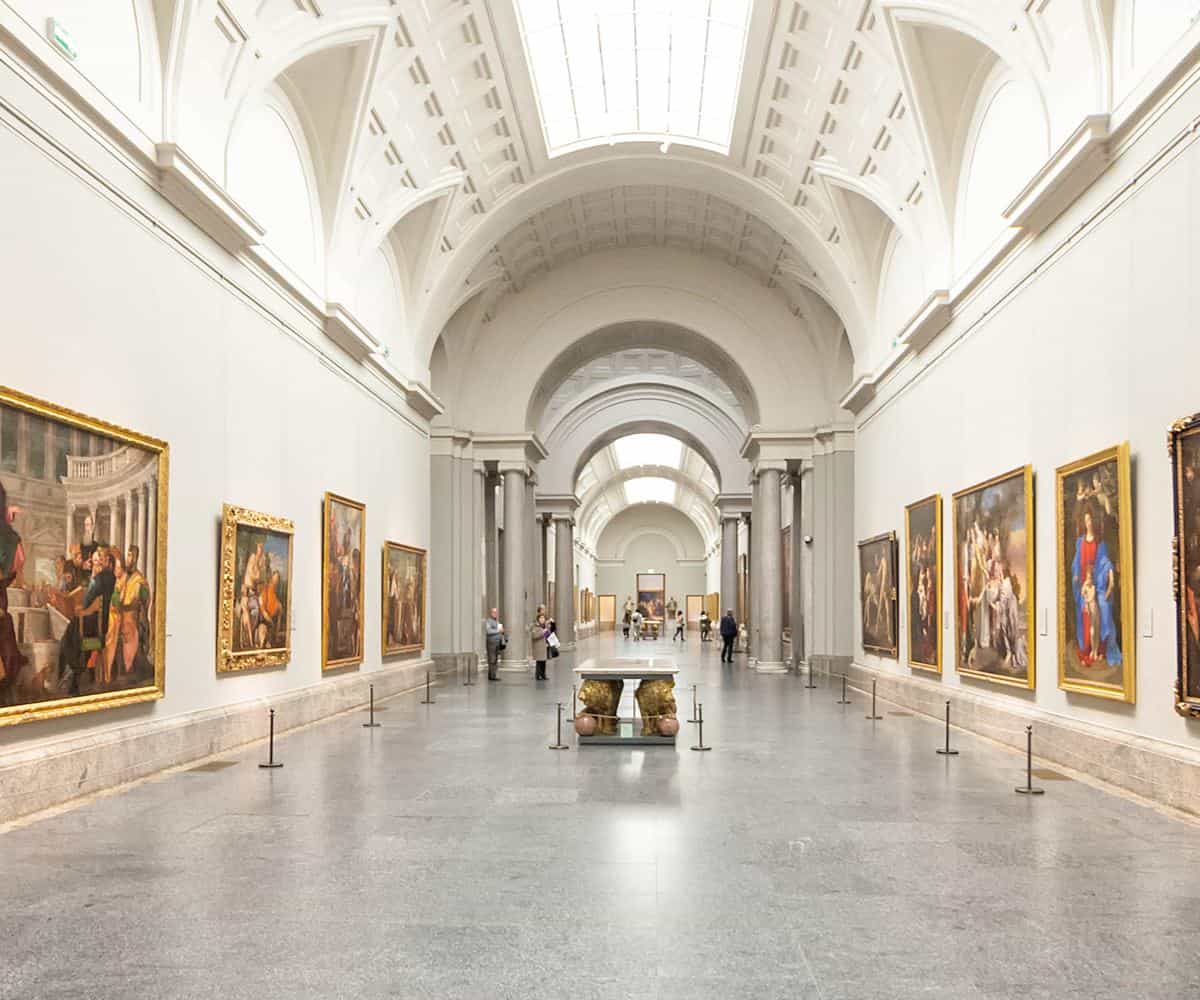
The cultural high point is often the Prado before the crowds arrive or after the doors have closed to the public.
Private visits can be arranged through hotel concierges, with an art historian guiding guests through the museum’s quieter rooms and works including Diego Velázquez’s 1656 painting Las Meninas.
The Thyssen-Bornemisza National Museum can also be experienced out of hours with a museum historian or private guide, with possible access to its restricted restoration department.
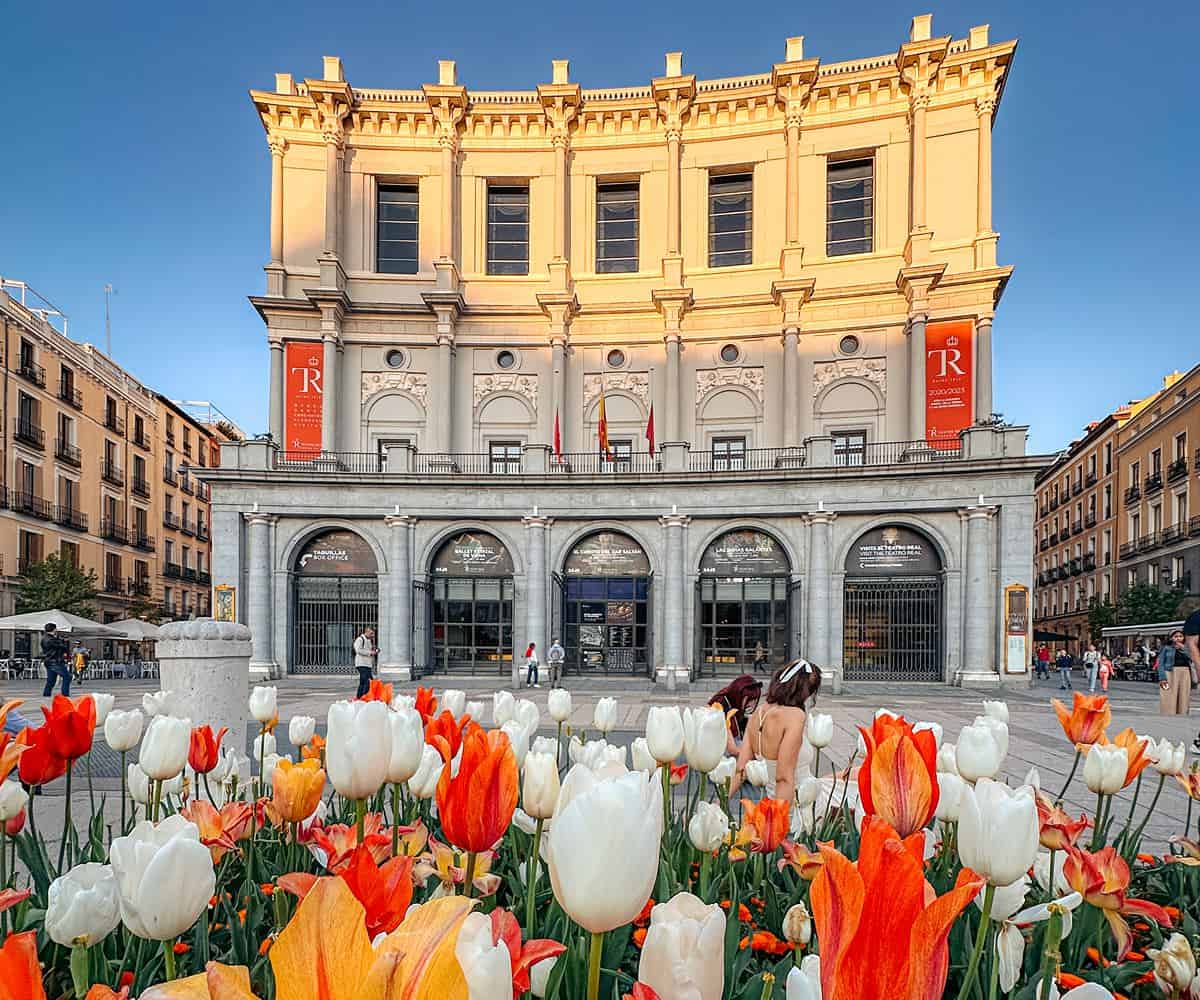
For performance rather than painting, Teatro Real offers the Real VIP Experience, including access to the Royal Box area, backstage areas such as costume workshops and set rehearsals, an aperitif of Laurent-Perrier on the terrace overlooking the Royal Palace and a private box for the performance.
Green Madrid and the art of slowing down
Madrid is greener than many first-time visitors expect, with around 200 parks and gardens covering almost a quarter of the municipal area.
Casa de Campo covers more than 1,700 hectares and includes forests, a lake and hiking trails.
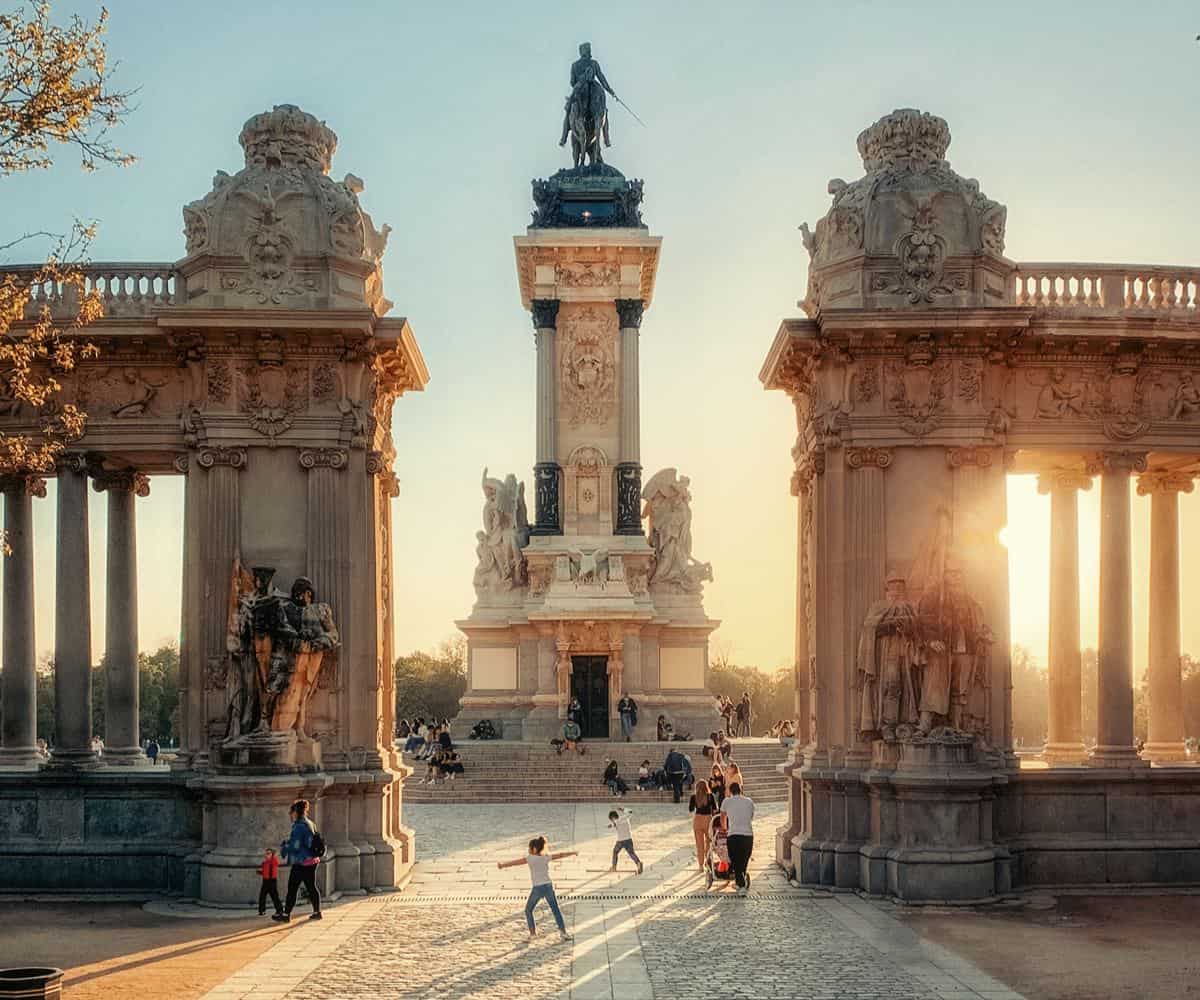
El Retiro Park is the more central classic, a 125-hectare historic park with a large boating lake and the glass-and-iron Palacio de Cristal.
For a five-day stay, the essential walk is through the UNESCO World Heritage landscape of Paisaje de la Luz.
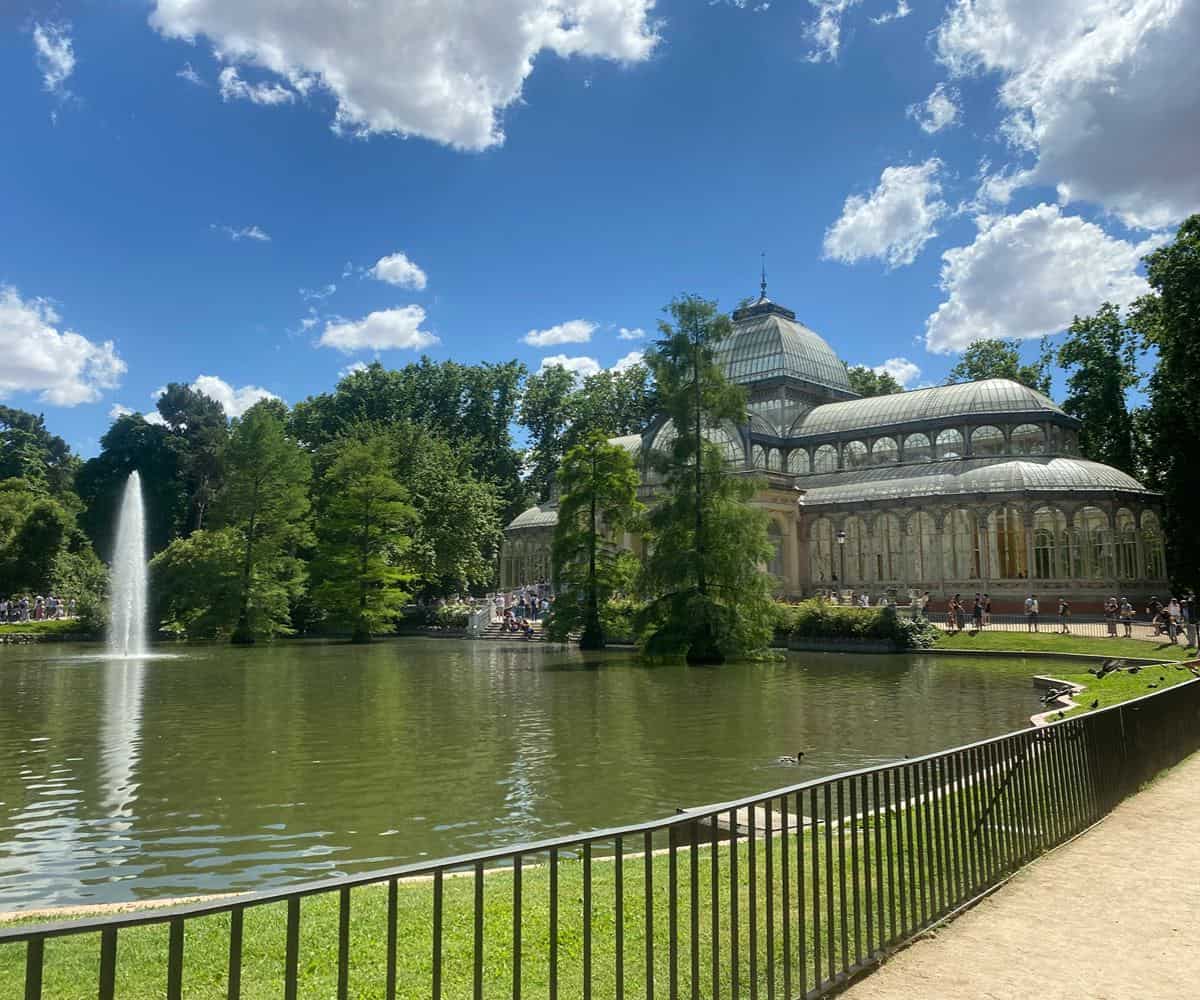
The route along Paseo del Prado, shaded by mature plane trees, links the city’s cultural grandeur with its instinct for outdoor living.
Where Madrid eats, shops and stays out late
Madrid’s dining scene runs on two parallel tracks.
On one side are more than 30 Michelin-starred venues, including DiverXO from chef Dabiz Muñoz, the two-star Smoked Room from Dani García and Desde 1911, a one-star seafood restaurant operated by the Pescaderías Coruñesas family.
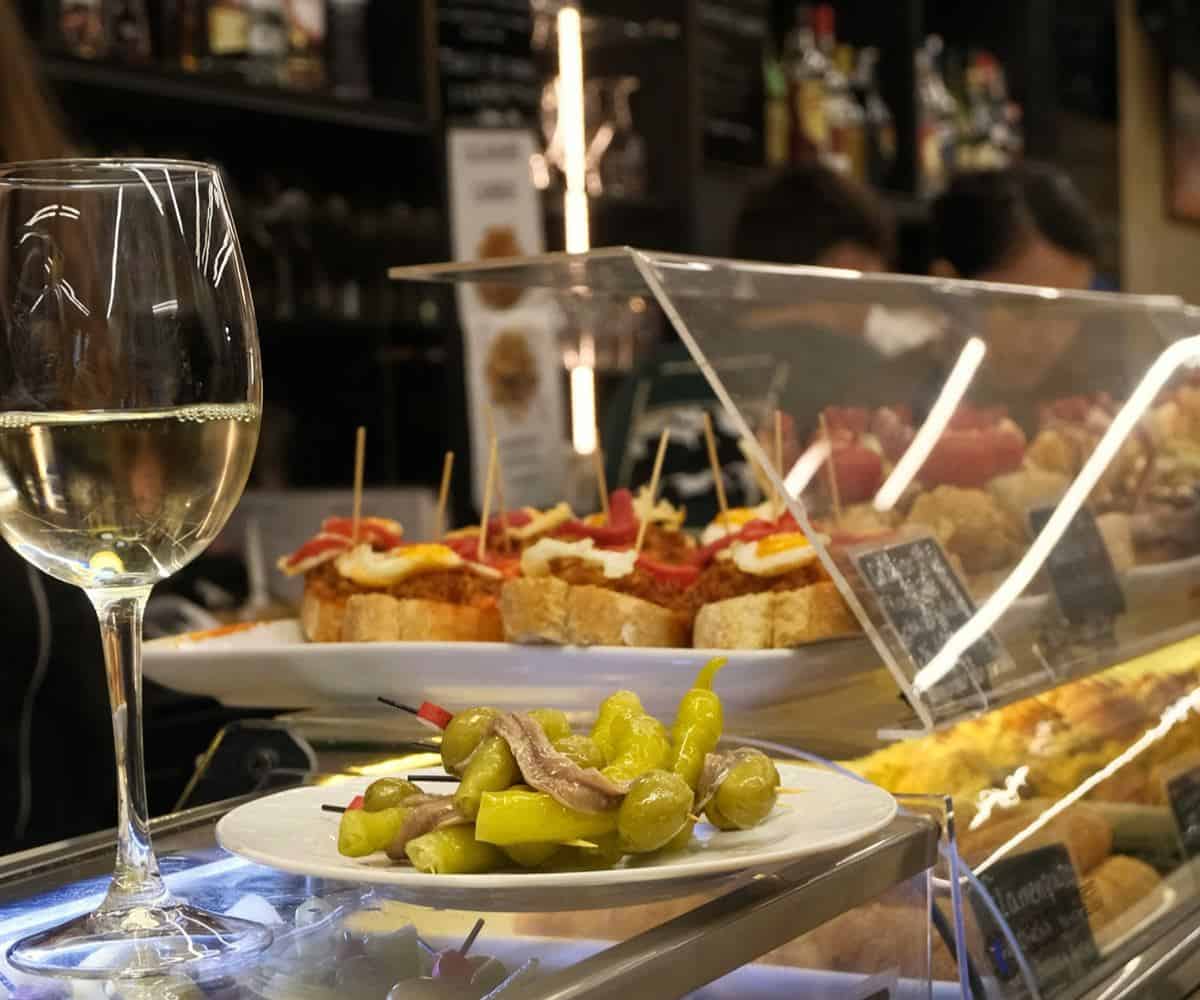
On the other is the social ritual of el tapeo, moving from bar to bar for small plates and drinks.
For many visitors, that second track is the more revealing one.
Bodega de la Ardosa is known for homemade croquettes, Casa Lucio for huevos rotos, Casa Labra for crisp cod fritters and La Casa del Abuelo for gambas al ajillo.
Madrid’s reputation for fresh fish and seafood is striking given its inland location, but it’s closely tied to Mercamadrid, the city’s central distribution network.
Shopping can be as polished or as personal as the itinerary allows.
Galería Canalejas and the Salamanca district cover the international luxury end of the spectrum, with names such as Hermès, Cartier and Rolex represented in the city.
Calle de José Ortega y Gasset is the place to look for more private, appointment-led shopping.
The more distinctive Madrid purchase may come from the city’s talleres, the traditional workshops supported by the “Hecho en Madrid” quality and origin label promoted by Madrid City Council.
Capas Seseña has been dedicated to handcrafted bespoke wool capes since 1901, with a client history that includes Picasso, Hemingway and modern royalty.
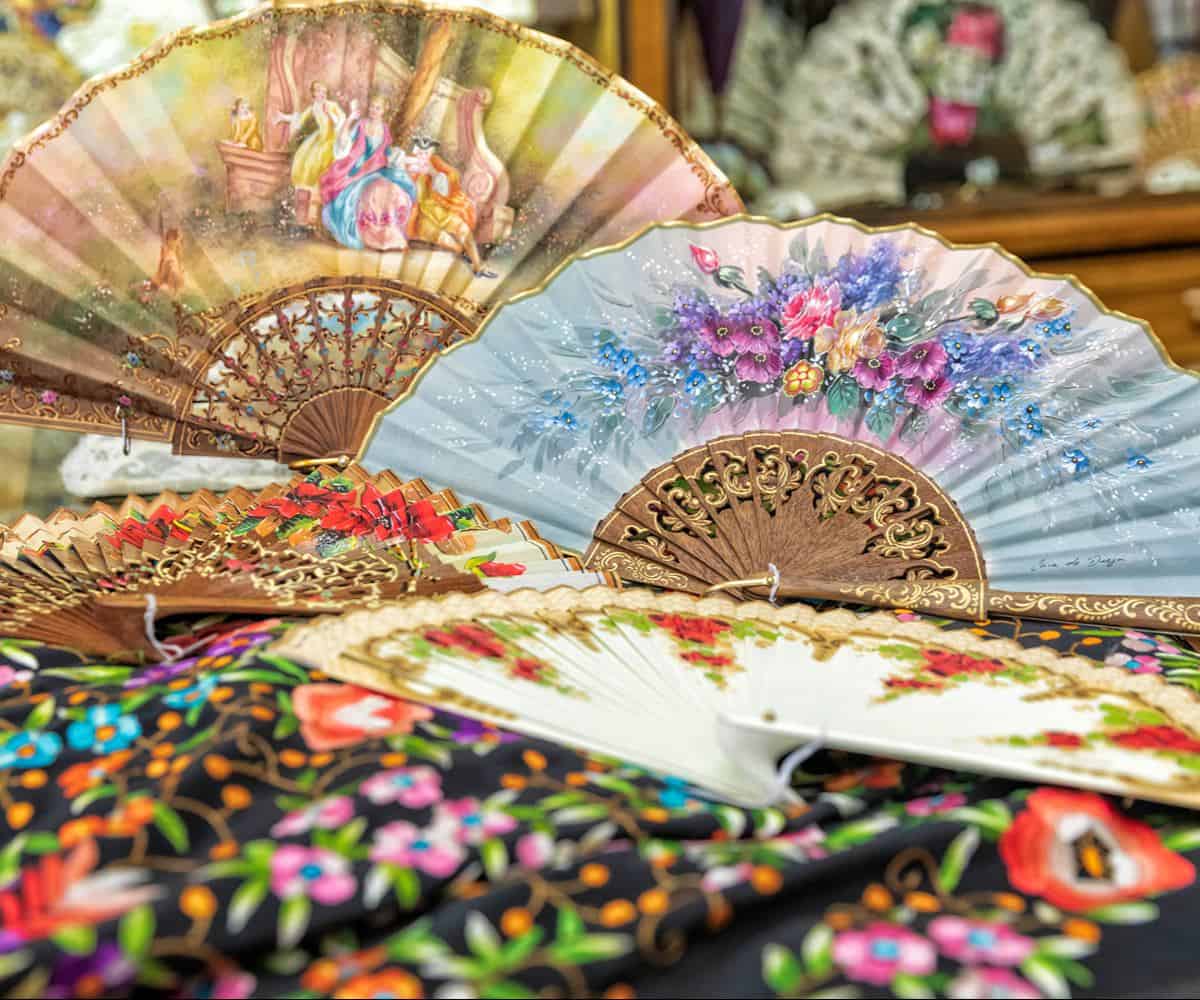
Casa Diego remains another heritage stop, making silk fans and umbrellas by hand in small central ateliers.
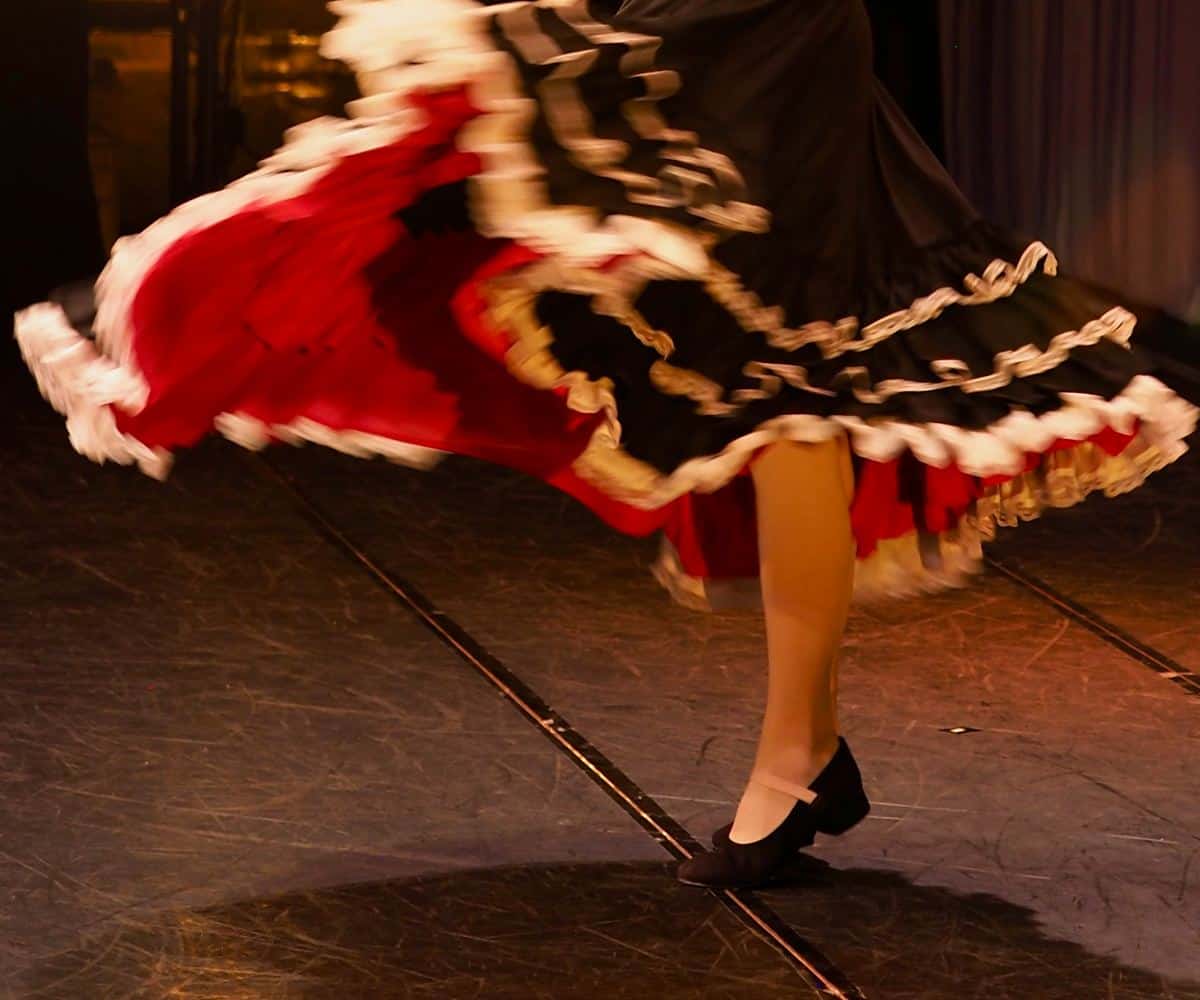
Flamenco gives the final evening its charge.
Although the tradition’s roots are in Andalusia, Madrid became a major global stage for flamenco as performers moved to the capital in the 19th and 20th centuries.
Cardamomo and Torres Bermejas are two intimate venues to consider, especially for travellers who want to be close enough to feel the guitars, footwork and improvisational song without the remove of a large theatre.
Five days in Madrid is enough time to understand why the city rewards a slower kind of luxury.
The grand hotels and museum access set the tone, but it’s the combination of long meals, artisan craft, green spaces and late-night performance that makes the capital linger after the flight home.