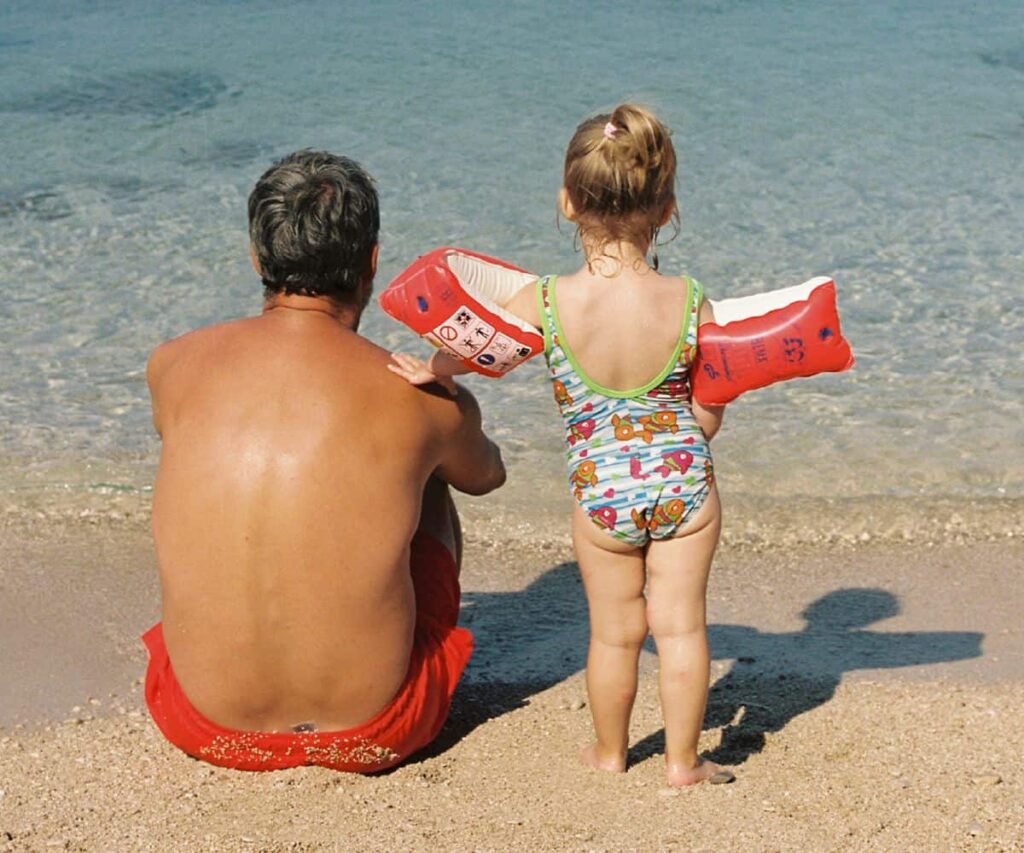
There’s a particular kind of optimism that comes with booking a villa for the whole family.
On paper, it solves everything. The children have space, the grandparents get proper time with everyone, and no one has to negotiate hotel breakfast hours or fight for sun loungers.
The reality can be just as good, but only when the trip is planned around the people coming rather than the postcard version of family travel.
At a glance
- A successful multi-generational villa trip depends on choosing a property around family dynamics, not just scenery.
- Bedroom layout, staff, private space and flexible days matter more than the most photogenic pool.
- Clear conversations about budget, responsibilities and expectations should happen well before anyone books.
Choose bedrooms before views
The pool photograph might sell the dream, but the bedroom plan usually determines whether the holiday feels calm or strained.
Before looking at terraces, sea views or outdoor kitchens, work out who needs to sleep near whom and who needs distance.
Grandparents often appreciate a quiet room on an accessible level, ideally away from the children most likely to be awake at sunrise.
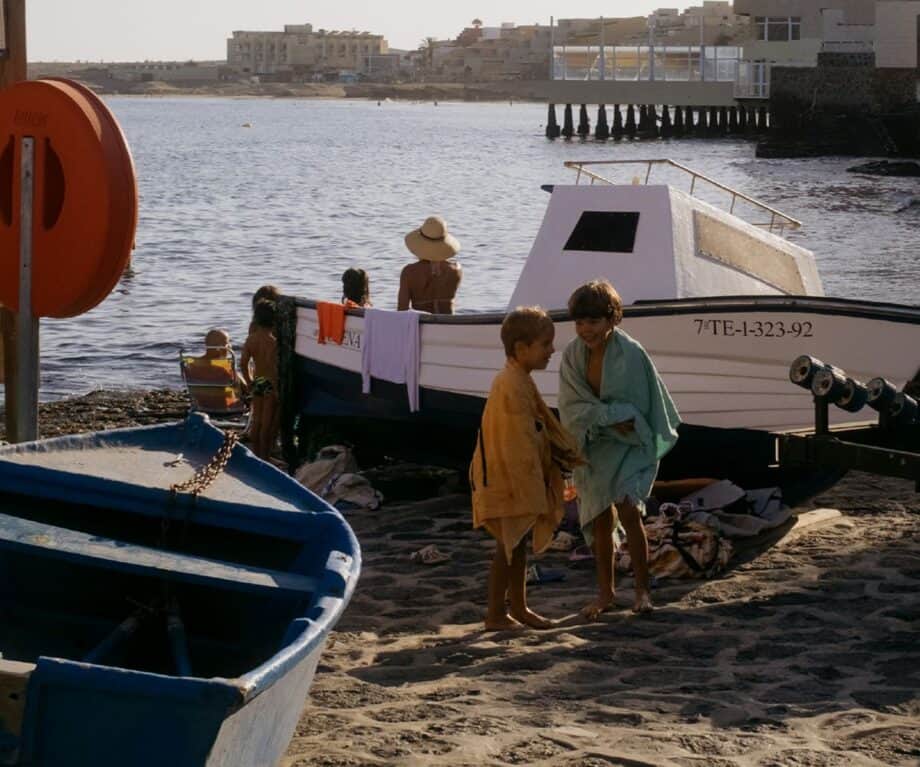
Parents with toddlers need to be close enough to respond quickly, but not so close that every adult conversation ends the moment bedtime starts.
Teenagers are the group most likely to transform when given a little autonomy.
A separate wing, annexe, bunk room or den can prevent small irritations from becoming daily negotiations.
Bathrooms deserve the same attention.
A beautiful villa can feel surprisingly ungenerous if ten people are rotating through two showers before dinner, particularly when ages and routines vary widely.
The most useful planning question is not whether the house looks impressive, but whether each generation can live in it without constantly compromising.

Staff can change the whole atmosphere
For larger family groups, a chef or house manager is less of a luxury flourish and more of a pressure valve.
Without help, one person often becomes the unofficial quartermaster, managing groceries, lunches, dinner timings, washing up and the missing swimming goggles.
That person is usually the one who did most of the organising before the trip began.

If the budget allows, prioritise practical support over another decorative feature in the villa.
A private chef for some meals, a stocked fridge on arrival or a local contact who can handle logistics will do more for the mood than a larger pool that nobody uses after dark.
This isn’t about making the holiday formal.
It’s about making sure the person who holds the family machine together gets to actually be on holiday too.
- Consider a chef for dinners rather than every meal if budget is limited.
- Ask whether groceries can be delivered before arrival.
- Check whether there is a local manager for maintenance, taxis, restaurant bookings or urgent errands.
- Clarify cleaning arrangements, especially for longer stays.
Small layers of help can make a villa feel effortless rather than like a rental house with better weather.
Build in time away from the group
The best family villa trips allow people to opt out without guilt.
That may sound unromantic, but constant togetherness is one of the quickest ways to make a generous holiday feel claustrophobic.
Look for villas with more than one natural gathering point.
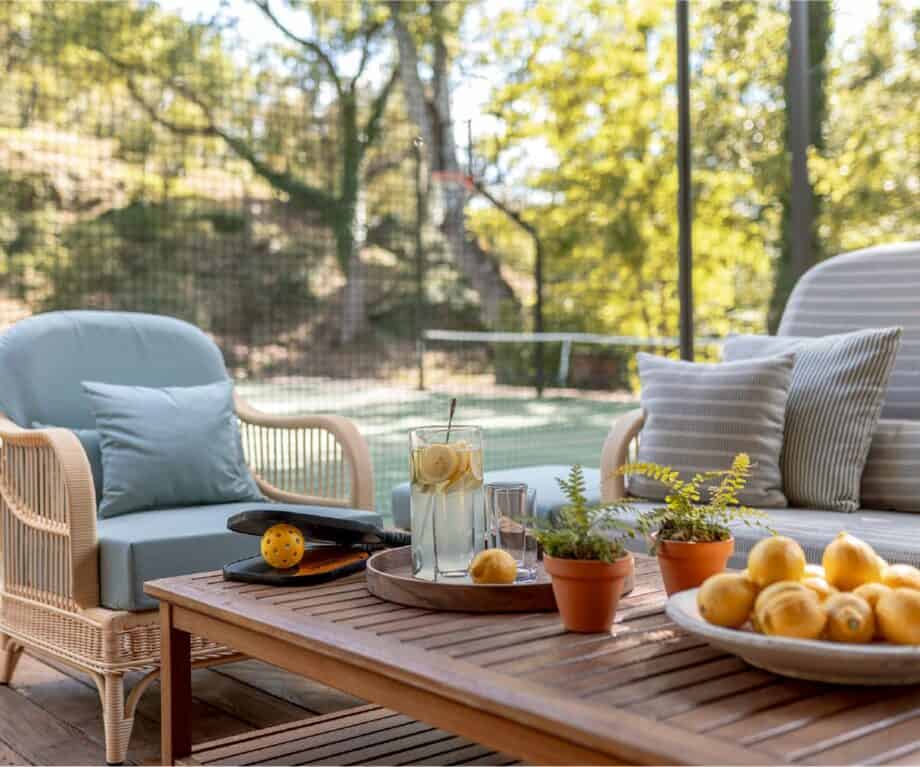
A shaded reading terrace, a second sitting room, a garden corner or a games area gives people somewhere to be without creating drama around their absence.
This matters for every age group.
Grandparents may want a quiet hour after lunch, teenagers may want to disappear with headphones, and parents may need a walk that doesn’t involve pushing a buggy or refereeing siblings.
It helps to make this part of the rhythm from the beginning.
One loose rule works well for many families, which is that nobody has to justify wanting time alone.
Full-group moments are better when they are chosen rather than enforced.
Pick a destination with range
A villa can be perfect and still fail if the surrounding area only suits one kind of traveller.
Multi-generational trips work best in destinations that can stretch across different versions of a good day.
That might mean a walkable old town for slow mornings, a beach for children, restaurants close enough for easy dinners and a few cultural stops for those who want more than pool time.
The goal is not to fill the itinerary.
It is to create options that let the family divide and regroup naturally.
A location that requires long drives for every outing can become tiring quickly, especially with young children or older relatives.
Equally, an isolated villa may be wonderful for a couple but less practical when three generations need different levels of independence.
Before booking, map out what a normal day might actually look like.
If every plan depends on one hire car, one driver and one departure time, the trip may feel less flexible than expected.
Have the money conversation early
Budget is the least glamorous part of villa planning, but it’s often where the biggest misunderstandings begin.
Family assumptions can be surprisingly different, especially when grandparents, adult children and siblings are sharing one property.
Decide early who is paying for the villa, how food will be handled, whether staff costs are shared and what happens with extras such as taxis, activities and restaurant meals.
This conversation is far easier before anyone has fallen in love with a particular house.
It also helps to name the organiser.
One person may lead the booking, but that doesn’t mean they should absorb every decision, payment reminder and logistical task alone.
Shared holidays run more smoothly when the invisible work is made visible.
Someone can handle restaurant ideas, someone else can manage transport, and another person can be responsible for child-friendly supplies or beach gear.
Let the itinerary breathe
A family villa trip doesn’t need a printed schedule, but it does need a little shape.
Plan a few anchor moments, such as a special dinner, a market visit or one outing that different ages can enjoy together.
Then leave generous empty space around them.
Children may want to stay in the pool longer than expected, older relatives may need a slower morning, and teenagers may only become sociable after lunch.
The temptation is to treat the holiday as a rare chance to do everything together.
The wiser approach is to make togetherness easy without making it compulsory.
When the house gives everyone space, the food doesn’t become one person’s burden, and expectations are clear before arrival, a villa holiday can do what hotels rarely manage for large families.
It can feel like everyone has their own holiday, while still giving the family the shared memories they came for.