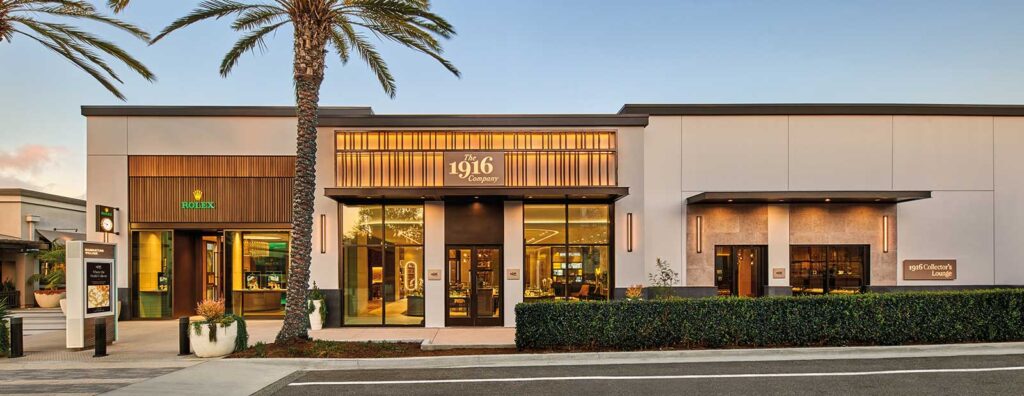
The 1916 Company is not a start-up in the usual sense, even if Danny Govberg has described it as a “110-year-old start-up.”
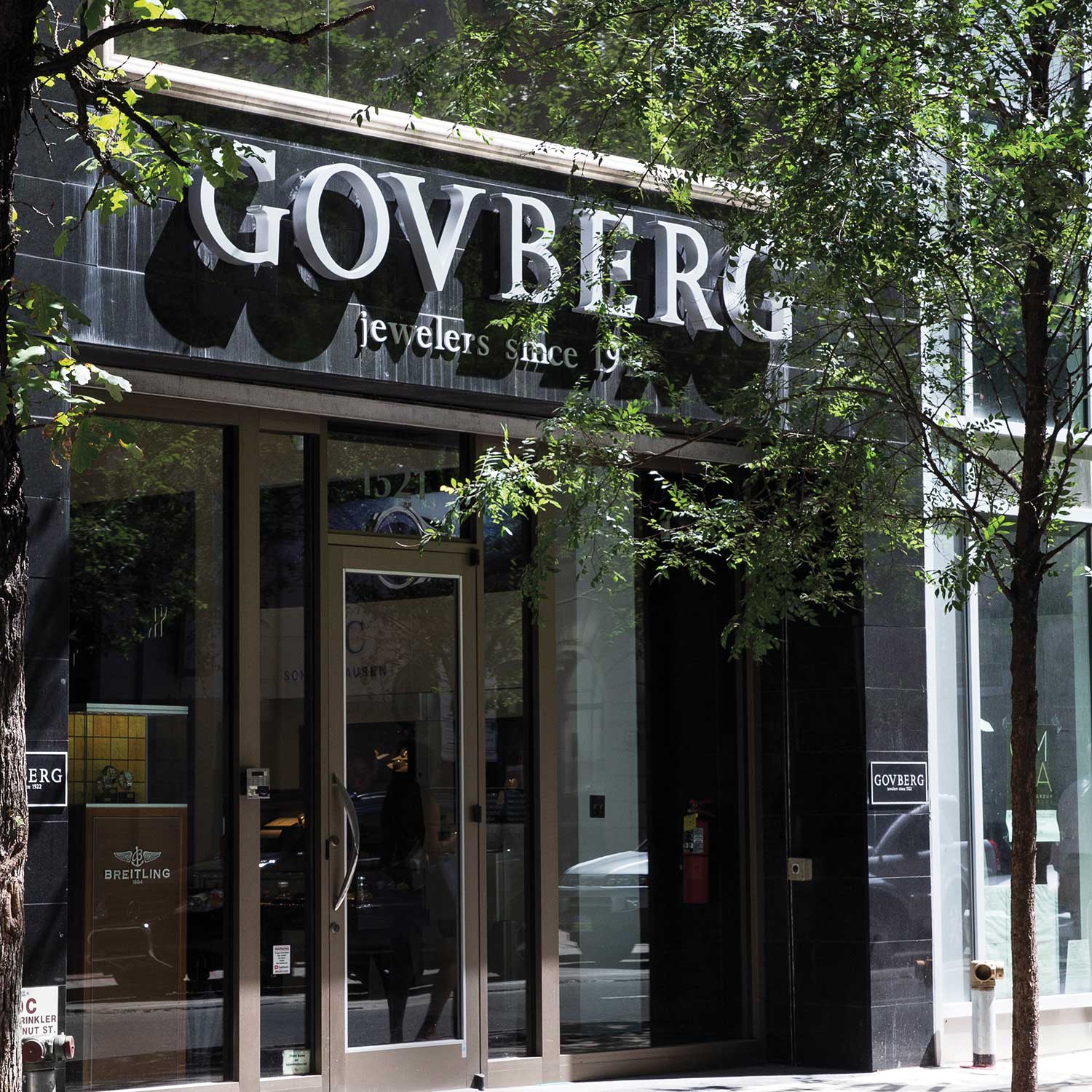
Its roots go back to 1916, when brothers Albert and Sam Govberg opened a small jewelry store in Philadelphia, but its current shape belongs to a very different era of watch retail.
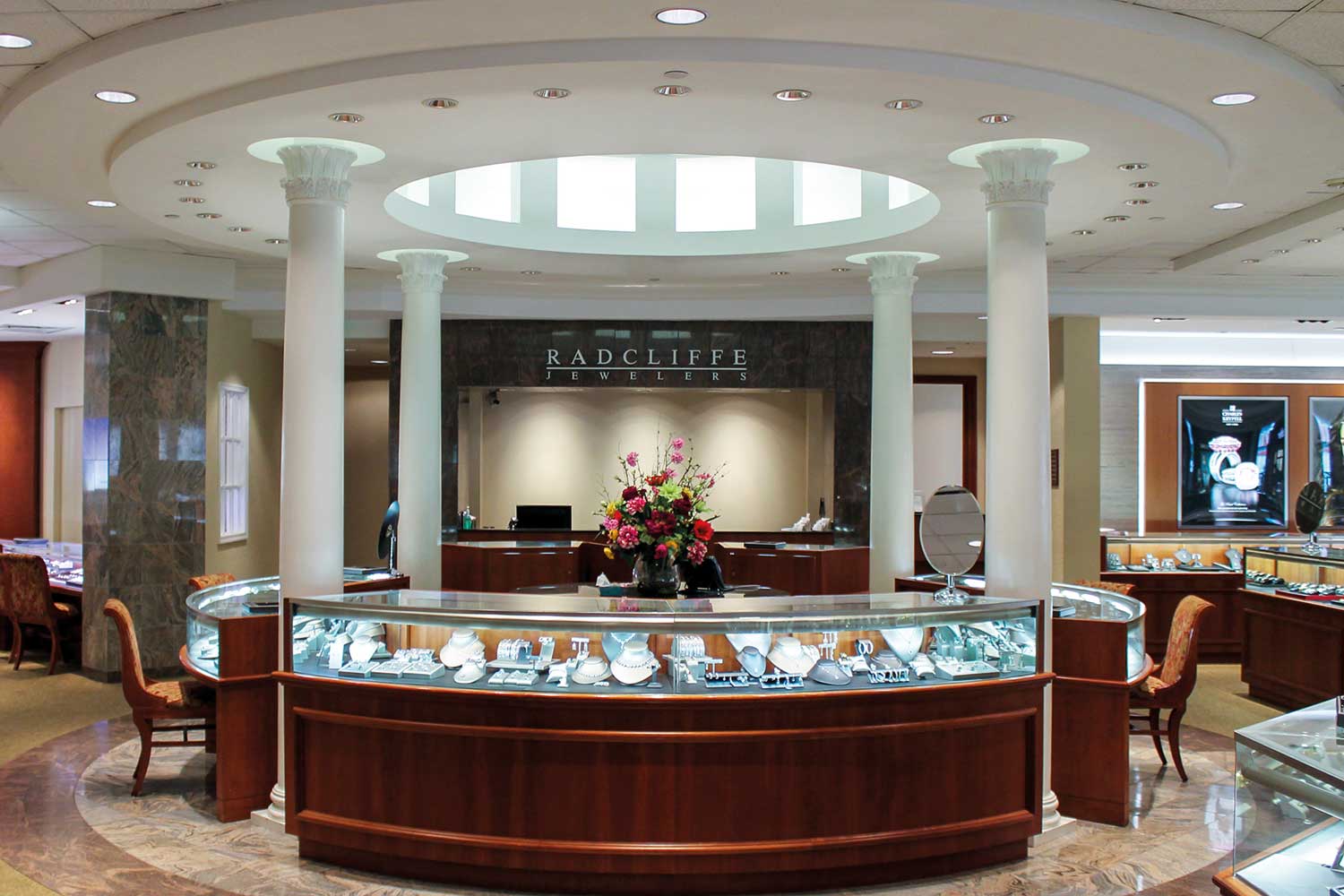
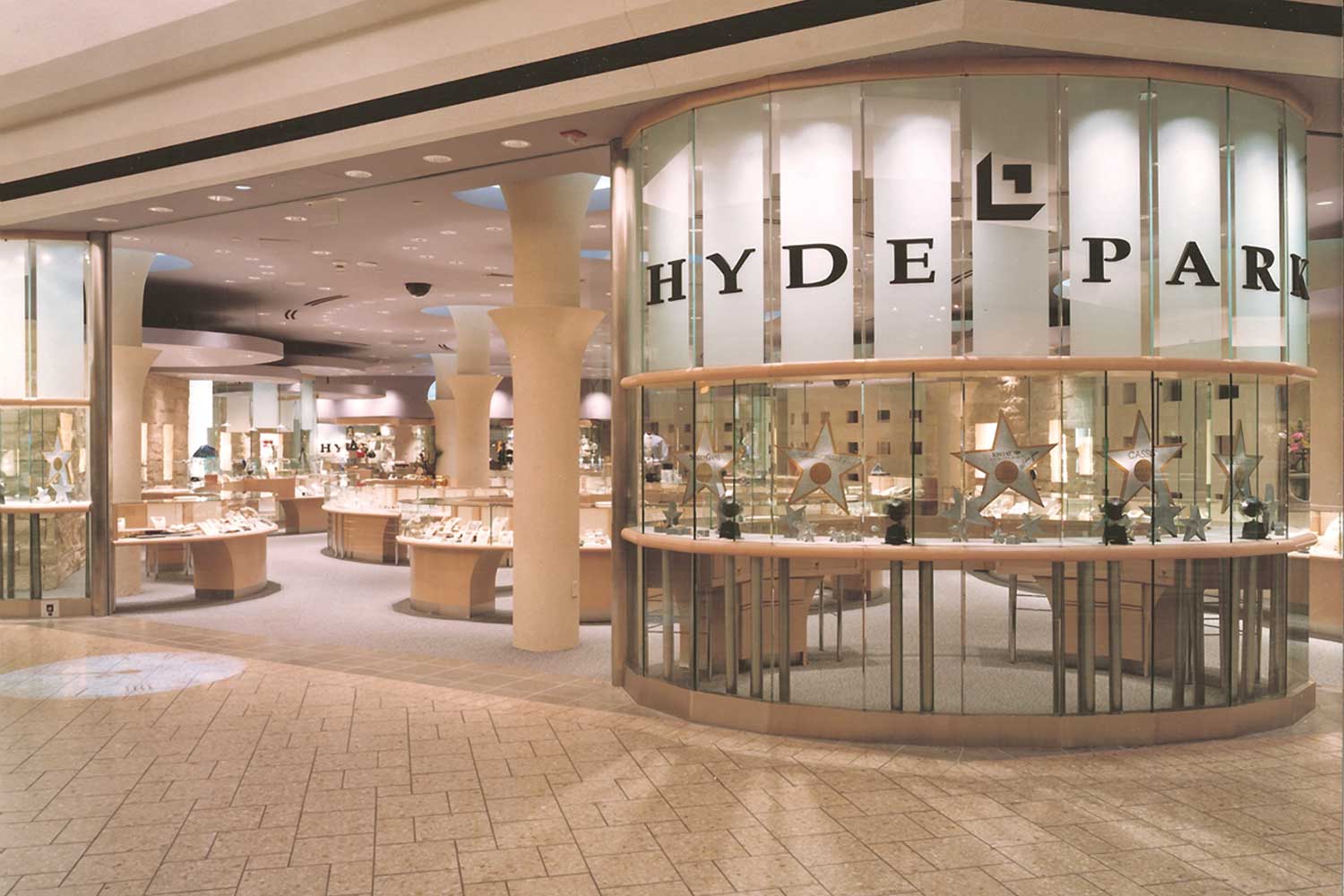
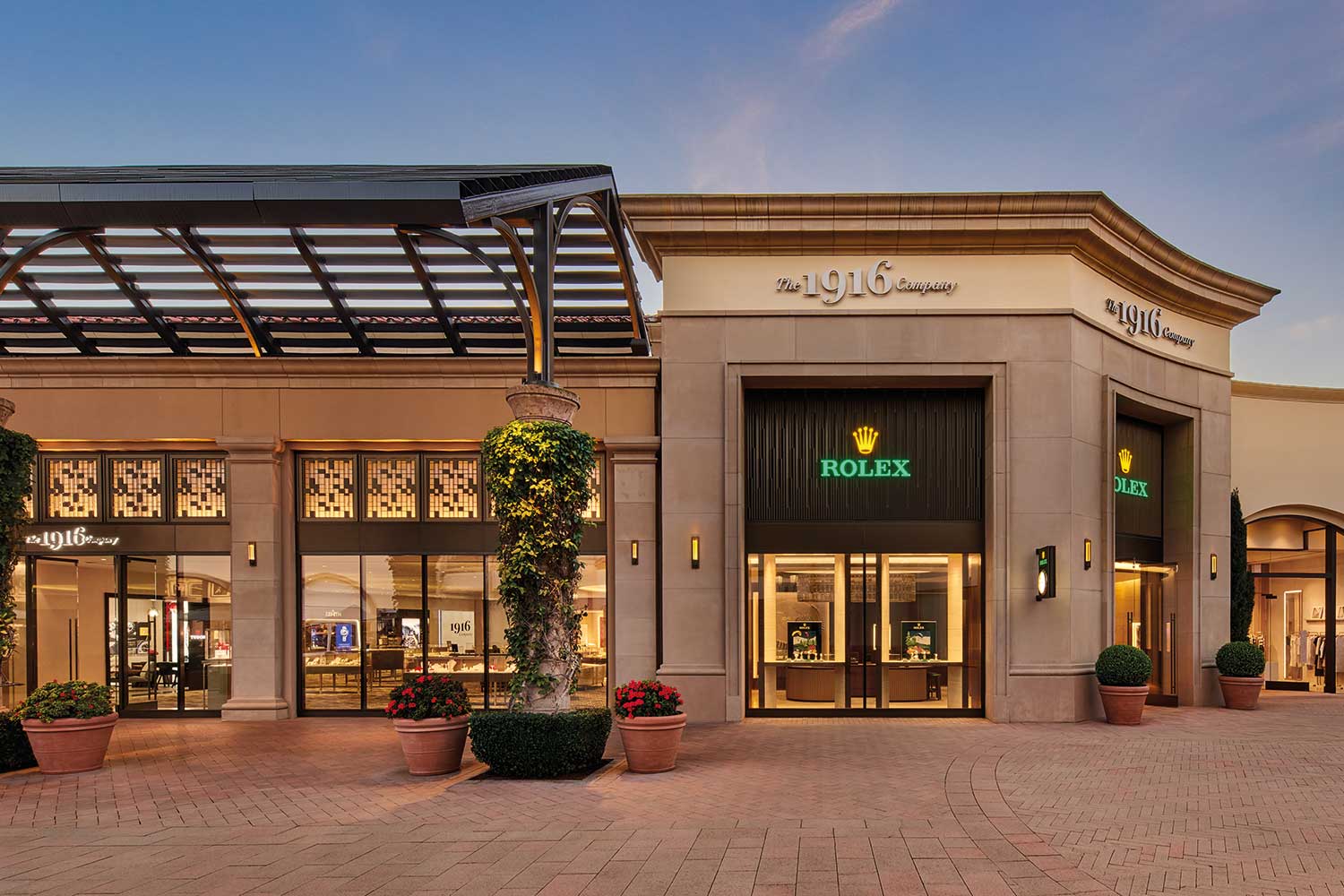
By bringing Govberg Jewelers, WatchBox, Radcliffe Jewelers and Hyde Park Jewelers together, the company has turned a family name into a wider platform for collectors, clients and regional retail teams with their own histories.
At a glance
- The 1916 Company united Govberg Jewelers, WatchBox, Radcliffe Jewelers and Hyde Park Jewelers under one identity on November 1, 2023.
- The business combines authorized retail, pre-owned watches, collector services and long-standing regional jewelry store relationships.
- Danny Govberg is co-founder of The 1916 Company, while John Shmerler was appointed chief executive in March 2024.
A Philadelphia family business with a wider definition
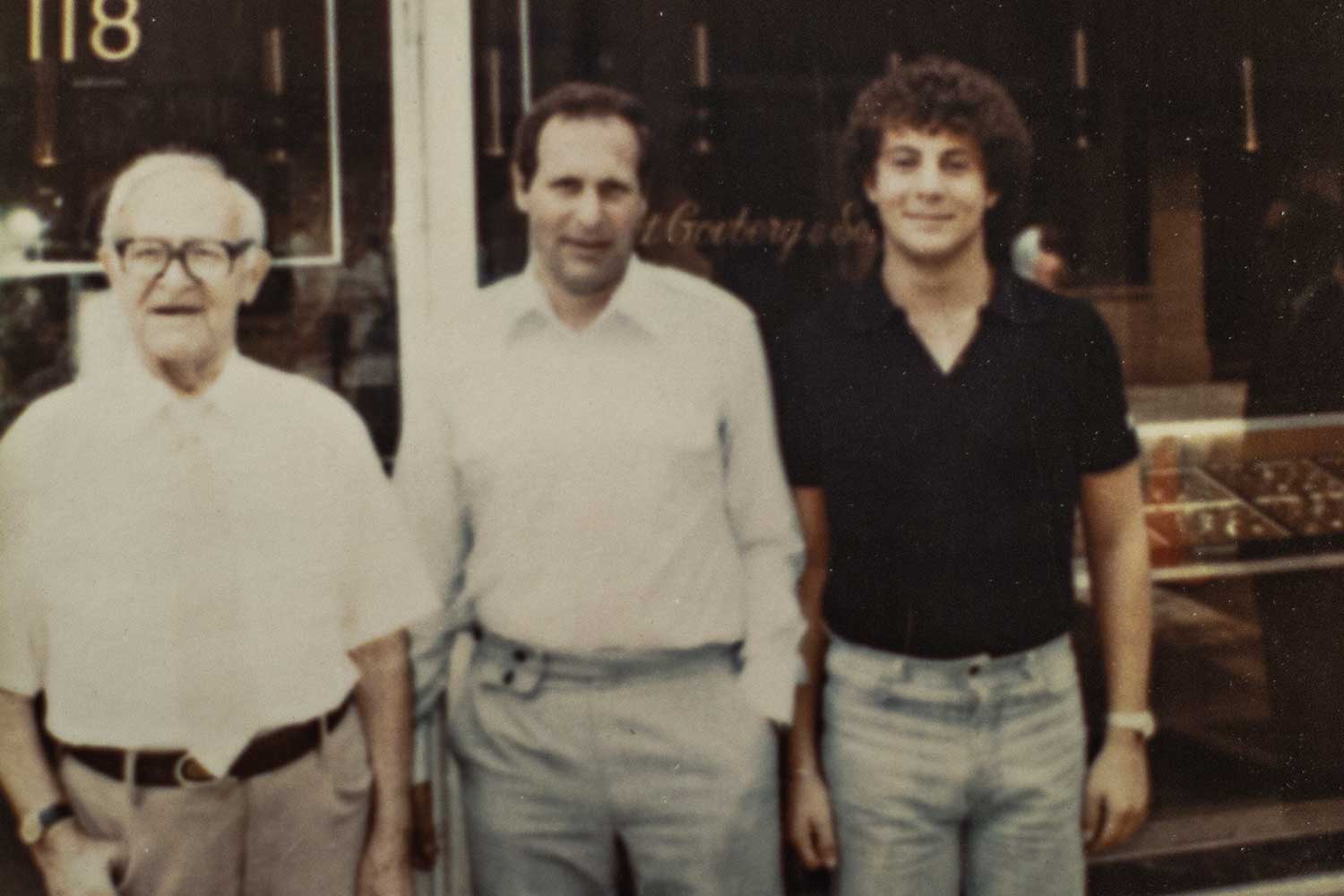
When Danny Govberg joined Govberg Jewelers in 1983, the business was still a compact Philadelphia operation with deep family roots and no watch department.
He has recalled a 600-square-foot store in the city’s jewelry district, staffed by six people including his grandparents, his father, his brother Jeffrey, employee Mike Lauria and a bookkeeper.
Jewelry and diamonds were the core of the business, but watches gave Danny a way to build something that was not already spoken for inside the family hierarchy.
“My say didn’t matter in diamonds or jewelry, but in watches, I could do that on my own,” he says.
That decision became the pattern for much of what followed.
Govberg grew into a serious watch retailer, pre-owned watches became part of its language, and the company eventually helped seed WatchBox as a separate global business before the strands were brought back together.
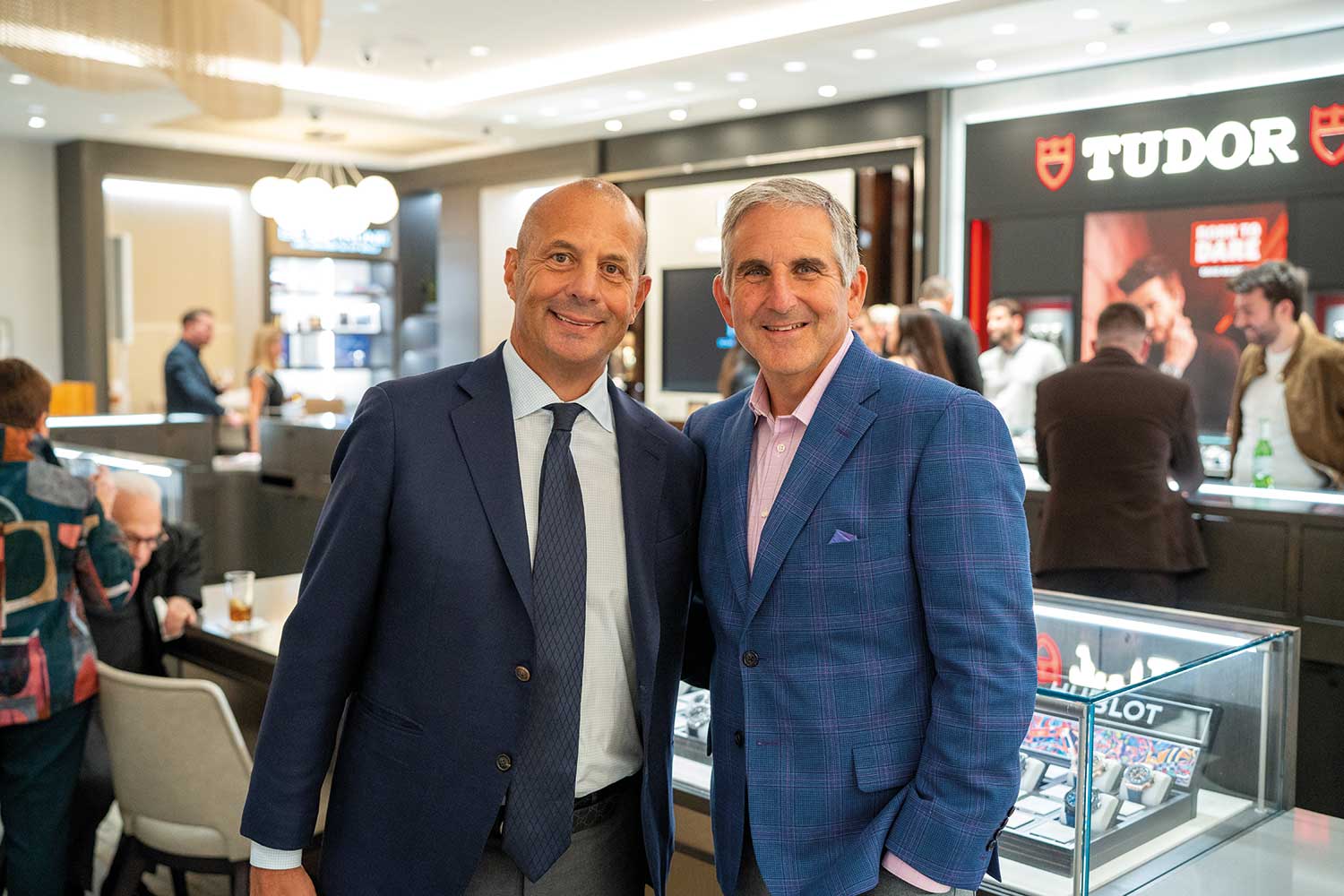
Danny Govberg, John Shmerler and the balance behind the business
The other central relationship in the story began far from the watch counter.
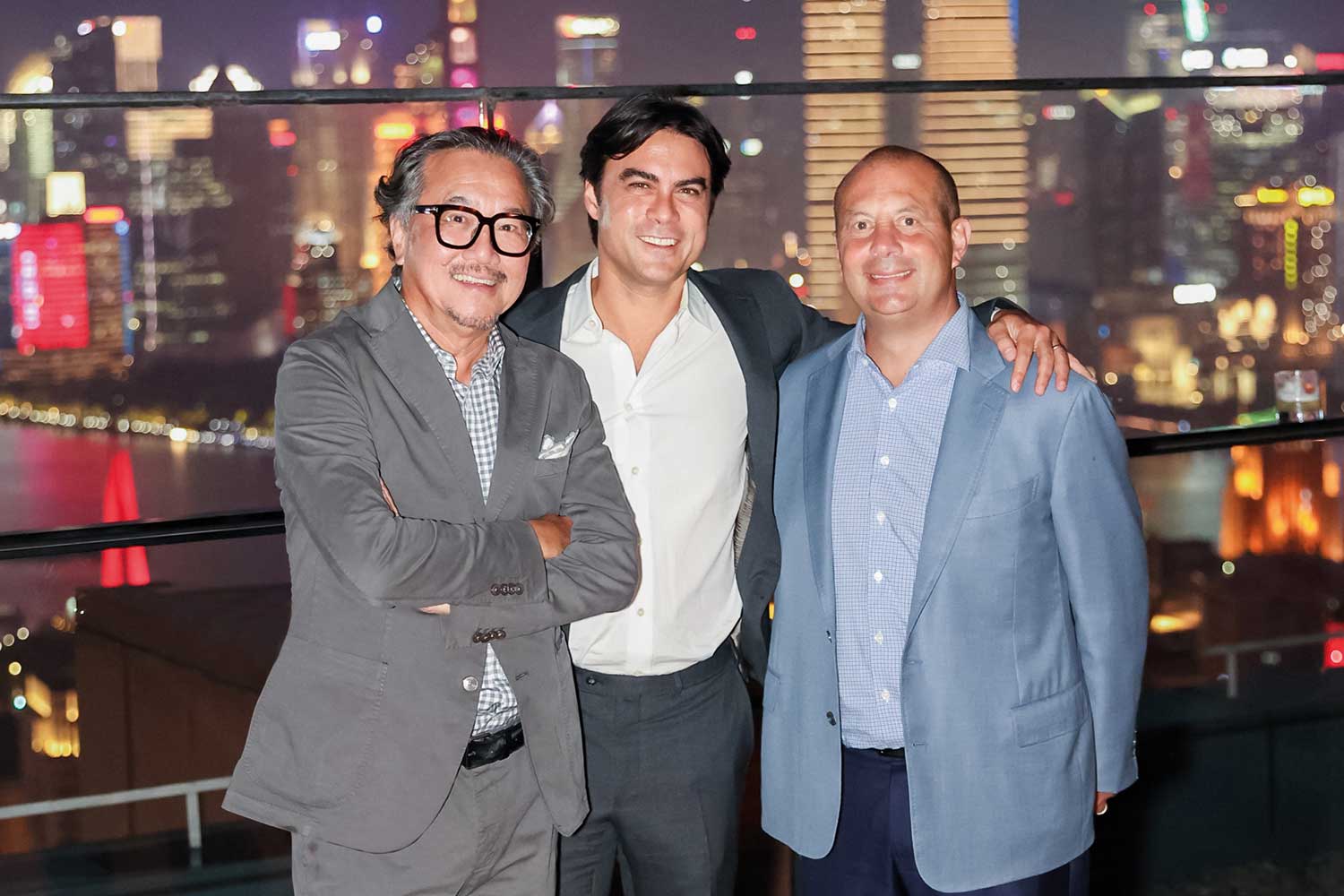
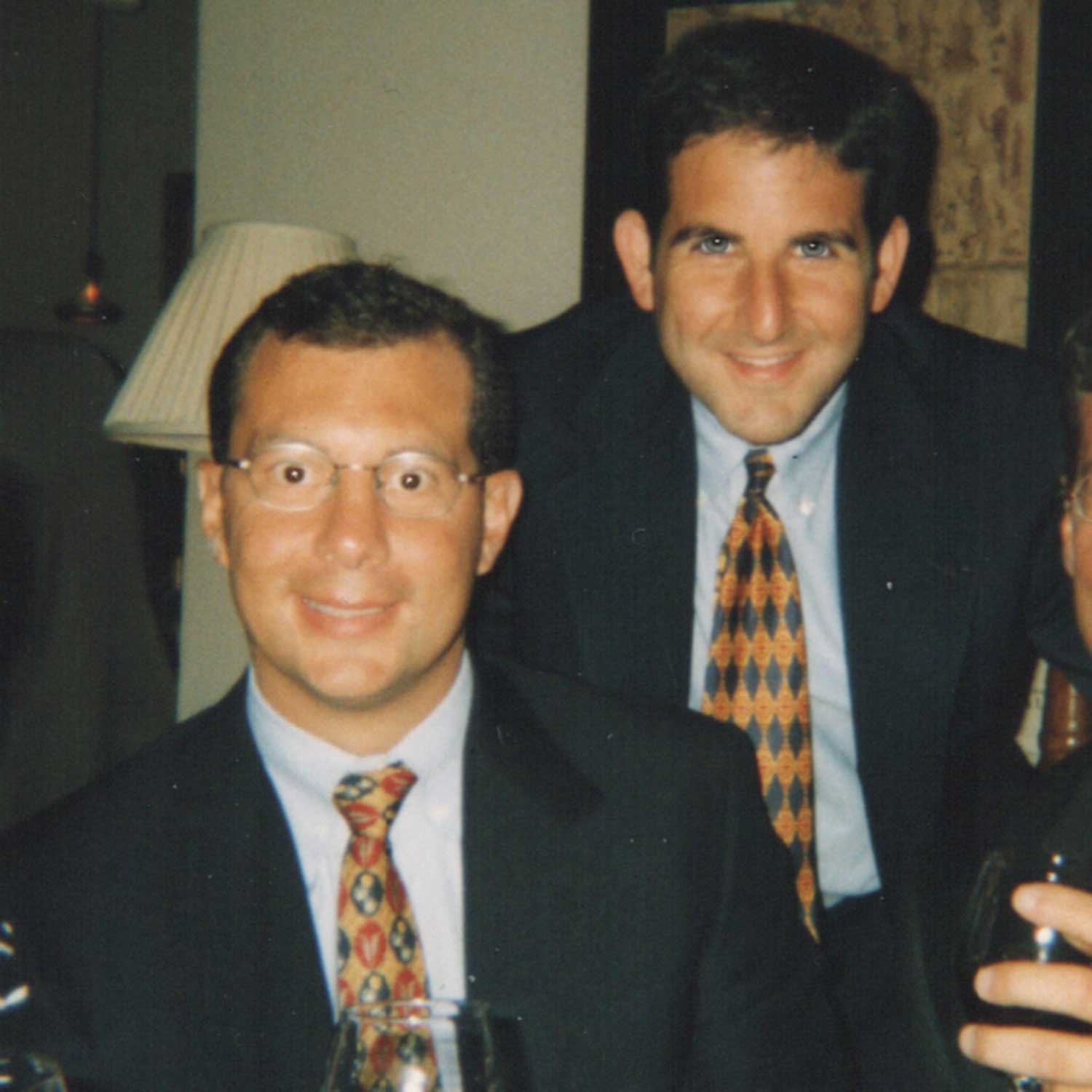
John Shmerler joined a commercial bank in Philadelphia after college in 1988 and inherited Govberg Jewelers as a client, helping Danny secure financing before the relationship became a friendship and then a business partnership.
In 1993, as John was preparing to leave banking for business school, Danny invited him to dinner and persuaded him to work with him instead.
“It was a really good dinner,” John recalls. “I was only eating turkey sandwiches at the time, so it was probably the first good meal I had had in years.”
The partnership has lasted through acquisitions, separate ventures, outside investment and the eventual consolidation that became The 1916 Company.
Danny has a more direct way of describing why it worked.
“An idea with no execution is like a hallucination,” he says. “So John was able to make my hallucinations come true.”
John frames the same dynamic as a balance between ambition and structure, describing himself as “a little bit more stable and predictable” while crediting the relationship with teaching both men how to dream expansively and still get things done.
How pre-owned became part of the front door
One of Danny’s most consequential instincts was refusing to treat new and pre-owned watches as separate worlds.
To him, a customer buying a new watch might naturally want to trade in an old one, sell a watch outright or compare options across both categories.
Govberg began offering new watches, pre-owned watches, trade-ins and purchases under the same roof, while also reaching clients through national advertising, telephone sales and later the internet.
“You could sell us your watch, buy a new watch or buy a pre-owned watch,” Danny says. “Anything you wanted to do, you could do with us.”
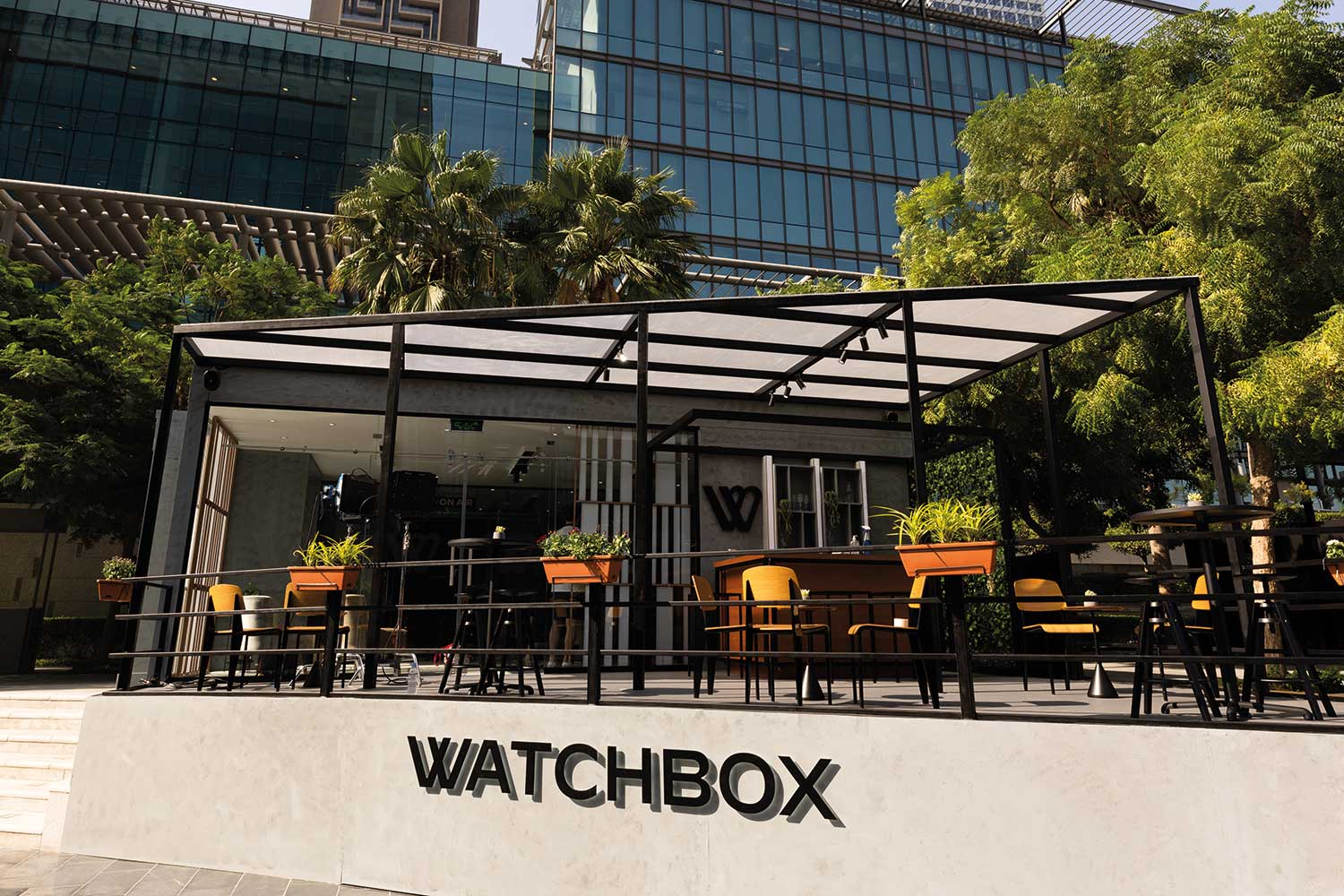
WatchBox launched as a standalone business in 2017, but Danny has said its foundations were already inside Govberg.
Separating the business gave the pre-owned operation more room to advertise, expand internationally and develop its own identity.
Just as important was the educational layer around it.
Danny wanted collectors to be able to track what they owned, understand value and learn from video content, believing that online trust would come through knowledge before a transaction.
He has called this “personal commerce,” a model in which a collector might watch a video, browse the website, speak with a specialist and only later walk into a store.
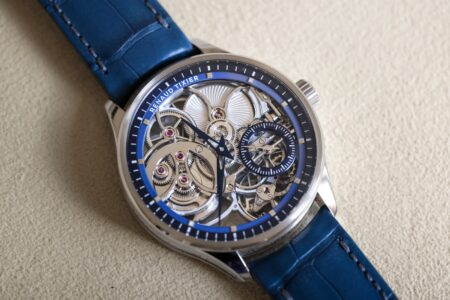
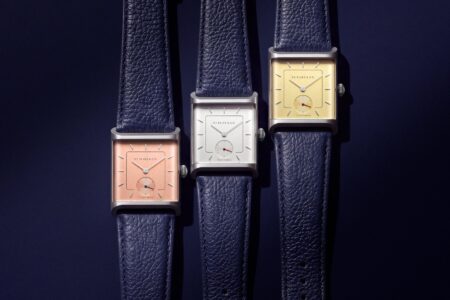
That approach also gave independent watchmakers a stronger route to collectors who needed context before buying into smaller, more distinctive names.
Why 1916 became the shared name
By the early 2020s, the group was operating under several respected but separate identities.
Govberg carried the Philadelphia retail history, WatchBox represented the global pre-owned and collector community, Radcliffe brought its Baltimore presence, and Hyde Park added a western United States foundation from its origins in Denver in 1976.
The idea of uniting the businesses began in 2021, with Radcliffe and Hyde Park joining the group in 2023.
Around the same period, Rolex was developing its Certified Pre-Owned programme, sharpening the industry-wide conversation around the relationship between primary and secondary watch markets.
“All these years we’d been talking about the intersection of primary and secondary,” John says. “Well, here it was.”
The name 1916 gave the company a way to keep the oldest part of the story without forcing every business to sit beneath the Govberg surname.
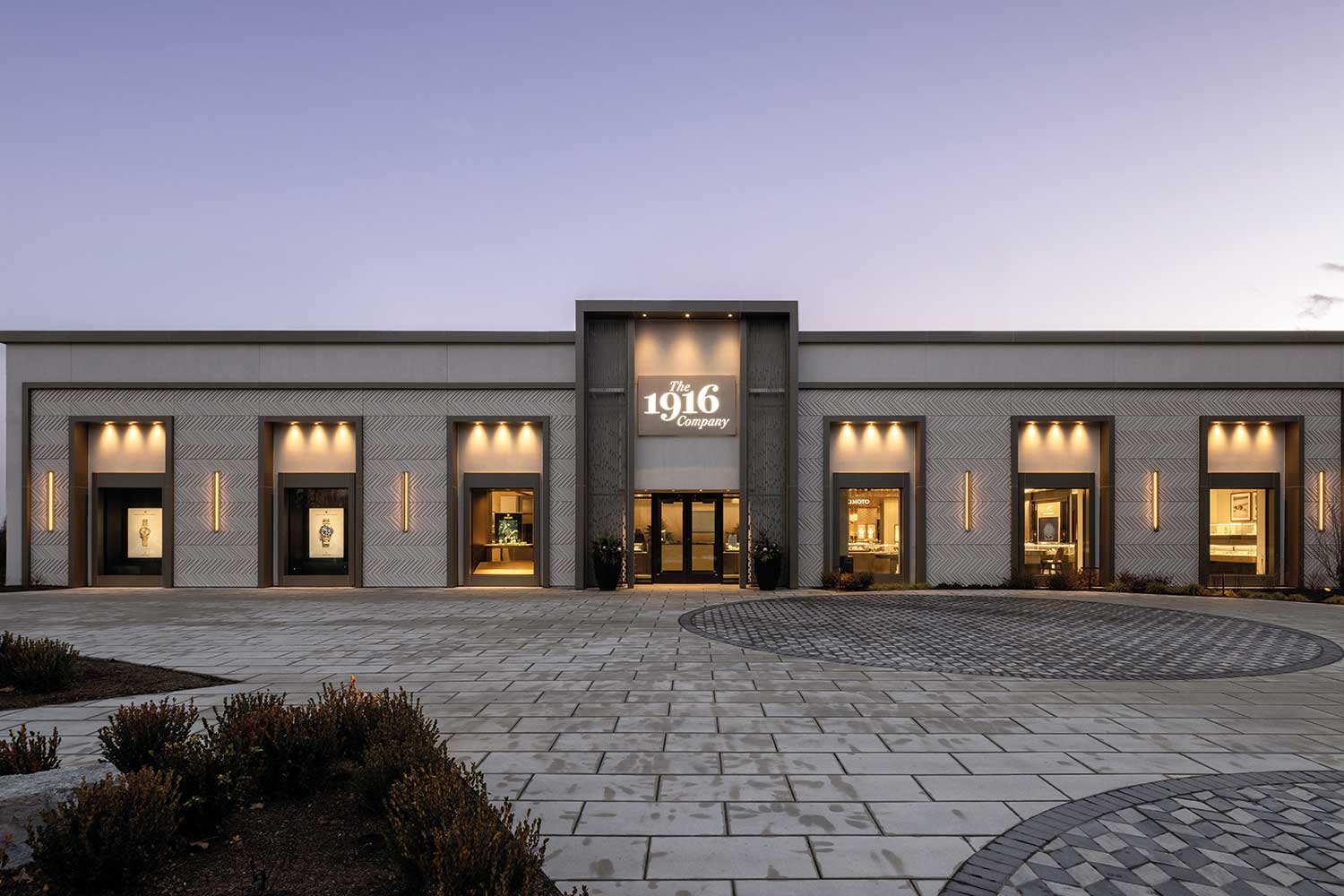
Danny has said he had little difficulty letting the family name leave the door because the history remained intact while making room for others.
“The story still lives on,” he says. “At the same time, it lets lots of others in.”
The difficult work after the rebrand
Putting four businesses under one name was not simply a matter of signage.
Each company had its own systems, habits, clients and sense of identity, and John has pointed out that even asking long-serving employees to give up an old email address could carry emotional weight.
“Outsiders look at it and say, ‘You changed the name on the stores and put up signs,’” he says. “But to get people to give up something, when they were in one of four companies, to give up that piece of themselves, took a lot of change management.”
As chief executive, John’s task has been to make the combined business function without flattening the relationships that made the individual stores valuable in the first place.
Service has become a particular focus.
He has argued that the watch industry has not always been clear enough with clients about future servicing needs and costs, especially when complicated watches are involved.
The demands of Rolex Certified Pre-Owned pushed the business to look more closely at inspection, servicing and standards, but John also treats that shift as a basic responsibility of retail.
“We’ve put a lot of our resources, time and energy into becoming a much better service-oriented company when it comes to fixing watches than we ever had prior,” he says.
The 1916 Company is ultimately a watch business shaped by consolidation, but its more interesting story is about continuity.
Danny Govberg inherited one family enterprise and kept expanding the definition of who could build inside it, while John Shmerler turned from lender to partner to chief executive.
That makes the company less a replacement for Govberg than an enlarged version of the same idea, adapted for collectors who move between boutiques, phones, videos, pre-owned inventory and long-term service with little regard for the old boundaries of watch retail.