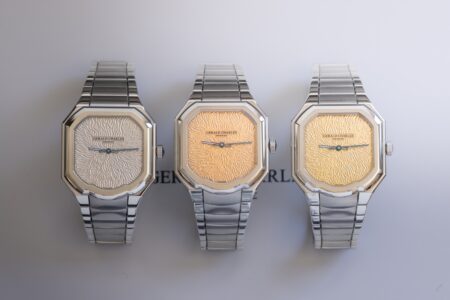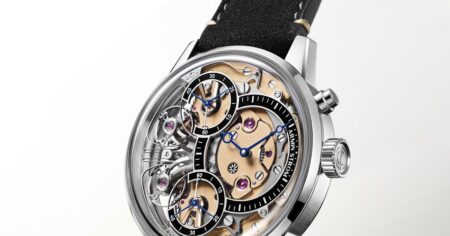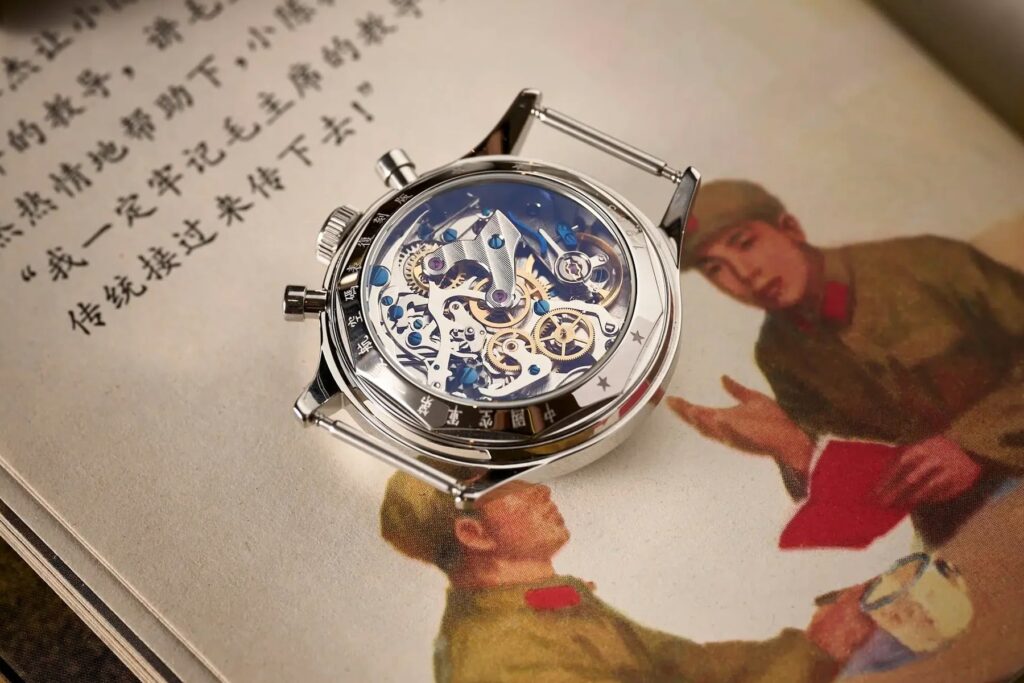
Chinese watchmaking is a younger story than most collectors might expect, but it has moved at remarkable speed.
In the space of a few decades, China went from building watches based on foreign calibres to producing huge volumes of mechanical movements, accessible tourbillons and a small but increasingly compelling independent scene.
That arc matters because it reframes China not only as a manufacturing base, but as a watchmaking culture with its own industrial history, technical milestones and emerging creative identity.
At a glance
- China’s first domestic wristwatch appeared in 1955, but the country now produces the most watches by volume in the world.
- Early Chinese watchmaking relied heavily on reverse-engineered Swiss designs before standardised domestic production and more original movements emerged.
- Modern Chinese makers now span high-volume movement manufacturing, affordable complications and a growing independent watchmaking scene.
A late start that became a volume powerhouse
China arrived late to wristwatch production compared with Japan and Europe.
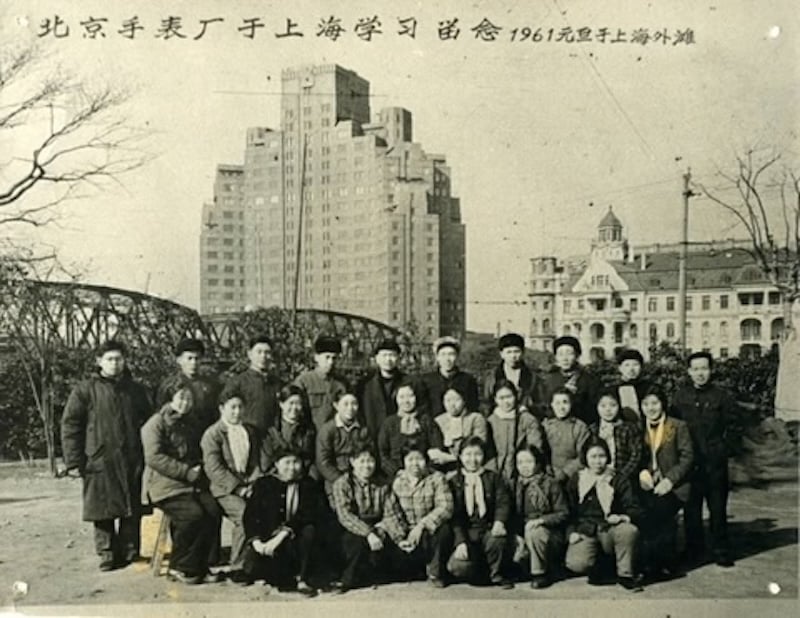
Its first wristwatch, the WuXing or Five Stars, appeared in 1955, decades after Japan’s first domestic pocket watch in 1895 and its first wristwatch in 1913.
Swiss and British watchmaking traditions reach much further back, with roots in the 16th century, which makes China’s modern scale all the more striking.
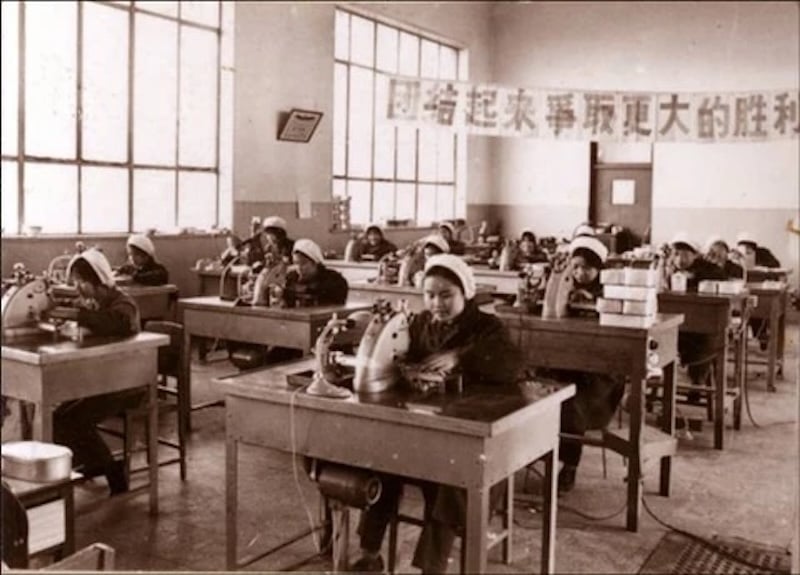
China now accounts for more than 30 percent of the global watch market by volume and produces more watches than all of Europe combined.
FHS figures put Chinese watch exports at around 600 million units in 2025, compared with fewer than 15 million for Switzerland.
The value picture is very different, with Chinese exports estimated at USD 18 billion against USD 31 billion for Switzerland, reflecting the much lower average price of Chinese-made watches.
Even so, volume alone doesn’t explain the industry’s direction.
China has moved steadily into more technically ambitious watchmaking, including tourbillons, micro-rotors, split-second chronographs, repeaters and multi-axis tourbillons.
| Year or period | Milestone |
|---|---|
| 1955 | WuXing, or Five Stars, becomes China’s first domestic wristwatch. |
| Late 1950s | Eight major watch factories are established, including Shanghai, Tianjin and Beijing. |
| 1961 | Project 304 begins as a state-backed chronograph programme for the PLAAF. |
| 1966 | Tianjin completes production of 1,400 pilot’s chronographs for the PLAAF. |
| Early 1970s | The Tongji standardised movement becomes the focus of national production. |
| Early 1980s | Tongji-era production reaches 33 million units. |
| 2000 | China produces more than 650 million watches in a single year. |
Reverse engineering and the Tongji standard
The WuXing was based directly on an old Swiss pin-lever movement with just five jewels.
It was a modest beginning, but it gave Chinese watchmakers a practical route into serial wristwatch production.
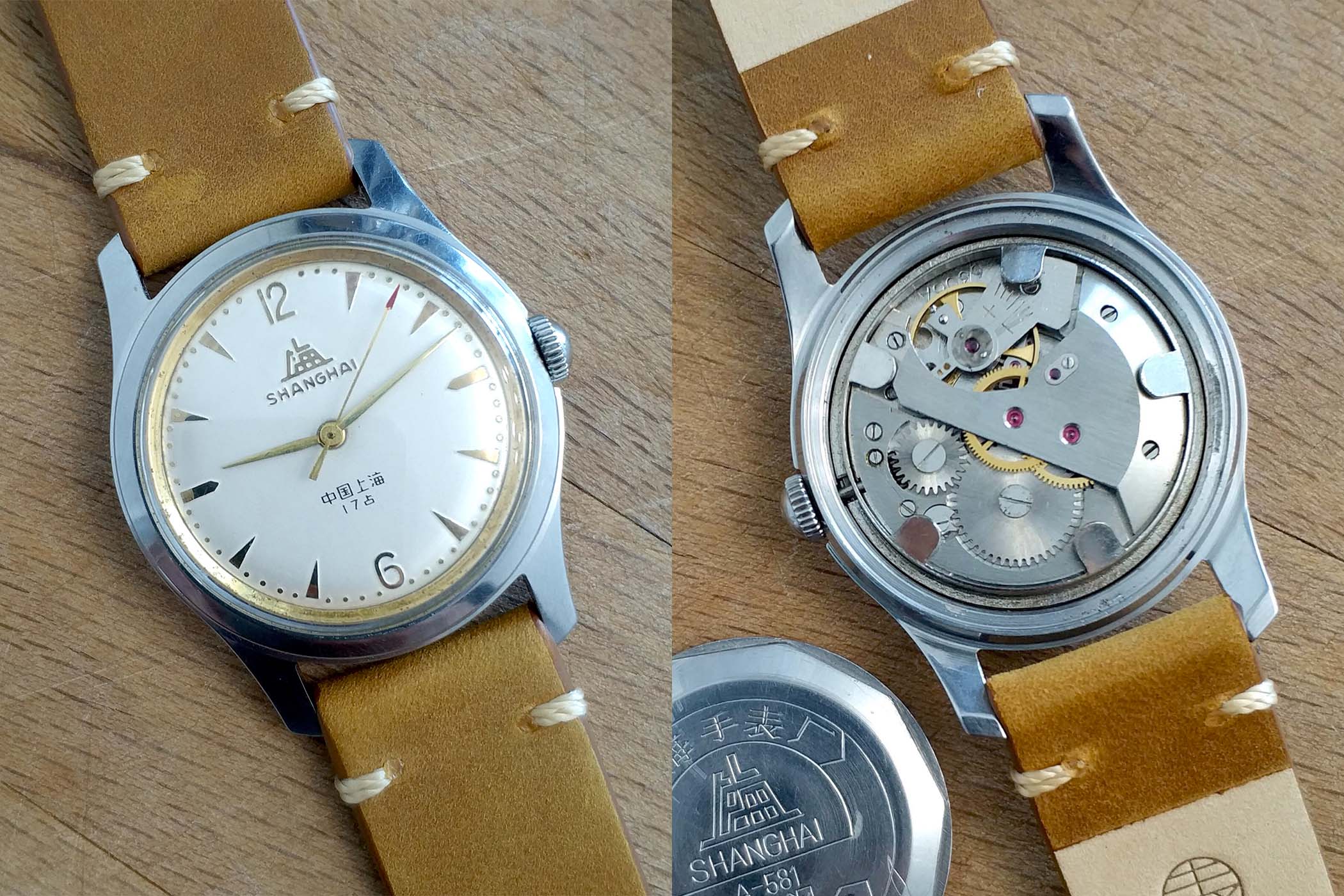
A more substantial step came with the Shanghai A581, a fully jewelled domestic movement based on Swiss AS calibres.
The A581 became a key Chinese movement until the mid-1960s, when the Shanghai Watch Factory developed the improved SS1 series.
By the end of the 1950s, China had established eight major watch factories in Shanghai, Tianjin, Beijing, Guangzhou, Nanjing, Jilin, Qingdao and Liaoning.
More than a hundred factories would later operate across the country, but Shanghai, Tianjin and Beijing formed the industry’s dominant trio for decades.
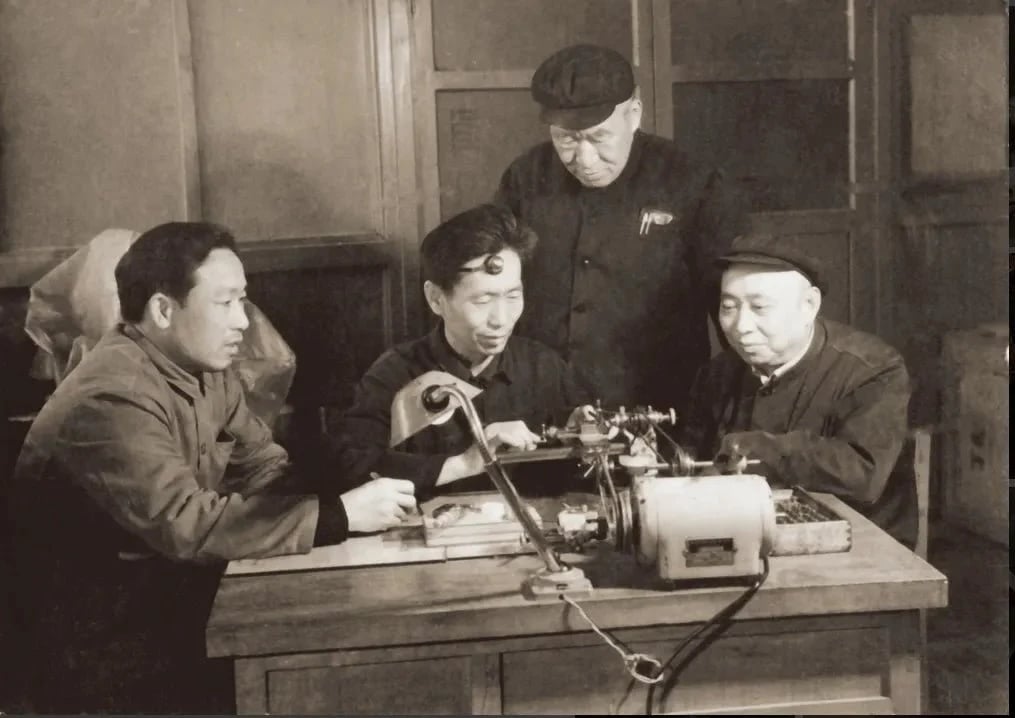
The defining industrial shift came through the Ministry of Light Industry Initiative, which pushed factories toward a single standardised movement.
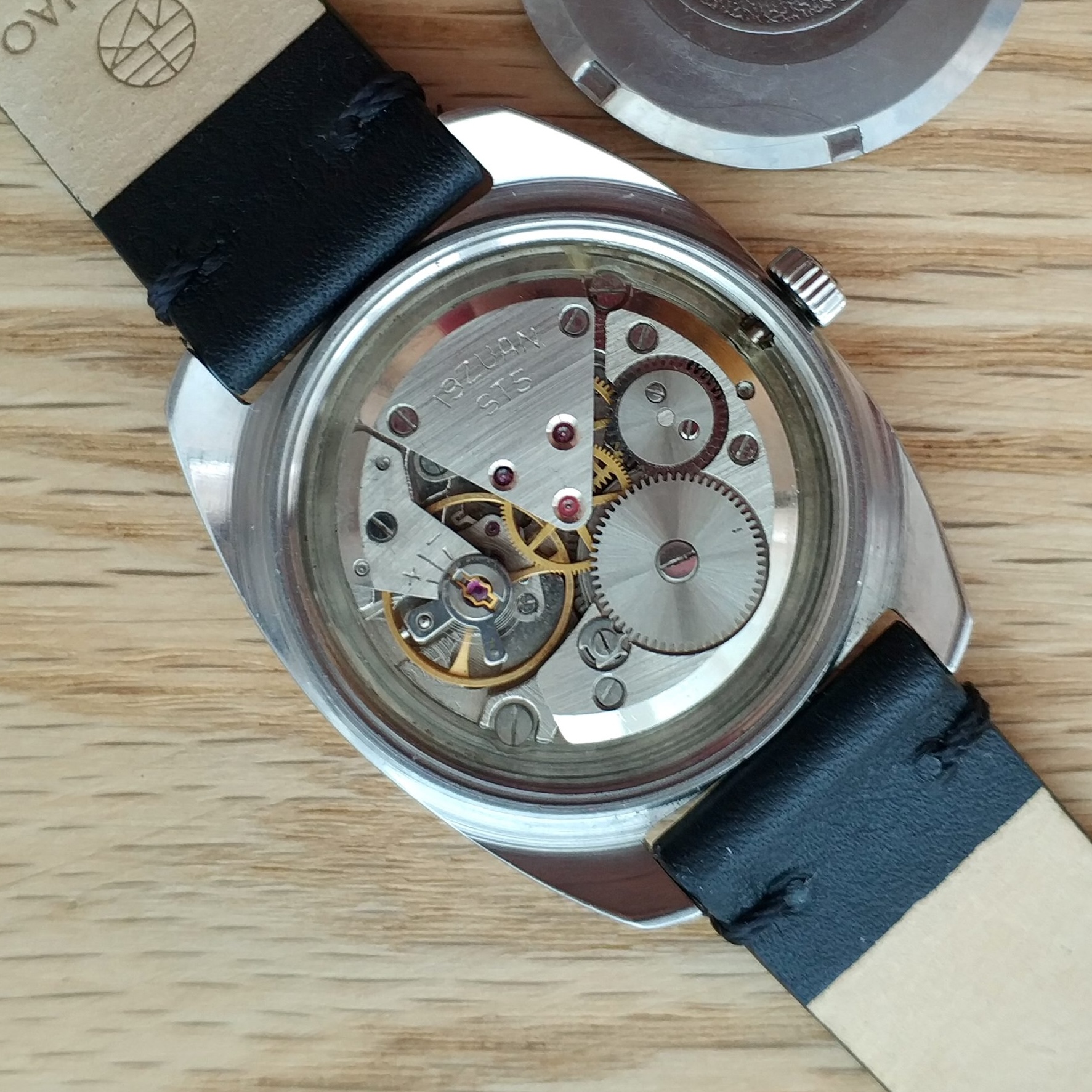
That movement was the Tongji, or Unified Mechanism, reverse-engineered from the Swiss Enicar AR1010.
The aim was practical rather than glamorous.
China needed consistent, affordable, repairable mechanical watches for a domestic population that was still building broad access to personal timekeeping.
More than 30 factories eventually produced the Tongji, typically with at least 17 jewels, a 3Hz frequency of 21,600 vibrations per hour, accuracy within plus or minus 30 seconds per day and a 40-hour power reserve.
By the early 1980s, production had reached 33 million units, more than five times the output of a decade earlier.
The unified movement did not mean every watch looked the same.
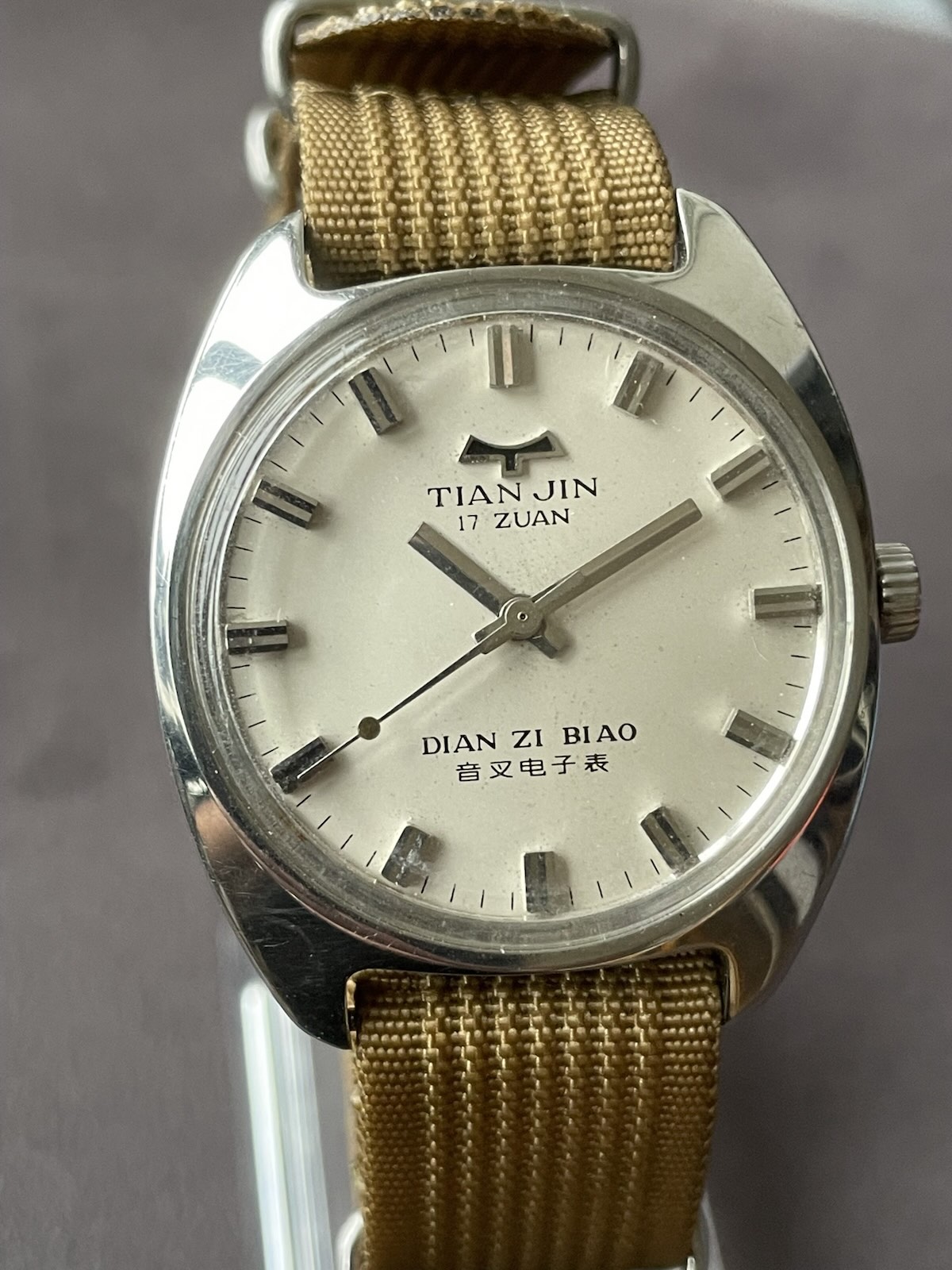
Factories were free to design cases and dials, and many developed regional brands named after animals, landmarks and local symbols.
Meihualu referenced the Sika Deer, Xiongmao the Giant Panda and Taishan the mountain in Shandong province.
While many dials remained conservative in white or silver, the 1980s brought more adventurous textures, floral motifs, wildlife scenes and landscape designs.
This is one of the more interesting contradictions of the Tongji era.
The movement was standardised, but the watches themselves could be surprisingly varied.
Chronographs, domestic calibres and quartz detours
Military watchmaking developed along a slightly different path from civilian production.
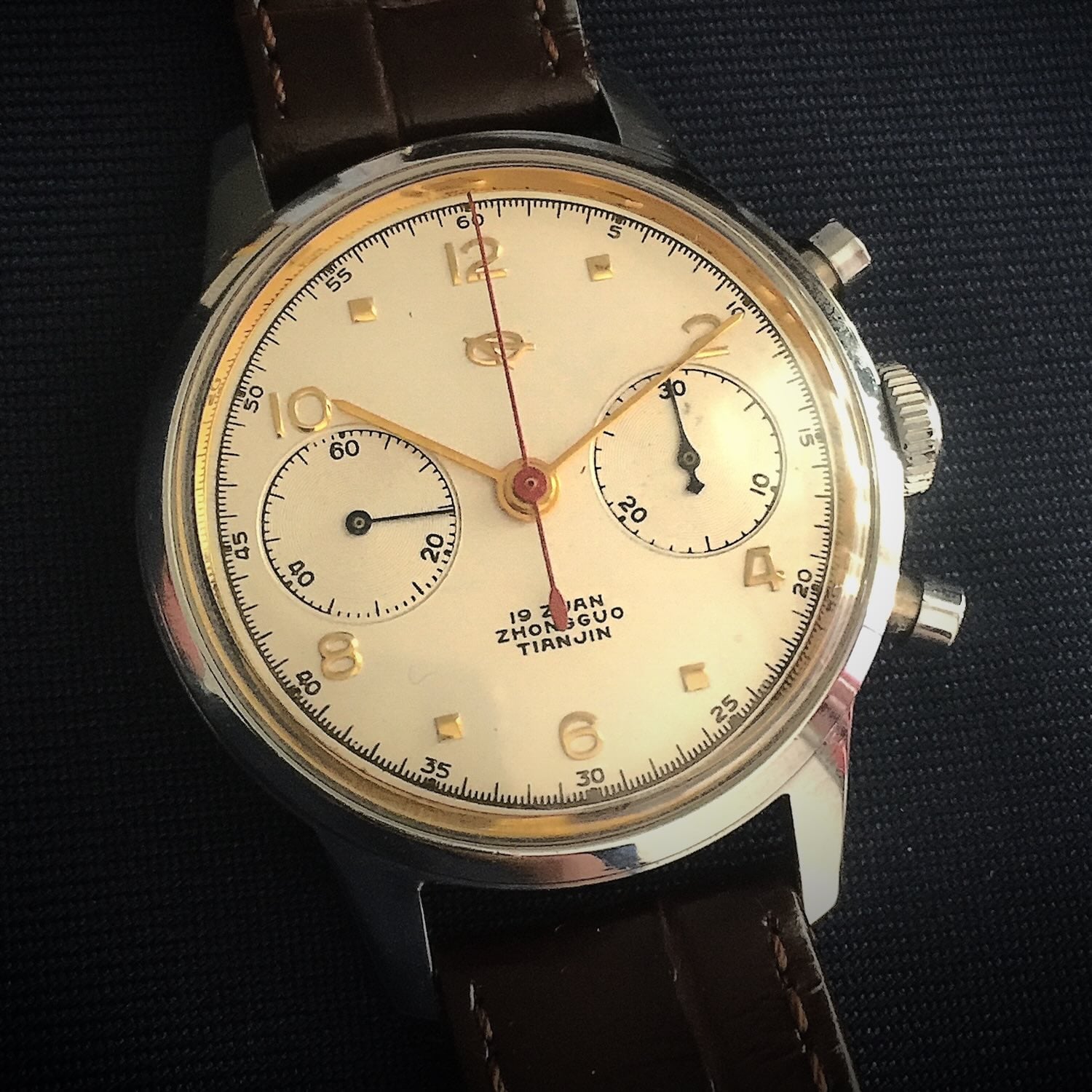
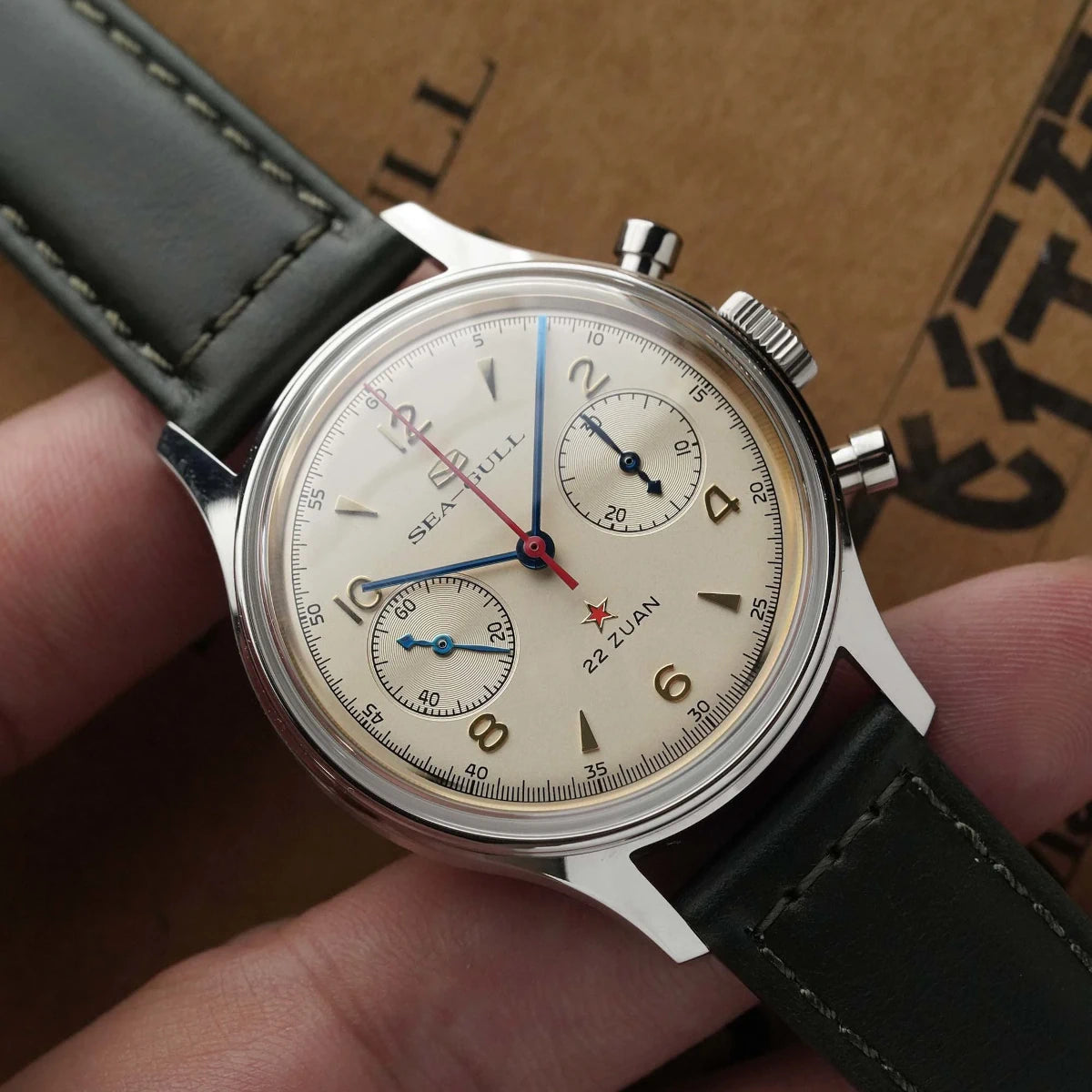
In 1961, the Tianjin Watch Factory, now known as Sea-Gull, began Project 304 to create a pilot’s chronograph for the People’s Liberation Army Air Force.
The programme used tooling imported from Switzerland’s Venus Watch Company for the Venus 175 calibre.
A second batch of prototypes was approved by the end of 1963, and production of 1,400 watches was completed in 1966.
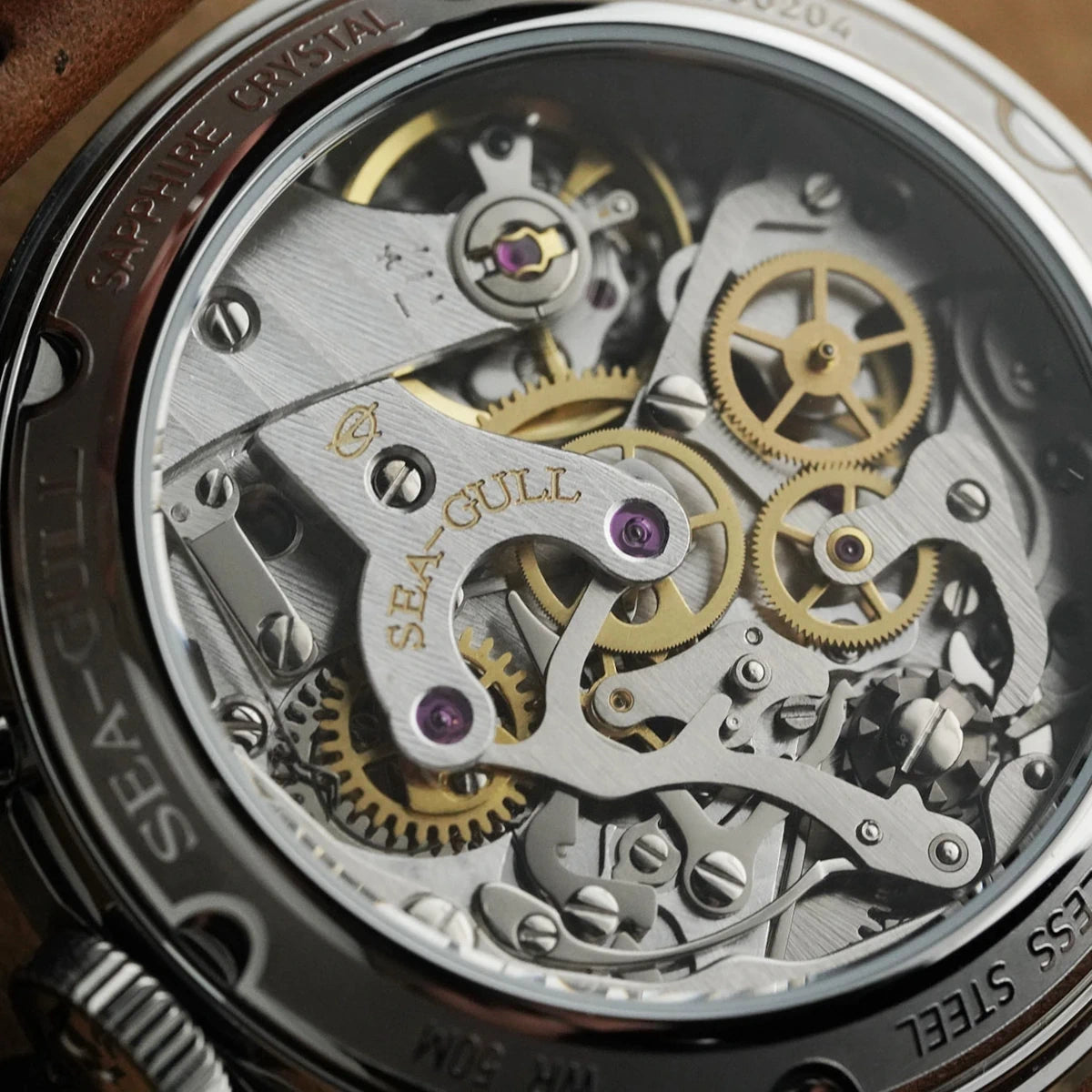
The movement later became known as the ST19, a hand-wound column wheel chronograph with 19 jewels, 30-minute and small seconds sub-dials, and refinements intended to handle high g-forces, temperature extremes, shock and magnetism.
Because of the 1963 prototypes, the watch is widely known today as the “1963”.
Modern Sea-Gull versions include faithful 38mm tributes with high-domed acrylic crystals, beige dials, gold indices, blue hands and a red chronograph seconds hand.

Original examples are rare and prized by collectors, while modern versions can be found for less than USD 1,000.
Chinese factories also began developing movements that moved beyond direct foreign templates.
In 1966, Tianjin introduced the DongFeng brand with the ST5, a hand-wound calibre described in the period as thin and high quality, with 19 jewels and up to 40 hours of power reserve.
The original ST5 ran at 2.5Hz, while the later ST5-K increased the rate to 3Hz.
Its hand decoration included radiating “Sea-Gull Stripes”, visually distinct from Swiss Côtes de Genève.
Shanghai ZuanShi Watch Factory followed in 1969 with the SM1A, a hand-wound domestic movement for Zuanshi-branded watches.
It featured 17 jewels, hacking seconds and accuracy approaching chronometer levels, with later 3Hz versions designated SM1A-K.
Electric and quartz technology added another thread to the story.
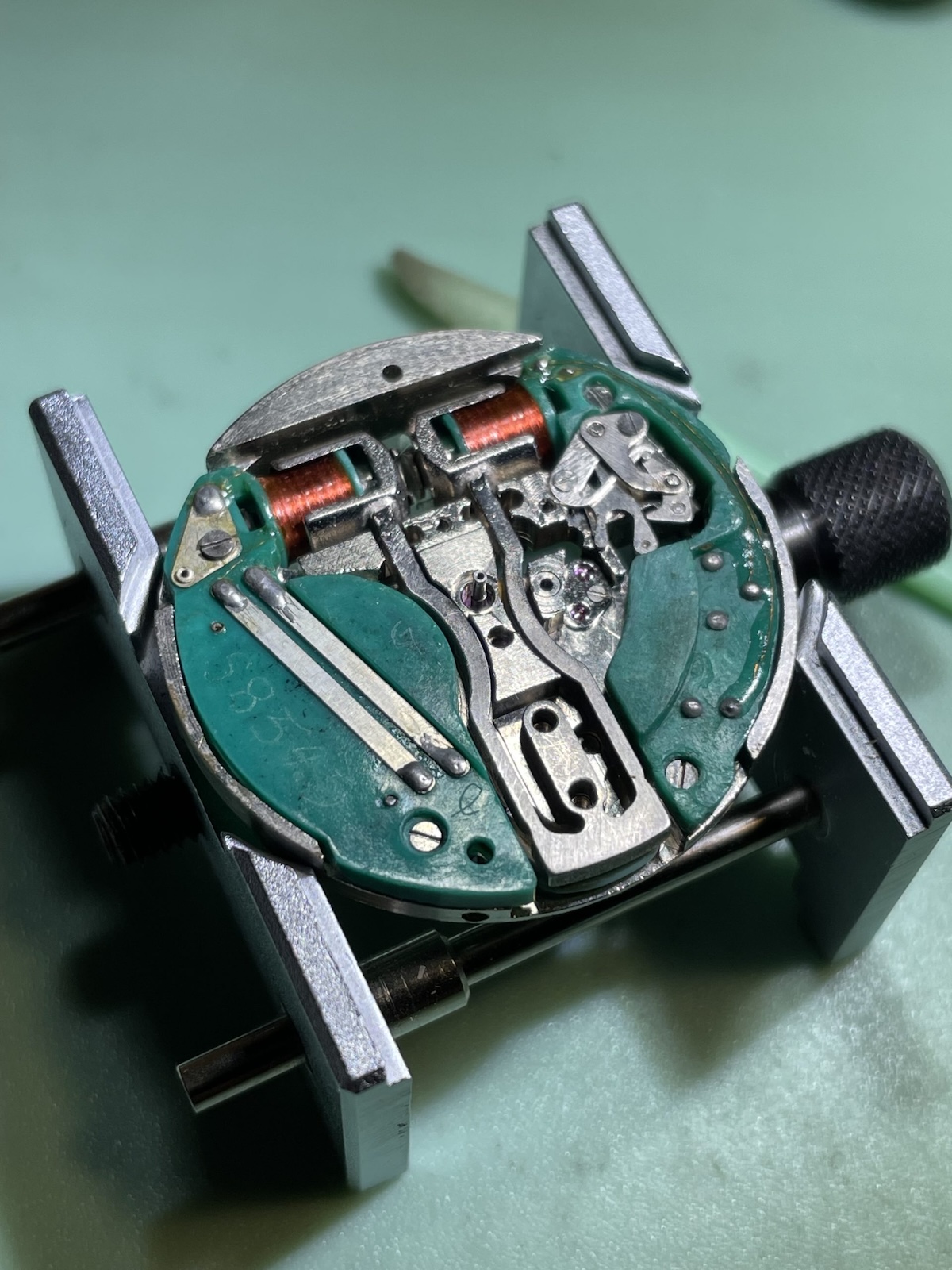
Tianjin copied Bulova’s tuning fork concept in the 1960s with the ST4 and later DST2, while another electric calibre, the SD2, appeared in the 1970s using a circuit and coil to keep the balance oscillating at 5Hz.
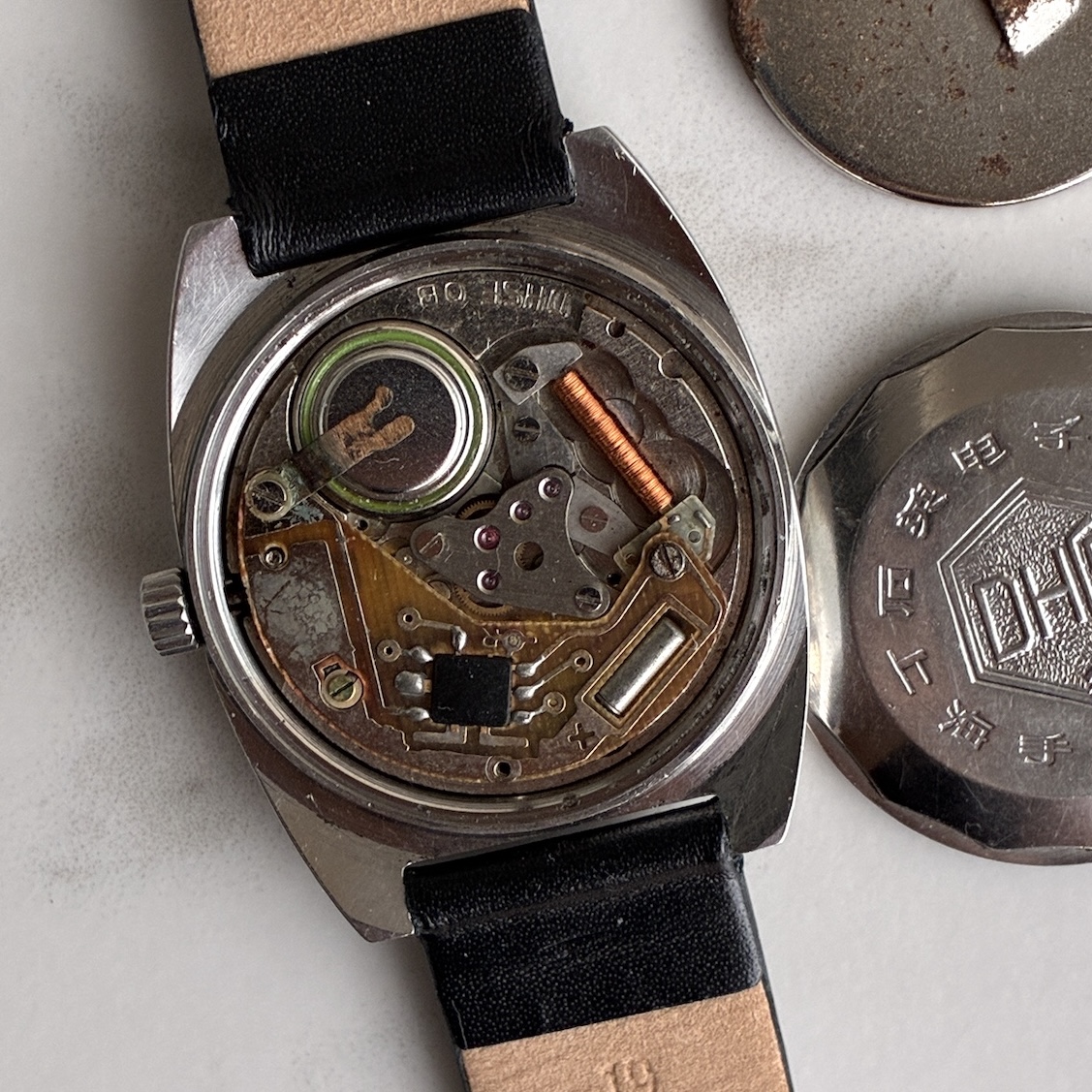
Quartz arrived in China in the late 1970s, with Tianjin launching the DST3 by the end of 1978 and Shanghai introducing the DSE and date-equipped DHSE calibres by the end of 1979 under the Baoshihua brand.
China never embraced quartz with the intensity seen in Japan.
The Tongji system was already affordable and supported by a nationwide service structure, and by the late 1980s cheap imported Japanese quartz movements further reduced the incentive to develop domestic quartz at scale.
Modern makers and the independent turn
China’s watch industry suffered a major contraction by the early 2000s.
The decline of the Tongji system, the impact of quartz, the use of imported movements in joint ventures and the 1997 Asian Financial Crisis all weakened traditional factories.
Some historic manufacturers disappeared, but the country’s broader production base recovered and regained a dominant global position by export volume.
Sea-Gull, the successor to the Tianjin Watch Factory, became the largest movement manufacturer by volume, controlling approximately 25 percent of global supply and producing up to five million movements a year.
Its modern catalogue stretches well beyond basic mechanical calibres.
The company has produced tourbillons and a rattrapante split-second chronograph, with the latter priced from USD 3,499.
Sea-Gull’s Heritage series tourbillons can be found around USD 2,000, and the ST8000 tourbillon calibre has been offered directly by the manufacturer for USD 389.
Hangzhou Watch Company has also become important in movement supply, producing low-cost mechanical calibres along with tourbillons and micro-rotors.
Its CAL5000a micro-rotor movement powers Baltic’s MR series, which starts at EUR 545.
Peacock Watch Company has pushed into more theatrical complications, including China’s first dual-tourbillon design with flying tourbillons at 5 and 7 o’clock.
Its Tai Chi Curved Guilloche features a triple-axis tourbillon described as the world’s smallest and lightest, paired with a dial made using traditional guilloché technique.
At the higher end, Sea-Gull has produced double-tourbillon watches using the hand-wound ST8080-2 calibre, as well as the ST9250G with perpetual calendar, moon phase, tourbillon and minute repeater.
The Three-Legged Golden Crow adds a tourbillon, minute repeater and dial automaton showing an animated bird unfolding its wings.
Beijing Watch Factory has its own tourbillon minute repeater, the MRB-1, and a double tourbillon.
The newer independent scene is smaller, but arguably more important for how Chinese watchmaking is perceived by collectors.
Fam Al Hut’s Mark I uses a bi-axis tourbillon, a long capsule-shaped case, retrograde hours and minutes, and an open-worked architecture, priced at USD 42,000.
Qin Gan, a second-generation Chinese watchmaker, has explored complications including a Quarter Strike prototype and a tourbillon with a dragonfly automaton.
His Pastorale I and Pastorale II moved beyond prototypes with hand-wound time-only movements based on the Longines 30L calibre and a strong emphasis on hand finishing, with production around 20 pieces.
Logan Kuan Rao represents an even more artisanal path.
A self-taught watchmaker, he presented the Orca in 2017 after eight years of development, delivering nine watches with a whale-shaped plate and Geneva-stripe “waves”.
He later developed an Equal-Push escapement derived from the co-axial concept and has also produced Wuwei with a traditional lever escapement, along with a single handmade double detent escapement piece.
The story of Chinese watchmaking is no longer just a story of scale.
Its foundations were industrial and pragmatic, but its future is being shaped by companies and watchmakers willing to test how far accessible mechanics, complicated watchmaking and hand craft can travel from their original centres of power.