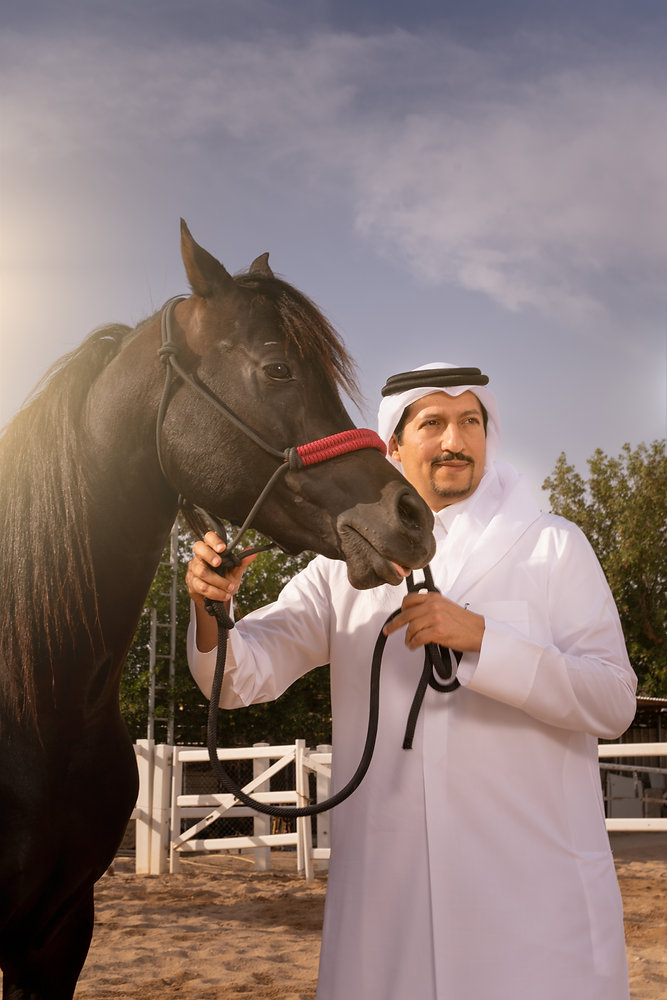
Under the leadership of Fuad Al Mudahka, Qatar Polo Club is developing into one of the country’s most intriguing new sporting institutions.
The club’s mission stretches beyond match days, with a national team, future facilities, talent development, and cultural hospitality all forming part of a wider ambition for Qatar’s place in the global polo landscape.
A leadership style learned through horses
For Al Mudahka, leadership is not measured by hierarchy, but by the ability to earn trust.
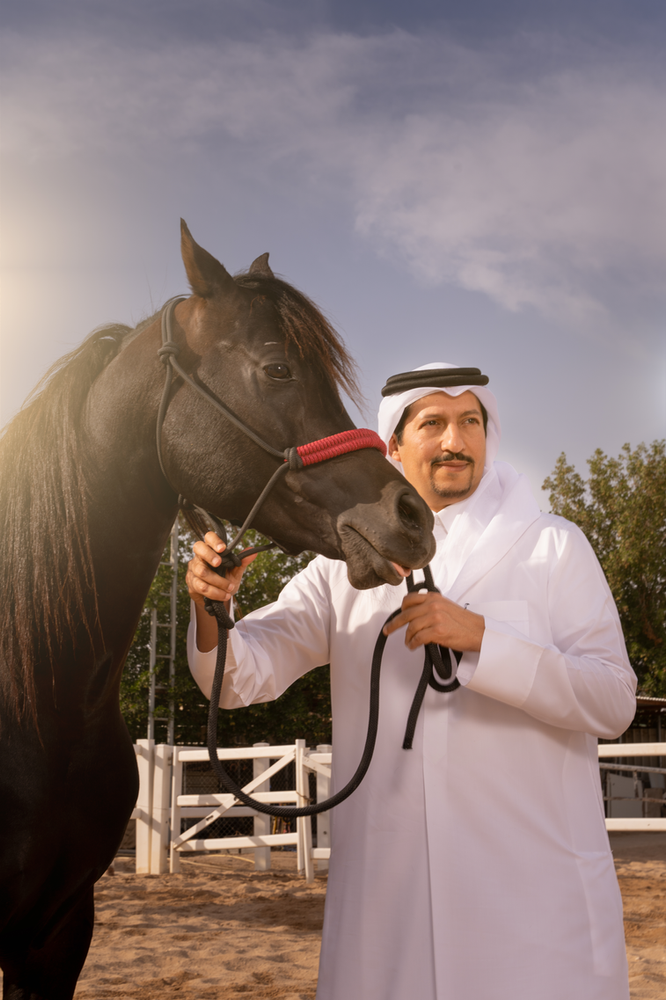
That conviction comes partly from his life around horses, where authority means little without calmness, consistency, and mutual respect.
He sees the dynamics of a herd as a useful lesson for any elite environment, since horses respond to confidence that’s steady rather than forced.
It’s a philosophy that suits polo, a sport where leadership has to include riders, horses, coaches, partners, and an entire operational system working in rhythm.
From swimming to horseback archery and polo
Al Mudahka’s route into equestrian sport was not immediate.
Before horses became central to his life, he competed as a professional swimmer, only discovering riding in his thirties.
What began with lessons soon grew into a deeper interest in the history, technique, and culture of horsemanship.
That curiosity led him into horseback archery, a discipline he helped promote across the Middle East and one that gave him a broader understanding of how equestrian traditions can evolve into modern sport.
His connection with horses remains personal as much as professional, built on the belief that the best partnerships are quiet, intuitive, and earned over time.
Building the first Qatari polo team
The establishment of Qatar Polo Club under an Amiri decree gave the project national significance from the beginning.
One of Al Mudahka’s defining tasks has been helping build the first Qatari polo team, an effort that required turning riders from other equestrian backgrounds into competitive polo players in a short period.
The team’s preparation for its debut at Polo Al Marsa became an early milestone, especially given the limited time frame and the complexity of the sport.
Polo demands far more than riding ability, with tactical awareness, physical strength, timing, and trust between horse and rider all tested at speed.
That blend of precision and pressure is why the sport’s royal reputation still carries weight, but Al Mudahka appears more interested in its discipline than its prestige.
A club growing without shortcuts
The early years have not been simple.
Qatar Polo Club has had to work around the absence of dedicated facilities and a limited pool of horses, relying at times on rental horses and external training camps to keep development moving.
Rather than slowing the project, those constraints have shaped a more resilient culture inside the club.
International expertise has also played a role, with United Polo Consulting supporting technical and strategic planning as the club builds its internal capabilities.
Polo Al Marsa has quickly become an important public expression of that progress, giving the sport a visible platform in Qatar and connecting competition with lifestyle and hospitality.
The next chapter for Qatar Polo Club
The club’s future depends heavily on the completion of a dedicated polo facility, which would give Qatar Polo Club the foundation it needs for sustained growth.
From there, the vision includes a local league, structured tournaments, a dedicated polo academy, and broader talent identification programs.
Al Mudahka also wants the club to support a more inclusive polo community, including greater opportunities for female players.
The international ambition is clear, with Qatar looking beyond the Middle East toward a stronger presence across Asia, while keeping the club rooted in Qatari heritage.
If the plan comes together, Qatar Polo Club won’t just be a team or a venue, but a destination where sport, culture, and horsemanship meet with purpose.