The new luxury villa guest is asking different questions.
The pool, the view and the number of bedrooms still matter, but they’re no longer the whole story. Across the Mediterranean, travellers are paying closer attention to how a villa uses energy, manages water, handles waste and connects with the place around it.
That shift is changing what a truly desirable villa looks like, especially in destinations where natural beauty is the main attraction.
At a glance
- Eco-friendly luxury villas are becoming a stronger booking priority across Mediterranean destinations.
- Solar power, water-saving systems, local food, refillable amenities and eco-certification are now meaningful markers of a better-run property.
- Ibiza, Mallorca, Mykonos and Kalkan show how conservation and high-end villa travel can sit comfortably together.
The Mediterranean’s greener side is now part of the appeal
For years, some of the Mediterranean’s best-known holiday spots were defined by beach clubs, yachts and long lunches.
Those pleasures haven’t disappeared, but they now sit alongside a quieter interest in protected landscapes, marine ecosystems and agricultural traditions.
Ibiza is a useful example because its reputation has always been louder than its reality.
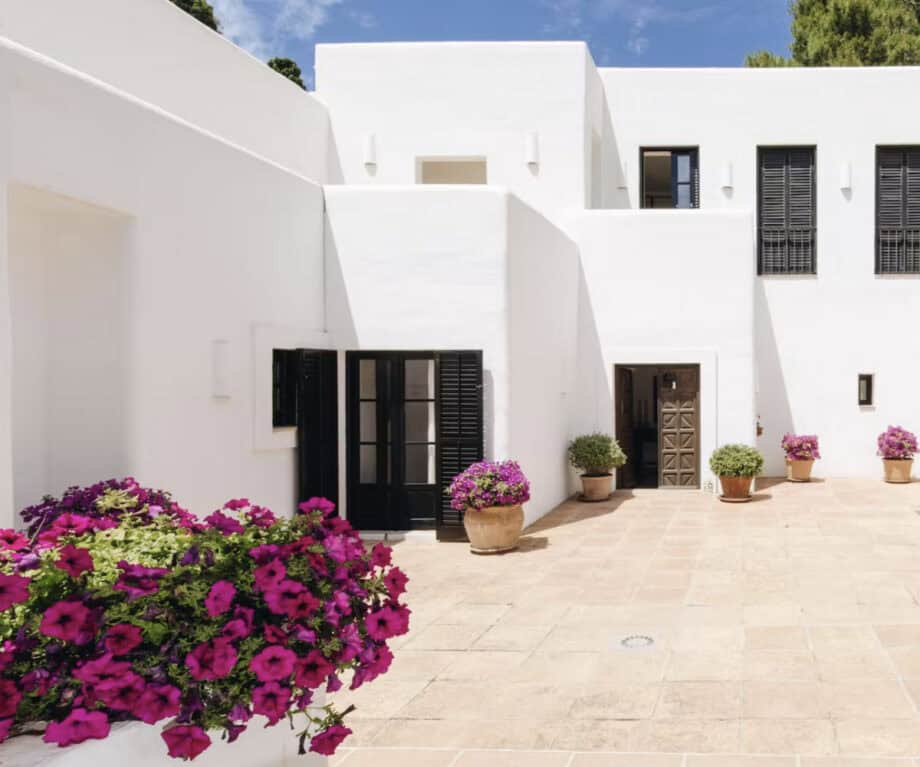
Beyond the nightlife, the waters between Ibiza and Formentera are home to vast meadows of Posidonia seagrass, a UNESCO-recognised marine habitat that helps keep the sea clear and supports rich underwater life.
Responsible boating matters here, because anchoring on those seagrass beds can cause lasting damage.
In the island’s north, around San Juan, organic smallholdings and working farms have given chefs a natural pantry that feels far removed from the usual image of Ibiza excess.
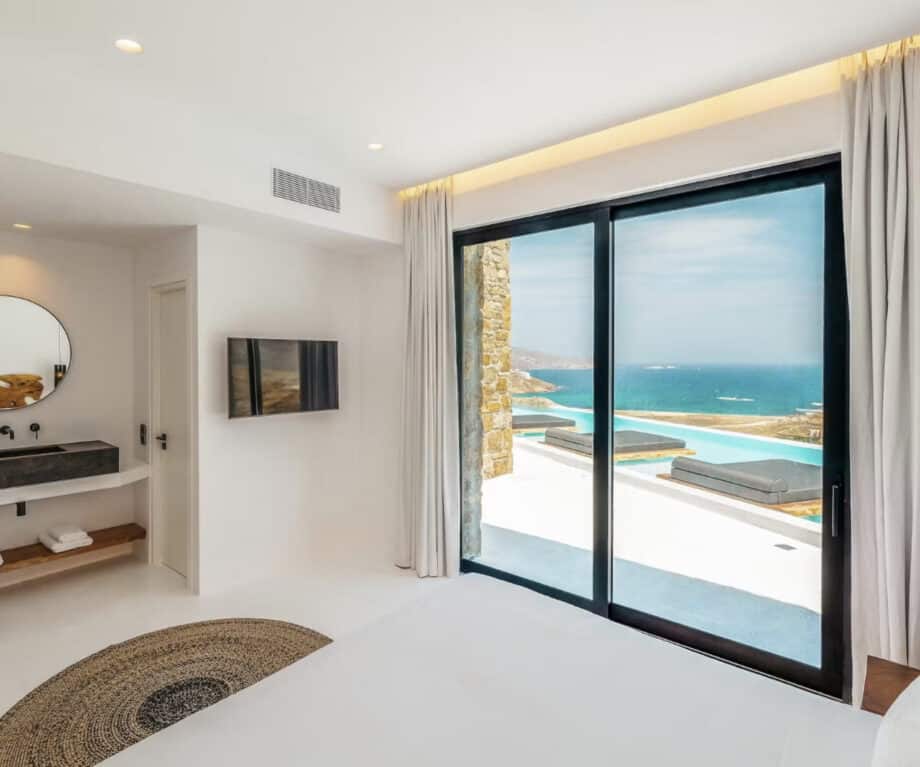
Mallorca offers a different but equally persuasive model.
The island’s agroturismo culture showed early on that historic fincas could be preserved by giving them a new role as places to stay.
In the Serra de Tramuntana, another UNESCO-listed landscape, centuries-old terraces, dry-stone walls and working olive groves make the link between hospitality and conservation feel immediate.
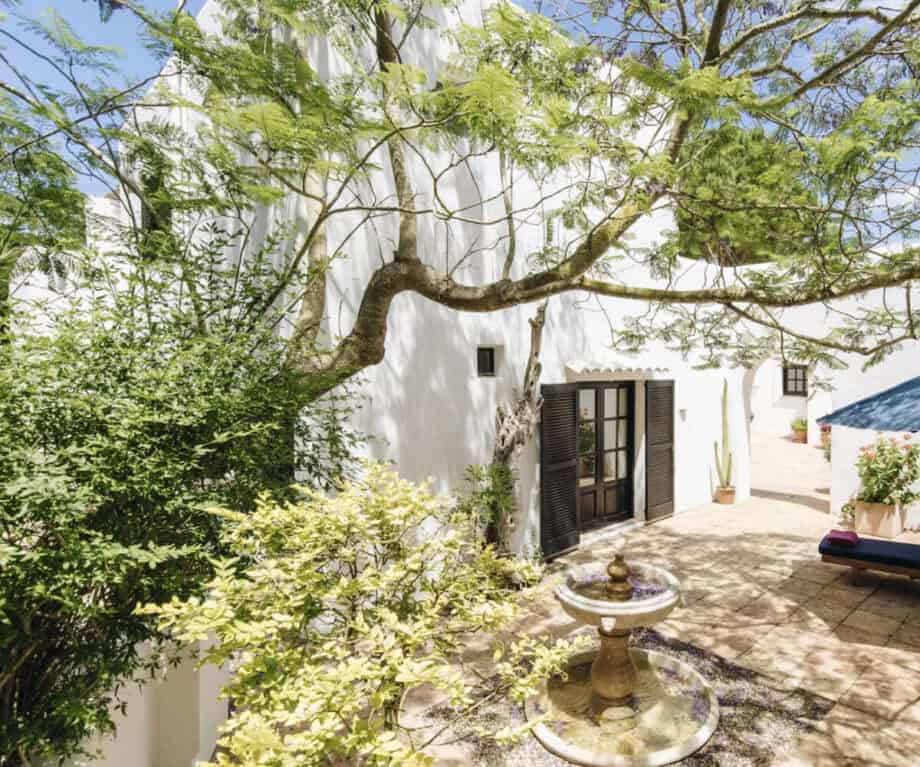
Here, local oil, wine and produce aren’t a decorative flourish on a menu. They’re part of the island’s everyday identity.
Water, architecture and food are shaping better villas
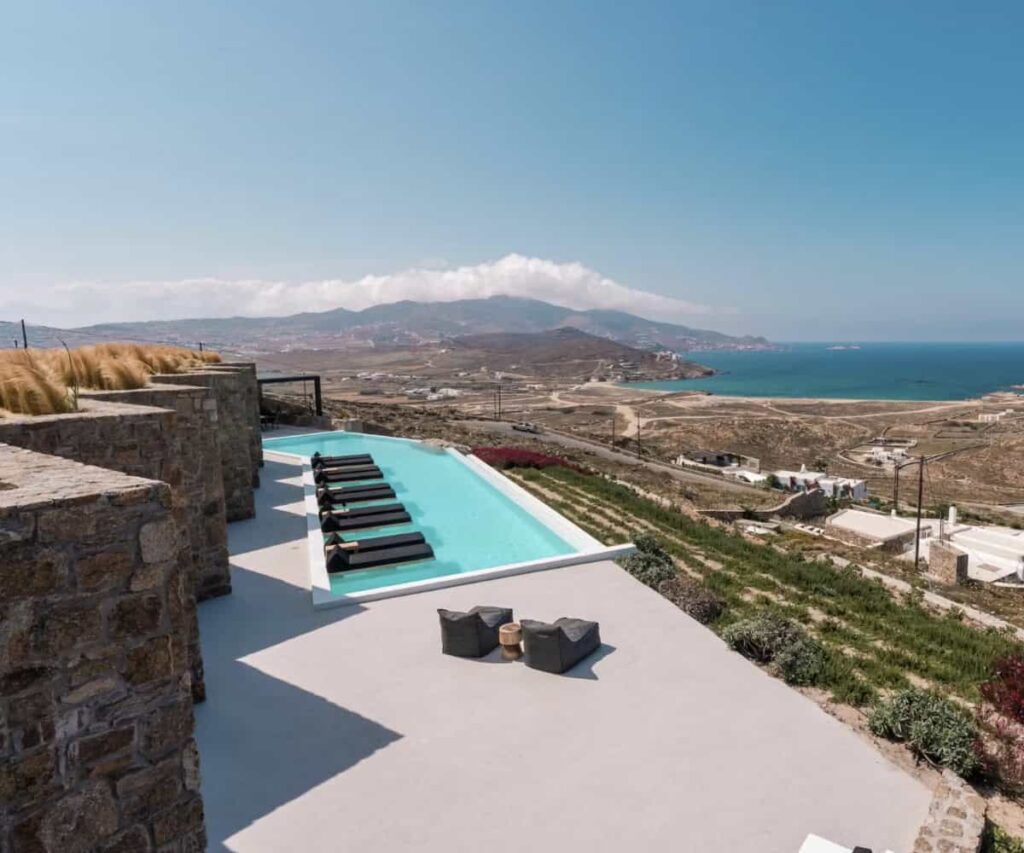
Mykonos brings the conversation back to practical reality.
The island’s glamour is obvious, but its freshwater scarcity is a defining fact of life in the Cyclades.
Much of the water used on the island must be desalinated, which makes careful water management one of the most important measures a villa can take.
Low-flow fittings, sensible pool operation and drought-tolerant planting aren’t minor details in this context. They’re part of what separates a well-managed property from one that simply looks good in photographs.
The island’s traditional architecture also has something to teach modern villa design.
Thick whitewashed walls and compact forms helped keep Cycladic houses cool long before air conditioning became standard, and contemporary villas that respect those principles often feel more rooted than properties designed without regard for climate.
The same thinking applies to the table.
Cycladic cheeses, sun-grown tomatoes and seasonal produce give guests a stronger sense of place than ingredients flown in for the sake of convenience.
Kalkan, on Turkey’s Turquoise Coast, has a gentler profile, but its conservation story is especially clear.
Nearby Patara is an 18-kilometre sweep of protected sand where loggerhead turtles nest, and the beach closes at night during nesting season to reduce disturbance.
That protection is one reason Patara still feels wild rather than overdeveloped.
Kalkan itself has largely retained its hillside character, with white and stone houses rising above the harbour rather than spreading carelessly along the coast.
What eco-conscious villa living looks like in practice
The most effective changes are often the least theatrical.
Solar panels can carry a meaningful share of a villa’s energy needs in sun-rich Mediterranean destinations, while heat pumps can make pool heating more efficient and extend the swimming season without the same energy burden.
Water is just as important.
A pool cover, low-flow taps and showers, and gardens planted with native, drought-resistant species can make a real difference, especially on islands where summer demand is intense.
Imported lawns may photograph neatly, but they rarely make sense in hot, dry coastal settings.
Inside the villa, guests increasingly notice the small signals.
Refillable bathroom bottles feel more considered than rows of disposable miniatures, and proper recycling systems suggest that environmental claims are being matched by daily habits.
A private chef who shops at the local market can make a stay feel more connected to the destination while reducing unnecessary transport.
Electric vehicle charging is also moving from novelty to expectation, particularly for guests who already drive electric cars at home.
Recognised eco-certification has become another useful marker, because it gives travellers a way to distinguish serious effort from vague language.
The best properties don’t ask guests to give up comfort. They make lower-impact living feel seamless.
Why owners are treating sustainability as a business decision
For villa owners, the greener path is no longer just about personal values.
It can lower operating costs, broaden a property’s appeal and encourage repeat stays from travellers who are increasingly selective about where they spend.
Specialist villa companies working in Ibiza, Mallorca, Mykonos and Kalkan are seeing more questions at the booking stage about solar power, food provenance, water use and environmental credentials.
That matters because the high-end traveller has the option to choose, and a villa with no visible commitment can look out of step.
The strongest operators are also making the wider holiday easier to align with these preferences.
That might mean arranging a chef who cooks around the season, suggesting walks in the Tramuntana, planning a respectful visit near turtle habitat, or booking a boat experience that avoids sensitive marine areas.
The point isn’t to turn a villa holiday into a lesson.
It’s to preserve the privacy, ease and beauty that guests want while reducing the wastefulness that increasingly feels outdated.
Luxury and environmental care used to be framed as opposing ideas, but the best Mediterranean villas are proving otherwise. The most desirable stays now understand that protecting the landscape is part of protecting the experience itself.