The IWC Ingenieur has always carried more weight than its name suggests.
It began in 1955 as a practical antimagnetic watch for scientists and engineers, then became something far more visually radical when Gérald Genta reshaped it in the 1970s.
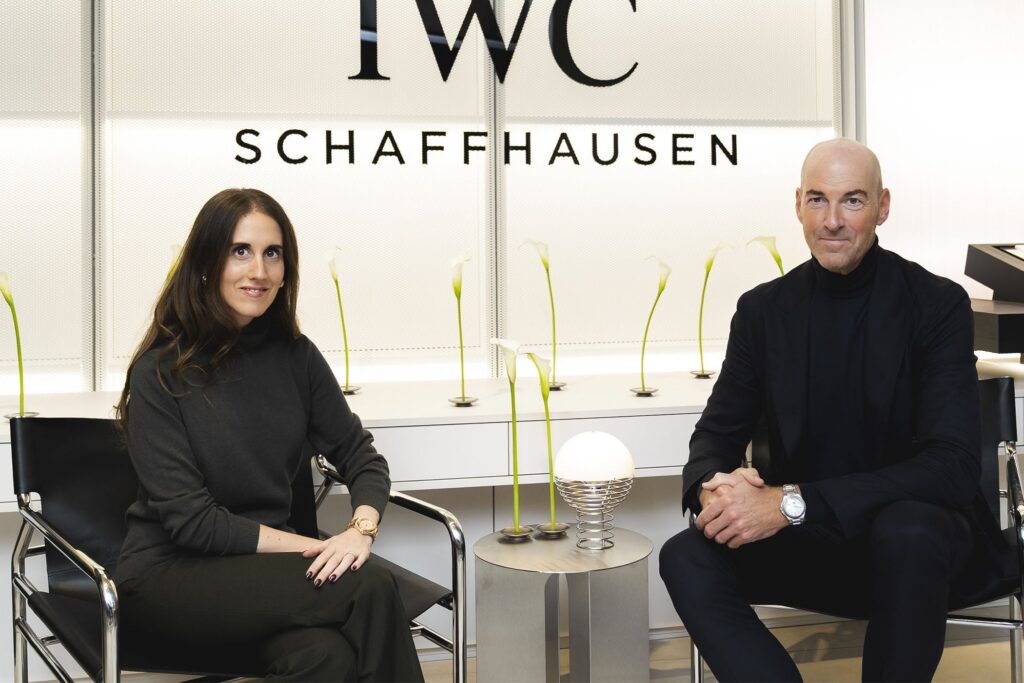
At a recent gathering in Amsterdam, IWC Schaffhausen Chief Design Officer Christian Knoop and Alexia Genta, daughter of the late designer, discussed how that transformation happened and what it means to bring the Ingenieur back without turning it into a museum piece.
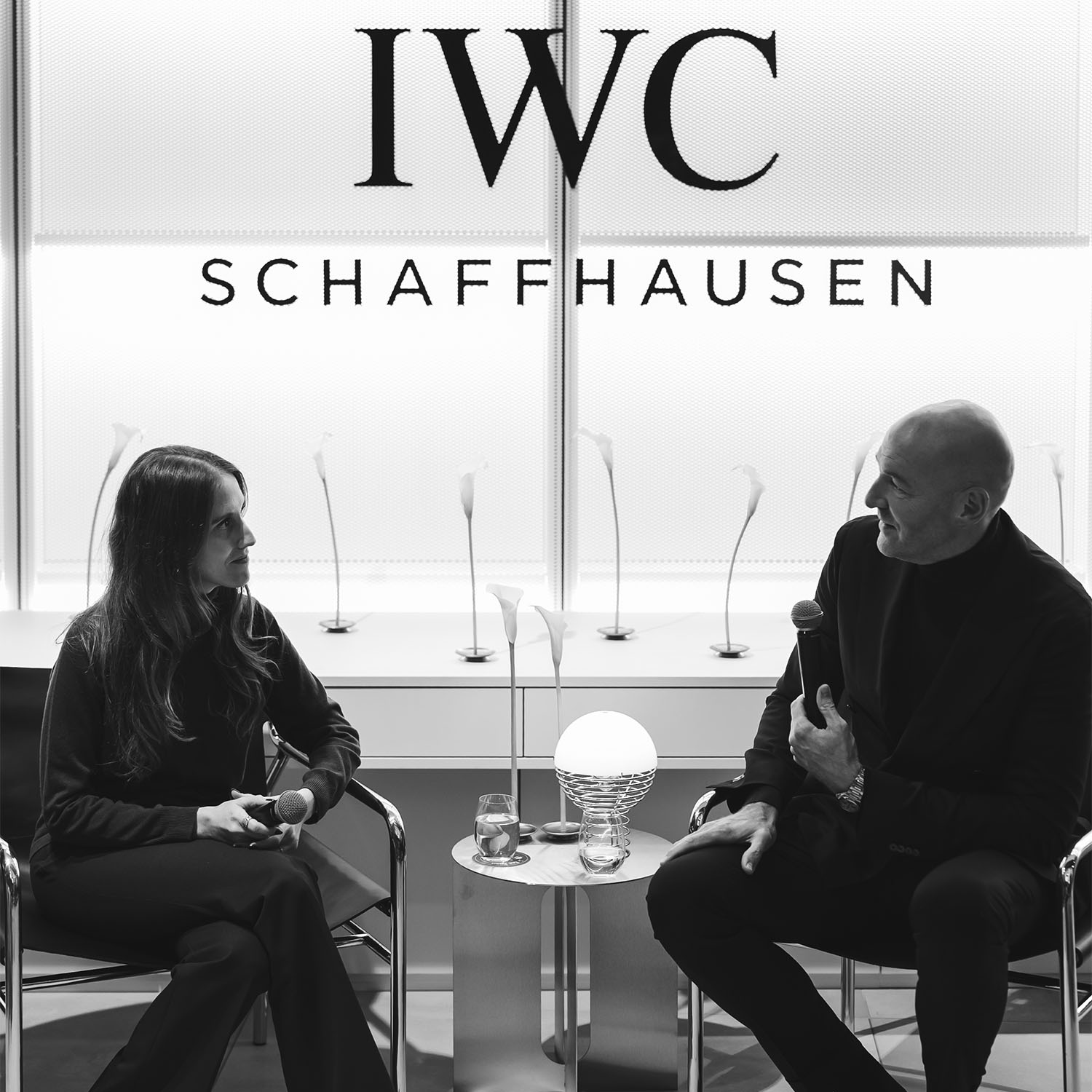
At a glance
- IWC’s modern Ingenieur revival draws directly from Gérald Genta’s 1976 Ingenieur SL design language.
- The 2023 interpretation keeps the watch as a focused three-hand automatic while refining proportions, case attachments, bezel geometry, crown protection and the grid dial.
- Christian Knoop and Alexia Genta framed the relaunch as an evolution of Genta’s work rather than a static remake.
From instrument watch to designed object
The Ingenieur entered IWC’s catalogue in 1955 with a purpose rooted in engineering rather than image.
Knoop described the original as IWC’s first civilian watch to carry technical thinking inherited from military instrument watches such as the Mark XI, including a soft-iron inner case for antimagnetic protection and Albert Pellaton’s pawl-winding system.
That early Ingenieur reflected a postwar fascination with technical progress, but the 1970s demanded a different kind of answer.
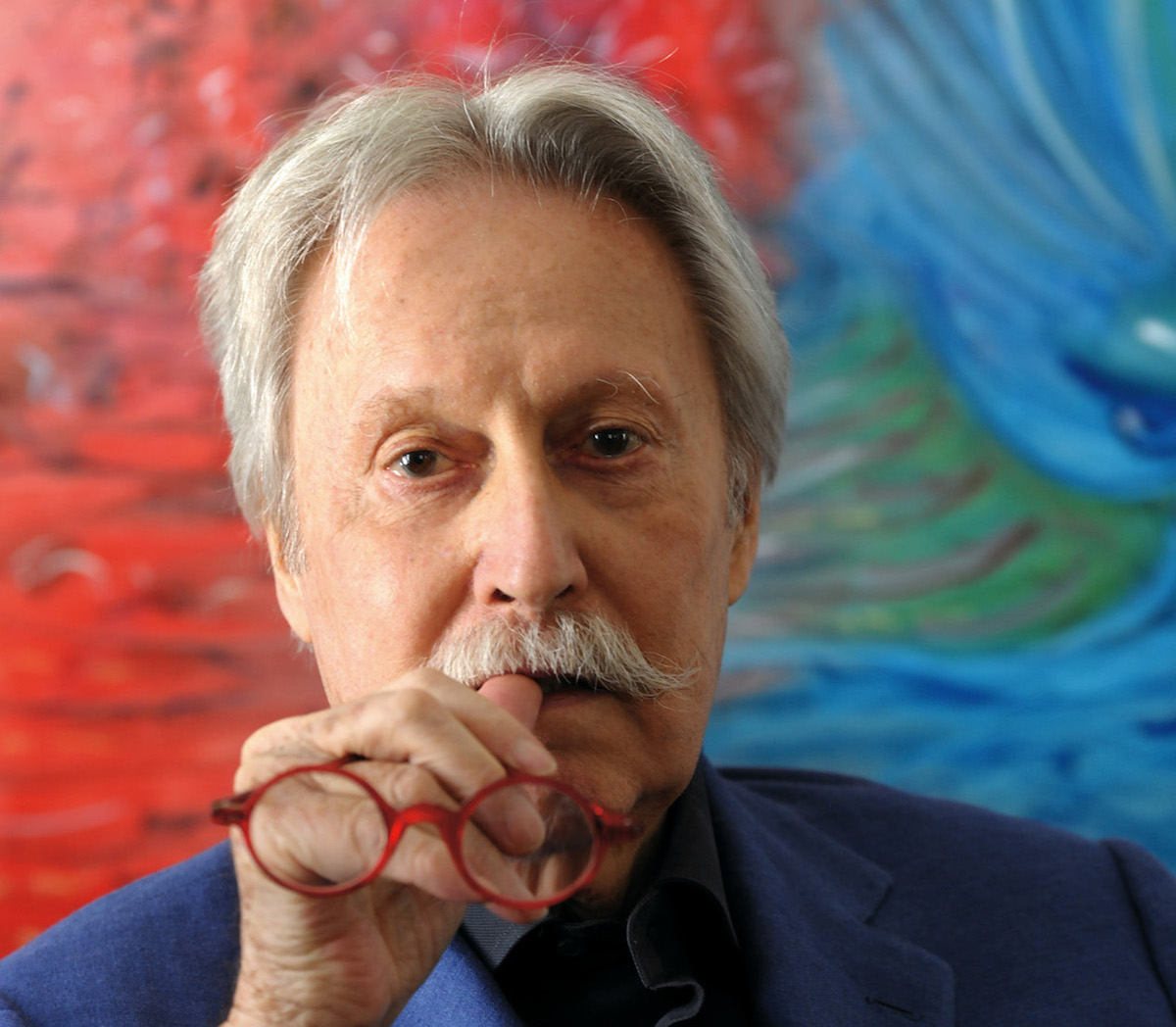
As the quartz crisis pressured the Swiss industry, IWC leadership, including Günter Blümlein and Hanno Burtscher, looked to Gérald Genta to give the line a new identity.
The result was the Ingenieur SL reference 1832, often known as the Jumbo, with an integrated bracelet, sculptural steel case and five-screw bezel.
Alexia Genta said her father admired IWC as a serious manufacturer and enjoyed the Ingenieur project because he could follow prototype production closely.
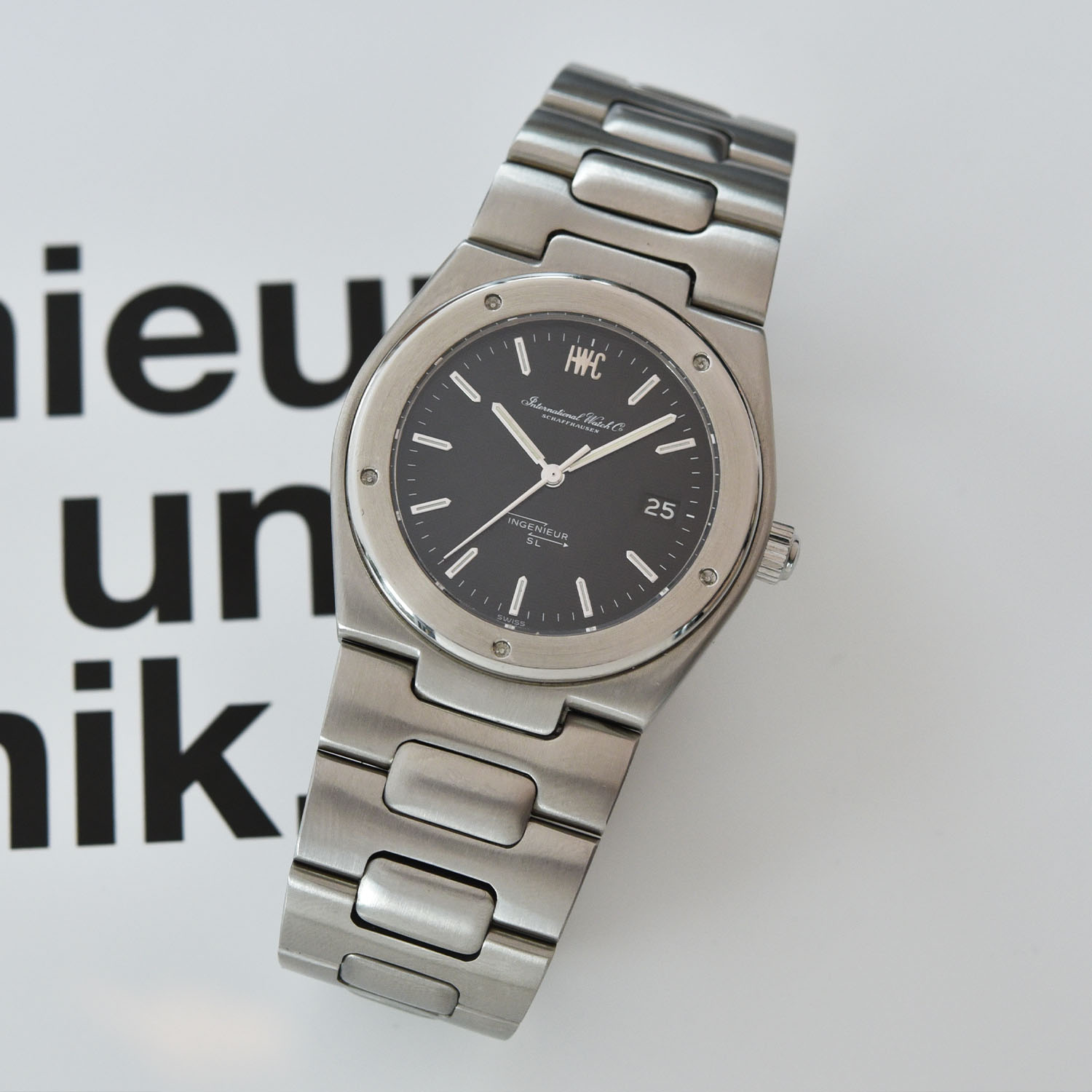
She also framed his approach as that of an artist rather than a conventional watchmaker, noting that IWC gave him the freedom to pursue balance, proportion and emotion within an engineered product.
Genta’s instinctive method
Part of the Ingenieur’s endurance comes from the way Genta treated the watch as a complete object.
Alexia Genta said he saw the case and integrated bracelet as one sculptural form, not as separate elements assembled around a dial.
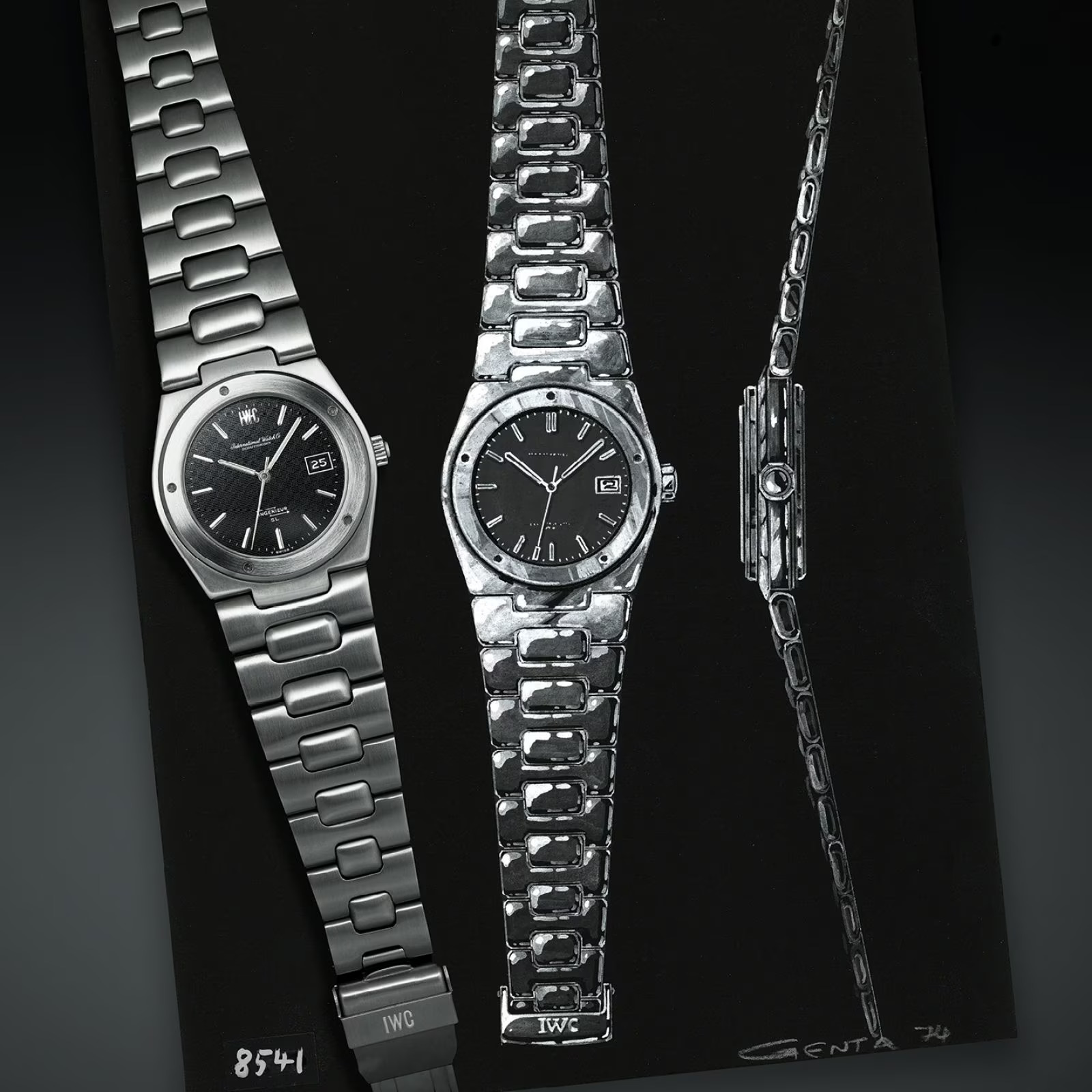
Knoop connected that quality to the role of design itself, describing it as the emotional and human counterpoint to engineering logic.
Genta’s working process was unusually direct.
Knoop recalled seeing archives of his gouache renderings on coloured paper, a medium that left little room for correction or hesitation.

Alexia Genta described a morning ritual in which her father would sit with blue paper and gouache, draw two perpendicular lines, then work without pencil sketches or prior research.
She said the design would often be complete within a couple of hours before he moved on.
Her mother has estimated that Genta produced around 100,000 designs over a career that began when he was 23, with four to ten watch concepts often created each morning before he turned to painting in the afternoon.

That range extended well beyond wristwatches, from sports watches and jewellery to perfume bottles and cutlery.
Alexia Genta described him as the Picasso of watchmaking, a phrase that fits not because of celebrity alone, but because his output helped define the idea of the watch designer as a creative author.
Reworking the Ingenieur for 2023
The difficulty with relaunching the Ingenieur was not whether Genta’s design still had power.

It was how much to change.
Knoop said IWC studied the 1976 original closely before refining the proportions, reworking the case attachments, adjusting the bezel geometry, adding crown protection and introducing the grid dial pattern.
The goal was not to overload the watch with visible technical drama.

Knoop identified one of the central decisions as keeping the 2023 Ingenieur a pure three-hand automatic, rather than adding complications or clutter around a silhouette already carrying considerable design history.
Before the public debut, Knoop presented the final prototype to Gérald Genta’s widow.
He said he was nervous, knowing how protective the family is of the designer’s legacy, but her response was positive because the watch continued to evolve rather than simply repeat the past.
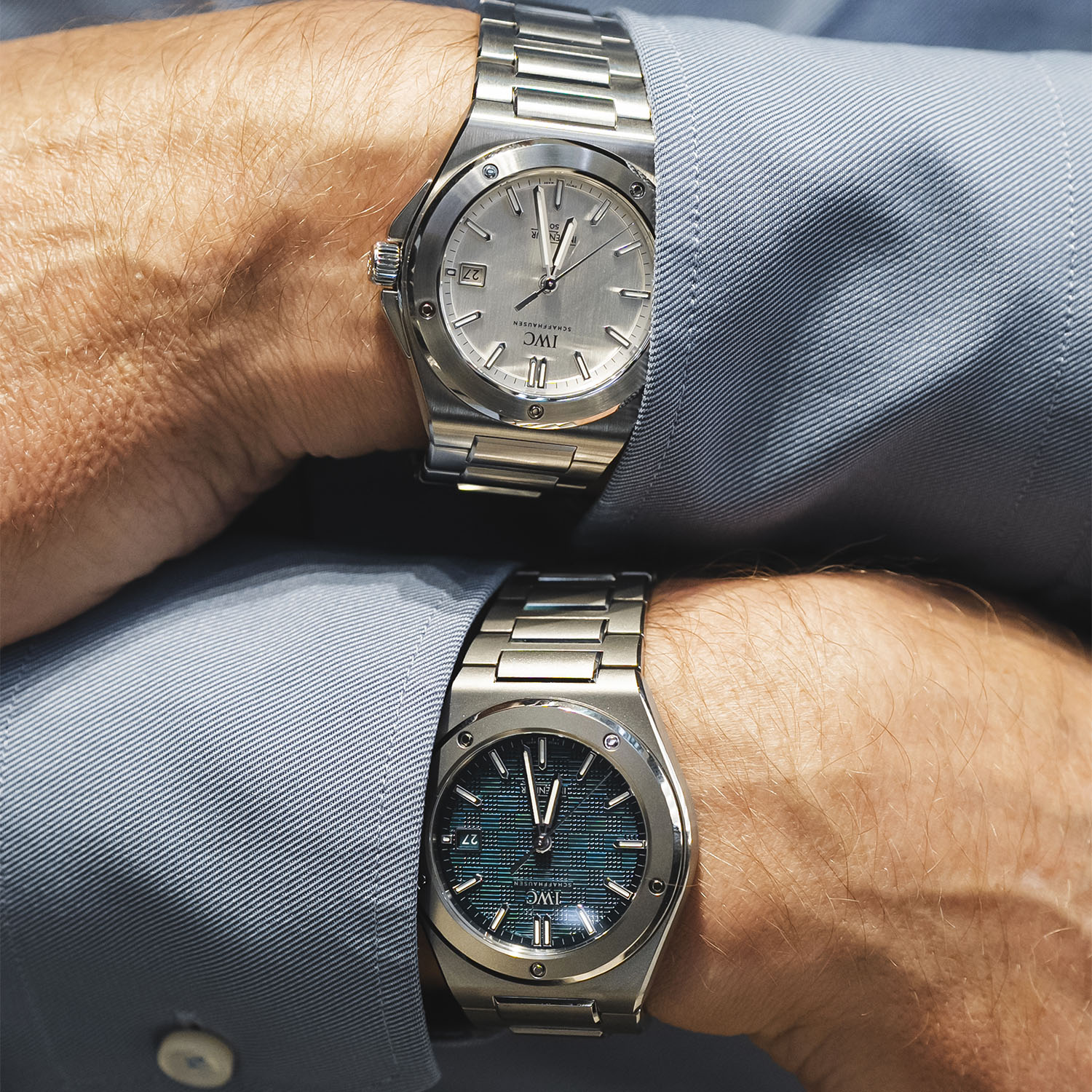
Alexia Genta agreed with that reading of her father’s work.
She said he would not have wanted to reproduce the 1970s design unchanged, because his instinct was always to move forward and make new prototypes.
A design that needed time
The Ingenieur SL’s place in watch culture looks clearer now than it did at launch.
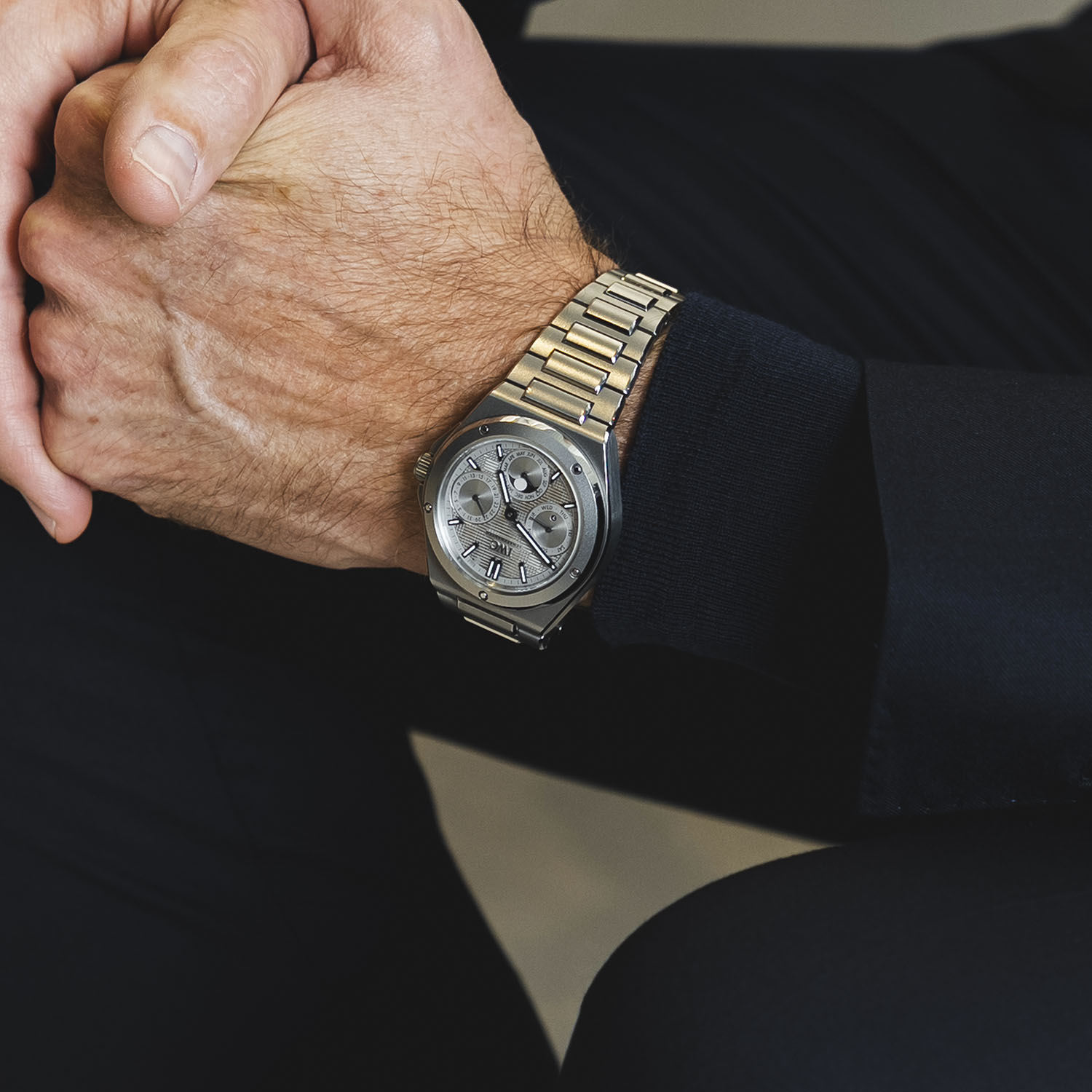
Knoop characterised the 1970s model as a “brilliant failure” commercially, arguing that the market was not ready for it at the time.
That context matters because the modern appetite for integrated-bracelet steel sports watches can make the original Ingenieur seem inevitable in hindsight.
It wasn’t.
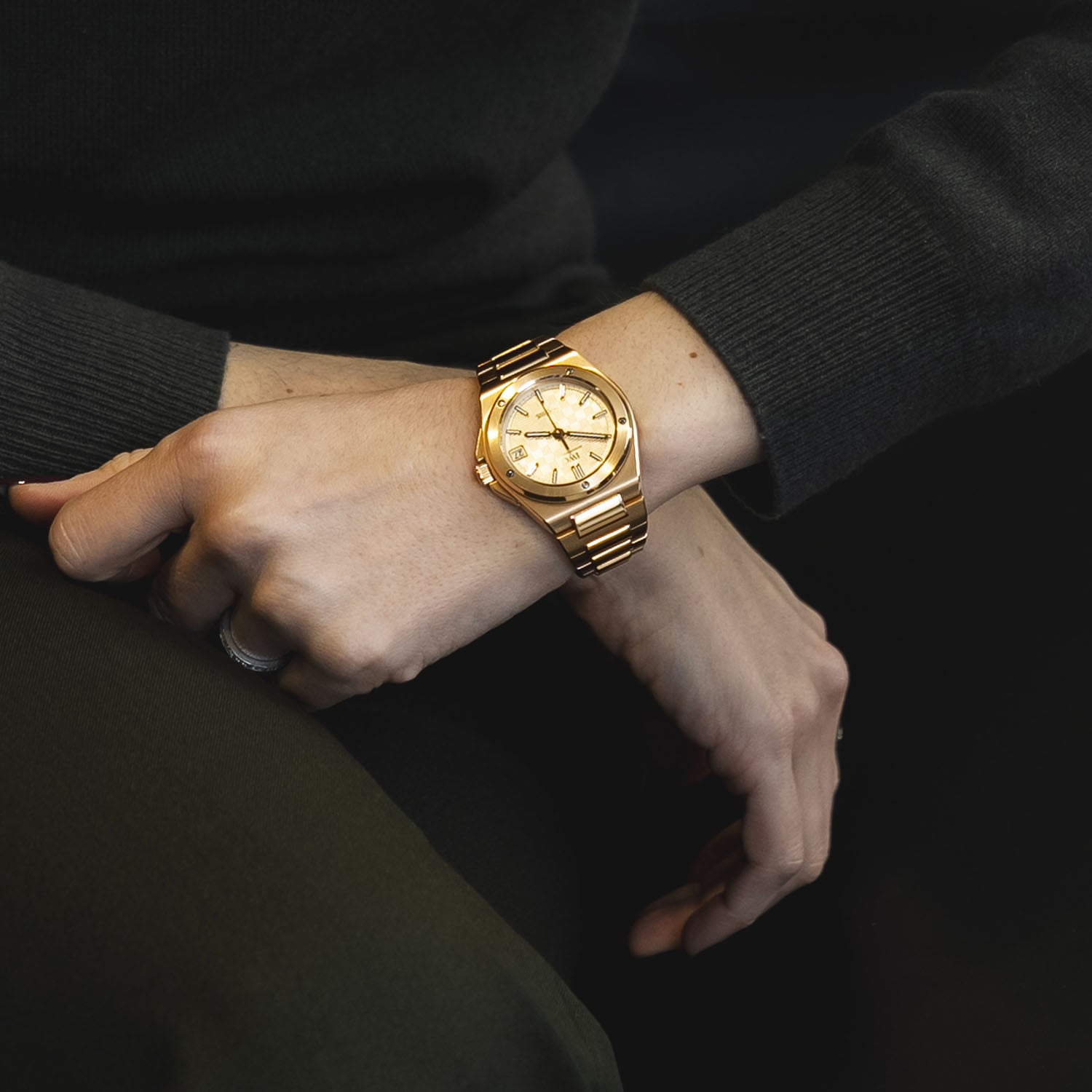
Genta’s design sat at the edge of industrial watchmaking and sculpture, and its confidence came from that tension.
For IWC, the current Ingenieur is also a statement of restraint, positioning a clean three-hand automatic as a watch with enough identity to stand alongside the brand’s better-known families.
Details & Specifications
| Brand | IWC Schaffhausen |
|---|---|
| Collection | Ingenieur |
| Original debut | 1955 |
| Original purpose | Civilian antimagnetic watch for scientists and engineers |
| Historical technical features | Soft-iron inner case and Albert Pellaton’s pawl-winding system |
| Key 1970s designer | Gérald Genta |
| Notable 1976 model | Ingenieur SL reference 1832 |
| Signature design traits | Integrated bracelet and five-screw bezel |
| 2023 interpretation | Three-hand automatic with refined proportions, revised case attachments, adjusted bezel geometry, crown protection and grid dial pattern |
The appeal of the reborn Ingenieur lies in that measured confidence.
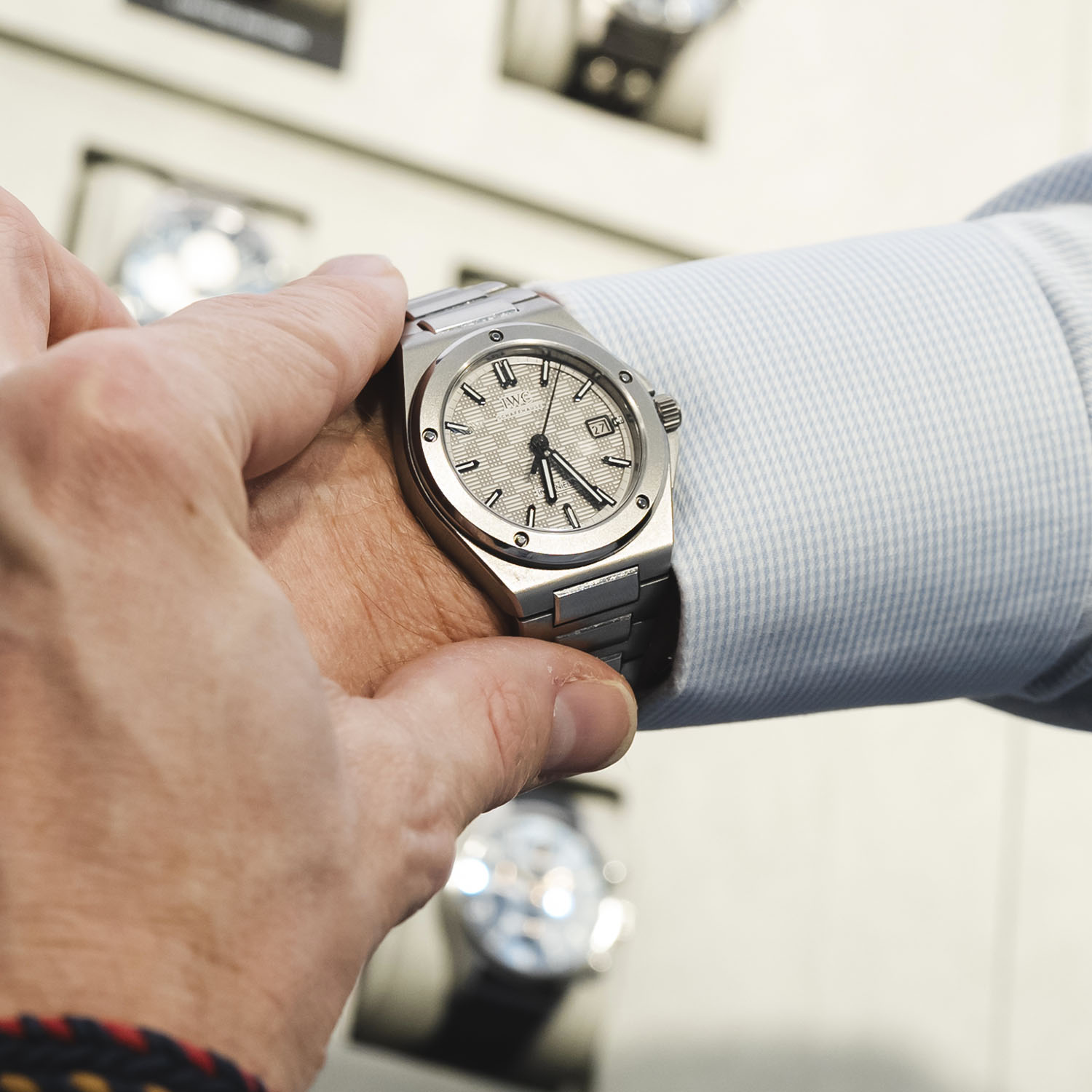
It doesn’t treat Genta’s work as a relic, and it doesn’t try to outshout it either.
For collectors drawn to design history, integrated-bracelet architecture and IWC’s more technical side, that balance is precisely the point.