Bugatti isn’t chasing the autonomous-car race, and that’s not an accident.
Sascha Doering, who oversees Bugatti’s operations in the Americas, says the brand has no plans to build a self-driving car anytime in the next 20 years. For a marque built around theatrical engines, personal specification and the ritual of driving, autonomy is being treated less like an inevitability and more like a mismatch.
At a glance
- Bugatti’s Americas chief says the brand has no plans for a self-driving car in the next 20 years.
- The company sees its cars as emotional products centred on high-revving engines and the act of driving.
- Tourbillon deliveries are expected to begin globally in Q2 2027, with US deliveries following a few months later.
A driver-first position in an autonomous age
Bugatti’s stance lands at a moment when advanced driver-assistance systems and autonomy remain major talking points across the car industry.
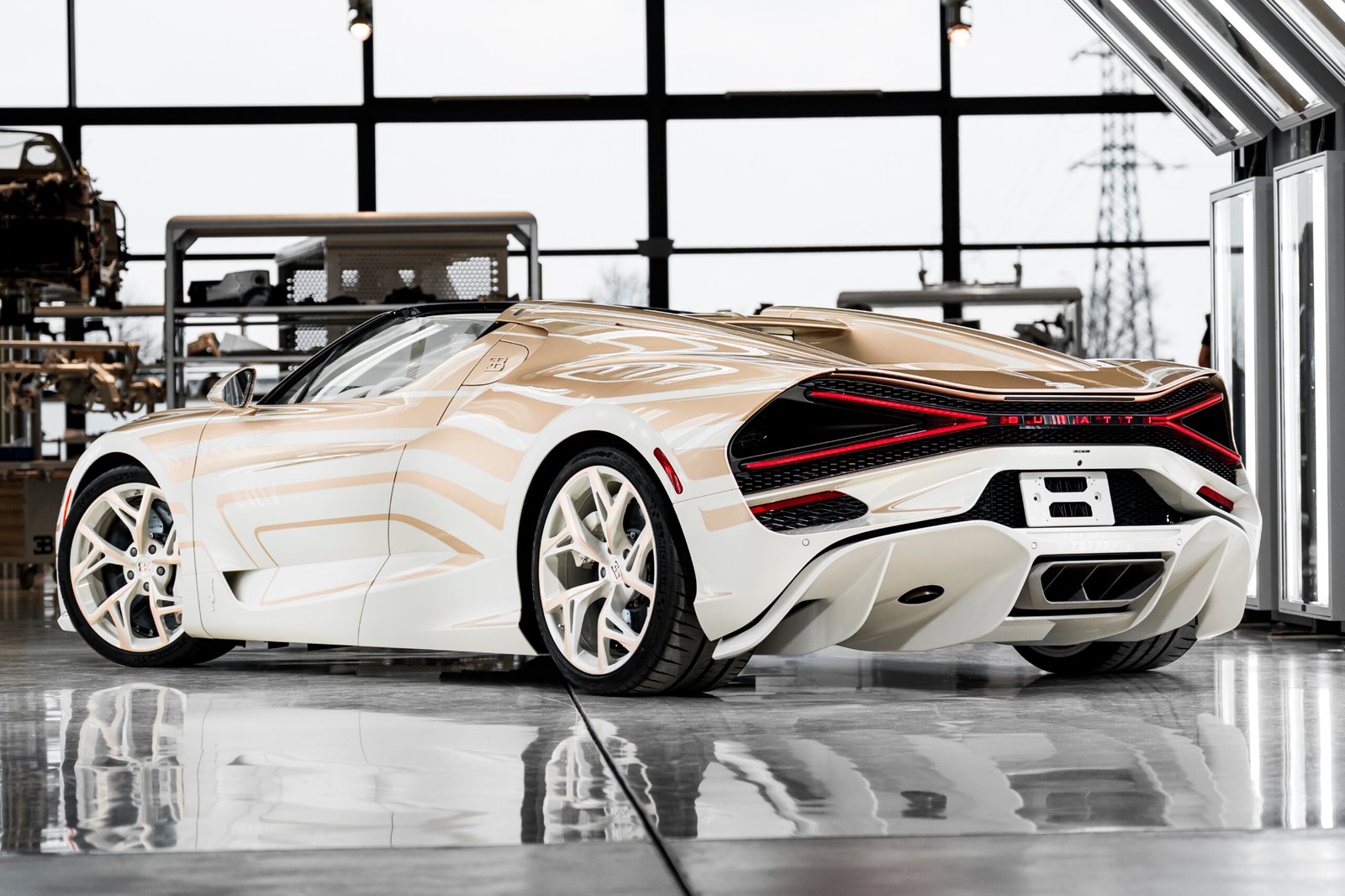
Doering’s view is that the technology has little place in a Bugatti, where the appeal is tied to sensation, control and the mechanical drama of the car itself.
That position feels particularly clear because Bugatti is not a volume luxury manufacturer trying to cover every possible use case.
Its customers are buying something far more specific than transport, and the brand’s argument is that removing the driver from the centre of the experience would weaken the point of the car.
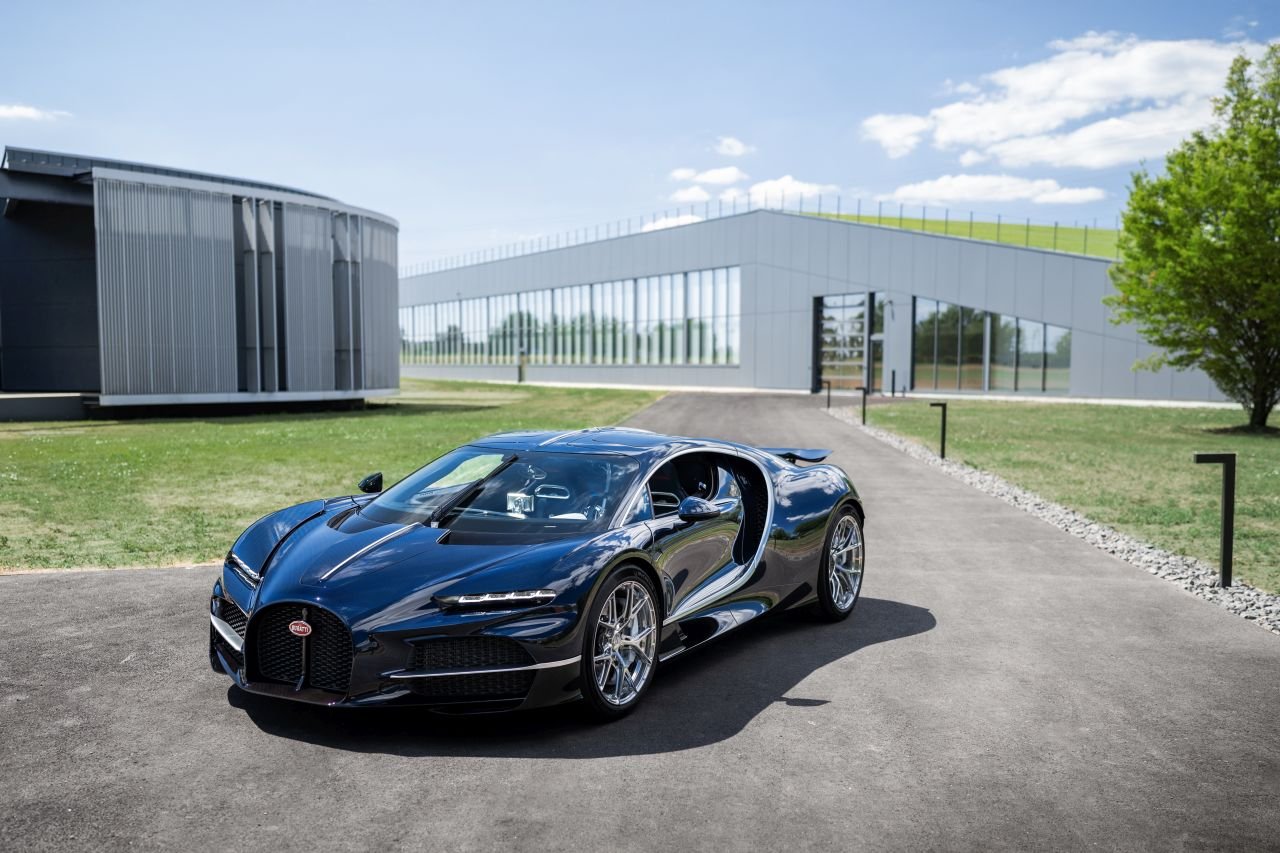
The Bugatti ownership process matters
Doering also frames the connection to Bugatti as something that starts long before delivery.
Many customers own more than one Bugatti, and the buying process typically involves working closely with the brand’s designers to specify the car.
That makes the relationship more involved than a standard purchase, particularly when buyers may wait around four years before taking delivery.
In that context, autonomy would be an awkward fit.
The car is not simply ordered, delivered and consumed as a technology product, but shaped over time as a personal object.
Tourbillon timing and the US market
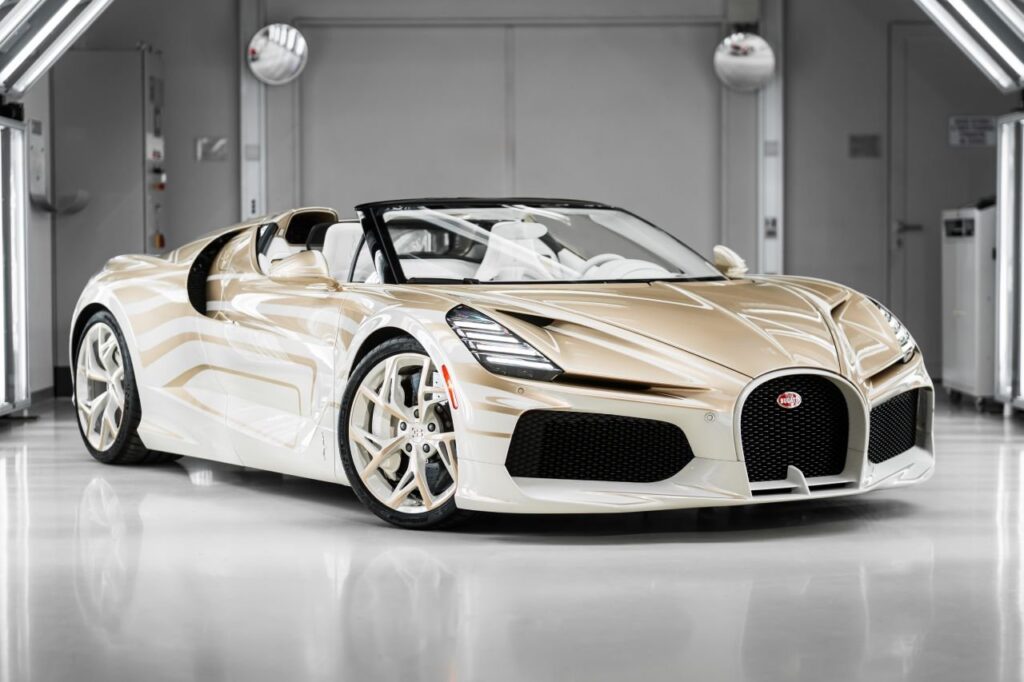
The next major chapter is the Bugatti Tourbillon, which is expected to reach global customers in the second quarter of 2027.
US deliveries are expected to follow a few months after the first global handovers.
Doering says US import tariffs did not result in a single order cancellation in 2025, an indication that demand among the brand’s American customers remained resilient despite added cost pressure.
Bugatti’s footprint in North America is also staying deliberately tight.
The brand currently has 12 dealers in the US, two in Canada and one in Mexico, with no plans to expand either its retail network or production capacity.
Exclusivity without chasing scale
That restraint is consistent with how Bugatti has positioned itself in the modern hypercar market.
Growth, at least in the conventional automotive sense, doesn’t appear to be the priority.
Instead, the brand is leaning into limited access, intensive personalisation and the idea that a Bugatti should remain a rare, highly deliberate choice.
The rejection of self-driving technology fits that philosophy neatly.
For buyers drawn to Bugatti’s intensity, the point is not to be chauffeured by software, but to participate in the car’s character.
Autonomy may reshape large parts of the automotive world over the next two decades, but Bugatti’s Americas chief is making a simpler case for the brand’s future. In a Bugatti, the person behind the wheel still matters.