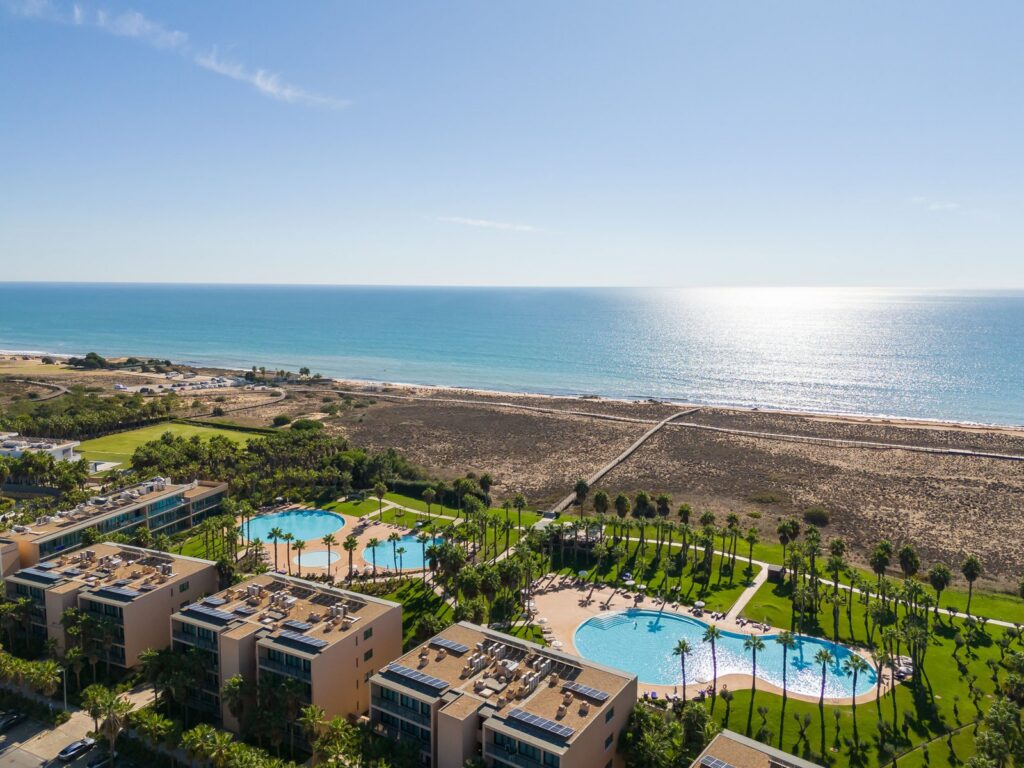
The branded residence market is no longer defined mainly by prime city towers and hotel-linked prestige.
Knight Frank’s latest Global Branded Residence Survey points to a sector that has tripled in size over the past decade and is now pushing decisively into resort, coastal, island and mountain settings.
That shift matters because it changes what buyers are paying for, with lifestyle, landscape and professional management becoming as central as the name above the door.
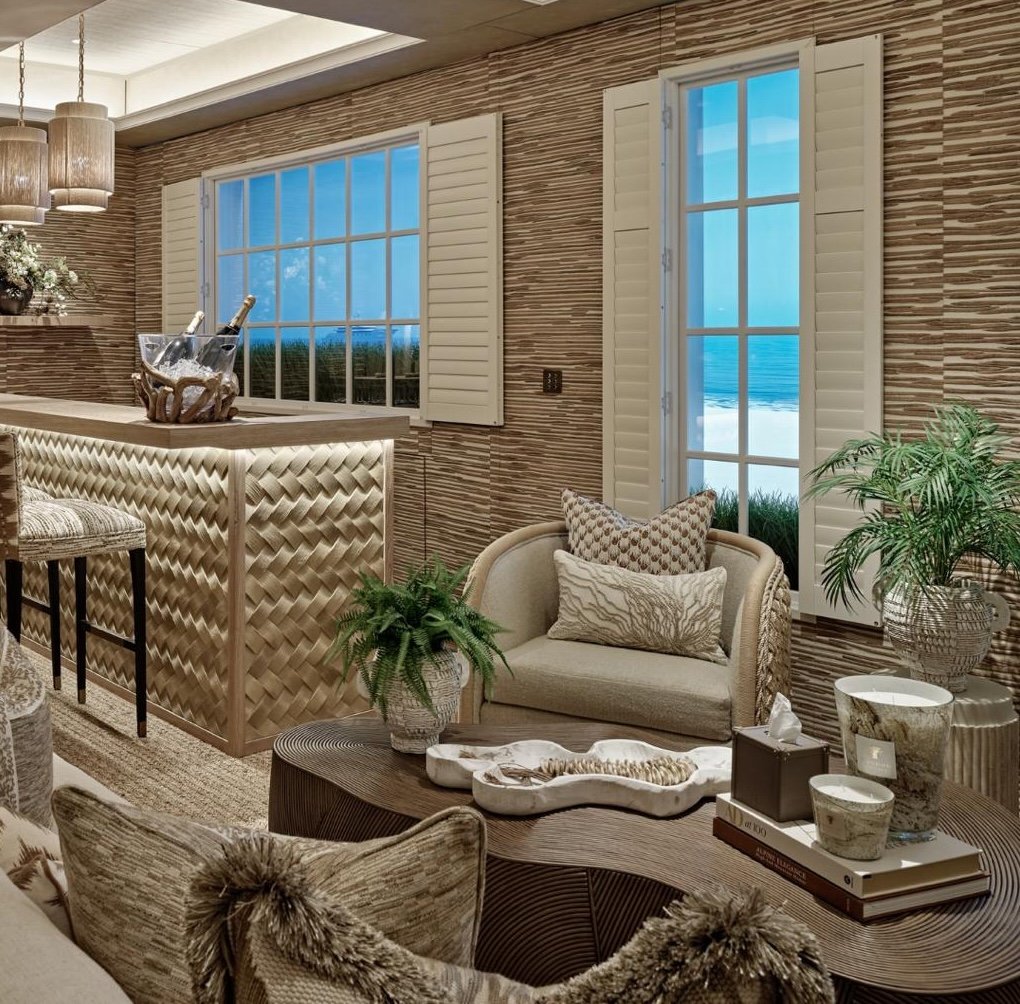
At a glance
- Knight Frank’s latest survey indicates the branded residences sector is set to pass 1,000 developments this year.
- The market is shifting from city-led growth toward coastal, resort, island and mountain locations.
- Westin Salgados Beach Resort and Marriott Residences Algarve Salgados reflect the trend, with homes priced from €675,000 and €350,000 respectively.
The branded residence map is moving beyond the city
Knight Frank’s survey shows a market now spanning 90 countries, with further growth forecast over the next five years.
The firm projects the sector is on course for 1,800 schemes and more than 300,000 units in that period.
The more revealing change is geographical.
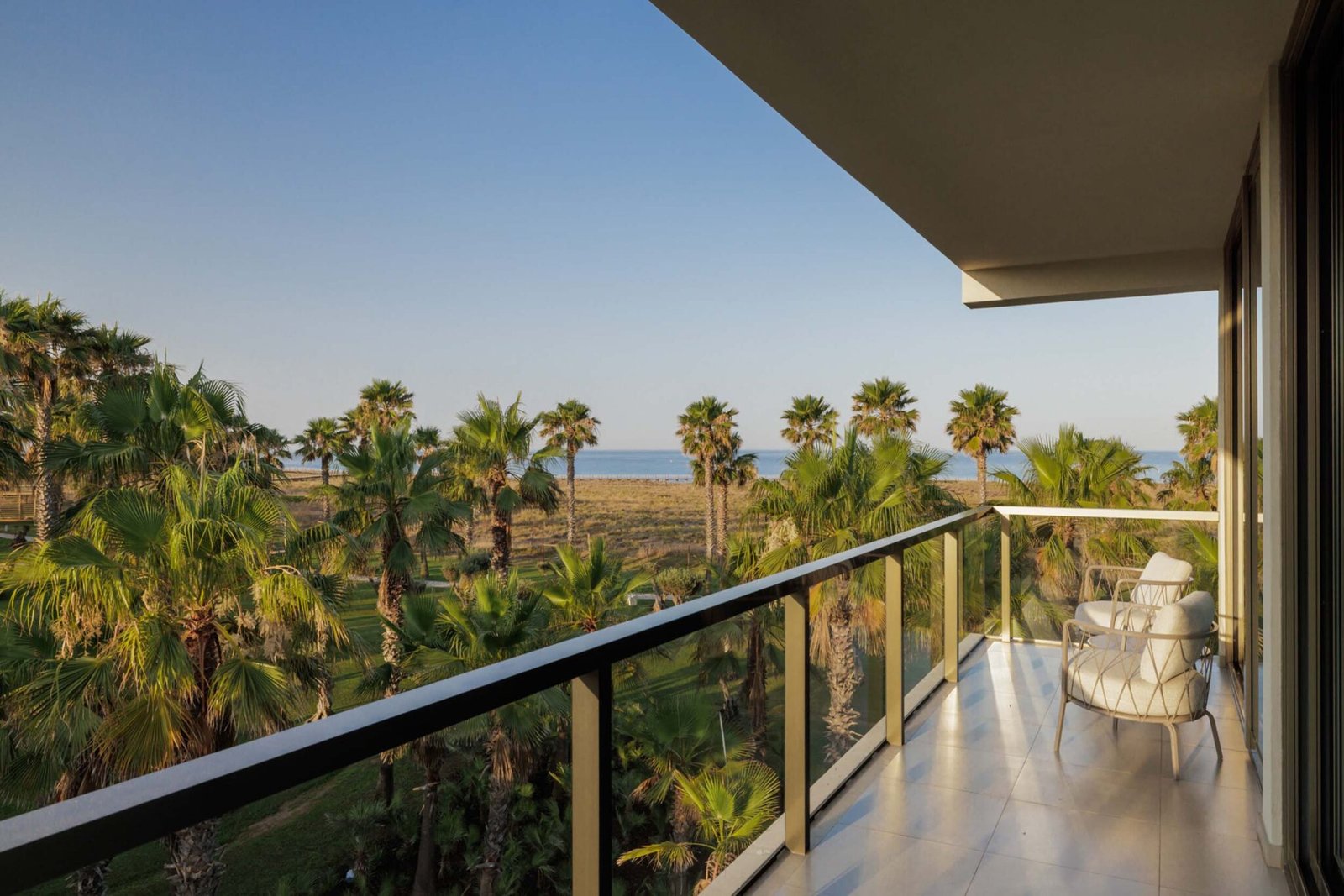
In 2016, more than 60% of branded residences were in city locations, while by 2028 Knight Frank expects around 57% to be in non-city locations.
That migration says a great deal about the modern luxury buyer.
A branded residence is still about trust, service and standards, but the value proposition is increasingly tied to access to nature, privacy, leisure infrastructure and a setting that can’t easily be replicated.
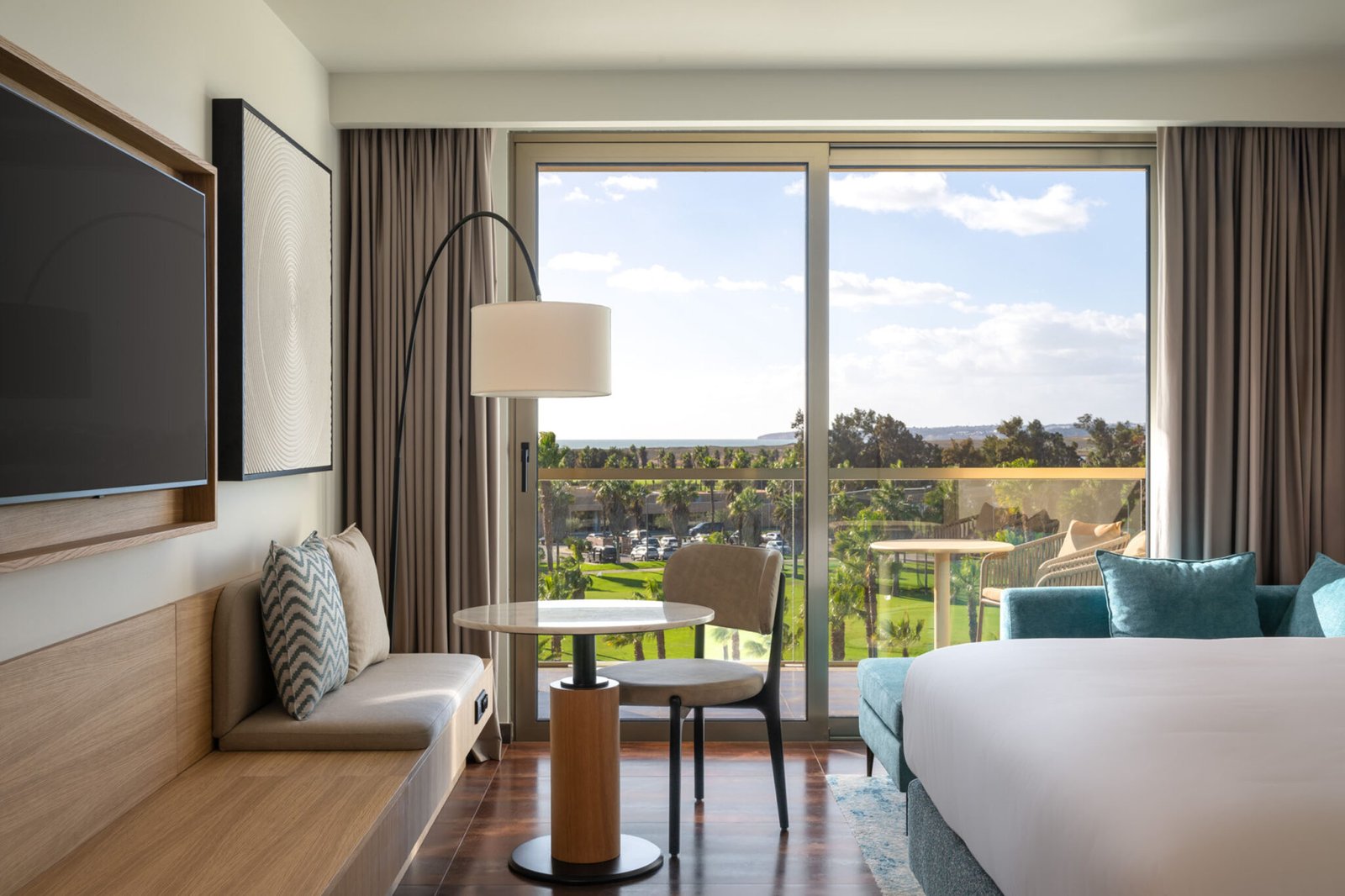
Knight Frank describes this as value moving toward “the things money alone cannot manufacture.”
Wellness is becoming infrastructure
The survey also identifies a broader shift in how wellness is understood within branded residences.
Rather than being treated as a list of amenities, wellness is becoming part of the underlying residential environment.
That distinction is important.
A spa or gym can be added to many schemes, but a walkable coastal setting, outdoor sport, landscaped space and a daily rhythm shaped by climate and geography are harder to reproduce.
This is one reason resort-led branded residences are gaining momentum.
They can offer managed ownership while placing the buyer close to the activities that increasingly define premium leisure living, from swimming and running to paddleboarding and hiking.
The Algarve case study
Portugal’s Algarve offers a clear example of how this shift is playing out.
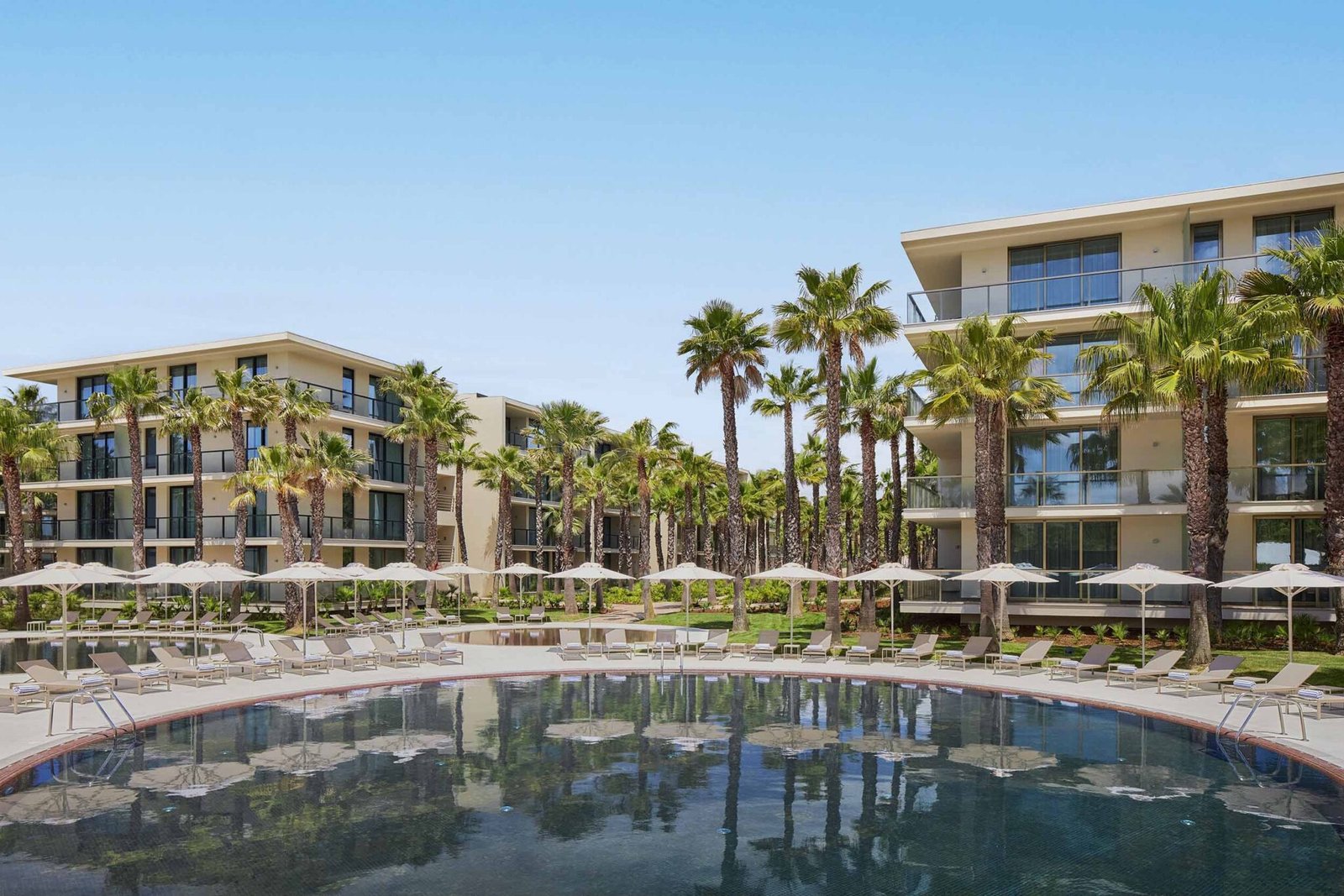
Westin Salgados Beach Resort and Marriott Residences Algarve Salgados, developed by Kronos Homes, are co-located near Salgados Beach and the Salgados Lagoon Nature Reserve.
The properties are also close to Galé, giving residents access to shops and services while retaining a more secluded coastal feel.
Alda Filipe, Regional Director and Partner at Kronos Homes, says the developments are attracting buyers from around the world because of their setting and lifestyle offer.
“The Westin Salgados Beach Resort and Marriott Residences Algarve Salgados are attracting buyers from around the world thanks to their unique setting and luxurious lifestyle offering,” Filipe says.
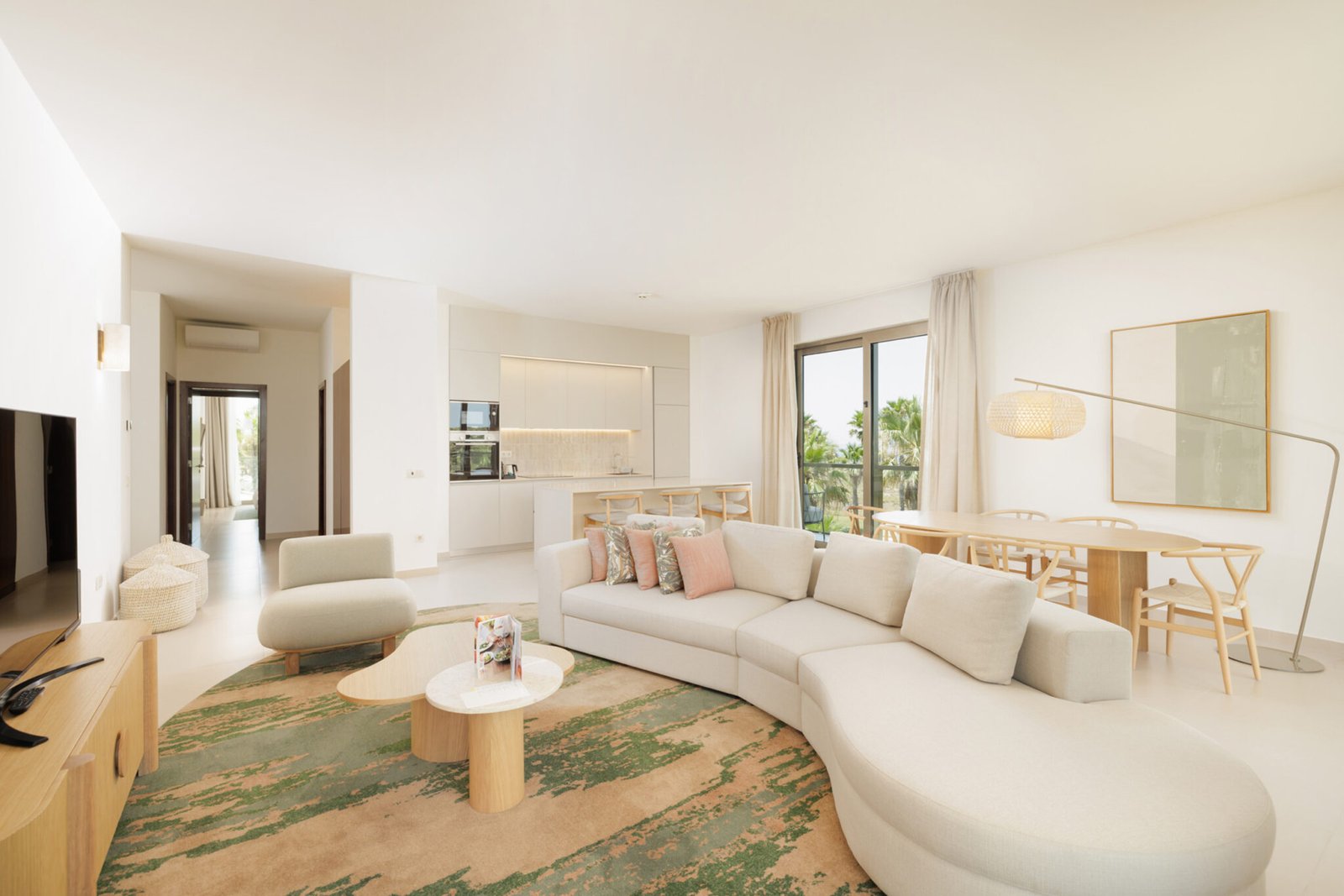
She adds that the homes are “full of light and beautifully furnished” in line with Westin and Marriott standards, with the surrounding landscape contributing “an invaluable sense of serenity and connection to nature.”
The setting also brings together several elements now central to branded residence appeal.
The properties sit against the Algarve coast and the greenery of Salgados Golf Course, with swimming pools, restaurants, spa facilities, landscaping and a fitness and wellness centre forming part of the residential experience.
The surrounding area also supports hiking, running, swimming, kite surfing and paddleboarding, making outdoor activity part of the daily proposition rather than an occasional add-on.
Mobility, ownership and managed income
International mobility is another factor supporting the sector’s growth.
Knight Frank points to international flights reaching 13.2 million this year, while the average ultra-high-net-worth individual now owns 3.8 homes, up from 2.9 less than 10 years ago.
For branded residences, this creates a market where buyers may want a home that is easy to reach, simple to maintain and professionally managed when they’re elsewhere.
Filipe says the combination of greater mobility and appetite for luxury property in idyllic locations is helping drive demand.
She also notes that buyers are weighing brand prestige alongside capital growth potential, with some attracted by income potential when homes aren’t in personal use as part of a professionally managed service.
Accessibility adds to the Algarve schemes’ appeal.
The residences are reachable in under an hour from Faro International Airport, placing them within practical range of many European destinations as well as travellers from the US, Canada and further afield.
Details & Specifications
| Development | Westin Salgados Beach Resort |
|---|---|
| Location | Algarve, Portugal, near Salgados Beach and Salgados Lagoon Nature Reserve |
| Number of homes | 42 properties |
| Starting price | From €675,000 for a two-bedroom home |
| Development | Marriott Residences Algarve Salgados |
| Location | Algarve, Portugal, co-located with Westin Salgados Beach Resort |
| Number of homes | 54 homes |
| Starting price | From €350,000 for a one-bedroom residence |
| Nearby airport | Faro International Airport, under an hour away |
The decade-long story of branded residences is not simply one of growth, but of changing priorities.
For buyers who want the assurance of a recognised hospitality brand without giving up landscape, space and an active coastal lifestyle, the next phase of the sector is likely to feel far more personal than its city-led origins.