BMW has unveiled the updated 7 Series and i7, bringing sharper styling, revised cabin technology and a broad mix of powertrains to its range-topping luxury saloon.
The headline is simple enough. BMW isn’t splitting its flagship identity between combustion and electric models, but keeping both under one visual and technical umbrella.
A bigger front end for a more global luxury brief
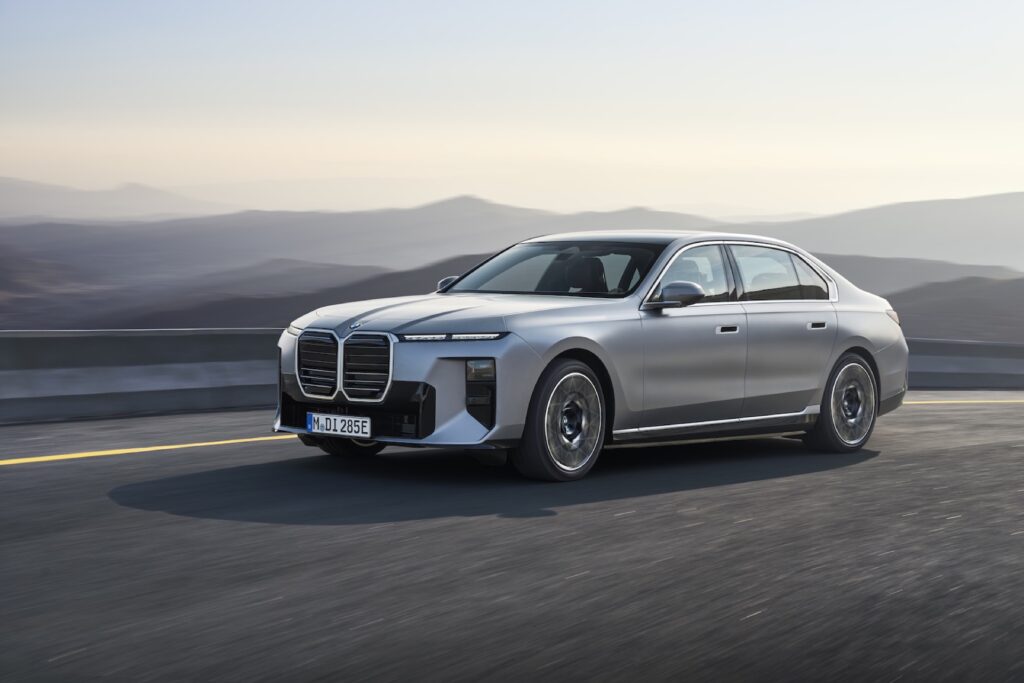
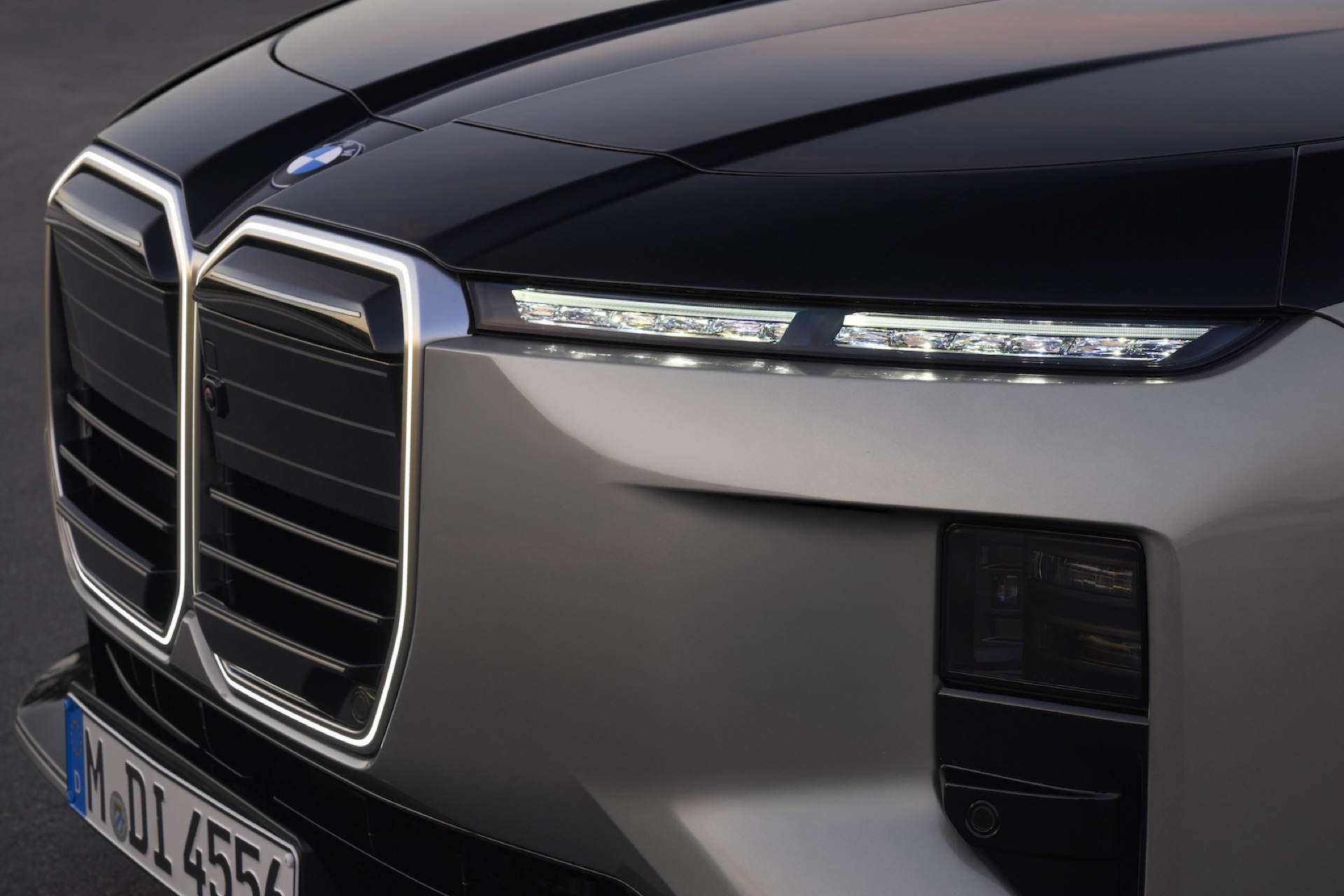
The new 7 Series and i7 lean harder into presence than restraint, especially at the nose.
The grille is larger, the lighting is more clearly separated and the whole front end has been shaped to look more assertive on the road.
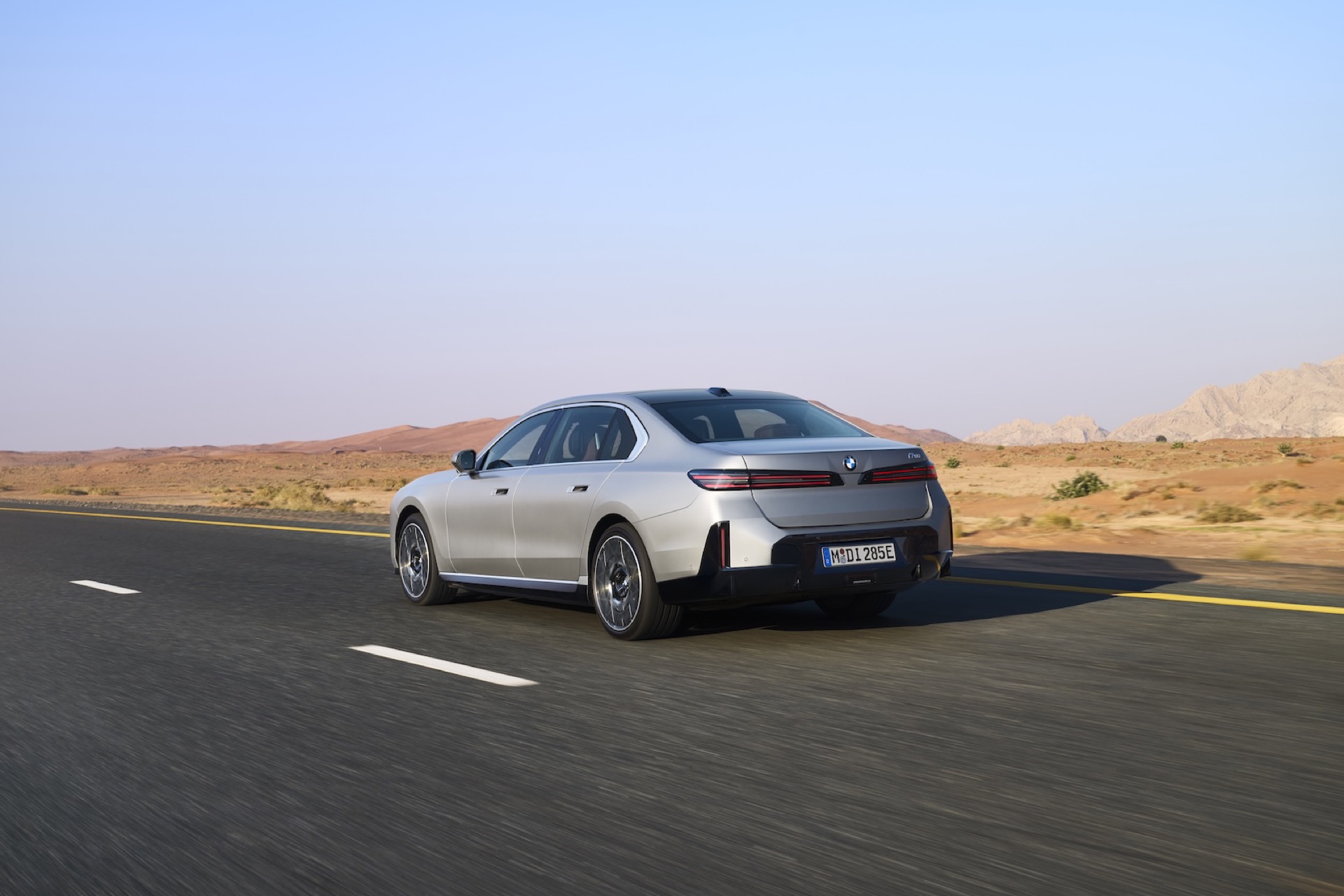
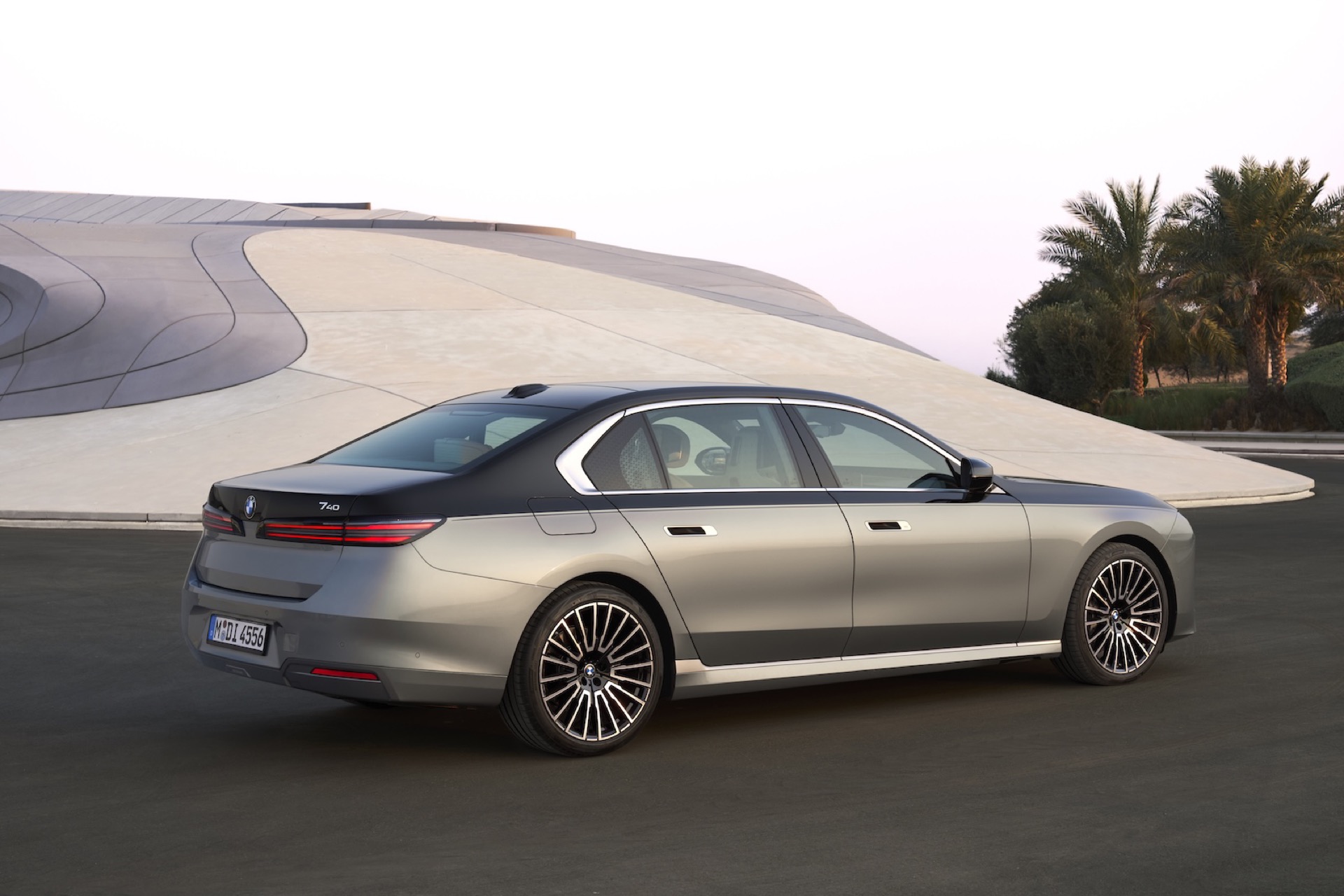
The side profile and rear are more gently updated, which keeps the limousine proportions familiar while shifting the character of the car forward.
It’s a design that will split opinion, but that’s increasingly the point in this class. Flagship saloons now have to read clearly in markets where visual status still matters.
Petrol, diesel, plug-in hybrid and electric stay in the same family
BMW’s strategy is flexibility, and that’s where the updated flagship feels most deliberate.
The range starts with the 740 xDrive, which produces 400 PS and keeps all-wheel drive in the mix from the lower end of the line-up.
Diesel hasn’t been pushed aside in Europe either, with the 740d xDrive delivering 313 PS for buyers who still want long-distance efficiency without charging stops.
The plug-in hybrid models include the 750e and 760e, with system outputs of up to 612 PS and electric driving range of up to 82 kilometres.
The i7 models use all-wheel drive and a battery of around 112 kWh, with outputs running from 455 PS to 680 PS in the M70.
The i7 charges quicker but stays with 400 volts
BMW has not moved the i7 to an 800-volt electrical setup, choosing instead to develop the existing 400-volt architecture.
Even so, DC charging performance rises to a peak of 250 kW, while the longest-range electric versions can cover up to around 720 kilometres.
That gives the i7 useful real-world credibility against the Mercedes-Benz EQS, even if BMW is taking a different engineering route.
With Audi no longer pushing the A8 as aggressively, the main fight now sits between Munich and Stuttgart at the top of the luxury saloon market.
A cabin built around the new Panoramic Display
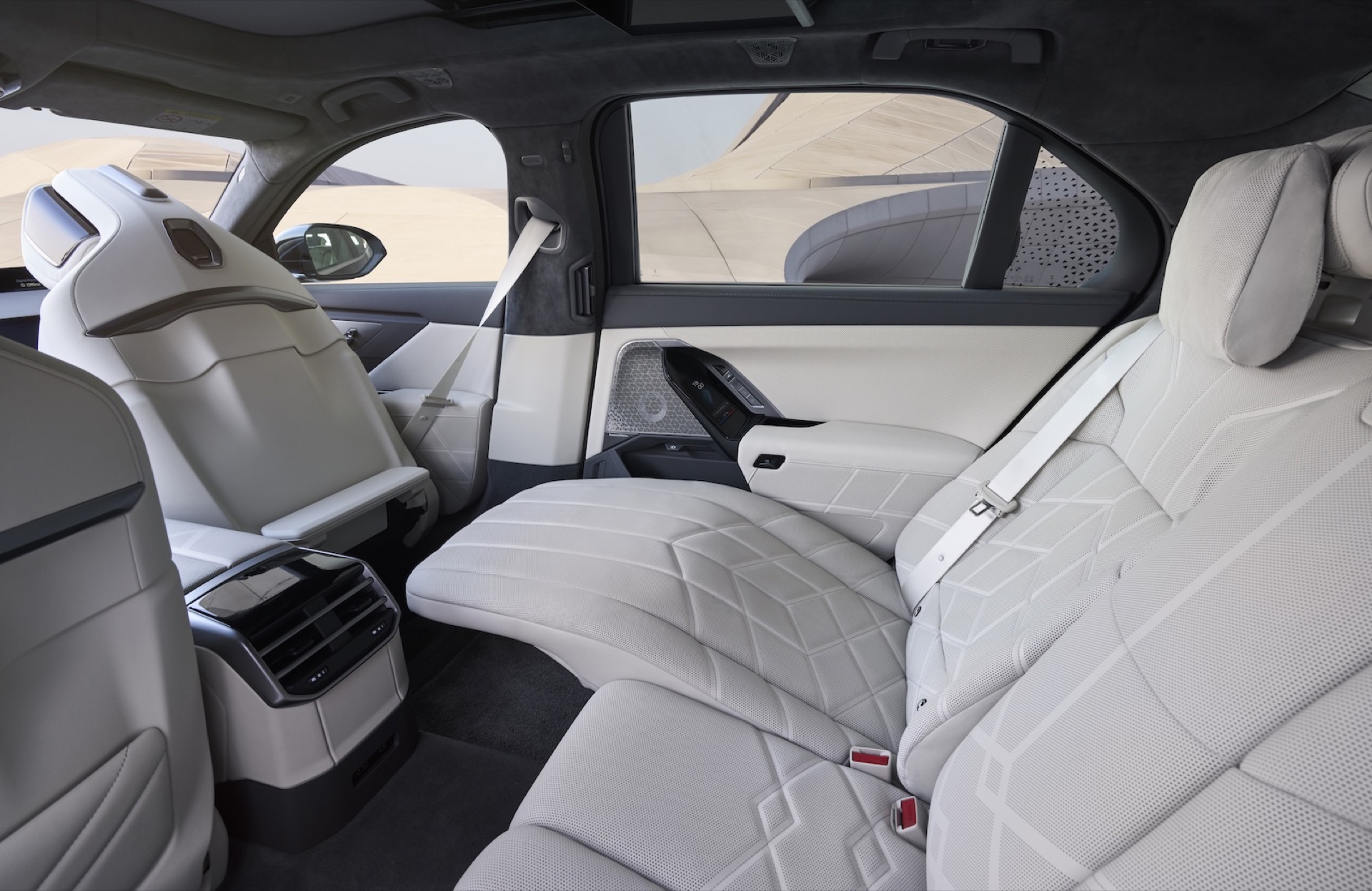
Inside, the biggest change is BMW’s new Panoramic Display, which replaces the conventional instrument cluster with a wide information strip across the driver’s field of view.
The system first appeared in the BMW iX3 and is paired here with voice control and a central 17.9-inch touchscreen.
BMW has also added a passenger display, filling a gap that had become more noticeable as rivals turned the front cabin into a screen-heavy lounge.
One feature stepping back is Level 3 automated driving, which is no longer part of the package.
Instead, BMW moves to a Level 2+ assistance system closer to the setup used in the 5 Series and i5, a more cautious but arguably more realistic approach for broad market use.
Production begins in July at BMW’s Dingolfing plant, with market introduction set to follow shortly after.
Prices run from roughly €121,400 to €182,400, positioning the updated 7 Series and i7 squarely where they need to be for buyers who want a traditional flagship experience without being forced into a single drivetrain future.