Quick summary
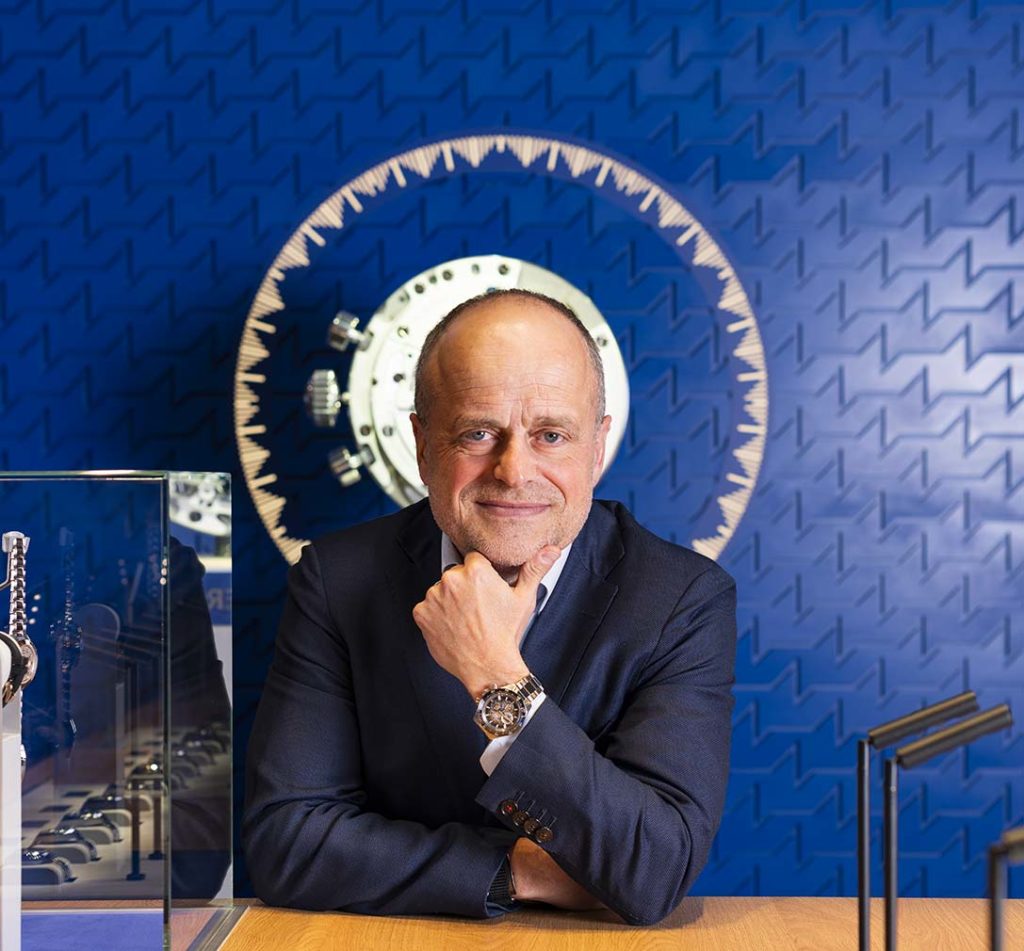
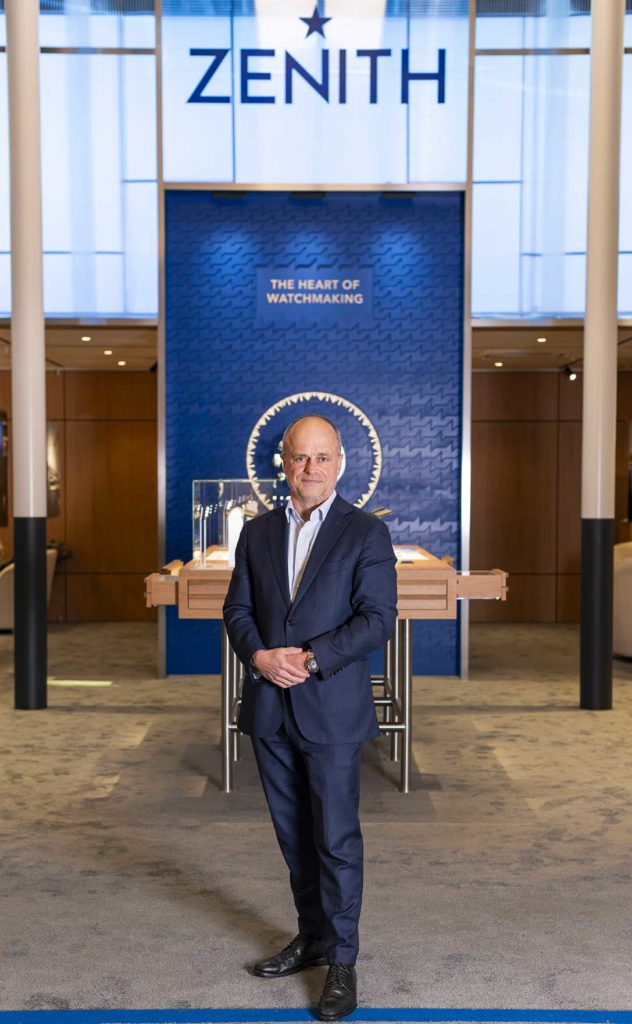
- Zenith CEO Benoît de Clerck has set out a clear view of mechanical watchmaking as a cultural discipline rather than a rival to modern technology.
- The El Primero, with its 36,000 vibrations per hour frequency, remains central to Zenith’s argument for visible engineering and mechanical integrity.
- The discussion also frames Zenith’s heritage strategy, from historically faithful Revival models to contemporary watches shaped by functional design rather than nostalgia.
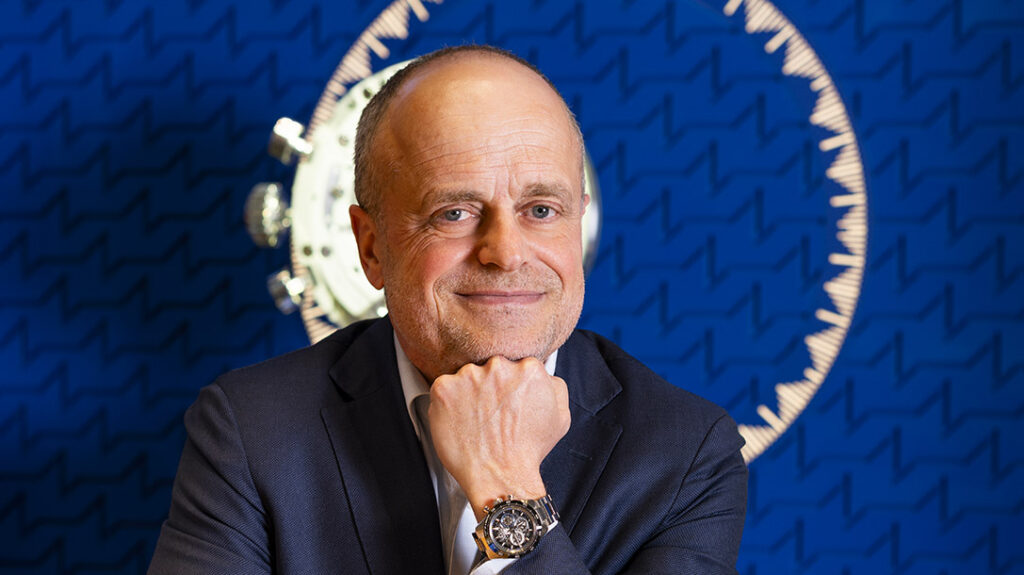
Zenith CEO Benoît de Clerck is putting a useful marker down at a moment when the watch industry is still working out how to speak about heritage without sounding trapped by it.
His message is direct enough. Mechanical watchmaking doesn’t need to beat smartwatches at their own game, because its value sits somewhere else entirely.
Mechanical watches aren’t trying to outsmart technology
The most interesting part of de Clerck’s position is that he doesn’t pretend a mechanical watch is the most efficient way to tell time.
A smartwatch will be faster, more versatile and more objectively precise, but that comparison misses the point of a high-end mechanical movement.
For Zenith, the mechanical watch belongs closer to culture than consumer electronics.
That’s a compelling distinction, particularly for a brand whose modern identity is still heavily shaped by the El Primero and its high-frequency architecture.
The El Primero remains Zenith’s clearest argument
The El Primero’s 36,000 vibrations per hour beat rate is more than a specification for Zenith.
It’s a visible expression of the brand’s long-running commitment to precision, and it gives de Clerck a concrete example of what mechanical watchmaking can still communicate.
The point isn’t simply that the movement measures elapsed time.
It’s that the wearer can look through the watch and see a lineage of engineering decisions, tolerances and craft expressed through moving parts.
Storytelling only works when the watch can support it
De Clerck’s comments also land on one of the more sensitive topics in modern watch marketing.
Storytelling is now everywhere in watches, and in the best cases it helps a buyer understand why a calibre, case shape or dial layout matters.
His view is that narrative becomes a problem when it tries to cover for a lack of substance.
That’s a fair distinction for Zenith, a manufacture with enough technical credibility that it doesn’t need to invent drama around every release.
Heritage without being stuck in it
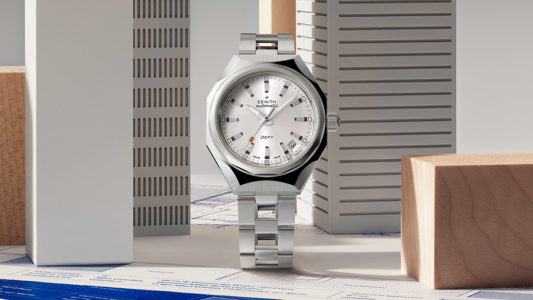
Zenith’s 160 years of history gives the brand plenty to draw from, but de Clerck is careful not to frame vintage design as a safety net.
The Revival line gives Zenith room to recreate important historic models with a high degree of fidelity, which makes sense for collectors who want the feeling of a period-correct watch without the compromises of owning a fragile vintage piece.
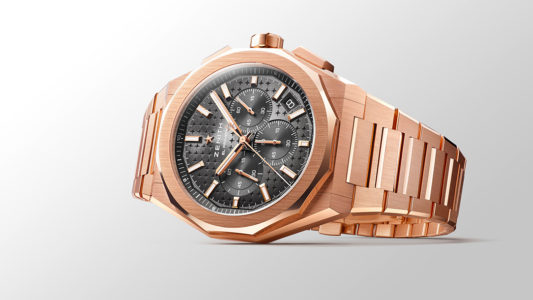
Outside that lane, the more productive lesson from the past is functional clarity.
Many historic Zenith watches were modern because they were purposeful, and that is the part of vintage thinking that still feels useful today.
A watch as a deliberate choice
De Clerck’s broader argument is that nobody really needs a mechanical watch just to know the time.
That has been true for years, but it’s also exactly why the category keeps its emotional force.
Choosing one is an act of intention, shaped by taste, identity and a fascination with mechanics.
For Zenith, that puts the watch somewhere between an instrument and a personal object, which is precisely where the best mechanical watches tend to live.
FAQ
Who is Benoît de Clerck?
Benoît de Clerck is the CEO of Zenith, the Swiss watch manufacture known for high-frequency chronograph movements and the El Primero calibre.
Why is the El Primero important to Zenith?
The El Primero is one of Zenith’s defining movements, famous for its 36,000 vibrations per hour frequency and its central role in the brand’s chronograph identity.
How does Zenith approach vintage design?
Zenith uses its Revival line for faithful recreations of historic models, while its broader collections aim to carry forward functional design ideas rather than simply repeating old forms.
What makes mechanical watches relevant today?
Their relevance comes from craft, culture, emotion and mechanical visibility rather than pure utility. They offer a different kind of value than connected devices.