Audi is preparing for a major shift in how it serves the American market.
The brand has announced a $4 billion investment in its first US production facility, with a new Georgia factory planned around premium SUVs for North American buyers.
It’s a meaningful move for a company that has long relied on importing vehicles into one of the world’s most important luxury car markets.
At a glance
- Audi plans to invest $4 billion in its first US production facility in Georgia.
- The factory is expected to focus on premium SUVs tailored to North American buyers.
- Construction is scheduled to begin next year, with production expected in the early 2030s.
Georgia becomes Audi’s American production base
The planned facility in Georgia is expected to create around 4,500 jobs once the project is underway.
Audi says the factory could eventually build up to 200,000 vehicles annually, giving the brand a substantial manufacturing foothold in the United States.
Production is not expected to begin until the early 2030s, so this is a long-range industrial play rather than an immediate change to showroom supply.
Still, the announcement signals a deeper commitment to the US at a time when localisation has become increasingly important for global automakers.
Premium SUVs are at the centre of the plan
Audi has not confirmed which models will be assembled at the new plant.
The company has said only that the factory will focus on premium SUVs designed around North American demand.
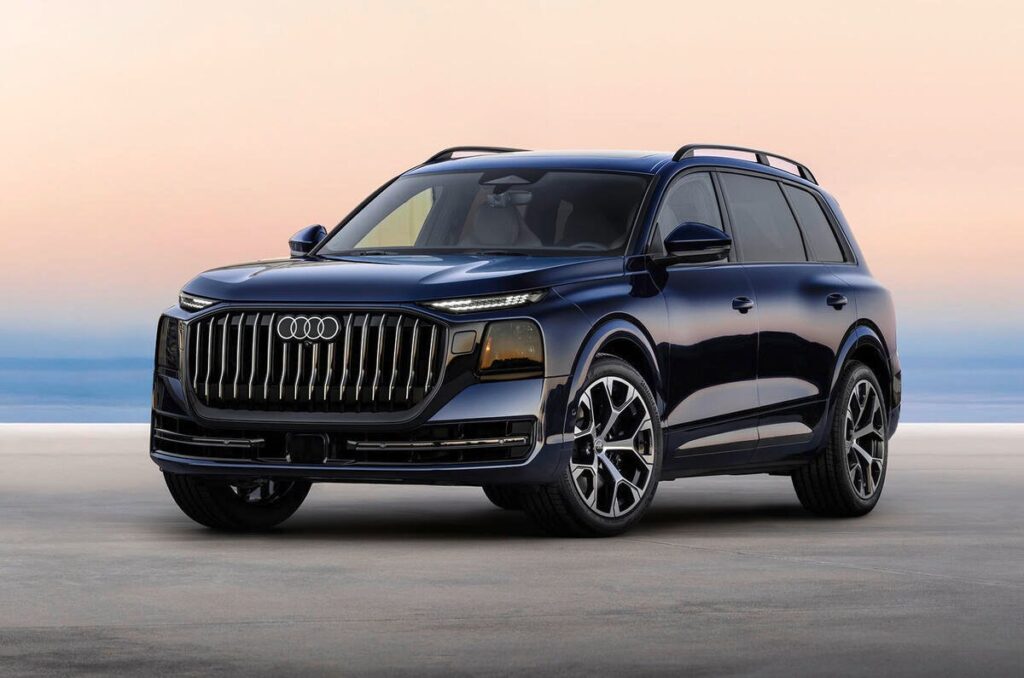
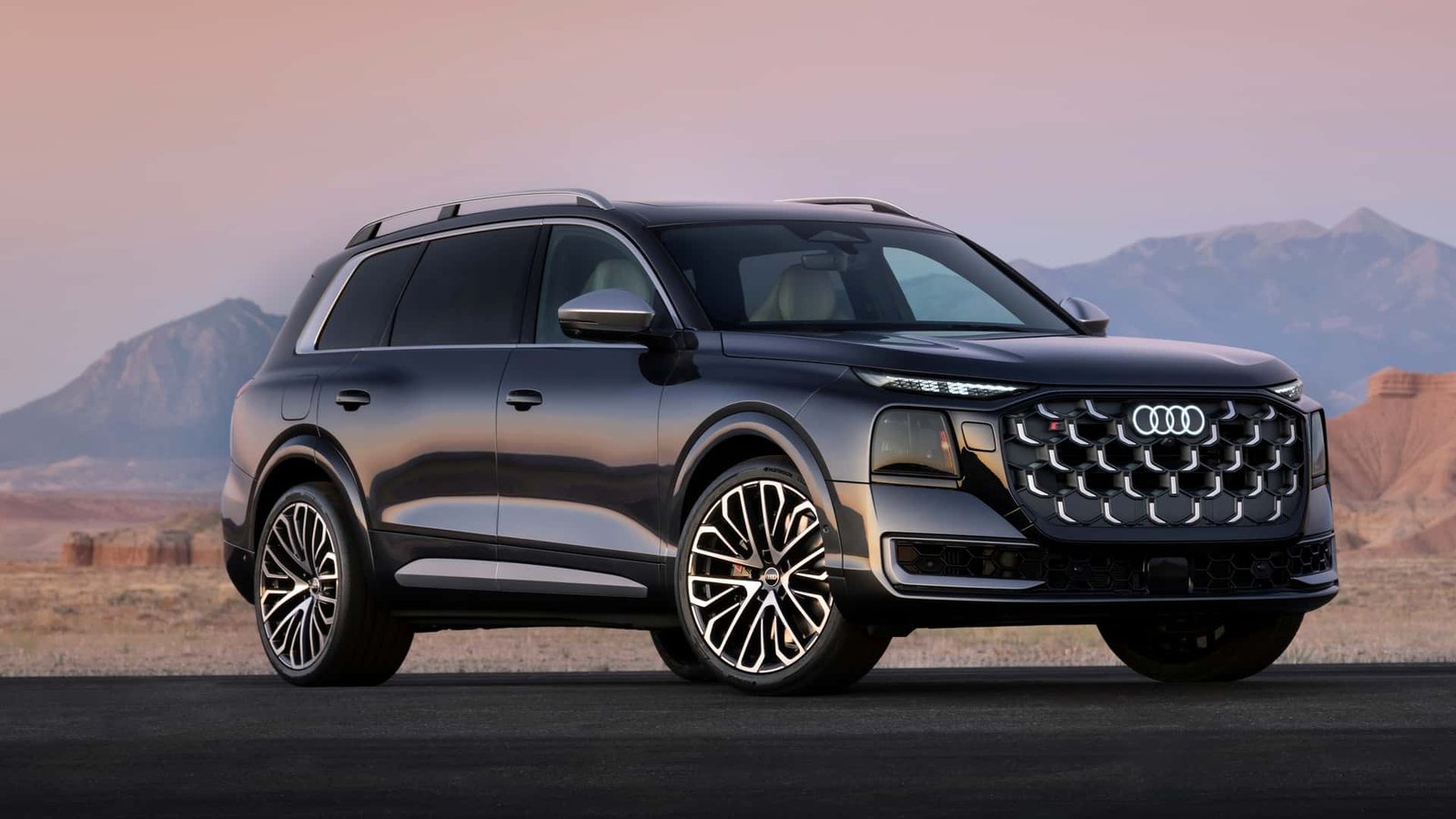
The next-generation Q7 and the larger Q9 are possible candidates, given their expected roles in Audi’s luxury SUV lineup.
Both models are expected to be imported initially, which means any local production would come later in their market life or with future production planning.
Tariffs and proximity matter
Building vehicles in the US would allow Audi to move production closer to American customers rather than relying solely on overseas shipping.
It could also help the company avoid import tariffs on vehicles manufactured at the Georgia facility, although other trade costs would still remain part of the equation.
For buyers, the practical effect will depend on which models Audi ultimately assigns to the plant and how the factory fits into the brand’s wider supply network.
For Audi, the broader value is clear enough, with a dedicated American production base giving the brand more control in a market where large luxury SUVs remain a core battleground.
A long-term move for Audi’s SUV strategy
The timing places the Georgia facility beyond the current product cycle, but its purpose is easy to read.
Audi is preparing to build more of the vehicles American customers want in the market where they are sold.
That matters in a segment where scale, logistics and regional taste all carry real weight.
If the plan holds, the early 2030s could mark the moment Audi’s US SUV business becomes less dependent on imports and more closely tied to American manufacturing.