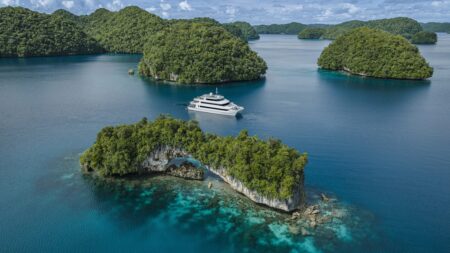
The Galapagos doesn’t need the usual theatre of luxury travel.
Its power is in the black volcanic shorelines, the wildlife that hasn’t learned to perform for visitors, and the feeling that the ocean still sets the schedule. Aqua Mare fits that mood unusually well, not as a floating palace, but as a precise way to move through a fragile archipelago with comfort, restraint and rare access.
At a glance
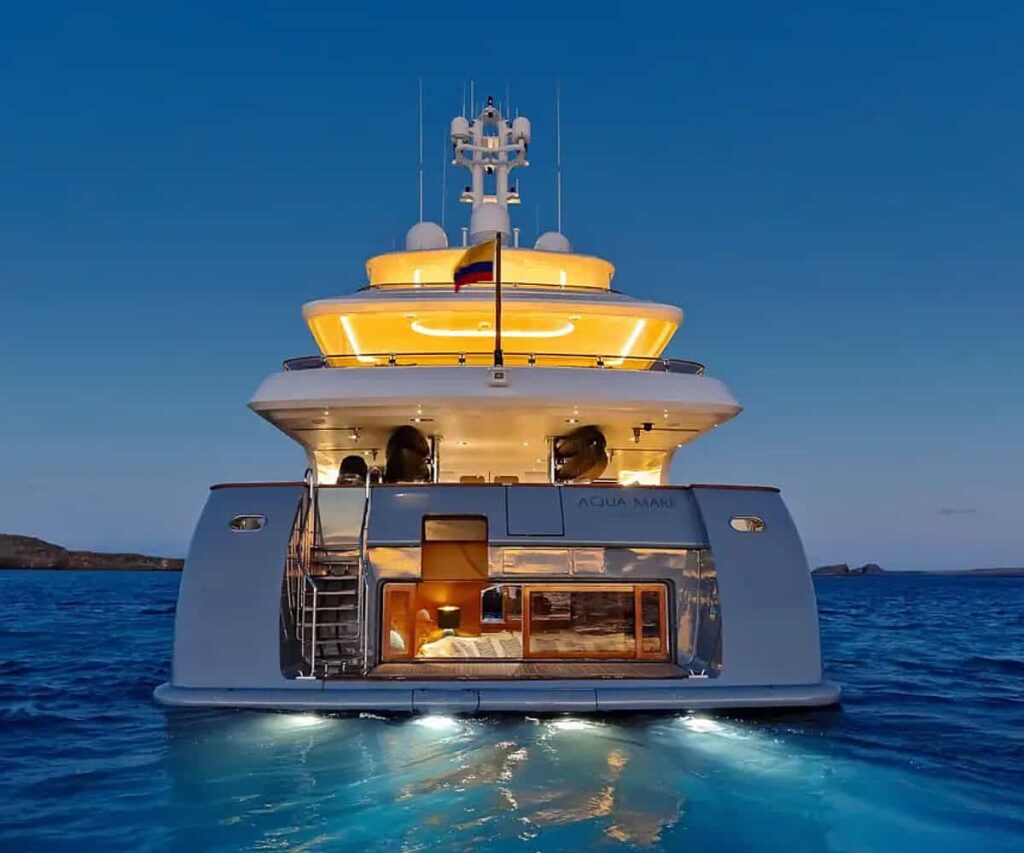
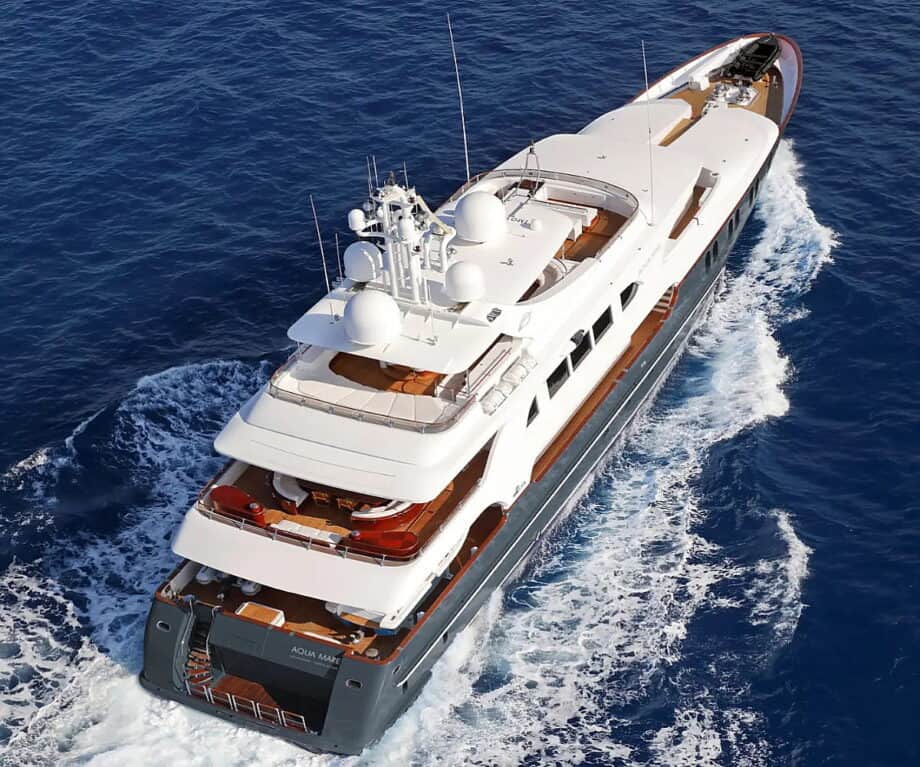
- Aqua Mare is a 50-metre Italian-built superyacht operating as an intimate boutique hotel at sea in the Galapagos.
- The yacht hosts just 16 guests, with François Zuretti-designed interiors, naturalist-led excursions and Pacific-influenced dining.
- Its appeal lies in regulated access to protected islands where visitor numbers, landing sites and wildlife encounters are carefully managed.
A moving address in a protected archipelago
Most hotels are defined by a fixed location, but Aqua Mare’s strongest asset is that it keeps changing position.
One day can begin beside dark lava formations dotted with marine iguanas, then shift into a quiet bay where sea lions move through clear water near the rocks.
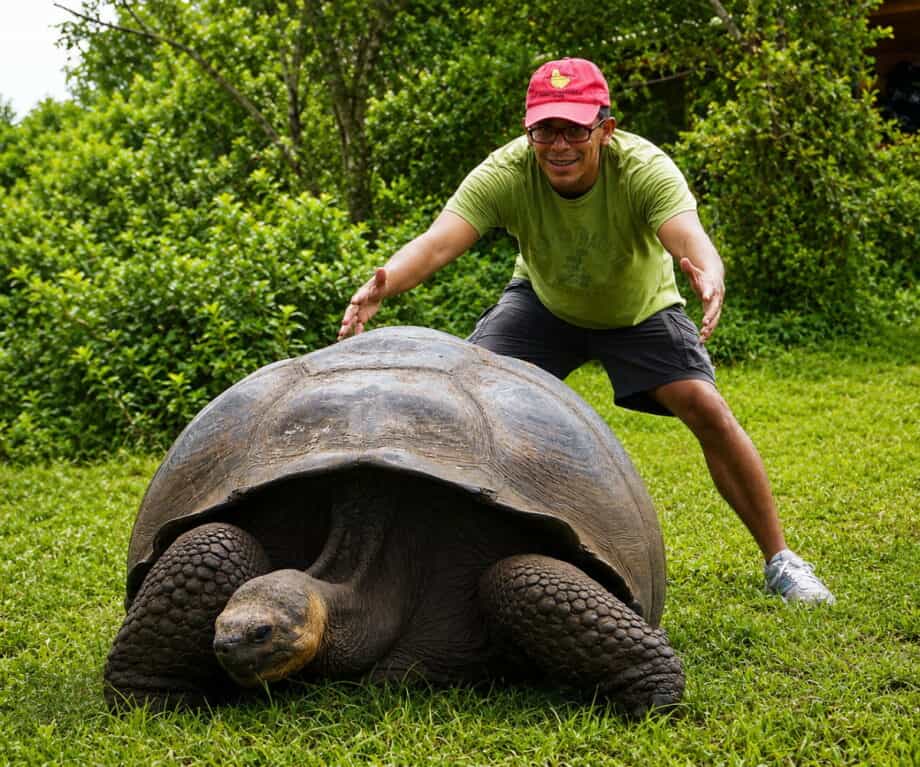
Another excursion might take guests inland, where giant tortoises move through mist and frigatebirds cut across the sky overhead.
That mobility matters in the Galapagos because the islands have never been suited to the usual resort model.
Large-scale development would sit awkwardly against an ecosystem whose value depends on strict protection, limited visitor movement and a deep respect for habitat.
A yacht such as Aqua Mare turns that constraint into the experience itself.
Instead of asking the islands to accommodate a fixed luxury footprint, it brings a small number of guests through a sequence of landscapes, then moves on.
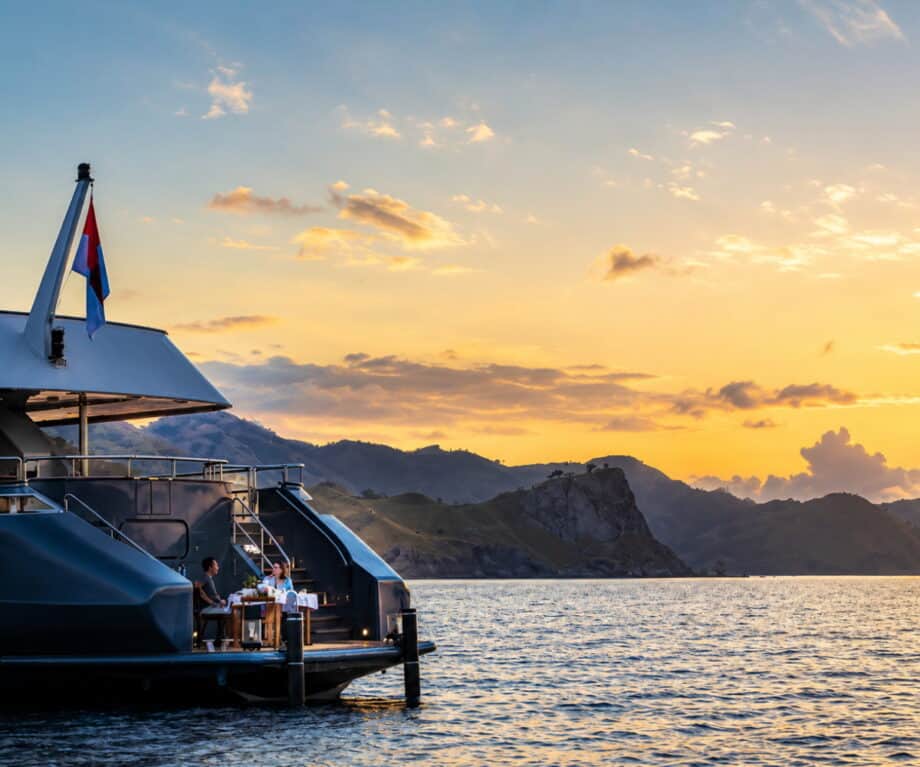
Inside Aqua Mare’s residential calm
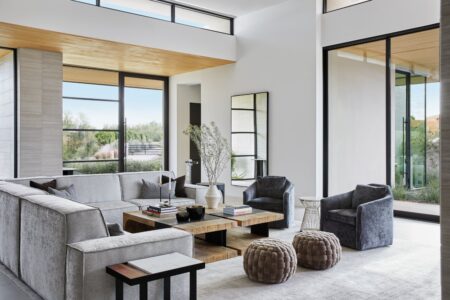
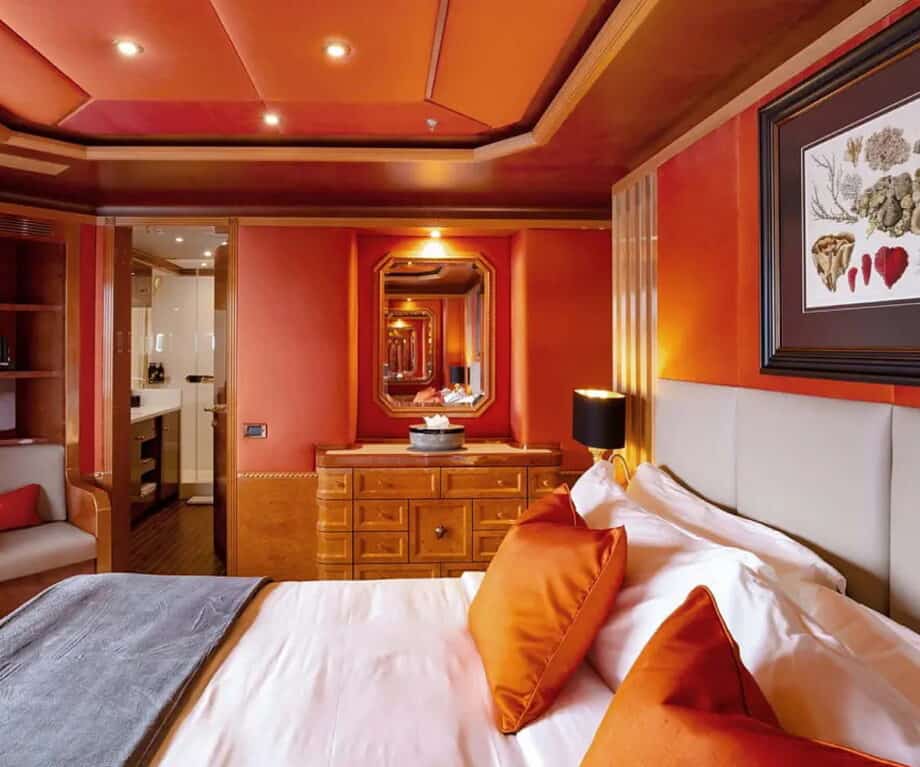
Aqua Mare is built for just 16 guests, which gives the yacht a scale closer to a private residence than a conventional cruise vessel.
The interior language is deliberately composed rather than loud.
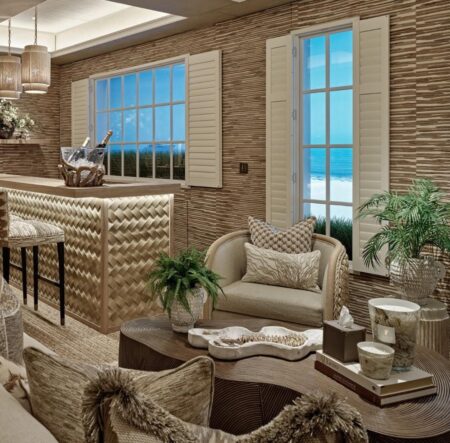
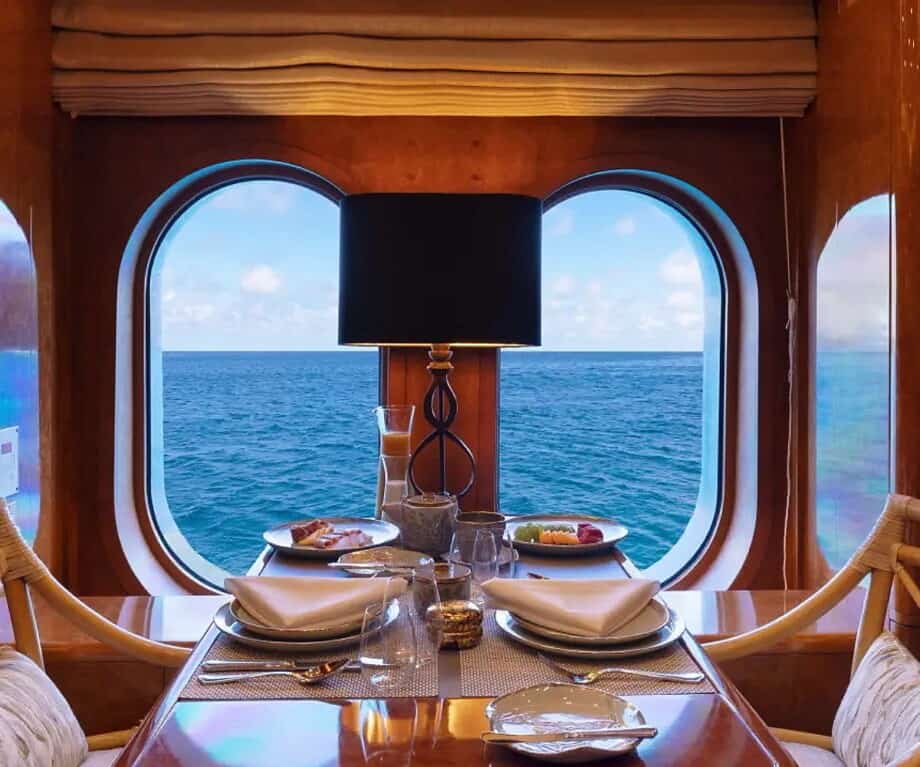
Walnut panelling, curated artworks and soft textiles shape the mood, while François Zuretti’s design keeps attention on proportion, calmness and the view beyond the glass.
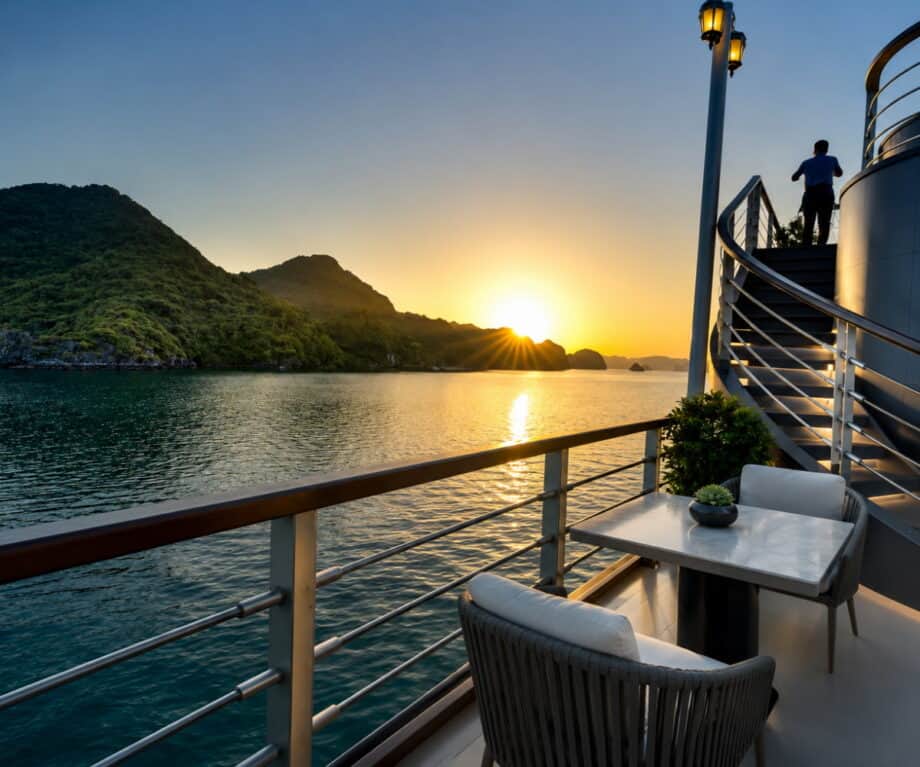
Large windows are essential here, not decorative.
They keep the scenery in the room, whether the yacht is facing a bare volcanic coastline or sitting in the still water of a sheltered anchorage.
The appeal is not excess for its own sake.
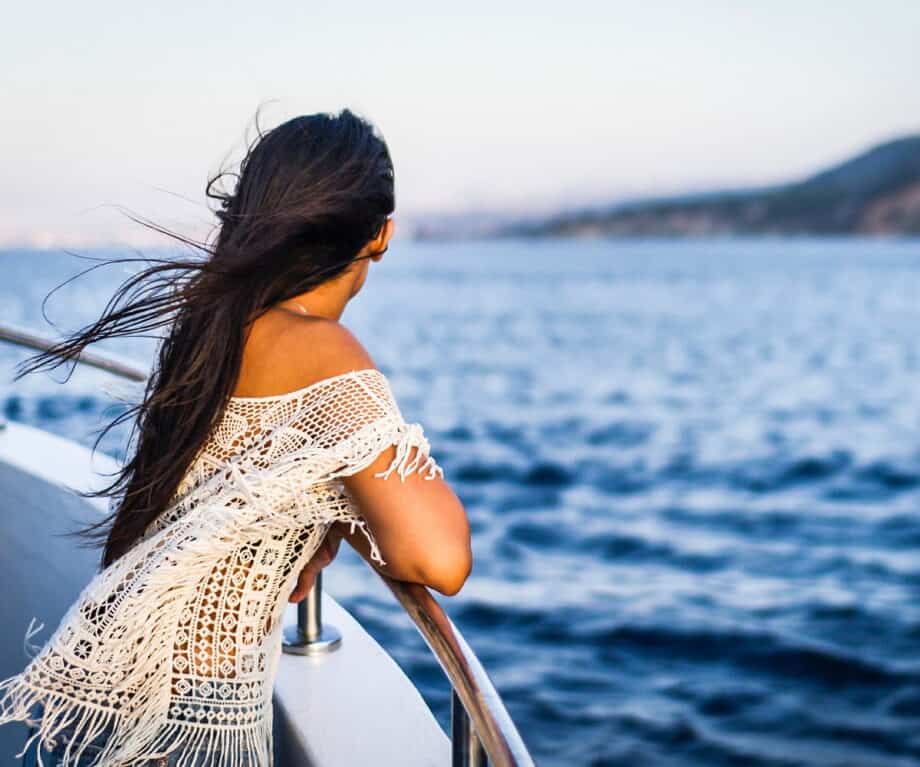
It’s the comfort of having privacy, service and space while travelling through a place where the natural world remains the dominant presence.
Guides turn sightings into understanding
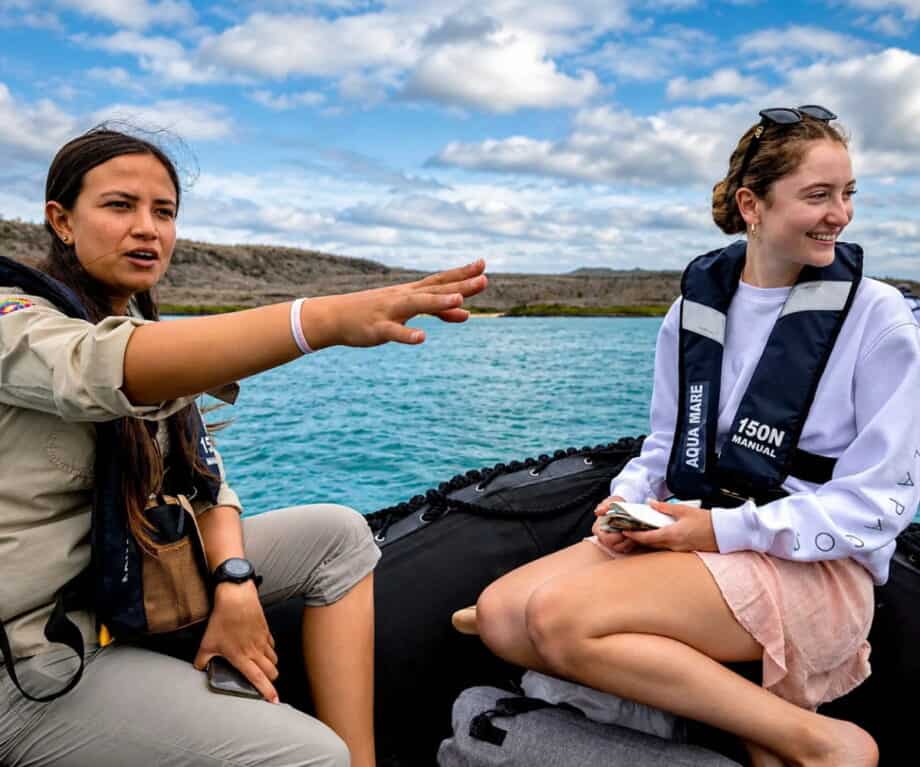
In the Galapagos, the role of the guide isn’t ornamental.
Naturalists are central to the journey because the islands reward context as much as observation.
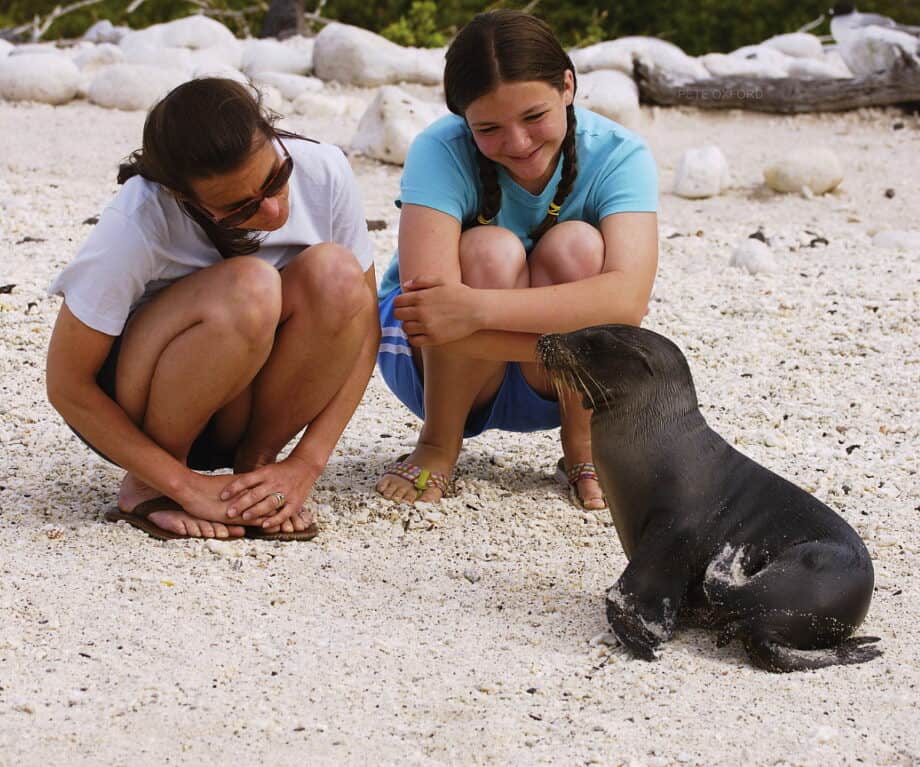
A colony of seabirds becomes a lesson in adaptation, movement and survival rather than a quick photo stop.
A volcanic shoreline becomes part of a larger story about isolation, geology and the conditions that shaped one of the most studied ecosystems on Earth.
This is also where the archipelago’s exclusivity feels different from the usual private-island vocabulary.
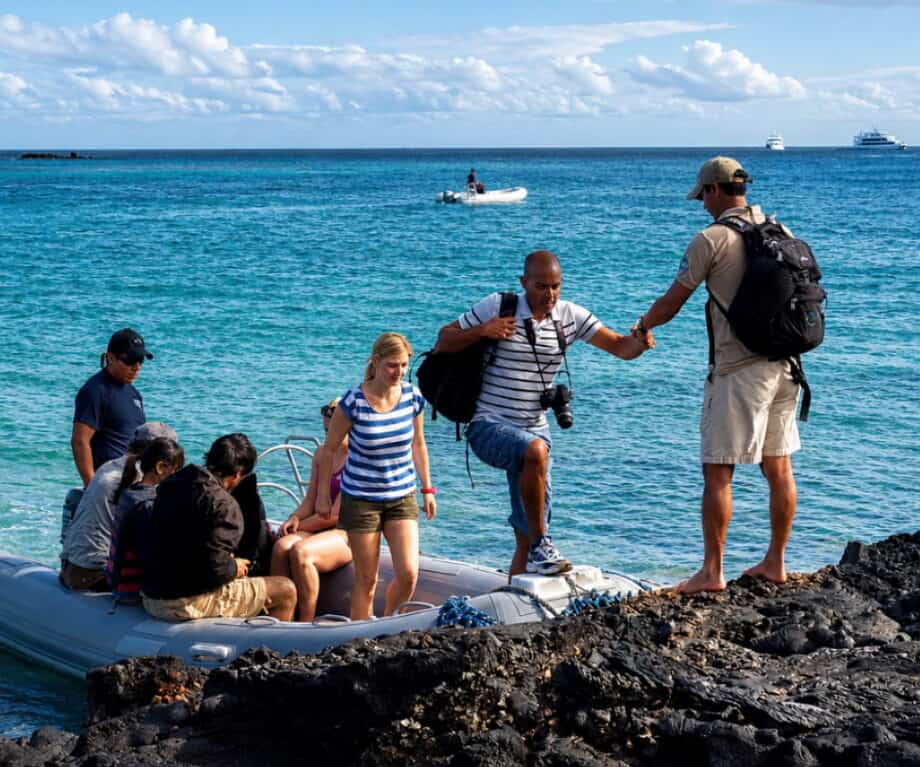
Visitor numbers are controlled, landing sites are regulated and itineraries are shaped by conservation priorities.
The result is a kind of access that feels earned by restraint.
Wildlife encounters happen on the animals’ terms, which is why they carry more weight than anything staged for convenience.
Pacific dining without leaving the expedition
Back onboard, the exploration continues at the table.
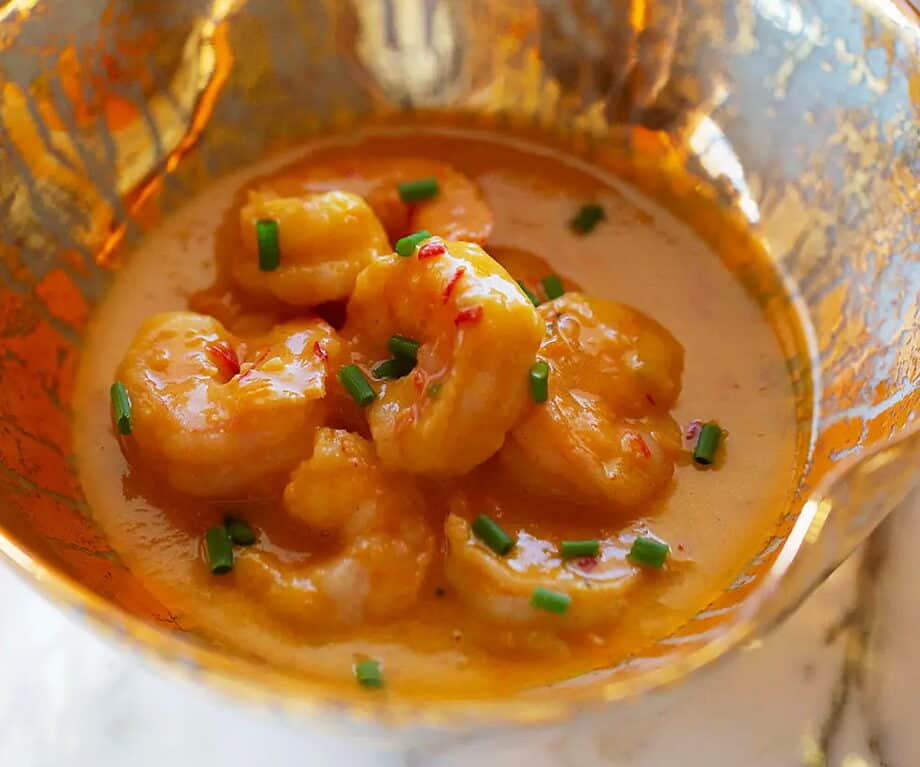
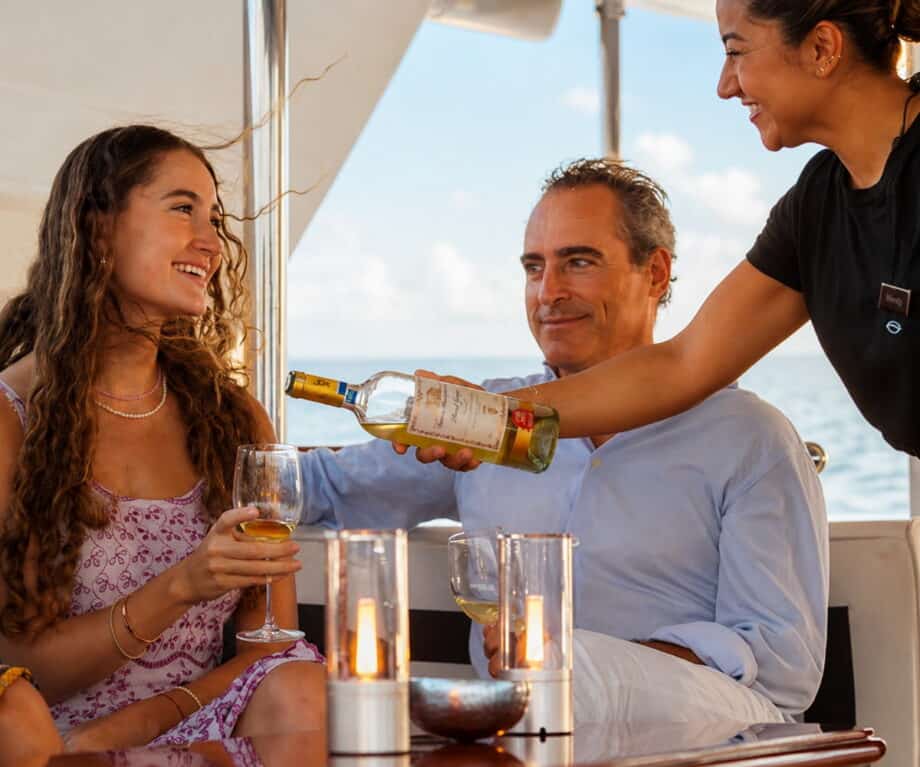
Aqua Mare’s cuisine draws from the work of Peruvian chef Pedro Miguel Schiaffino, with an approach that looks to the Pacific coastline and the particular character of the Galapagos.
The islands’ distance from mainland Ecuador, close to 1,000 kilometres, creates real logistical challenges for a yacht operating at this level.
Rather than treating those limits as a problem to hide, the culinary programme works with local character and careful handling.
Tuna crudo, shrimp ceviche, tropical fruits and island flavours sit naturally in this setting.
Dinner becomes less a formal pause in the day than a continuation of it, with conversations returning to wildlife, photography, conservation and the strange magnetism of the islands.
Details & Specifications
| Vessel | Aqua Mare |
|---|---|
| Type | Superyacht and boutique hotel at sea |
| Length | 50 metres |
| Build | Italian-built |
| Guest capacity | 16 guests |
| Interior designer | François Zuretti |
| Operating region | Galapagos Islands, Ecuador |
| Interior notes | Walnut panelling, curated artworks, soft textiles and large windows |
| Culinary direction | Influenced by chef Pedro Miguel Schiaffino |
| Experience focus | Naturalist-led excursions and regulated access to protected island sites |
Aqua Mare is most compelling for travellers who want the Galapagos without trying to soften its edges.
It offers comfort, privacy and polished service, but the real privilege is being placed close to a rare environment while being reminded, again and again, that the islands come first.